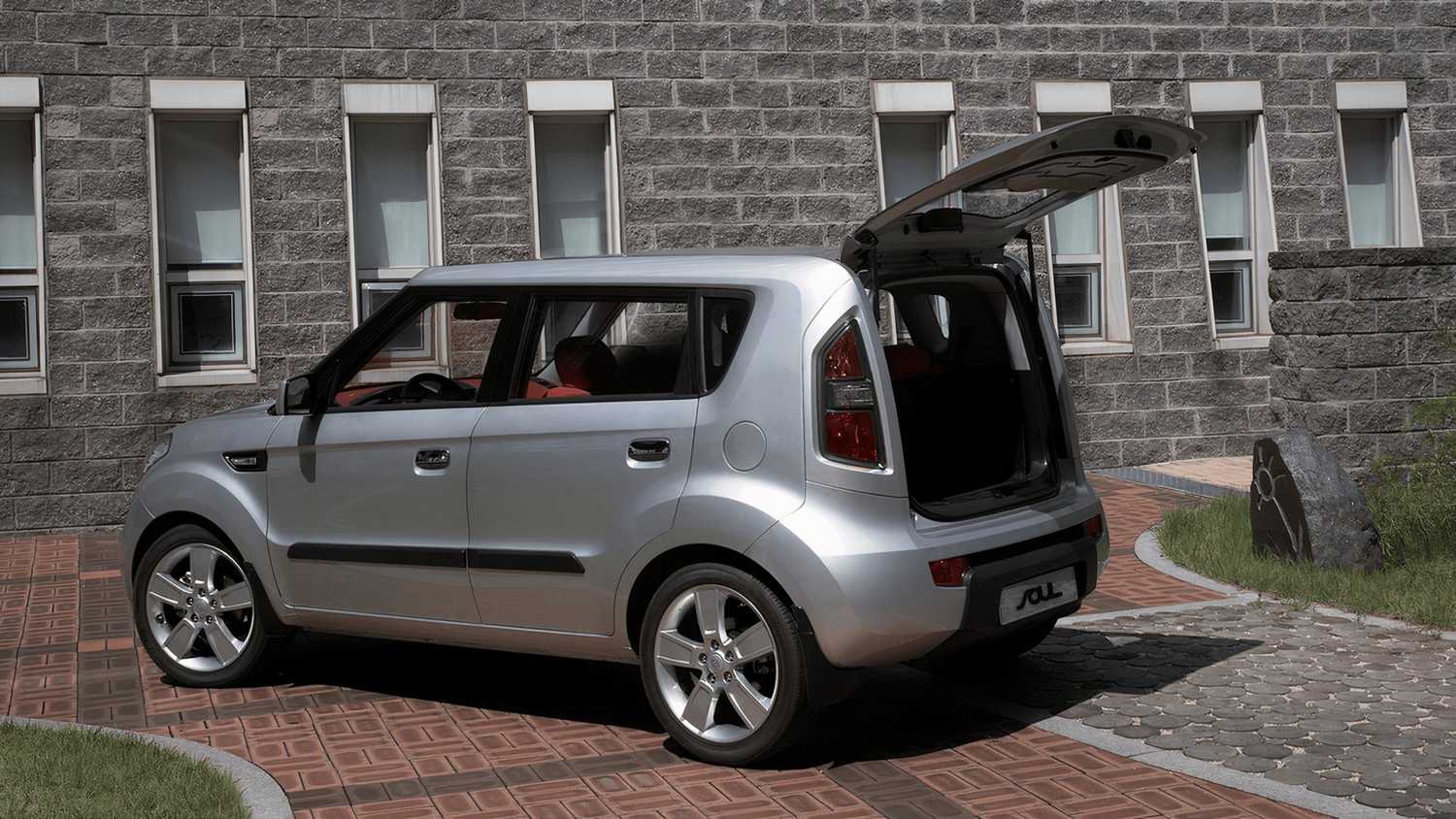
The 2010 Kia Soul, marking the inaugural year for the model in the North American market, is recognized for its distinctive design and interior versatility. However, as the vehicle ages, owners frequently report specific recurring issues involving the electrical system, door lock functionality, and steering responsiveness. Addressing these concerns through timely maintenance and proper diagnostic steps can significantly extend the operational life of the vehicle.
The Evolution of the 2010 Kia Soul
The 2010 Kia Soul was introduced as a subcompact crossover SUV that aimed to blend youthful aesthetics with utility. Because this was the first model year, it inherited some of the typical "teething" issues common to new platforms. By 2026, most of these vehicles have exceeded 150,000 miles, making the distinction between manufacturing defects and standard wear-and-tear essential for effective troubleshooting.
Understanding that this vehicle is now over 15 years old, prospective buyers and current owners should prioritize inspecting legacy safety recalls alongside mechanical aging. While the vehicle remains a popular budget-friendly commuter, its reliability profile is heavily dependent on how these historical known issues were managed by previous owners.
Common Mechanical and Electrical Issues
When analyzing the reliability of the 2010 Kia Soul, data from the National Highway Traffic Safety Administration (NHTSA) and owner-reported logs highlight a few persistent areas of concern.
Electrical and Lighting Failures
A prominent issue reported by 2010 Kia Soul owners involves the interior and exterior lighting systems. Specifically, headlamp bulbs have a documented history of premature burnout. While this may initially appear to be a simple maintenance task, the frequency of replacement often points toward an underlying instability in the electrical current or high-resistance connectors within the lighting harness.
Furthermore, the dashboard instrument cluster has been known to experience intermittent flickering or complete loss of illumination. This is often attributed to loose ground connections or aging capacitors within the instrument cluster circuit board. For an owner, this creates visibility challenges during night driving and complicates the monitoring of critical data such as fuel levels and engine temperature.
Door Lock and Latch Functionality
The door latch mechanisms in the 2010 model are prone to failure, particularly in colder climates. Owners often report that doors fail to unlock via the key fob, or conversely, that the doors fail to latch properly when shut. This is frequently caused by the internal plastic components of the door lock actuator becoming brittle or the grease inside the assembly hardening over time. If a door fails to latch securely, it poses a significant safety risk during vehicle operation.
Steering and Suspension Sensitivity
Users frequently report a sensation of "wandering" or lack of center-feel in the steering wheel. This is typically linked to the degradation of the electric power steering (EPS) motor coupler—a small, star-shaped rubber piece that dampens vibrations between the motor and the steering gear. Over time, this coupler disintegrates, resulting in a distinct clicking or "clunking" noise when the steering wheel is turned, followed by a loss of steering precision.
Critical Recall and Safety History
The 2010 Kia Soul was subject to several safety-related recalls that remain relevant today. Owners who have recently acquired the vehicle must verify that these repairs were completed, as an unaddressed recall can compromise both safety and insurability.
- Stop Lamp Switch: A significant recall was issued concerning the stop lamp switch, which could fail, causing the brake lights to remain off or stay stuck in the "on" position. This also potentially affected the operation of the Electronic Stability Control (ESC) system and the ability to shift the vehicle out of "Park."
- Airbag System: Certain 2010 models were included in campaigns regarding the occupant detection system or wiring harness issues that could prevent airbags from deploying during a collision.
- Engine Compartment Fires: While more prevalent in later model years, some early Kia models were scrutinized for potential fuel or oil leaks that could lead to engine compartment fires. Periodic visual inspection of fuel lines and engine seals is a recommended safety precaution for high-mileage units.
Diagnostic and Repair Table for Owners
The following table categorizes common symptoms, their likely technical causes, and the suggested priority for resolution.
| Symptom | Probable Technical Cause | Severity | Recommended Action |
|---|---|---|---|
| Clicking sound when steering | EPS motor coupler degradation | Moderate | Replace coupler insert |
| Doors failing to lock/unlock | Worn door lock actuator | Low | Replace actuator assembly |
| Flickering dashboard lights | Grounding fault or PCB failure | Low | Inspect/clean grounds |
| Brake lights inoperative | Faulty stop lamp switch | High | Verify recall status/replace |
| Excessive oil consumption | Piston ring wear (high mileage) | Moderate | Monitor levels/check PCV |
Maintenance for Long-Term Reliability
To preserve the functionality of a 2010 Kia Soul in 2026, a proactive maintenance schedule is required. Beyond standard oil changes and tire rotations, owners should focus on the following:
Cooling System Integrity
With a vehicle of this age, the cooling system is a frequent point of failure. The radiator hoses and water pump are prone to degradation. A cooling system pressure test should be performed annually. If the temperature gauge fluctuates during highway driving, the thermostat should be inspected immediately to prevent a blown head gasket, which would likely exceed the vehicle's market value.
Transmission Fluid Health
The 2010 Kia Soul uses an automatic transmission that benefits significantly from fluid exchanges. If the transmission fluid is dark or has a burnt odor, it indicates that the clutches within the transmission may be wearing. While not a guaranteed fix for internal damage, a professional fluid exchange can often smooth out harsh gear shifts.
Suspension Bushings
The rubber bushings in the lower control arms and sway bar links have likely reached their end-of-life cycle. Replacing these components can restore the original handling characteristics and prevent premature tire wear caused by misalignment due to loose suspension components.
When to Seek Professional Assistance
While many of the issues described, such as changing headlight bulbs or replacing a door actuator, can be handled by a DIY-savvy owner, certain tasks require professional expertise.
If you suspect electrical gremlins that affect the Engine Control Unit (ECU) or the Supplemental Restraint System (SRS), it is imperative to visit a technician equipped with a factory-level diagnostic tool. Attempting to bypass or repair SRS wiring without proper training can result in accidental airbag deployment or the failure of the system to function during a real emergency.
Furthermore, any work involving the steering rack or the removal of the steering column should be verified by a certified mechanic to ensure that the steering angle sensor is calibrated correctly and that the connection to the steering shaft is torque-verified.
Frequently Asked Questions
Are parts still widely available for the 2010 Kia Soul in 2026?
Yes. Because the 2010 Kia Soul shared many components with other vehicles in the Kia/Hyundai lineup of that era, aftermarket parts are readily available at major automotive retailers and through online salvage networks.
Does the 2010 Kia Soul have an engine timing belt or chain?
The 2010 Kia Soul is equipped with a timing chain, which is designed to last the life of the engine. Unlike a rubber timing belt, it does not require a specific mileage-based replacement interval; however, maintaining consistent oil levels is critical to prevent chain stretching and guide wear.
Is the "clicking" steering noise a safety hazard?
While the failure of the EPS coupler is primarily a noise and comfort issue, it should not be ignored. If the coupler disintegrates completely, it can eventually impede the steering mechanism’s responsiveness, making it more difficult to control the vehicle in emergency maneuvers. It is best to address this as soon as the clicking becomes audible.
How do I check if my vehicle has outstanding recalls?
You can verify the status of your vehicle by visiting the official NHTSA website or the Kia owner portal. You will need your 17-digit Vehicle Identification Number (VIN) to pull the specific recall history for your chassis.
Is the 2010 Kia Soul a reliable "first car" for a new driver?
If the vehicle has a documented service history and all safety recalls have been addressed, it can be a reliable choice. Its high seating position and decent visibility are favorable for new drivers, provided the suspension and braking systems are in good working order.
Final Recommendations
To ensure the continued operation of your 2010 Kia Soul, perform a "Health Baseline" check this month. This involves a comprehensive scan for diagnostic trouble codes (DTCs) and a physical inspection of all safety-critical items, specifically the stop lamp switch and steering coupler. If the vehicle is experiencing persistent electrical issues, start by cleaning the main ground points under the hood, as oxidized connections are a frequent source of "phantom" electrical problems in vehicles of this age. Regular, vigilant maintenance will allow this classic Kia design to remain a viable transport option for years to come.