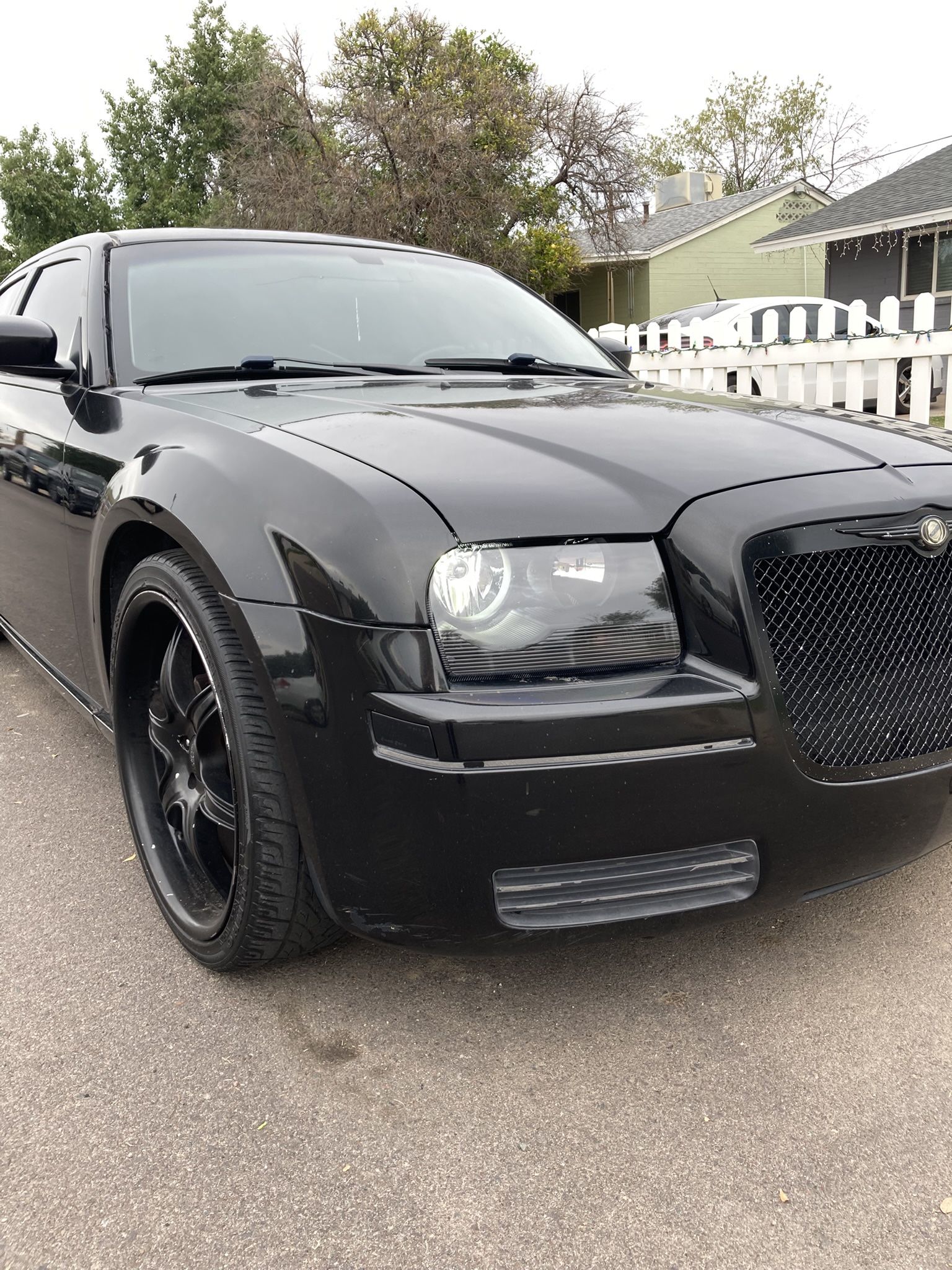
The 2007 Chrysler 300 with the 5.7L HEMI V8 represents a pivotal era in American automotive design, blending aggressive, bold aesthetics with significant raw power. Whether it functions as a sensible powerhouse or unnecessary overkill depends entirely on the owner’s driving habits, maintenance budget, and expectations regarding fuel efficiency versus the visceral satisfaction of large-displacement performance.
The Evolution of the 300 Platform
When the Chrysler 300 debuted for the 2005 model year, it broke the monotony of the mid-2000s sedan market. By 2007, the platform had matured, solidifying its place as a "near-luxury" vehicle that prioritized road presence and torque. The 5.7L HEMI engine was the centerpiece of this identity, offering 340 horsepower and 390 lb-ft of torque.
This engine was designed to propel a heavy, full-size sedan with authority. In the context of 2007, "overkill" often referred to the fuel consumption inherent in a 4,000-pound vehicle equipped with a V8, whereas "powerhouse" described its effortless highway cruising and passing capabilities. The 300 HEMI was not a precision track weapon; it was a grand tourer intended for American highways, built to swallow miles with a distinctive exhaust note.
Understanding the HEMI Architecture
The 5.7L HEMI engine utilized by Chrysler in 2007 is a pushrod V8 featuring a hemispherical combustion chamber design. This design promotes efficient flame propagation, which, when combined with the Multi-Displacement System (MDS), allowed the engine to deactivate four cylinders under light loads.
Powerhouse Features
- High Torque Output: The 390 lb-ft of torque ensures the vehicle feels lively even at highway speeds.
- MDS Efficiency: The ability to run on four cylinders during steady-state cruising was an early, aggressive attempt by Chrysler to mitigate the fuel costs typically associated with large displacement engines.
- Engine Durability: The iron-block architecture is renowned for long-term reliability if the cooling system and oil change intervals are strictly maintained.
The Case for Overkill
- Fuel Consumption: Even with MDS, the 5.7L HEMI is notoriously thirsty in urban traffic. Drivers who commute in heavy city congestion often find the fuel expenditure disproportionate to the actual utility of the V8 power.
- Front-End Weight: The heavy engine places significant strain on the front suspension components, leading to accelerated wear of control arms and bushings compared to the 2.7L or 3.5L V6 variants.
- Complex Maintenance: While the engine is mechanically robust, the integration of MDS adds complexity to the valvetrain that requires specific oil viscosity and consistent service to prevent lifter failure.
Comparative Analysis of 2007 Chrysler 300 Powertrains
To determine if the HEMI is the right choice for your needs, it is essential to compare it against the other available engines from the 2007 lineup.
| Engine | Configuration | Horsepower | Best Use Case |
|---|---|---|---|
| 2.7L V6 | V6 | 190 hp | City commuting, budget-conscious buyers |
| 3.5L V6 | V6 | 250 hp | Balanced daily driving, reliable highway use |
| 5.7L HEMI | V8 | 340 hp | Long-distance touring, performance enthusiasts |
| 6.1L HEMI | V8 | 425 hp | Dedicated high-performance and collector use |
The 5.7L HEMI sits in a unique middle ground. It is significantly more powerful than the V6 options but lacks the raw, unadulterated track-focused aggression of the SRT-8’s 6.1L engine. For the average owner, the 5.7L offers the "powerhouse" experience of a traditional American V8 without the extreme maintenance costs of the high-performance SRT trim.
Prerequisites for Ownership in 2026
As of 2026, finding a 2007 Chrysler 300 HEMI involves navigating the used vehicle market with a focus on deferred maintenance. Because these vehicles were often driven enthusiastically, the following areas require immediate inspection upon acquisition:
- Suspension Health: Inspect the front control arms and tie rods. These components often exhibit play after 100,000 miles due to the weight of the HEMI engine.
- MDS Functionality: Ensure the vehicle enters "Fuel Saver Mode" smoothly. Rough transitions or a ticking sound from the engine bay at idle can indicate failing MDS lifters, a known issue in older HEMI engines.
- Cooling System Integrity: The 5.7L engine runs hot. Verify that the radiator fans are operating correctly and that there is no sludge in the coolant reservoir, which could indicate a compromised water pump or gasket issues.
- Transmission Performance: The NAG1 (5G-Tronic) transmission paired with the HEMI is generally durable, but check for smooth engagement in higher gears, as a flaring transmission is a costly repair that often outweighs the vehicle's residual market value.
The Financial Reality of the HEMI
When weighing whether the HEMI is overkill, one must consider total cost of ownership. Beyond the purchase price, you are committing to higher-than-average fuel consumption. By 2026 standards, where fuel prices are volatile, the HEMI engine requires a commitment to premium or high-quality mid-grade fuel, and its thirst for oil is well-documented.
Owners should treat the HEMI not just as a vehicle, but as a hobby. The "powerhouse" benefit is realized only if you value the driving experience over strict economic efficiency. If your primary goal is A-to-B transportation, the 3.5L V6 is the logical choice. If your goal is a classic American cruiser aesthetic with the ability to "light up the tires" on demand, the HEMI is the only choice that satisfies that specific desire.
Common Mistakes When Purchasing
One of the most frequent errors potential buyers make is failing to check for "sludge" or carbon buildup. Because the 5.7L HEMI uses an EGR (Exhaust Gas Recirculation) system, carbon deposits can accumulate in the intake manifold. Neglecting this leads to engine performance degradation and potential misfires.
Another mistake is ignoring the tire budget. The HEMI’s high torque output, especially in rear-wheel-drive configurations, can burn through rear tires quickly if the driver is not disciplined. Factor in the cost of high-performance rubber when calculating your annual maintenance budget.
Frequently Asked Questions
Is the 5.7L HEMI engine reliable for a daily driver in 2026?
Yes, provided it has been maintained. The iron-block 5.7L is capable of exceeding 200,000 miles if oil changes are performed every 3,000 to 5,000 miles and if the cooling system is kept in top condition. However, be prepared for potential valvetrain noise related to the MDS system.
Does the 2007 Chrysler 300 HEMI require premium fuel?
Chrysler specified that 89 octane (mid-grade) is the recommended fuel for the 5.7L HEMI to achieve its rated power. While it can run on 87 octane due to knock sensors, doing so will result in reduced performance and potentially lower fuel economy, negating the cost savings of the cheaper gas.
How does the 2007 HEMI compare to modern V8 engines?
Modern V8s from 2026 offer significantly higher horsepower-per-liter and better fuel management systems. The 2007 HEMI is a "primitive" powerhouse—it provides a visceral, mechanical feeling of torque that modern, turbocharged, or complex computer-controlled engines often lack.
Is the Chrysler 300 HEMI difficult to repair?
Engine-wise, it is relatively straightforward for a V8, but the engine bay is cramped. Accessing the rear spark plugs or the alternator can be more time-consuming than in smaller vehicles. Parts availability remains excellent because this specific HEMI engine was used across the Dodge and Chrysler lineup for many years.
What is the most common failure point on the 2007 model?
The most common structural failure is the front suspension bushings and the aforementioned MDS lifter failure. Both are well-documented, and numerous aftermarket solutions exist to resolve these issues permanently.
Final Recommendation
The 2007 Chrysler 300 HEMI is a powerhouse for those who appreciate the dying art of the heavy, V8-powered American sedan. It is not "overkill" if you prioritize the sensory experience of driving—the exhaust note, the highway passing power, and the iconic styling. However, if your priority is economy, simplicity, and low-cost maintenance, the HEMI will feel like unnecessary overkill. For the best ownership experience, purchase a well-documented example, set aside a contingency fund for front-end suspension work, and enjoy it for the highway cruiser it was designed to be.