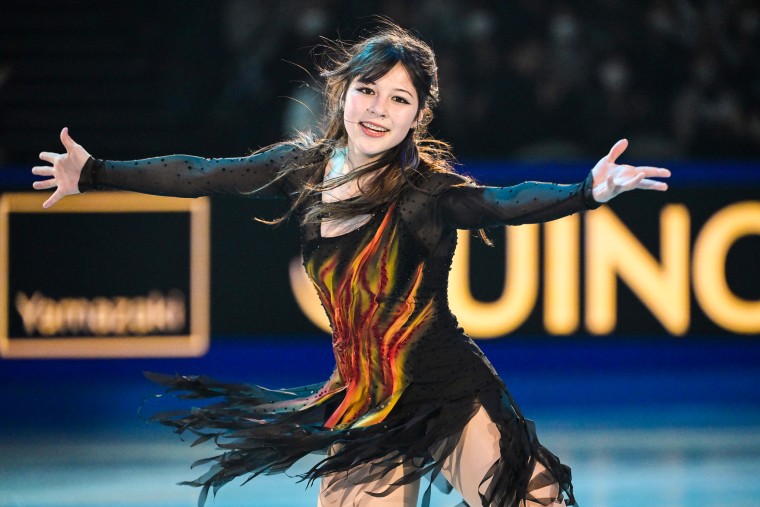
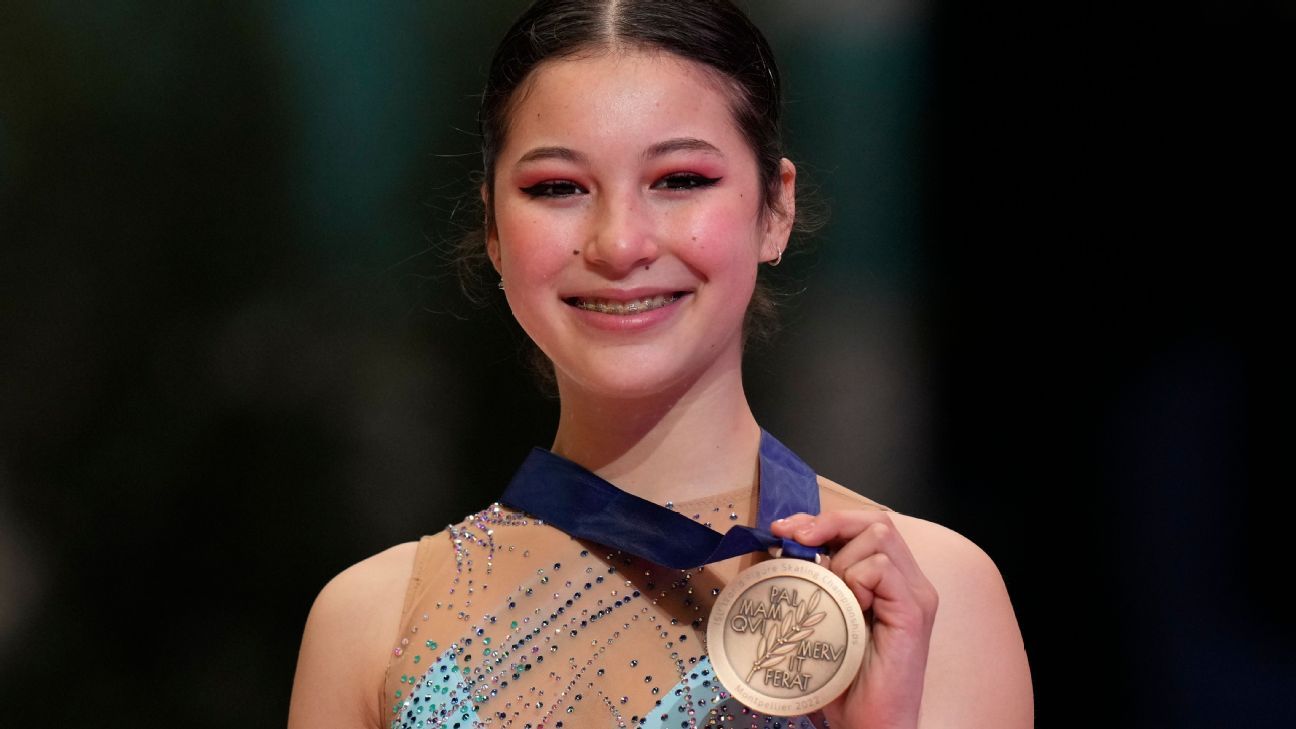
Alysa Liu’s rise to prominence in international figure skating serves as a benchmark for technical progression and competitive consistency within the sport. Between her historic national titles and her transition into the senior international circuit, Liu demonstrated a mastery of high-difficulty elements and artistic development that defined her career. By examining her trajectory through 2026, one gains a comprehensive understanding of how a singular talent navigated the rigorous demands of domestic dominance and global performance, ultimately setting a new standard for excellence in women’s figure skating.
The Early Surge: Domestic Dominance and Record-Breaking Achievements
Alysa Liu’s professional trajectory is inseparable from her rapid ascent within the United States Figure Skating landscape. In 2019, at the age of 13, she became the youngest woman in history to win the U.S. national senior title, a record that remains a testament to her precocious technical abilities. This victory was not merely a result of artistic flair; it was anchored in her ability to execute high-difficulty jumps, including the triple axel, which at the time was rarely seen in the junior and early senior women’s categories in the United States.
Her second national title in 2020 solidified her status as the preeminent skater of her generation in the country. During this period, Liu focused on increasing her technical complexity, incorporating multiple triple axels into her programs and experimenting with quad lutzes. The tactical approach to these early years involved balancing raw athletic output with the stamina required for international scoring systems. Her ability to consistently land these high-difficulty elements under the scrutiny of the ISU judging system provided a blueprint for other young skaters aiming for the elite senior level.
Technical Proficiency and the International Transition
Transitioning from domestic to international competition requires more than just technical precision; it demands an understanding of the International Skating Union (ISU) grading criteria. As Liu moved into the senior international circuit, her competitive record became a reflection of her adaptation to these standards. The judges often prioritize components—skating skills, transitions, performance, composition, and interpretation—alongside the technical elements (jumps, spins, and footwork).
During her peak competitive years, Liu’s programs were structured to maximize the base value of her technical elements. This involved rigorous training in the mechanics of jump rotation and take-off transitions. She utilized a high-frequency training schedule to ensure that even under physical fatigue, her edges remained deep and her rotations stayed tight. Her competitive record shows a distinct evolution, where early-career reliance on pure jump power shifted toward a more nuanced, holistic approach to program composition, integrating complex sequences that bridged the gap between raw athleticism and expressive performance.
Key Milestones in the Competitive Record
The following table highlights the pivotal moments and achievements that defined Alysa Liu’s competitive presence during her most active years.
| Milestone Date | Achievement | Significance |
|---|---|---|
| January 2019 | U.S. National Champion | Youngest skater to win the senior women's title at age 13. |
| January 2020 | U.S. National Champion | Successfully defended her title with consistent triple axel execution. |
| March 2022 | World Championship Bronze | Secured her first major international senior podium finish. |
| 2022 | Olympic Participation | Represented the United States, finishing in the top tier of international competitors. |
| March 2022 | Retirement Announcement | Stepped away from competitive skating to pursue personal interests. |
Understanding the Scoring Mechanics: Why Difficulty Mattered
To understand why Liu’s record is so significant, one must look at the transition in scoring. In the years Liu was most active, the "Grade of Execution" (GOE) and the base value of jumps were critical differentiators. Liu’s inclusion of the triple axel was a strategic move designed to create a "cushion" in her technical score.
When a skater attempts a high-risk jump, they risk a significant deduction if they fall or under-rotate. Liu’s consistency during the 2019–2020 seasons was noteworthy because she managed to maintain a high conversion rate for these difficult jumps. This consistency forced the rest of the field to elevate their own technical content, effectively pushing the entire sport toward a higher ceiling of athleticism. Her role in this era was that of a pioneer who demonstrated that high-risk, high-reward skating could be sustained over multiple domestic cycles.
Strategic Preparation and Competitive Consistency
The preparation required to maintain such a high competitive record involves a multifaceted approach to training that extends beyond the ice. Elite skaters like Liu must manage extreme physical loads, requiring specialized strength and conditioning programs. These programs are designed to prevent common figure skating injuries—specifically those involving the hips, knees, and ankles—while maintaining the explosive power needed for take-offs.
Mental conditioning is an equally vital component of this record. The pressure of competing at the national and international levels requires a high degree of emotional regulation. Liu’s ability to remain composed in the "kiss and cry" area, regardless of the score, was often cited by analysts as a marker of her maturity. This emotional consistency translates directly to the ice; skaters who are unable to manage stress often see a degradation in their program components due to stiffness or lack of presence.
The Impact of International Judging Trends
By 2022, the landscape of figure skating had shifted. Changes to the ISU regulations began to place a higher premium on "program component scores" (PCS) relative to the pure technical score. This adjustment was intended to prevent the sport from becoming purely about jumping, ensuring that choreography and interpretation held equal weight.
Liu’s adaptation to these shifting standards is clear in her later competitive performances. She began to prioritize intricate footwork sequences and smoother transitions between elements, aiming to satisfy the technical panels and the judges who score the program’s artistry. This period of her career demonstrates the necessity for adaptability. A competitive record is not just about the medals won, but the capacity of an athlete to modify their style in accordance with the changing aesthetic and technical demands of their sport.
Frequently Asked Questions (FAQ)
What made Alysa Liu’s 2019 national win so significant?
The victory was historic because she was only 13 years old, making her the youngest woman ever to claim the U.S. senior women’s title. This accomplishment was underscored by her successful landing of the triple axel, a jump that had not been a staple of the American women’s field at that time, signaling a shift toward higher technical requirements in U.S. skating.
How did Alysa Liu adapt her training as she moved to the senior level?
Moving from junior to senior competition required a transition from focusing solely on high-value jump elements to developing a comprehensive program. She worked extensively on "components" such as skating skills and performance art, ensuring her routines were not just athletic feats but complete, cohesive artistic presentations that aligned with international judging expectations.
Why is the triple axel considered a turning point in her career?
The triple axel is an extremely difficult jump because it requires three-and-a-half rotations and takes off from a forward edge. By mastering this, Liu forced her competitors to increase their technical output. It became a hallmark of her early competitive identity and allowed her to establish a scoring advantage that was difficult for peers to overcome without matching that level of risk.
What did the 2022 World Championship bronze medal signify for her?
The bronze medal represented her successful integration into the top-tier international senior circuit. It verified that her technical development and domestic success were transferable to the global stage, proving she could perform under the intense pressure of a World Championship environment against the world’s best skaters.
How does the ISU judging system impact a skater’s competitive longevity?
The ISU system rewards both technical base value and execution. As regulations evolve, older skaters often find it difficult to maintain the required jump difficulty while also refining the artistry required for higher component scores. This balance of physical intensity and technical growth is the primary driver of career progression and, ultimately, the decision to retire.
Next Steps for Aspiring Competitive Skaters
For those looking to analyze or follow in the footsteps of high-performance athletes like Alysa Liu, the most practical approach is to study the technical score sheets (protocols) from major events. These documents, available via official ISU archives, provide a granular view of how individual elements are scored. Understanding the relationship between base value, grade of execution, and program components is essential for any observer or participant wanting to grasp the mechanics of competitive success.
Additionally, tracking the evolution of a skater's programs—specifically how they transition from novice to senior-level artistry—offers valuable insight into the developmental cycles required for elite performance. Future progress in the sport is almost certainly tied to the continued refinement of this balance between power and poise.