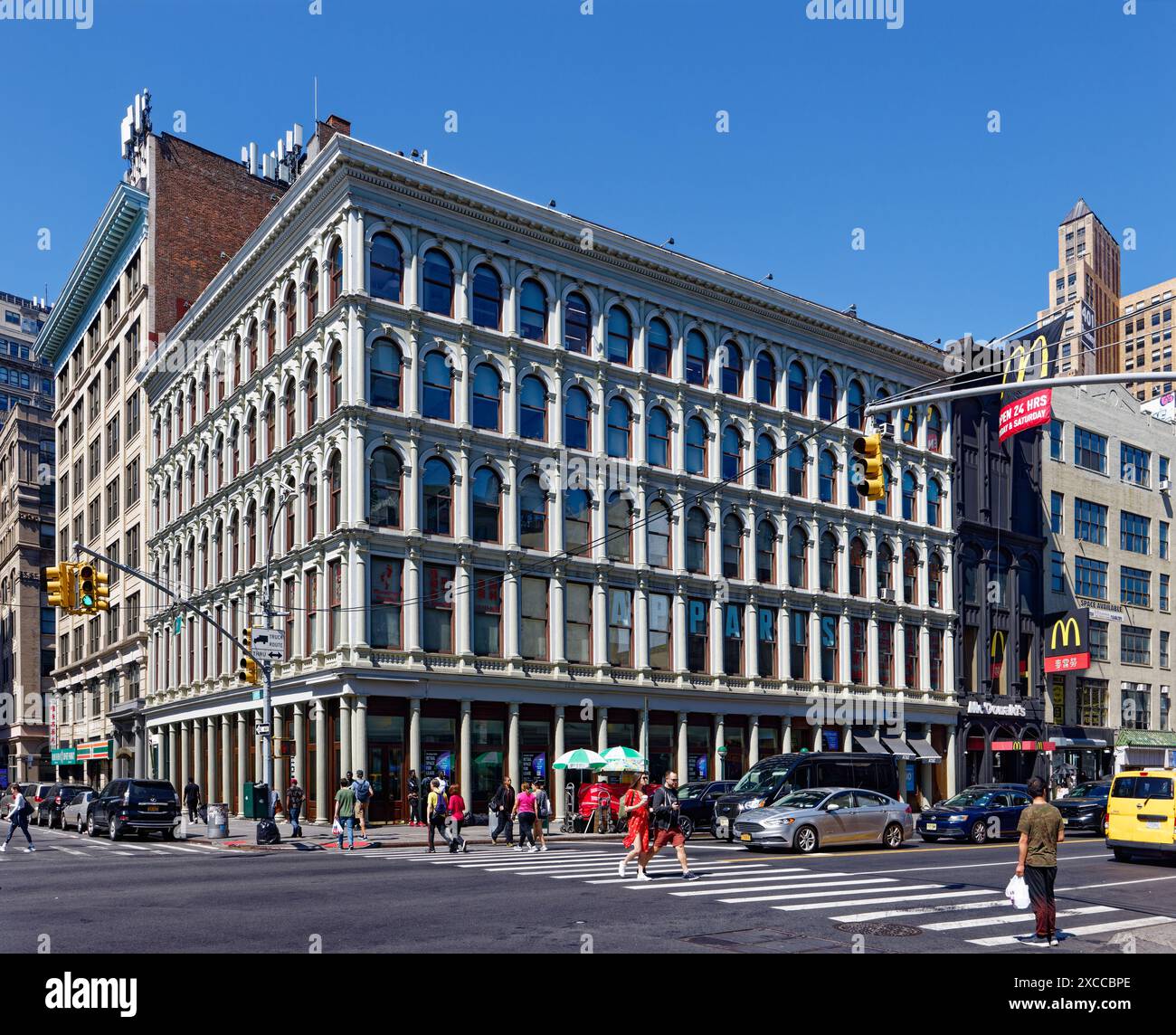
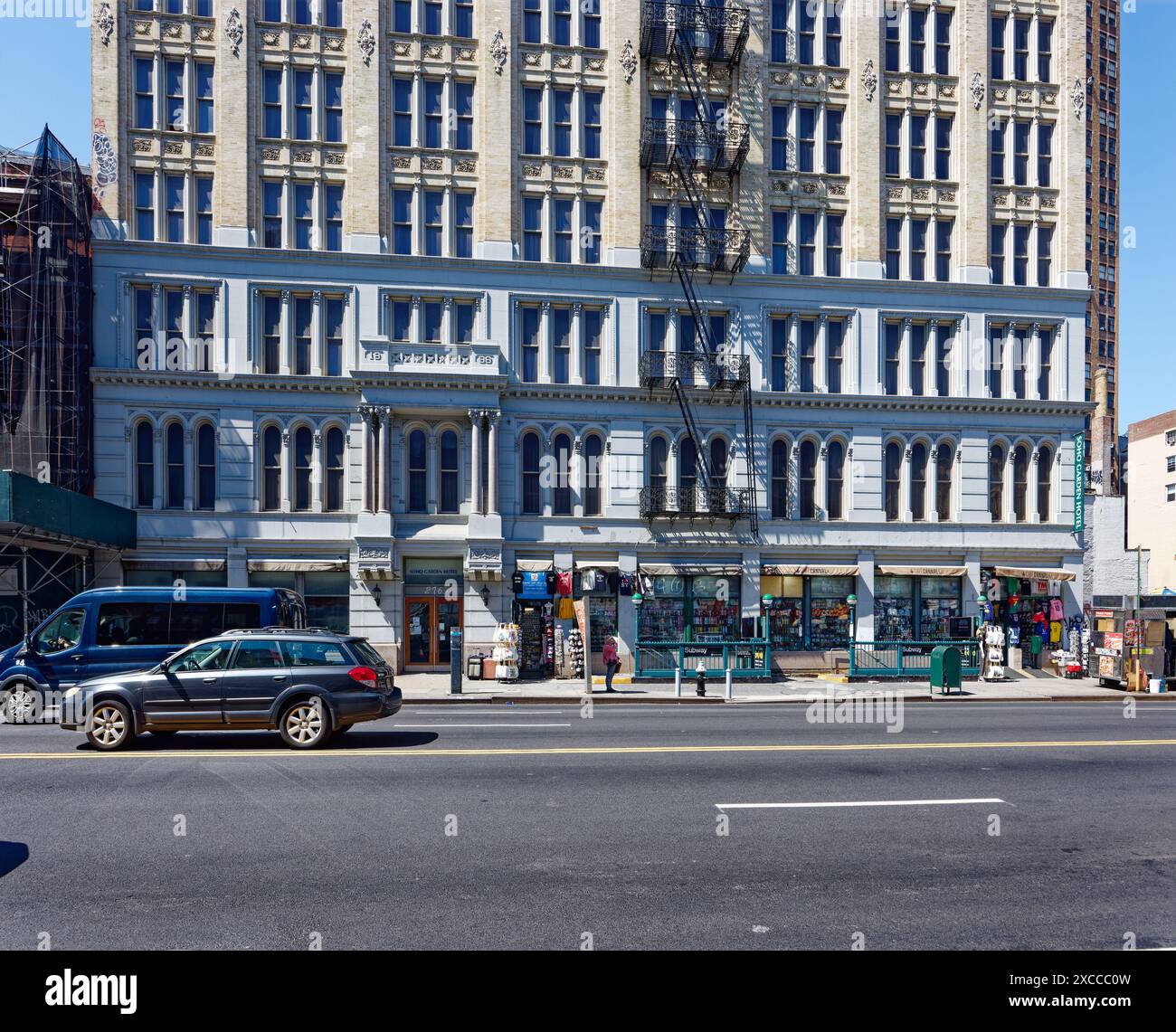
145 Canal Street is an 11-story commercial building in Manhattan’s Chinatown that gained international notoriety for a severe structural tilt. Often dubbed New York City’s "Leaning Tower," its shifting foundation led to emergency evacuations and extensive legal battles, eventually making it a symbol of the neighborhood’s complex architectural, regulatory, and geological challenges.
The narrative of 145 Canal Street is one of structural vulnerability meeting urban ambition. Located at the bustling intersection of the Chinatown jewelry district and the Lower East Side, this building transitioned from a standard commercial hub into a high-stakes engineering crisis. By 2026, the site serves as a cautionary tale for developers and a focal point for discussions on urban safety, soil stability, and the preservation of neighborhood character. Understanding how this landmark shifted—both physically and in the public consciousness—requires a deep dive into the engineering failures and the regulatory response that defined its recent history.
The Architectural Roots of 145 Canal Street
Before it became known for its lean, 145 Canal Street was a typical representative of early 20th-century commercial architecture in Lower Manhattan. Constructed during a period of rapid expansion in the neighborhood, the building was designed to accommodate the dense, high-traffic needs of the jewelry and wholesale trades.
Architecturally, the structure utilized a steel frame with masonry cladding, a standard for the era that provided durability but lacked the flexibility of more modern, reinforced concrete systems. For decades, it housed a variety of tenants, primarily small businesses, jewelry showrooms, and professional offices. Its location is strategically significant, sitting on a primary thoroughfare that connects the Manhattan Bridge to the Holland Tunnel, making it one of the most visible corners in the city.
However, the building’s history is inextricably linked to the geography of the area. Lower Manhattan’s soil composition is notoriously complex, consisting of varying layers of silty sand, organic clay, and high water tables. These conditions require meticulous foundation work, a factor that became the building's undoing when modern construction began on the adjacent lots.
The "Leaning" Crisis: A Structural Timeline
The physical "shifting" of 145 Canal Street was not a sudden event but a gradual failure that accelerated into a crisis. The instability was primarily attributed to the excavation and construction activities at the neighboring site, 139-141 Canal Street. As developers sought to erect a new hotel and residential complex, the disruption to the surrounding soil caused the foundation of 145 Canal Street to settle unevenly.
In late 2022 and throughout 2023, the tilt became visible to the naked eye. Engineering surveys confirmed that the building was leaning several inches to the west. By the time the NYC Department of Buildings (DOB) issued its most severe warnings, the tilt at the roofline was estimated to be significantly out of plumb, creating an immediate hazard to pedestrians and neighboring structures.
The Mechanism of Soil Displacement
When the adjacent lot was excavated, the lateral support for the soil beneath 145 Canal Street was compromised. In engineering terms, this is often referred to as a failure in underpinning—the process of strengthening and stabilizing the foundation of an existing building during nearby construction. If the underpinning is insufficient or if the soil behaves unexpectedly (such as through "boiling" or shifting due to water table changes), the older building can experience differential settlement, where one side sinks faster than the other.
Regulatory and Legal Confrontations
The shifting of 145 Canal Street triggered a massive regulatory response. The NYC DOB is tasked with ensuring that construction does not endanger the public, and the "Leaning Tower" of Chinatown became a high-priority enforcement case.
The owner of the building, CTW Realty, and the developers of the adjacent site found themselves embroiled in litigation. The primary legal questions revolved around liability:
- Who was responsible for the failed underpinning?
- Did the 145 Canal Street owners ignore early warning signs of settlement?
- Could the building be safely stabilized, or was total demolition the only viable path for public safety?
In 2023, the DOB issued a full Vacate Order, forcing long-standing businesses to shutter their doors overnight. This displacement had a ripple effect across the Chinatown jewelry district, as 145 Canal Street was a central hub for the trade. The legal battle persisted into 2024 and 2025, focusing on the costs of demolition and the loss of business revenue.
The Technical Reality of 145 Canal Street
To understand the scale of the "shifting," it is helpful to look at the building’s specifications and the metrics of its failure. The following table outlines the key data points associated with the structure during its period of peak instability.
| Feature | Specification / Data |
|---|---|
| Building Height | 11 Stories |
| Primary Usage | Commercial (Retail/Office) |
| Primary Structural Material | Steel and Masonry |
| Recorded Tilt (Peak) | Approx. 10–12 inches at the roofline |
| Year of Major Vacate Order | 2022/2023 |
| Adjacency Source of Stress | 139-141 Canal Street Construction |
| Regulatory Status (2026) | Demolished/Redevelopment Zone |
| Soil Type | Silty Sand / Glacial Outwash |
Impact on the Chinatown Community
The "shifting" of 145 Canal Street was more than an engineering anomaly; it was a cultural and economic blow to Chinatown. For generations, Canal Street has served as the backbone of the neighborhood’s economy. The loss of a major commercial building created a physical "missing tooth" in the streetscape.
Displacement of Small Businesses
The tenants of 145 Canal Street were largely small, family-owned jewelry businesses. Unlike large corporations, these entities rely on specific geographic clusters to attract foot traffic and maintain supply chains. When the building was vacated, many of these businesses were unable to find affordable alternative spaces nearby, leading to a permanent loss of local commerce.
Gentrification and Structural Integrity
Many community activists viewed the 145 Canal Street crisis as a byproduct of aggressive gentrification. The push to build modern high-rises in a neighborhood with aging infrastructure often puts older buildings at risk. The "shifting" landmark became a symbol of the friction between the old Chinatown and the new, high-density developments backed by external capital.
The Engineering Solutions: Stabilization vs. Demolition
When a building leans as significantly as 145 Canal Street did, engineers face a binary choice: rectification or deconstruction.
- Rectification (The Italian Model): Techniques similar to those used on the Leaning Tower of Pisa involve soil extraction from the high side or high-pressure grouting on the low side to "level" the structure. However, in the dense environment of Manhattan, this is often prohibitively expensive and technically risky.
- Controlled Demolition: Given the age of 145 Canal Street and the extent of its structural compromise, the city eventually leaned toward demolition. This process is complex, requiring floor-by-floor dismantling rather than an implosion, to ensure that the "lean" does not cause an uncontrolled collapse onto the Manhattan Bridge approach.
By 2026, the physical structure of 145 Canal Street has largely been addressed, but the site remains a focal point for engineering students and urban planners who study the case to prevent similar failures in other historic NYC districts.
Lessons for Urban Property Owners
The saga of 145 Canal Street offers several critical lessons for property owners and developers in 2026. Urban environments are dynamic, and the health of one building is inextricably linked to the activities on neighboring lots.
- Pre-Construction Surveys: Owners must insist on rigorous pre-construction surveys of their properties before a neighbor begins excavation. This includes high-resolution photography and the installation of crack monitors and tilt sensors.
- Independent Engineering Overwatch: Relying solely on the neighbor’s engineers for underpinning plans is a risk. Having an independent structural engineer review all plans can prevent catastrophic shifts.
- Insurance and Liability: The 145 Canal Street case highlighted the gaps in standard commercial property insurance regarding "earth movement" caused by third-party construction. Modern policies in 2026 often include specific riders for adjacent-construction damage.
Frequently Asked Questions
Why did 145 Canal Street start leaning?
The primary cause was the destabilization of the soil beneath the foundation, triggered by the excavation of the adjacent lot at 139-141 Canal Street. Inadequate underpinning and the complex soil conditions of Lower Manhattan allowed the building to settle unevenly, resulting in a visible and dangerous tilt.
Is the area around 145 Canal Street safe for pedestrians now?
As of 2026, the immediate hazards have been mitigated through controlled dismantling and the installation of heavy-duty sidewalk sheds and safety netting. The NYC Department of Buildings continues to monitor the site to ensure that the remaining foundation and any new construction activities meet current seismic and stability codes.
What happened to the jewelry businesses that were inside?
Most of the businesses were forced to relocate after the 2022/2023 vacate orders. While some found space in nearby buildings along Bowery or Canal Street, others were forced to close permanently due to the high cost of moving and the loss of their established customer base.
Can a building that is leaning be fixed without being torn down?
Technically, yes, through a process called "jack and bore" or compaction grouting, which involves lifting the settled side. However, for 145 Canal Street, the degree of the tilt and the structural integrity of the aging steel frame made the cost of repair far exceed the value of the building, leading to the decision for demolition.
Who is legally responsible for the damage?
Liability in these cases is typically split between the owner of the construction site where the excavation occurred, the general contractor, and the engineering firm responsible for the underpinning design. Extensive litigation has been required to determine the exact percentage of fault for each party involved in the 145 Canal Street crisis.
How does the NYC Department of Buildings monitor leaning buildings?
The DOB uses a combination of on-site inspections, laser-based telemetry, and tiltmeters. If a building is found to be "out of plumb" beyond a specific tolerance (usually based on its height and material), a vacate order is issued, and a monitoring plan must be submitted by a licensed professional engineer.
Recommended Actions for Local Residents and Owners
For those living or working near 145 Canal Street, or those owning property in areas with active construction, the following steps are essential:
- Monitor Your Structure: If you notice new cracks in interior plaster, doors that no longer close properly, or windows that stick, report these to the NYC Department of Buildings immediately. These are early signs of settlement.
- Review Underpinning Agreements: If a neighbor requests an "access agreement" for construction, do not sign it without a thorough review by a real estate attorney and a structural engineer. This agreement should clearly define the protections for your building.
- Stay Informed on Local Development: Use the NYC Zoning and Application Portal (ZOLA) to track upcoming developments in Chinatown and the Lower East Side that may impact soil stability in your immediate vicinity.