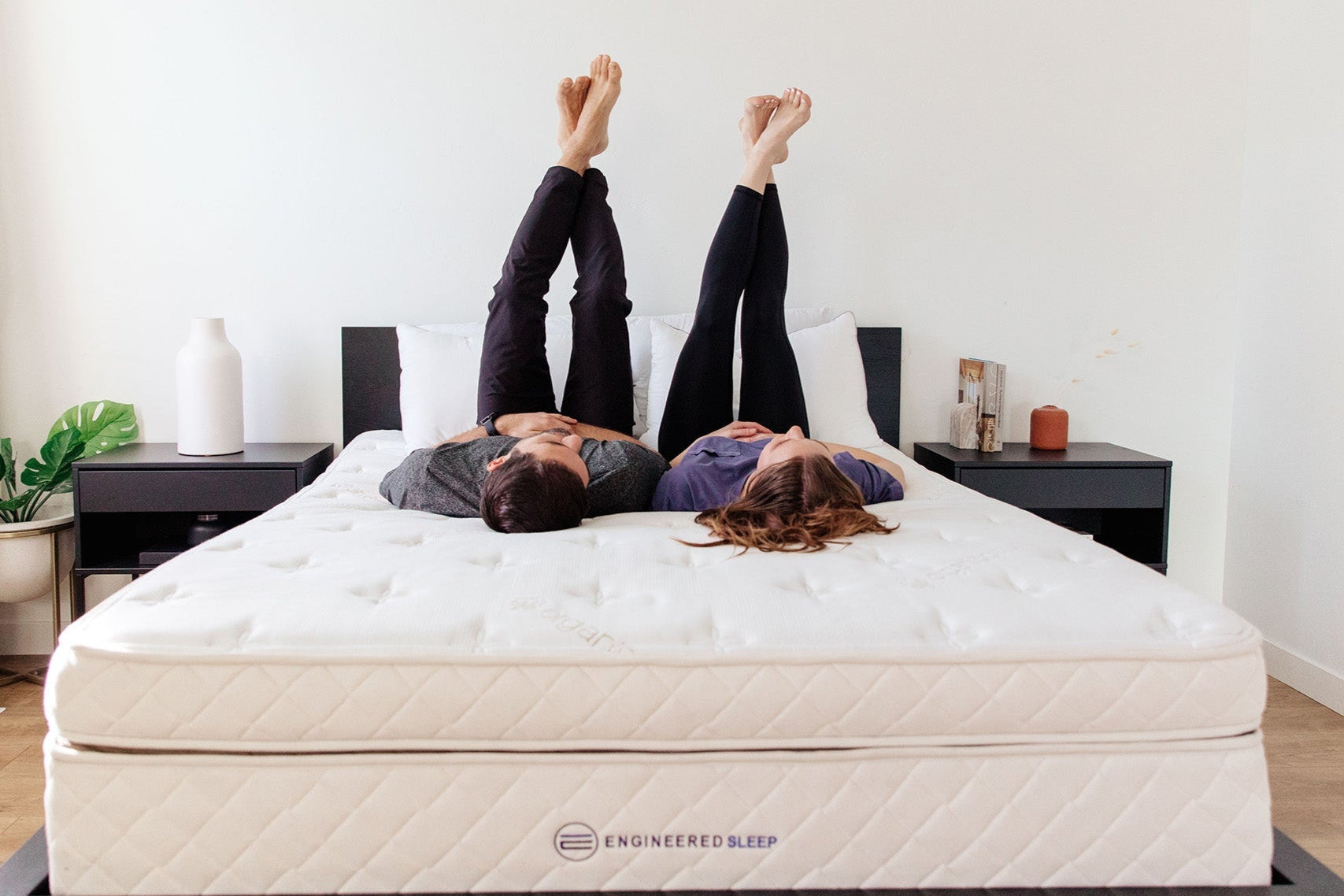
Evaluating 100 sleep mattress reviews requires looking beyond high star ratings to identify recurring patterns in comfort, edge support, temperature regulation, and durability across different sleeping positions. By categorizing feedback by sleeper weight, pain points, and material construction, shoppers can extract objective truths from subjective consumer experiences and select a mattress that meets their exact ergonomic needs.
Understanding the Landscape of Mattress Reviews
The modern mattress market is flooded with digital evaluations, expert roundups, and consumer testimonials. When a prospective buyer encounters a collection of 100 sleep mattress reviews, the sheer volume of information can quickly cause decision fatigue. To make sense of this data, it helps to understand why individual experiences vary so widely. A mattress that feels plush and supportive to a lightweight side sleeper might feel uncomfortably soft and unsupportive to a heavyweight stomach sleeper.
Therefore, reading reviews effectively is not about hunting for a single product with a unanimous five-star score. Instead, it involves isolating patterns that align with your personal sleep profile. By examining how reviewers with your specific body type and preferred sleeping position describe a mattress, you can filter out the noise and focus on how the materials are likely to perform under your body weight.
The Problem of Subjectivity in Sleep Comfort
Comfort is inherently subjective. One person's "firm and supportive" is another person's "rock hard and unforgiving." When analyzing large sets of reviews, look for objective metrics hidden within subjective commentary. For example, if dozens of reviewers mention that they woke up with lower back pain after three weeks, that is a reliable indicator of inadequate lumbar support. Conversely, isolated complaints about a mattress being too warm should be weighed against the reviewer's geographic location, bedroom thermostat setting, and existing bedding materials.
Distinguishing Between Professional Testing and User Feedback
Professional mattress testers typically use standardized pressure-mapping tools, temperature sensors, and motion-transfer meters to evaluate a bed over a structured trial period. Consumer reviews, on the other hand, provide longitudinal data regarding long-term durability, sagging tendencies, and customer service experiences over months or years. A comprehensive purchasing strategy relies on both: professional insights for baseline technical specifications and user reviews for real-world longevity insights.
Key Performance Metrics Evaluated in Mattress Reviews
When aggregating and analyzing mattress feedback, specific performance pillars consistently emerge as critical to consumer satisfaction. Understanding these metrics helps you weigh what matters most for your nightly routine.
1. Support and Spinal Alignment
Support refers to how well a mattress keeps the spine in a neutral position, preventing the hips and shoulders from sinking unevenly. Reviews frequently mention whether a bed prevents back pain.
- Side sleepers need pressure relief at the shoulder and hip joints.
- Back sleepers require a balance of contouring and lumbar support.
- Stomach sleepers demand a firm surface to prevent the pelvis from sinking, which strains the lower back.
2. Motion Isolation
For couples and pet owners, motion isolation measures how well a mattress absorbs kinetic energy. Memory foam and high-density polyfoam generally excel here, preventing a partner's restless movements or getting out of bed from disturbing the other person. Traditional innerspring mattresses with interconnected coils typically score lower in this category unless they feature individually pocketed coils.
3. Temperature Regulation (Sleeping Cool)
Heat retention is one of the most common complaints in mattress feedback, particularly with dense memory foam beds. Reviews will often highlight whether a mattress traps body heat. Look for mentions of cooling gel infusions, open-cell foam structures, phase-change materials, or hybrid designs that allow air to circulate freely through a pocketed coil support layer.
4. Edge Support
Edge support determines whether you can use the entire surface of the bed without feeling like you are rolling off, as well as how stable the perimeter is when sitting on the edge to put on shoes. Strong edge support is particularly crucial for couples sharing a smaller mattress size or individuals with mobility issues.
Analyzing Material Types Through Consumer Feedback
Different mattress constructions react differently to wear and tear over time. Review patterns vary significantly depending on whether the mattress is built from memory foam, latex, innersprings, or a hybrid combination.
| Mattress Type | Primary Material Composition | Typical Feedback Strengths | Common Consumer Complaints | Average Lifespan |
|---|---|---|---|---|
| Memory Foam | Viscoelastic polyurethane foam | Excellent pressure relief, superior motion isolation | Heat retention, lack of edge support, initial off-gassing | 6–8 years |
| Innerspring | Steel coil support system with thin comfort layers | Strong bounce, excellent airflow, reliable edge support | Motion transfer, sagging over time in cheap models | 5–7 years |
| Hybrid | Pocketed coils topped with foam, latex, or micro-coils | Balanced support, good airflow, adaptive contouring | Higher price point, heavier weight to move | 7–10 years |
| Latex | Natural or synthetic rubber sap | Responsive bounce, cooling properties, high durability | Firm initial feel, expensive, heavy to handle | 10–12+ years |
Spotting Red Flags and Verified Insights in Large Review Sets
When reading through dozens or hundreds of reviews, certain patterns should alert you to potential marketing bias or genuine manufacturing flaws.
Identifying Incentivized or Biased Reviews
Many mattress brands offer free products, deep discounts, or entry into sweepstakes in exchange for consumer feedback. While incentivized reviews are not automatically fraudulent, they tend to skew more positive than organic feedback from buyers who paid full price. Look for verified purchaser badges and focus heavily on critical reviews (two- and three-star ratings), which usually contain the most balanced, detailed assessments of a product's shortcomings.
Deciphering the "Break-In" Period Phenomenon
A significant percentage of negative reviews stem from consumers who slept on a new mattress for only three to five nights before writing a critique. Most mattress manufacturers require a 30- to 60-day break-in period as new foams soften slightly and the sleeper's body adapts to a new support profile. When reading reviews, pay closer attention to feedback written after the 30-day mark, as these reflect the true long-term feel of the mattress.
Practical Guidelines for Selecting Your Mattress
Synthesizing a large body of reviews into a buying decision requires a systematic approach. Follow these steps to narrow down your options:
- Identify Your Sleep Profile: Note your primary sleeping position (side, back, stomach, or combination) and your body weight category (lightweight, average weight, or heavyweight).
- Prioritize Your Pain Points: Determine whether you struggle with chronic back pain, overheating, partner disturbance, or joint pressure.
- Filter Reviews by Profile: Search review platforms for keywords matching your profile (e.g., "side sleeper back pain" or "hot sleeper") to see how similar users fared.
- Scrutinize Warranty and Trial Terms: Ensure the mattress comes with at least a 100-night sleep trial and a 10-year warranty to protect your investment.
Frequently Asked Questions
How many mattress reviews should I read before making a purchase?
Reading between 30 and 50 detailed reviews across multiple independent platforms is usually sufficient to identify consistent patterns regarding comfort, durability, and customer service. Reading hundreds of reviews is rarely necessary once recurring themes in support and temperature begin to repeat.
Why do some identical mattresses receive vastly different review scores?
Discrepancies usually stem from differing body weights and sleeping positions. A mattress designed for lightweight sleepers will receive poor reviews from heavyweight consumers who experience excessive sinkage and lack of support.
Are online mattress-in-a-box reviews reliable?
Yes, provided you look for verified purchaser reviews on independent review sites rather than relying solely on testimonials hosted on the manufacturer's official landing page. Independent platforms capture a broader range of unedited experiences, including return and warranty claims.
What should I do if a highly reviewed mattress feels uncomfortable after purchase?
Utilize the manufacturer's sleep trial period. Most companies require you to keep the mattress for a minimum mandatory break-in window (typically 30 days) before initiating a return or exchange. If discomfort persists past 45 days, contact customer support to process a return or swap for a firmer or softer model.
Conclusion and Next Actions
Navigating 100 sleep mattress reviews successfully requires moving past star averages and focusing directly on how specific materials interact with your body weight and sleep habits. Filter feedback through the lens of your personal sleeping position and pain management needs, paying close attention to long-term durability reports rather than initial impressions. Begin your search by isolating three candidate models that match your firmness requirements, verify their sleep trial terms, and cross-reference user feedback with professional testing insights to make a confident purchase.