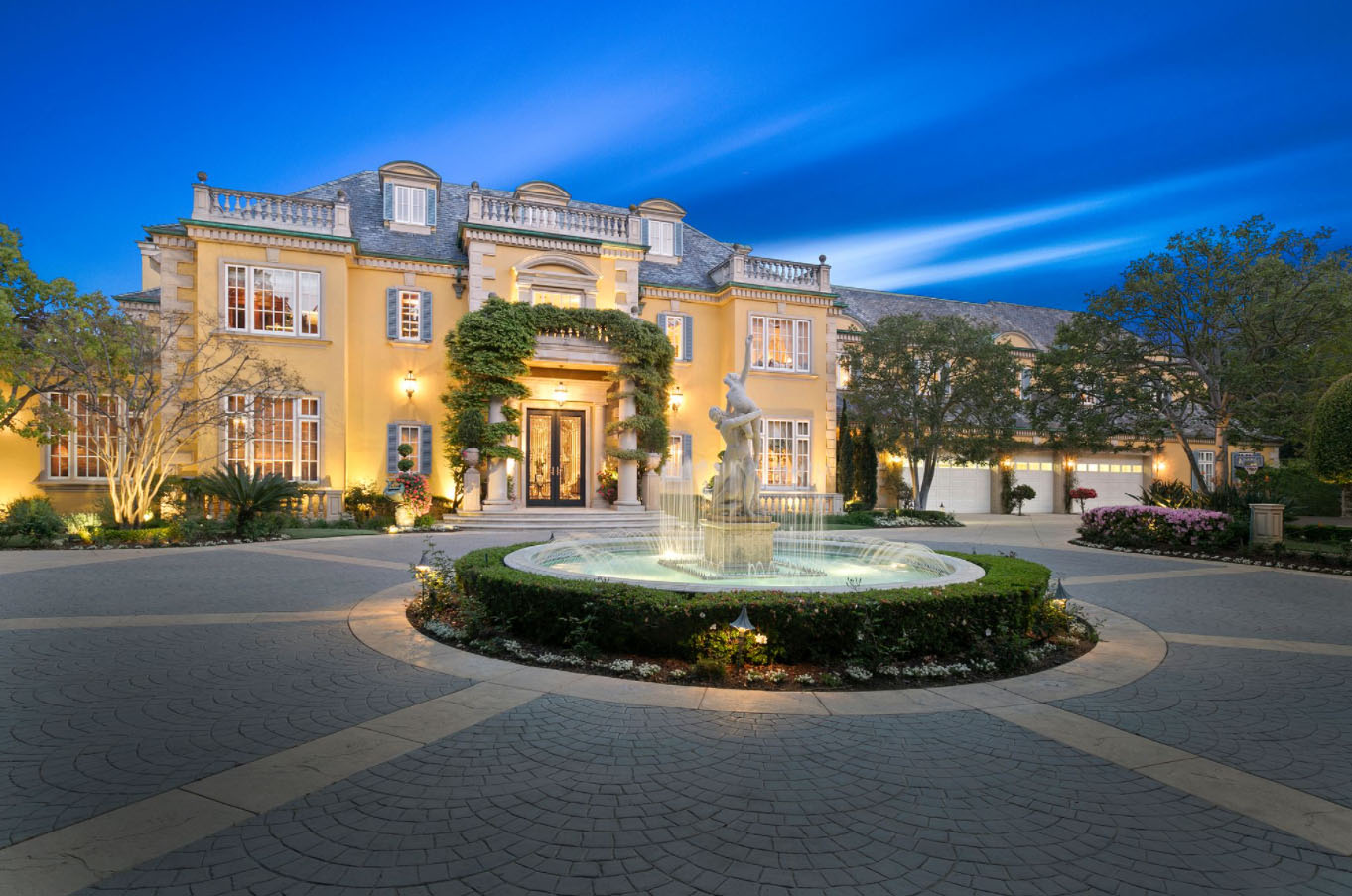
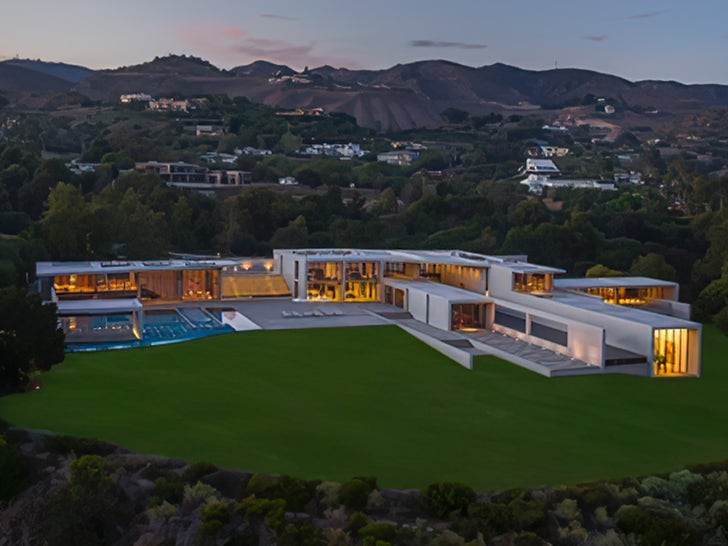
A 100 million mansion represents the absolute pinnacle of ultra-luxury real estate, combining world-class architectural design, hyper-exclusive locations, bespoke craftsmanship, and unprecedented private amenities to serve the world's wealthiest buyers.
The ultra-luxury real estate market operates under entirely different economic, architectural, and social rules than standard residential housing. While a standard luxury home might feature high-end finishes and a desirable zip code, a 100 million mansion exists in an ultra-exclusive echelon where homes are treated as fine art, secure family compounds, and generational assets. These properties are rarely found in traditional suburban neighborhoods; instead, they anchor prestigious global enclaves such as Beverly Hills, Bel-Air, Aspen, Manhattan, Palm Beach, the French Riviera, and London's prime central districts.
Entering this stratosphere of real estate requires an understanding of what truly defines a nine-figure valuation. It is not merely square footage or land size, though both are typically expansive. Rather, it is the convergence of architectural provenance, state-of-the-art engineering, ultra-secure privacy measures, and custom-tailored lifestyle amenities that cannot be replicated. Examining these estates reveals the distinct economic realities, structural complexities, and architectural trends that shape the global market for nine-figure homes.
Defining Characteristics of Nine-Figure Estates
What makes a residential property command a price tag in the nine-figure range? At this level, standard appraisal metrics begin to fracture because these homes are unique, bespoke creations. Several core pillars separate a standard luxury property from a true 100 million mansion.
First is the concept of uncompromised location and topography. In ultra-luxury real estate, views, privacy, and land scarcity dictate baseline value. A cliffside perch in Malibu overlooking the Pacific Ocean, a sprawling waterfront estate in Palm Beach with direct deep-water dockage, or an elevated promontory in Bel-Air with 360-degree views of the Los Angeles basin provides a geographic moat that cannot be duplicated. Because land in these prime corridors is finite, the dirt itself commands a substantial portion of the overall valuation.
Second is architectural pedigree and construction quality. Many nine-figure mansions are designed by internationally renowned architecture firms—such as SAOTA, Olson Kundig, or legendary modernist masters—and built over the course of five to seven years. They incorporate rare, globally sourced materials: Italian Calacatta marble, hand-forged bronze fixtures, centuries-old reclaimed oak, and specialized structural glass panels engineered to withstand extreme weather while maintaining uninterrupted sightlines.
Key Architectural and Structural Elements
- Subterranean Engineering: Due to zoning restrictions or topography, a significant portion of a 100 million mansion is often built underground. This allows for massive subterranean vehicle galleries, commercial-grade catering kitchens, bowling alleys, and screening rooms without increasing the home's above-ground visual footprint.
- Integrated Wellness Wings: Modern ultra-luxury estates frequently feature entire wings dedicated to health and longevity, including cryotherapy chambers, Himalayan salt rooms, Olympic-length indoor pools, and fully equipped medical-grade spa facilities.
- Advanced Building Management Systems: Smart home technology at this scale goes far beyond automated lighting. These properties utilize military-grade building automation systems that control climate zones down to the individual room, monitor structural integrity, manage greywater recycling, and integrate biometric security access.
Global Hotspots for Nine-Figure Real Estate
The distribution of 100 million mansions is heavily concentrated in specific global wealth hubs. Wealth migration, tax policies, lifestyle preferences, and geopolitical stability heavily influence where billionaires choose to anchor their primary and secondary residential portfolios.
| Region / City | Primary Neighborhoods | Key Value Drivers | Typical Architectural Style |
|---|---|---|---|
| Los Angeles, USA | Bel-Air, Holmby Hills, Beverly Hills, Malibu | Promontory views, celebrity provenance, indoor-outdoor California lifestyle | Contemporary glass-and-steel, modern Mediterranean, grand European chateau |
| London, UK | Kensington, Mayfair, Knightsbridge | Historic significance, diplomatic proximity, architectural heritage | Period Georgian and Victorian stucco townhouses, ultra-modern subterranean rebuilds |
| New York City, USA | Billionaires' Row (Manhattan), Upper East Side | Central Park views, vertical penthouses, architectural engineering marvels | Supertall glass towers, limestone neo-classical mansions |
| South Florida, USA | Palm Beach, Star Island (Miami) | Direct waterfront access, tax advantages, deep-water yacht dockage | Modern tropical, Mediterranean revival, coastal contemporary |
| French Riviera | Cap d'Antibes, Saint-Jean-Cap-Ferrat | Mediterranean coastline, privacy, historic European glamour | Belle Époque villas, ultra-contemporary minimalist compounds |
In cities like London and New York, the constraint is vertical space and historic preservation laws. Here, a 100 million mansion is often an ultra-prime penthouse situated atop a supertall residential tower or a meticulously restored historic townhouse where the facade is protected by heritage laws, but the interior has been completely excavated and modernized. Conversely, in Los Angeles and Palm Beach, the footprint is horizontal, featuring multi-acre compounds with sprawling motor courts, tennis courts, and independent guest houses.
Financial Dynamics, Carrying Costs, and Acquisition
Purchasing and maintaining a 100 million mansion involves complex financial structuring that extends far beyond the purchase price. Very few buyers acquire these properties with cash straight from a personal checking account; instead, acquisitions are typically handled through family offices, private trusts, LLCs, and specialized asset-backed financing structures.
The ongoing carrying costs of a nine-figure estate are staggering. Property taxes in prime US jurisdictions like California or Florida can easily run into hundreds of thousands—if not over a million—dollars annually. Furthermore, maintaining a sprawling estate requires a dedicated operational staff, including estate managers, private security details, specialized landscape architects, and housekeeping teams. Insurance premiums for properties located in high-risk wildfire zones in California or hurricane-prone coastal areas in Florida have also risen significantly, adding another heavy layer of operational overhead.
Financing and Structuring Considerations
- Privacy and Anonymity: High-net-worth buyers almost exclusively use blind trusts and single-purpose LLCs to shield their personal identities from public property records, protecting both privacy and personal security.
- Liquidity Management: Wealth advisors often recommend utilizing securities-backed lines of credit (SBLOCs) or specialized jumbo mortgages to acquire real estate while keeping primary capital deployed in higher-yielding investments.
- Tax Planning: Structuring ownership through specific domestic or international trust vehicles can help mitigate estate taxes, gift taxes, and local property transfer levies, though tax laws vary significantly by jurisdiction.
Security, Privacy, and Discretion
In the world of ultra-high-net-worth real estate, privacy and security are not luxury features—they are absolute necessities. A 100 million mansion functions effectively as a private fortress. The integration of security infrastructure must occur during the initial architectural planning phase rather than as an afterthought.
Perimeter security often includes reinforced concrete boundary walls, motion-activated thermal cameras, laser tripwires, and automated license plate recognition (ALPR) cameras monitoring all approach routes. Access control is managed through biometric entry points—such as facial recognition or fingerprint scanners—and gated entry pavilions staffed by private security personnel 24 hours a day.
Inside the residence, secure areas are standard. Panic rooms, or safe rooms, are constructed with ballistic steel doors, independent air filtration systems (protecting against chemical or biological threats), encrypted communication lines, and autonomous power generators. Despite these heavy defensive measures, elite residential architects strive to make these security systems virtually invisible, ensuring the home feels like a tranquil sanctuary rather than an armed bunker.
Frequently Asked Questions
What determines the value of a 100 million mansion?
Value is driven by a combination of land scarcity, prime geographic location, unobstructed views, architectural provenance, construction quality, and the scale of bespoke amenities. Unlike standard residential real estate, comparable sales data is rarely sufficient, so valuation relies heavily on replacement cost and unique market demand among global billionaires.
Are nine-figure homes good investments?
Historically, ultra-prime real estate acts as a capital preservation vehicle and an effective hedge against inflation rather than a high-yield investment. While certain properties appreciate significantly due to limited supply in elite enclaves, carrying costs, property taxes, and high maintenance overhead can eat into potential financial returns.
Who typically buys a 100 million mansion?
Buyers primarily consist of internationally diversified billionaires, tech entrepreneurs, hedge fund founders, legacy family office heirs, and prominent entertainment moguls. These buyers frequently hold multiple properties across global gateway cities and use these estates as primary residences, seasonal retreats, or long-term generational assets.
How long does it take to build a custom nine-figure estate?
Building a 100 million mansion from the ground up typically takes between five and eight years. This timeline accounts for complex zoning approvals, environmental impact reviews, extensive subterranean engineering, sourcing rare global materials, and executing custom interior design and landscape architecture.
How is privacy maintained during the purchase of an ultra-luxury home?
Transactions at this level are heavily guarded by non-disclosure agreements (NDAs) and confidentiality clauses. Buyers generally operate through private attorneys, wealth managers, and specialized buyer's brokers, purchasing the property under anonymous corporate entities to keep their names out of public registries.
Strategic Real Estate Guidance
For prospective buyers, investors, or architectural enthusiasts navigating the upper echelons of the market, approaching a nine-figure property requires a specialized advisory team. Engaging elite buyer's brokers who specialize exclusively in off-market transactions is essential, as many of the world's most valuable homes are never publicly listed on open Multiple Listing Services (MLS). Coupled with specialized legal counsel, tax strategists, and structural engineers, navigating the purchase of a 100 million mansion ensures that the asset is as secure legally and financially as it is architecturally.