The abbreviation "10 pc" most commonly stands for "10 pieces," referring to a collection or bundle of ten distinct items, though its meaning can shift to "10 percent" or specialized technical terms depending on the industry and context.
Introduction to the Term "10 PC"
Language is inherently context-dependent, and abbreviations frequently carry multiple meanings across different industries. When encountering the string "10 pc," many people automatically assume a simple numerical count. However, depending on whether you are examining a retail listing, analyzing a financial report, or reviewing software documentation, the acronym or initialism can represent vastly different concepts.
The primary and most widespread definition of "10 pc" is 10 pieces. This usage dominates retail, manufacturing, culinary arts, and hardware supply. Yet, abbreviations in digital communication and professional shorthand can introduce ambiguity. For instance, "PC" frequently stands for "Personal Computer," leading to potential confusion in technical spaces. Furthermore, financial and statistical contexts occasionally abbreviate "percent" as "pc" or "pct," creating another layer of interpretation.
Resolving these ambiguities requires looking closely at the surrounding text, the industry standard, and the formatting of the measurement. This article explores the core definitions, contextual uses, practical implications, and industry-specific variations of "10 pc," ensuring you can accurately interpret and apply the term in any professional or consumer setting.
The Primary Definition: 10 Pieces (10-PC)
In commercial and manufacturing sectors, "10 pc" or "10-pc" is an exact shorthand for a set containing ten individual units. This definition is ubiquitous in packaging, inventory management, and consumer goods.
Retail and Consumer Goods
When you purchase a cookware set, a screwdriver kit, or a dinnerware collection labeled as a "10 pc set," you are buying a bundle comprising ten separate components. Retailers use this designation to communicate value and scope to the consumer at a glance.
However, the definition of a "piece" can sometimes lead to consumer confusion. For example:
- Cookware and Tableware: In a 10-piece cookware set, lids are frequently counted as individual pieces alongside pots and pans (e.g., five pots and five matching lids equal ten pieces).
- Tool Kits: In a 10-piece wrench or socket set, every individual tool, adapter, and storage rail may count toward the total.
- Apparel and Linens: A 10-piece bedding set might include a comforter, flat sheet, fitted sheet, four pillowcases, and three decorative pillows.
Inventory and Supply Chain Management
In warehousing and logistics, stock-keeping units (SKUs) are often managed in predetermined bundle quantities. Logistics personnel use "10 pc" to denote master packs or inner cartons containing ten items before they are broken down for individual sale. This shorthand reduces documentation time and streamlines physical inventory counts.
Alternative Contextual Uses of "10 PC"
Beyond its physical count definition, "10 pc" or similar variations appear in technical, financial, and digital communication sectors with entirely different meanings.
Computing and Technology
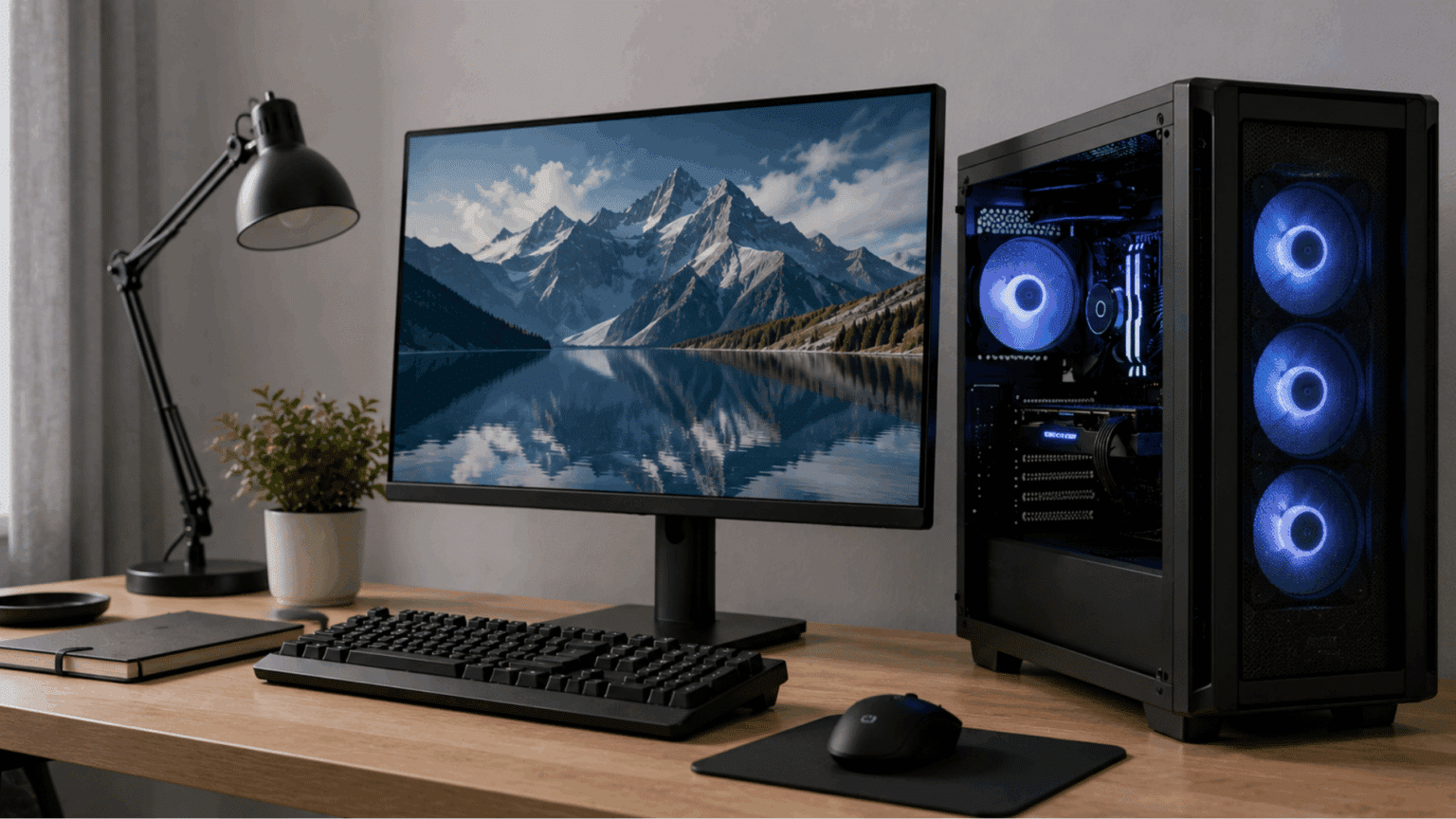
In technology contexts, "PC" almost universally refers to a Personal Computer. While "10 PC" is not a standard standalone technical specification, it can appear in enterprise deployment scenarios, software licensing agreements, or hardware inventories:
- License Pools: An administrator might manage a software license agreement that covers "10 PCs" (ten personal computers).
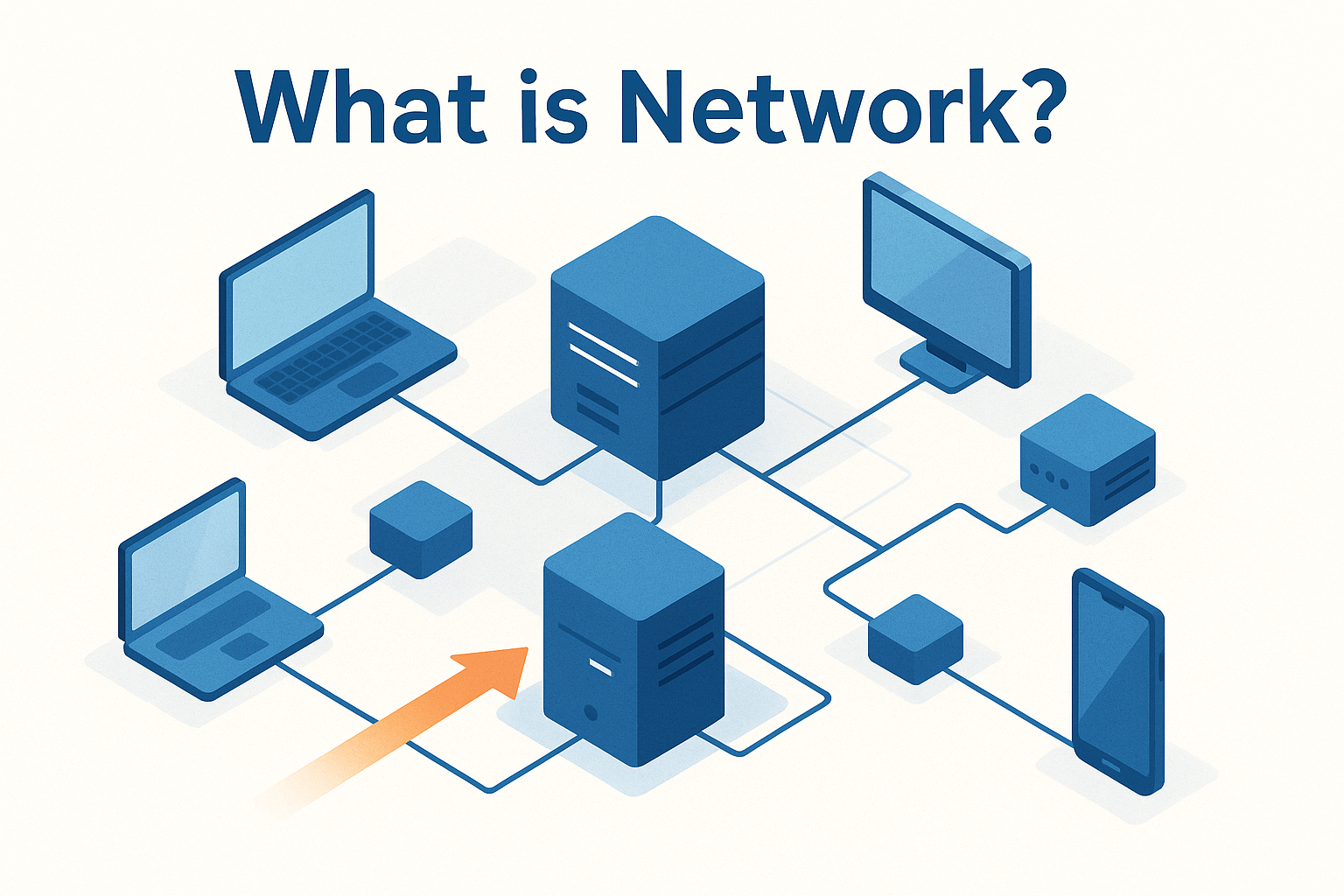
- Network Topology: In small office network configurations, documentation might reference a cluster of "10 PCs" connected to a central switch or router.
Financial and Statistical Shorthand
In older financial ledgers, commercial invoices, or telegraphic shorthand, "pc" or "p.c." has historically been used as an abbreviation for per cent (percent). While modern business writing overwhelmingly prefers the "%" symbol or the full word "percent," legacy documents or specific international trade sectors may still employ "pc."
Therefore, a phrase referencing a "10 pc increase" in a historical trade document typically means a 10 percent increase rather than a 10-piece increase, though context always clarifies the intent.
Comparison of "10 PC" Meanings Across Industries
To help differentiate how the term is applied, the following table outlines the primary interpretations, target industries, and contextual indicators for "10 pc."
| Context / Industry | Interpreted Meaning | Typical Application | Contextual Indicator |
|---|---|---|---|
| Retail & E-commerce | 10 Pieces | Cookware, tool sets, dinnerware, clothing bundles | Accompanied by product descriptions like "set," "kit," or "collection." |
| Logistics & Warehousing | 10 Pieces | Bulk packaging, inner cartons, inventory counts | Found on packing slips, manifest documents, and shelf tags. |
| Information Technology | 10 Personal Computers | Enterprise software licensing, hardware deployments | Associated with workstation counts, network nodes, or OS licenses. |
| Finance & Commerce (Legacy) | 10 Percent | Interest rates, profit margins, tax rates | Found in financial tables, invoices, or economic commentary. |
Evaluating Retail "10-Piece" Sets: Pros, Cons, and Value
Because the retail definition is by far the most common encounter for everyday consumers, evaluating what a "10 pc" product actually delivers is an essential skill for smart purchasing. Manufacturers group items into sets to incentivize bulk buying, but consumers must look past the headline number.
Advantages of Buying 10-Piece Bundles
- Cost Efficiency: Buying items bundled together is almost always cheaper per unit than purchasing each component individually.
- Cohesion and Compatibility: Sets are designed to match aesthetically and functionally, such as cookware pieces designed to nest together or socket sets engineered for specific fastener sizes.
- Convenience: A single purchase provides a comprehensive starter kit for a specific task or room, eliminating the need for multiple shopping trips.
Disadvantages and Limitations
- Filler Items: Manufacturers sometimes include low-value items in a "10 pc" set just to inflate the piece count. For instance, a 10-piece kitchen knife block might feature six steak knives, one chef's knife, one utility knife, a pair of kitchen shears, and a wooden block—meaning half the set consists of steak knives you may not need.
- Quality Disparities: In mixed material sets, core items may be high quality while secondary pieces are cheaply made.
- Storage Challenges: Owning ten pieces requires adequate storage space, which can be burdensome if several items go unused.
Common Misinterpretations and Clarification Strategies
Misunderstanding abbreviations can lead to costly purchasing errors or operational mistakes. When evaluating a reference to "10 pc," consider the following diagnostic steps:
- Examine the Unit of Sale: If you are buying a product online and the price seems exceptionally low for a "10 pc" item, verify whether you are buying ten individual sets or a single set containing ten pieces.
- Check for Punctuation and Spacing: Technical documentation or professional invoices usually format personal computer counts with a space (e.g., "10 PCs") or pluralize the abbreviation, whereas piece counts often drop the plural "s" in shorthand (e.g., "10 pc set").
- Review Surrounding Terminology: Words like bundle, kit, set, count, or pieces strongly signal a physical quantity. Words like rate, interest, discount, or yield signal a percentage.
Frequently Asked Questions
What does 10 pc mean when buying cookware?
When buying cookware, 10 pc means the set includes ten total components. This almost always includes both the cooking vessels (saucepans, stockpots, skillets) and their corresponding lids, meaning a 5-pot set with 5 lids equals 10 pieces. Always check the manufacturer's breakdown list to see exactly which items are included.
Can "10 pc" mean 10 percent?
In modern standard writing, "10 pc" is not the preferred abbreviation for 10 percent; the symbol "%" or the word "percent" is used. However, in older financial texts, international shipping manifests, or shorthand commercial typing, "pc" occasionally stood for "per cent." Context will always reveal whether a quantity or a rate is being discussed.
Why do manufacturers count lids as pieces in tool or cookware sets?
Manufacturers count lids and removable accessories as individual pieces because they are manufactured, packaged, and quality-tested as separate physical items. While consumers often think of a "piece" as a primary cooking vessel or tool, industry standards account for every distinct physical object in the box.
How can I verify what is included in a 10-piece retail bundle?
Always consult the product packaging specification list or the online retailer's "What's in the Box" section. Reputable sellers explicitly itemize every single component—such as specific diameters for pans or specific sizes for wrenches—rather than relying solely on the "10 pc" marketing label.
Conclusion and Practical Next Actions
Interpreting "10 pc" successfully depends entirely on contextual awareness. Whether you are auditing an office network deployment of ten personal computers, calculating a legacy financial figure, or purchasing a 10-piece cookware set for your kitchen, always examine the surrounding nouns and formatting. For consumers purchasing retail goods, look past the headline piece count to inspect the individual components, ensuring the bundle meets your practical needs without unnecessary filler items.