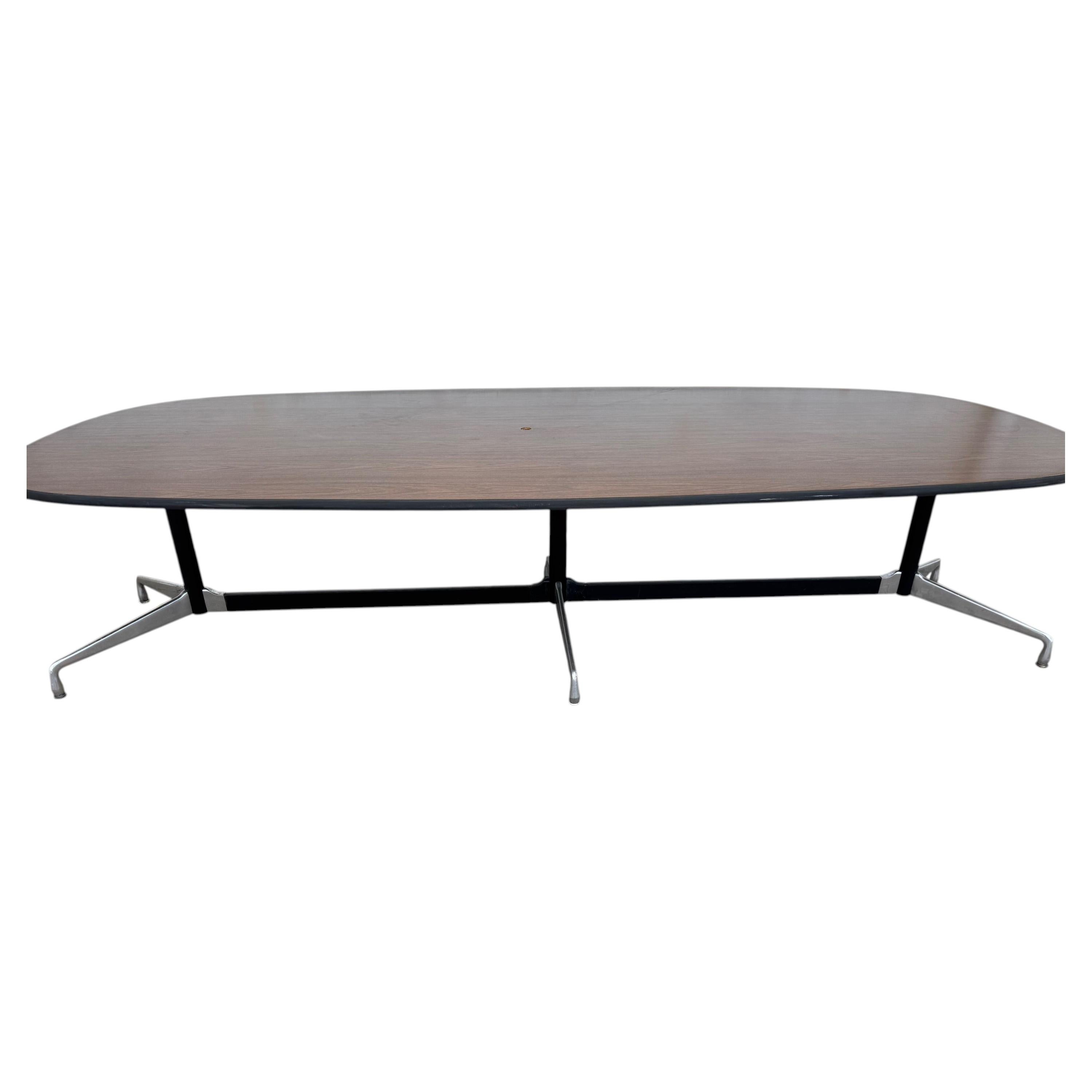
A 10-foot conference table serves as the centerpiece of a mid-sized meeting room, typically accommodating 8 to 10 individuals comfortably depending on chair width and legroom requirements. Choosing the correct unit requires balancing room dimensions, seating capacity, power integration, and material durability to ensure the space remains functional for collaborative work in 2026 office environments.
Understanding Spatial Requirements for a 10-Foot Table
Before purchasing a 10-foot conference table, you must assess the footprint of the meeting room. A common mistake is selecting a table that fits the length of the room without accounting for the necessary clearance for chairs and movement.
For a 10-foot table, the industry standard suggests a minimum clearance of 48 to 60 inches on all sides. This space is essential for pulling chairs out comfortably and allowing participants to walk behind those seated during a presentation. If your room is less than 18 feet long or 14 feet wide, a 10-foot table may lead to congestion. In professional architecture, the goal is to prevent the "tight squeeze" effect that creates friction in high-stakes meetings.
Capacity and Seating Ergonomics
The primary utility of a 10-foot table is to facilitate efficient interaction. While some manufacturers suggest that a 10-foot surface can accommodate up to 12 people, this assumes a very tight configuration. In a standard office setting, 8 people is the "gold standard" for a 10-foot table, providing roughly 30 inches of personal space per user.
When calculating capacity, consider the following:
- The Perimeter Approach: Dividing the total linear perimeter by the chair width.
- The Aesthetic Approach: Maintaining visual symmetry, which usually results in 4 chairs per long side and 1 chair at each head of the table.
- The Tech-Integrated Approach: If the table has bulky power modules or data ports, ensure they do not interfere with the natural placement of legs or chair arms.
Material Selection and Maintenance
In 2026, the market for office furniture is dominated by a mix of traditional wood veneers, high-pressure laminates (HPL), and sustainable engineered composites. Your choice of material should align with the frequency of use and the office brand identity.
Wood Veneer
Veneer offers the warmth and prestige of solid wood but is more susceptible to scratching and moisture damage. It is best suited for executive boardrooms where the table receives light to moderate use. Maintenance requires specialized wood oils and frequent dusting to prevent dry rot or finish degradation.
High-Pressure Laminate (HPL)
HPL is the workhorse of the modern office. It is highly resistant to heat, stains, and impact. If your conference table is the primary surface for collaborative projects, team lunches, or daily stand-ups, HPL is the superior choice for longevity. It is generally easier to clean, requiring only mild soap and water.
Glass and Metal
Glass tables offer a sleek, minimalist aesthetic that can make a small room appear larger. However, they require constant maintenance to remove fingerprints and may present issues with optical sensors on certain types of computer mice, which can frustrate users during technical presentations.
Integration of Power and Data Infrastructure
Modern meeting rooms are rarely used for paper-only tasks. A 10-foot table is an ideal length to incorporate integrated power modules, as the surface area is large enough to host multiple grommets without compromising structural integrity.
When specifying your table, look for "concealed" or "pop-up" power boxes. These units should provide:
- AC Power Outlets: At least one for every two seated participants.
- USB-C Charging: Essential for mobile devices and modern laptops in 2026.
- Cable Management: Discreet channels built into the table legs or a central support column to hide cords from view, preventing tripping hazards and visual clutter.
Comparison of Table Configurations
| Feature | Rectangular Table | Boat-Shaped Table | Racetrack Table |
|---|---|---|---|
| Best For | Formal presentations | Visual eye contact | Soft, modern aesthetics |
| Edge Space | Maximize surface area | Tapers ends for visibility | Rounded corners for safety |
| Aesthetic | Rigid, authoritative | Dynamic, collaborative | Friendly, fluid |
| Capacity | High (fixed) | Moderate | Moderate |
Logistics: Delivery and Assembly
A 10-foot conference table is significantly heavier and larger than a standard desk. Because of its size, most manufacturers ship these tables in segments. This "sectional" approach makes it easier to navigate elevators and narrow hallways, but it introduces the need for professional assembly.
Ensure your procurement plan includes:
- Site Verification: Measuring the diagonal clearance of your building’s freight elevator.
- Floor Load Capacity: While rarely an issue for a 10-foot table, ensure your flooring—especially if it is raised-access flooring—can handle the concentrated weight of a solid wood piece.
- Professional Installation: Many high-end manufacturers mandate professional assembly to maintain warranty coverage. Attempting to assemble a 10-foot unit without proper mechanical alignment tools often leads to uneven seams or structural instability.
Troubleshooting Common Issues
Even with a high-quality table, minor issues can arise. If you notice the tabletop segments beginning to separate, this is often a sign of humidity-induced expansion or contraction. Do not attempt to force the bolts tighter; instead, check if the under-frame tensioners are loose.
If your table exhibits "bouncing" or vibration during typing, it is usually a result of an uneven floor. Always prioritize a table with adjustable leveling glides on the base. If the surface becomes stained, avoid harsh chemical cleaners which can strip the protective topcoat. Stick to manufacturer-recommended pH-neutral cleaning agents.
Frequently Asked Questions
How much room do I need around a 10-foot conference table? You should allow for at least 4 feet of clearance from the edge of the table to the nearest wall or obstruction. This ensures participants can push their chairs back and stand up without bumping into the room architecture, creating a more professional flow during meetings.
Can I fit 12 people at a 10-foot table? Technically, yes, but it is not recommended for long meetings. With 12 people, you would be allocating only 20 inches of table width per person, which is significantly below the ergonomic standard. It will result in a cramped environment that limits movement and reduces overall comfort.
Is a boat-shaped table better than a rectangular one? A boat-shaped table tapers at the ends, which improves sightlines. If your meetings involve a presenter at the front of the room, the boat shape allows those seated at the far end of the table to see the display more easily. Rectangular tables are generally better for board-style meetings where interaction is primarily between participants.
What is the best material for a high-traffic meeting room? High-pressure laminate (HPL) is the most durable choice. It is engineered to resist scratches, chemical cleaners, and high-heat items, making it far superior to natural wood veneer for rooms that see daily, heavy-duty usage.
Should I include power grommets in my 10-foot table? Yes. In 2026, a conference table without power is an operational hindrance. Providing convenient access to power and data prevents cords from trailing across the floor, which is both a safety concern and an eyesore that detracts from a clean, professional workspace.
Final Recommendation
When selecting a 10-foot conference table, prioritize the surface material based on usage intensity and ensure the base style complements the room’s traffic patterns. For most corporate environments, a boat-shaped HPL table with integrated cable management offers the best balance of ergonomics, durability, and technological functionality. Always confirm that your delivery path can accommodate the crate size before placing an order to avoid logistical delays.