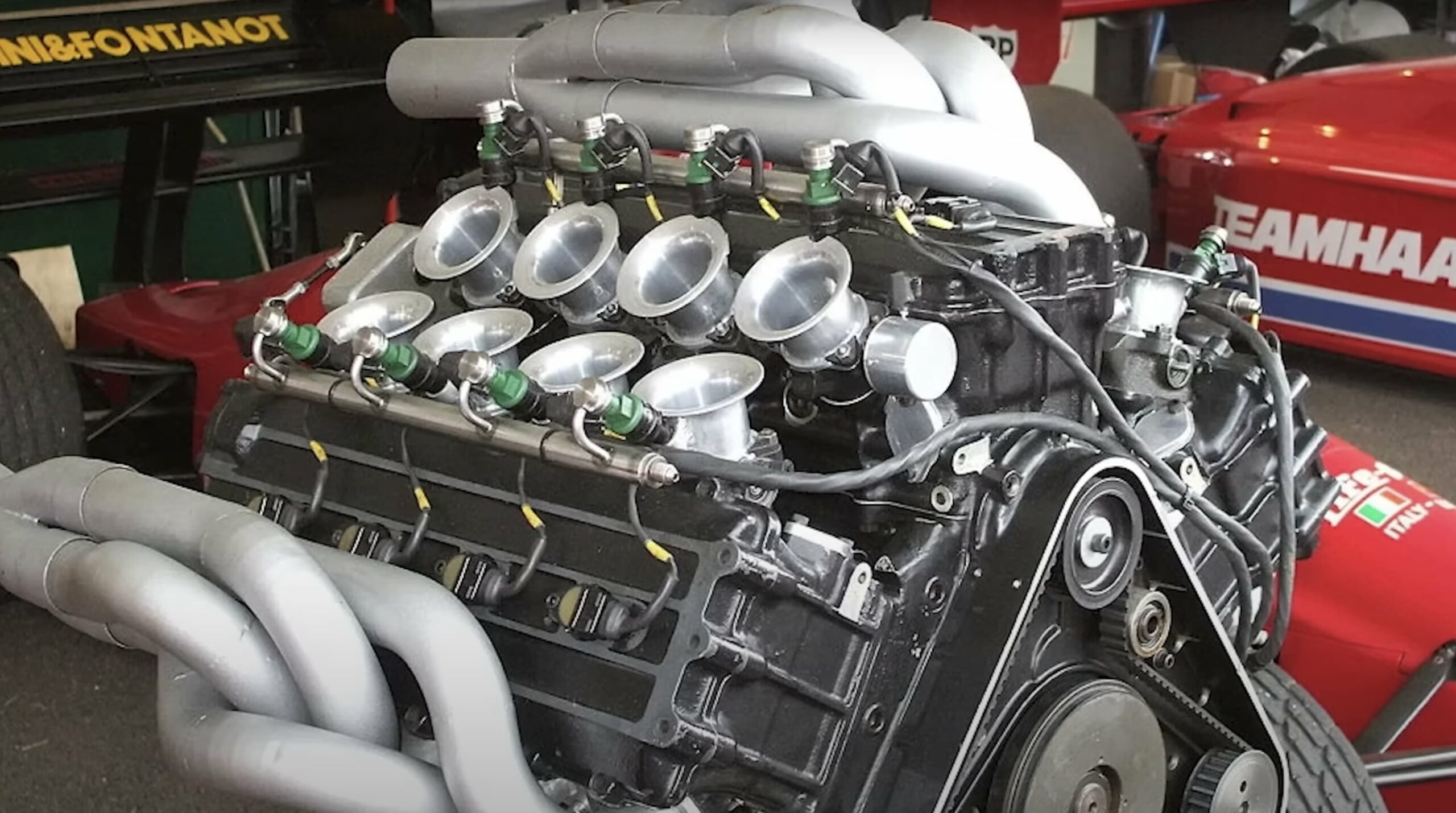
The Ford V10 Triton engine—specifically the 6.8L modular platform—served as the industry standard for Class A and Class C motorhomes for over two decades. Renowned for its industrial-grade durability and torque-heavy power delivery, the V10 provides the reliable foundation necessary for hauling heavy motorhome chassis up steep gradients, making it the dominant engine choice for mid-to-large sized recreational vehicles.
The Engineering Philosophy Behind the Ford Triton V10
The Ford 6.8L V10 Triton, introduced in the late 1990s as part of Ford's modular engine family, was designed to bridge the gap between heavy-duty commercial truck requirements and the specific demands of the RV market. Unlike light-duty passenger car engines that prioritize high-RPM horsepower, the V10 was engineered for low-end torque. This is critical for RV owners, as the primary task of a motorhome engine is not acceleration to high speeds, but maintaining steady progress under significant weight loads.
The "modular" designation refers to the design philosophy Ford utilized to lower production costs and improve serviceability. Many of the internal components, such as valve train parts, cylinder head designs, and other peripherals, are shared with the 5.4L V8 Triton engine. For the owner of an RV, this translates to widespread parts availability and a technician base that is intimately familiar with the architecture, a vital consideration when traveling through remote areas.
Evolution and Technical Specifications
Across its production run, the 6.8L V10 underwent several internal revisions. While the basic displacement remained consistent, the introduction of the three-valve-per-cylinder head design in the mid-2000s marked a significant transition in performance.
- Two-Valve Version (Pre-2005): Known for extreme longevity and mechanical simplicity, these engines provided a reliable 305 horsepower and 420 lb-ft of torque. They are often favored for their lack of complex variable valve timing systems.
- Three-Valve Version (2005–2019): This iteration increased output to 362 horsepower and 457 lb-ft of torque. The additional intake valve per cylinder improved breathing, which helped the engine sustain power at higher engine speeds, particularly useful when navigating mountain passes or highway on-ramps while fully loaded.
Regardless of the valve count, the engine utilizes a cast-iron block for maximum structural integrity and aluminum cylinder heads to manage heat and reduce weight. This combination is essential for an engine that often operates near its maximum thermal capacity during extended summer travel.
Torque and Transmission Dynamics
In the context of RV travel, torque is the most critical metric. Because an RV is almost always operating near its Gross Vehicle Weight Rating (GVWR), the V10’s ability to generate peak torque at relatively low RPMs is what allows the vehicle to climb grades without excessive gear hunting.
The V10 is typically paired with Ford’s TorqShift series of transmissions. This pairing is symbiotic; the transmission is programmed to lock the torque converter early, minimizing internal friction and fluid heat buildup. When driving a V10-powered RV, drivers often notice the engine revving high when climbing—this is by design. The V10 power band is optimized for mid-range operation, and the engine is built to safely sustain higher RPMs for extended durations. It is not an engine that requires downshifting to stay in a "power bubble" in the same way a diesel engine might; it is built to work consistently within its designed rotational limits.
Maintenance and Troubleshooting Considerations
While the V10 is considered one of the most reliable gasoline engines ever produced for heavy-duty use, it does require adherence to specific maintenance intervals to ensure its longevity.
- Spark Plug Integrity: On early two-valve models, the spark plug threads in the aluminum cylinder heads were sometimes prone to stripping if not serviced correctly. On three-valve models, technicians must be careful with the specific two-piece spark plug design to avoid breakage during removal. Using high-quality anti-seize compounds and strictly following torque specifications is mandatory.
- Cooling System Health: Because the V10 operates at high temperatures under load, the cooling system is the most critical line of defense. The coolant must be flushed according to the factory schedule. Overheating is the primary catalyst for long-term engine damage in these units.
- Exhaust Manifold Studs: A common point of failure on the V10 is the shearing of exhaust manifold studs, which results in a ticking noise, especially when the engine is cold. While this is primarily an annoyance rather than a catastrophic failure, it should be addressed to prevent exhaust leaks that can affect oxygen sensor readings and fuel efficiency.
Comparison: V10 Triton vs. Alternative Powertrains
When comparing the V10 to other options—such as the Ford 7.3L "Godzilla" V8 that eventually replaced it or diesel pusher configurations—the V10 occupies a unique space in the RV market.
| Feature | Ford 6.8L V10 Triton | Modern 7.3L V8 (Godzilla) | Diesel Pusher (Mid-Range) |
|---|---|---|---|
| Fuel Type | Gasoline | Gasoline | Diesel |
| Maintenance Cost | Low | Low | High |
| Torque Delivery | High (Mid-RPM) | Exceptional (Low-RPM) | Extreme (Constant) |
| Parts Availability | Excellent | Very Good | Specialized |
| Initial Purchase Price | Budget-Friendly | Mid-Tier | Premium |
The V10 remains the king of cost-to-performance ratio. It offers sufficient power for 90% of RV applications without the high entry cost and intensive maintenance requirements of a diesel engine.
Operational Tips for Drivers
To maximize the performance and longevity of a V10-powered RV, drivers should adopt a proactive approach to vehicle management.
- Monitoring Transmission Temperatures: If your instrument cluster includes a transmission temperature gauge, keep an eye on it during hot days or heavy climbs. If temperatures spike, pulling over and letting the engine idle (which keeps the transmission pump and cooling system circulating) is the most effective way to lower temperatures.
- Fuel Management: The V10 is not known for fuel efficiency. It is a heavy-duty engine performing heavy-duty work. Attempting to drive for maximum fuel economy—by forcing the transmission to stay in a higher gear than necessary—can actually increase engine strain. Let the transmission choose its gear; the V10 is happiest when it is allowed to spin freely.
- Pre-Trip Inspections: Because these engines are often buried within a "doghouse" or front engine cover in Class A units, small leaks can go unnoticed. Periodically removing the interior engine cover to inspect for signs of oil seepage or coolant crusting can help catch minor issues before they become major roadside failures.
The Role of the V10 in the Used RV Market
As of 2026, the secondary market for RVs is heavily populated by V10-equipped models. Because these engines are capable of reaching high mileage with basic maintenance, they are highly sought after by budget-conscious buyers. When inspecting a used V10 RV, prioritize the service history over the mileage. An engine with 100,000 miles that has seen regular oil changes and coolant flushes is a safer investment than one with 40,000 miles that has sat idle for years or suffered from neglect.
Frequently Asked Questions
Why does my Ford V10 RV rev so high when climbing hills? The engine is designed to operate in a higher RPM range to produce the necessary torque to move the vehicle's mass. This is not harmful; the V10’s internal components are built to handle sustained high-RPM operation during heavy load scenarios.
Is the Ford V10 engine considered reliable for long-term travel? Yes. In the world of commercial fleet usage (such as shuttle buses and delivery trucks), it is common to see V10 engines exceed 200,000 miles with standard care. Its simplicity compared to modern turbocharged engines makes it one of the most reliable options for full-time RVers.
What is the most common mechanical issue with the V10? Exhaust manifold stud failure is the most frequent occurrence. While it causes a noticeable ticking sound, it typically does not render the vehicle undrivable, but it should be repaired to maintain optimal engine performance and exhaust emissions.
Should I use premium fuel in my V10 engine? Unless your specific RV manufacturer manual explicitly states that premium fuel is required for your specific tune, the V10 is designed to run on 87-octane regular gasoline. Using higher octane fuel generally provides no performance benefit and will only increase your operating costs.
Can the V10 handle towing a vehicle behind the RV? The V10 is fully capable of flat-towing a mid-sized car or a light SUV. However, you must ensure your RV's hitch receiver and the total combined weight (Gross Combined Weight Rating) do not exceed the chassis manufacturer's limitations, which can be found on the weight sticker inside the driver’s side door jamb.
Conclusion and Next Steps
The Ford V10 remains a cornerstone of the RV industry, offering a balanced combination of power, durability, and cost-effective maintenance. For the owner, the key to a positive experience lies in recognizing the engine’s specific requirements—namely, high-quality fluids, clean filters, and an appreciation for its unique power band.
If you are currently operating a V10-powered RV, your next step should be a thorough cooling system flush and a transmission fluid service if you do not have proof of these having been performed in the last 30,000 miles. By keeping these systems in peak condition, you ensure that the engine remains a reliable partner for your travel, whether you are traversing mountain passes or navigating flat highway stretches.