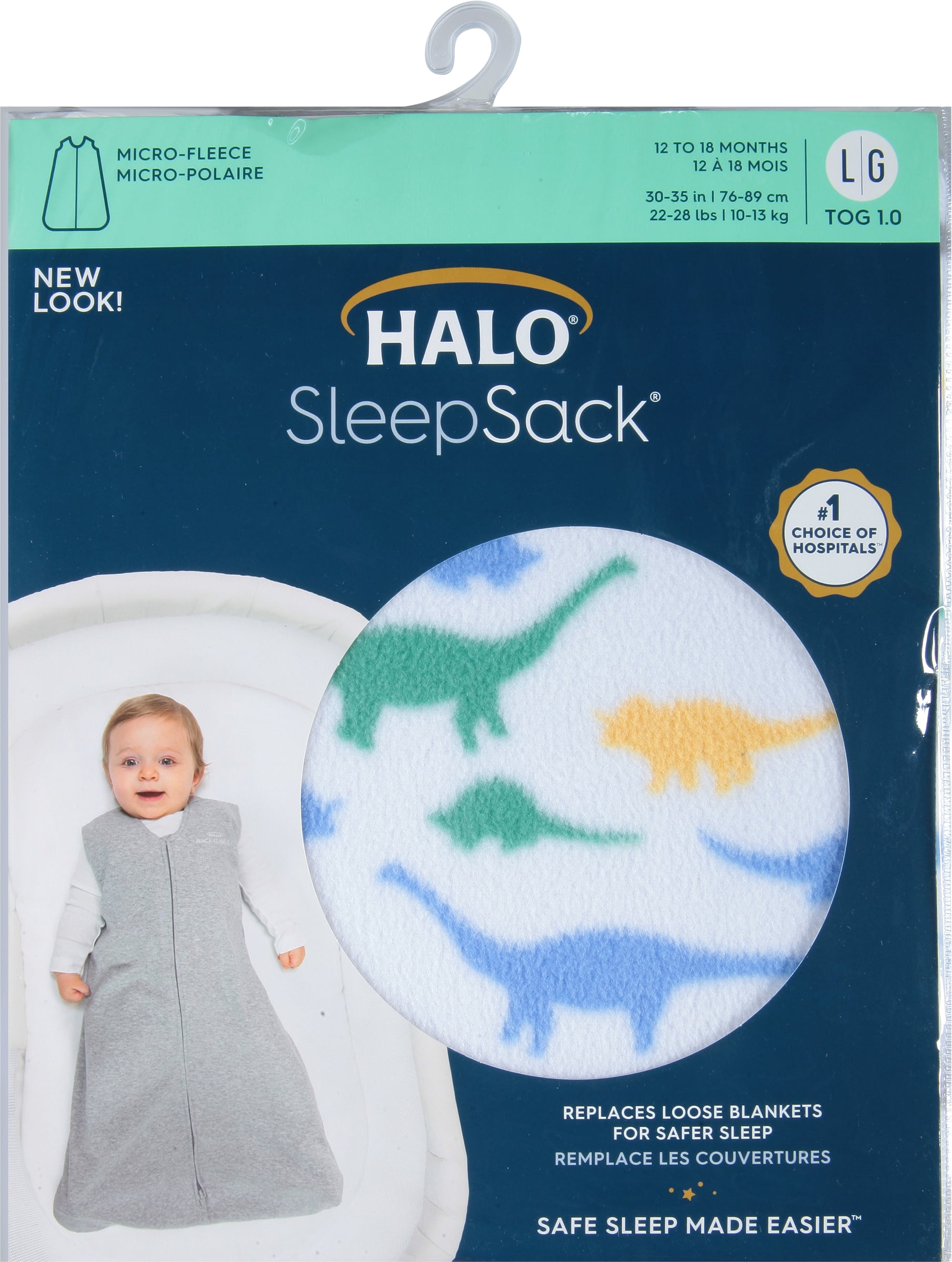
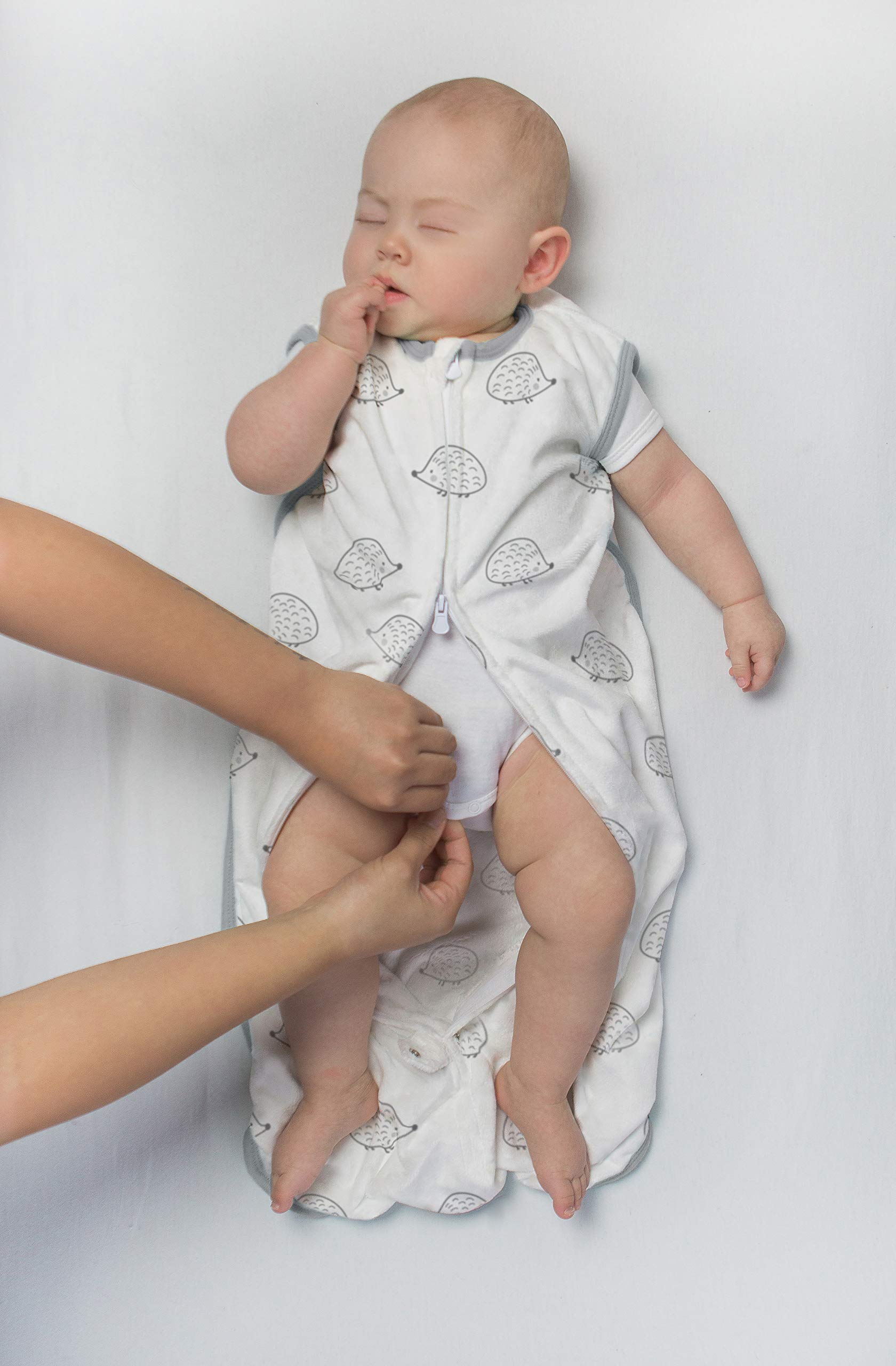
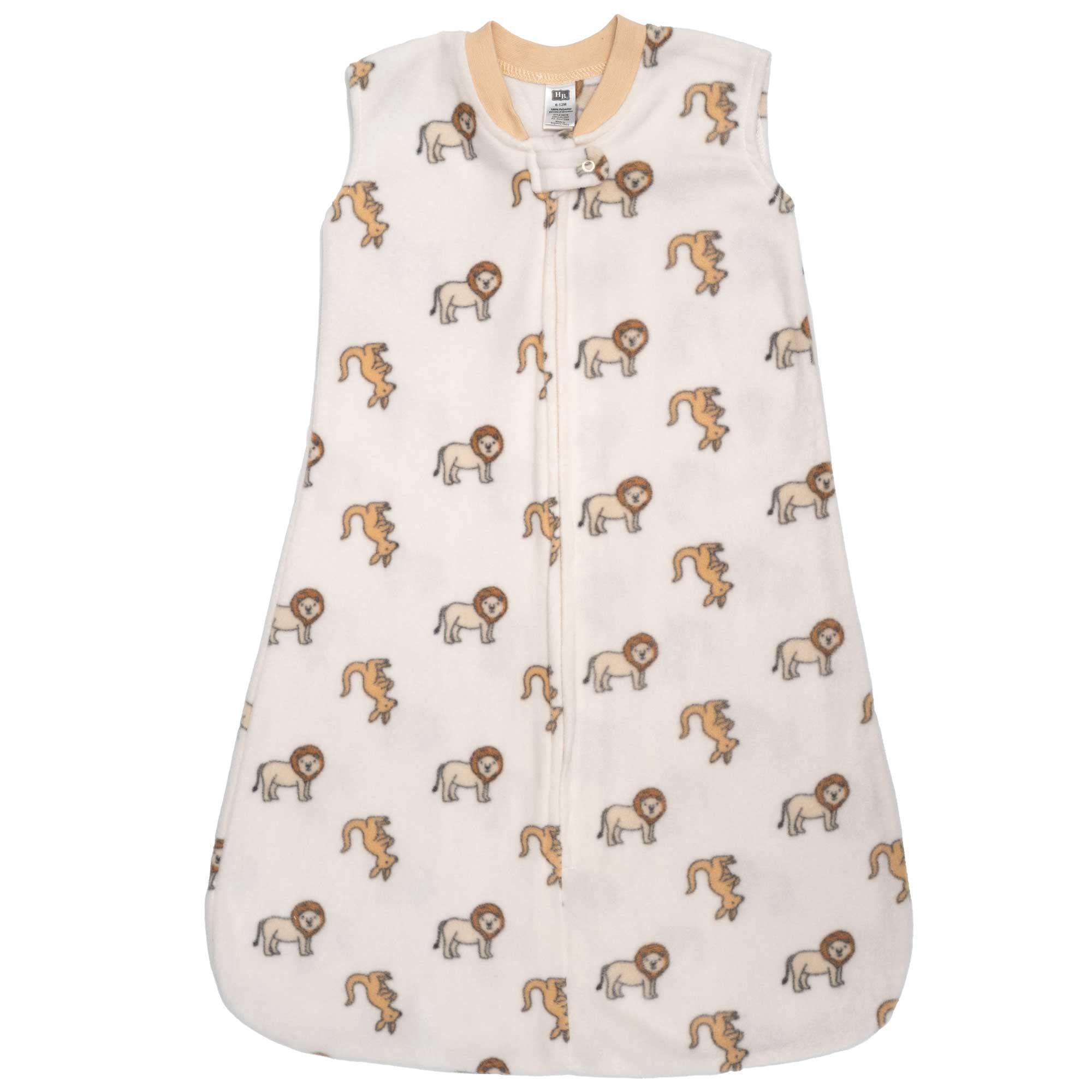
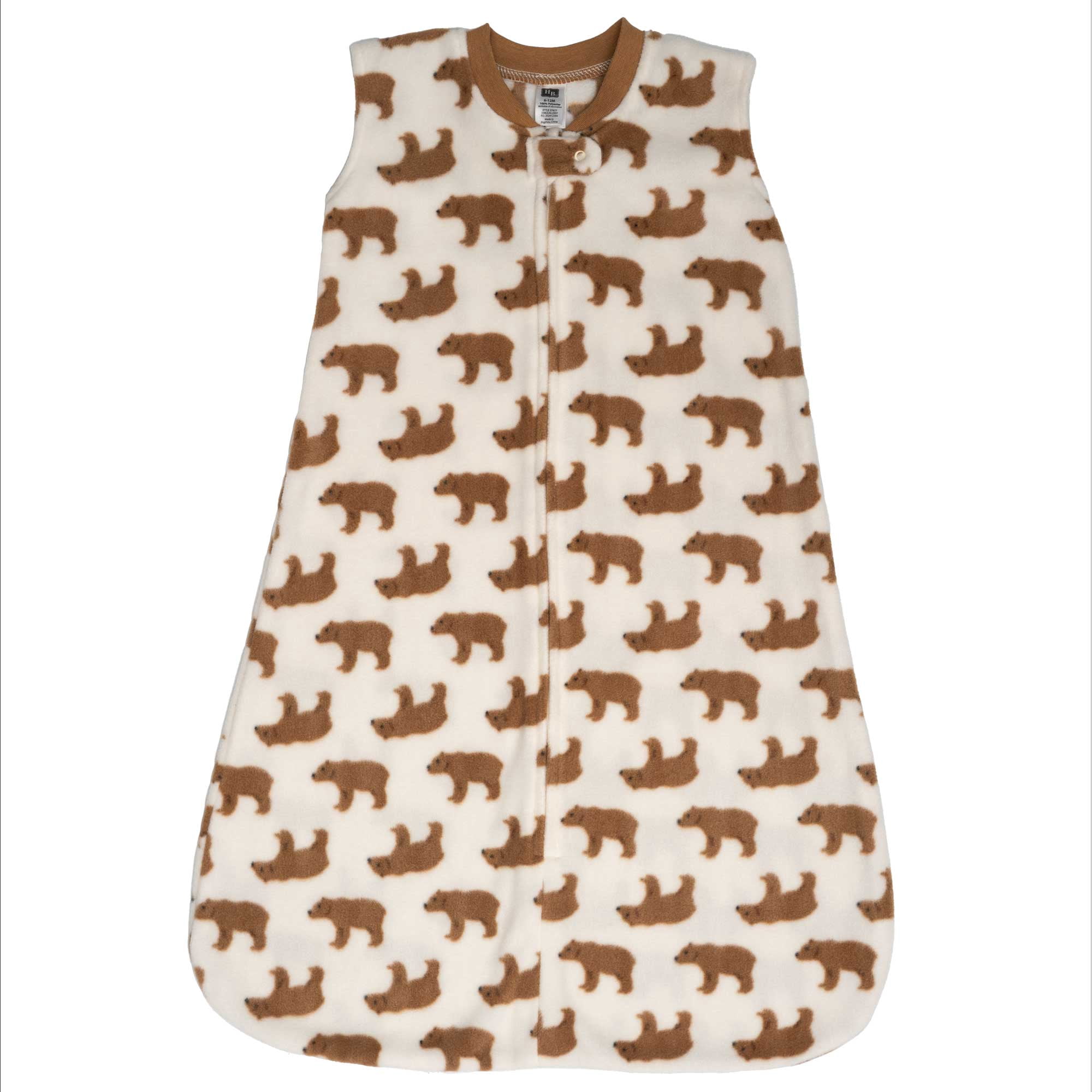
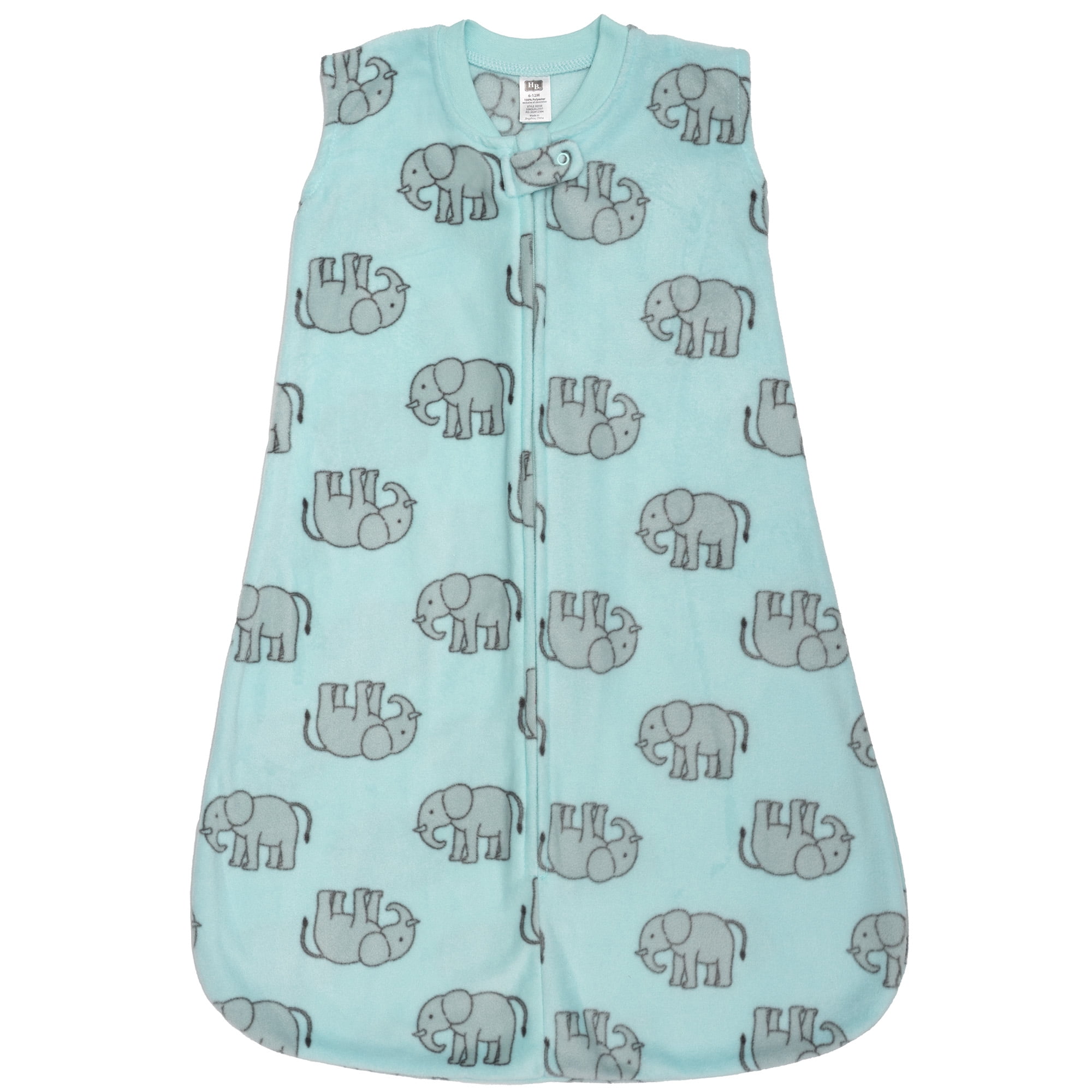
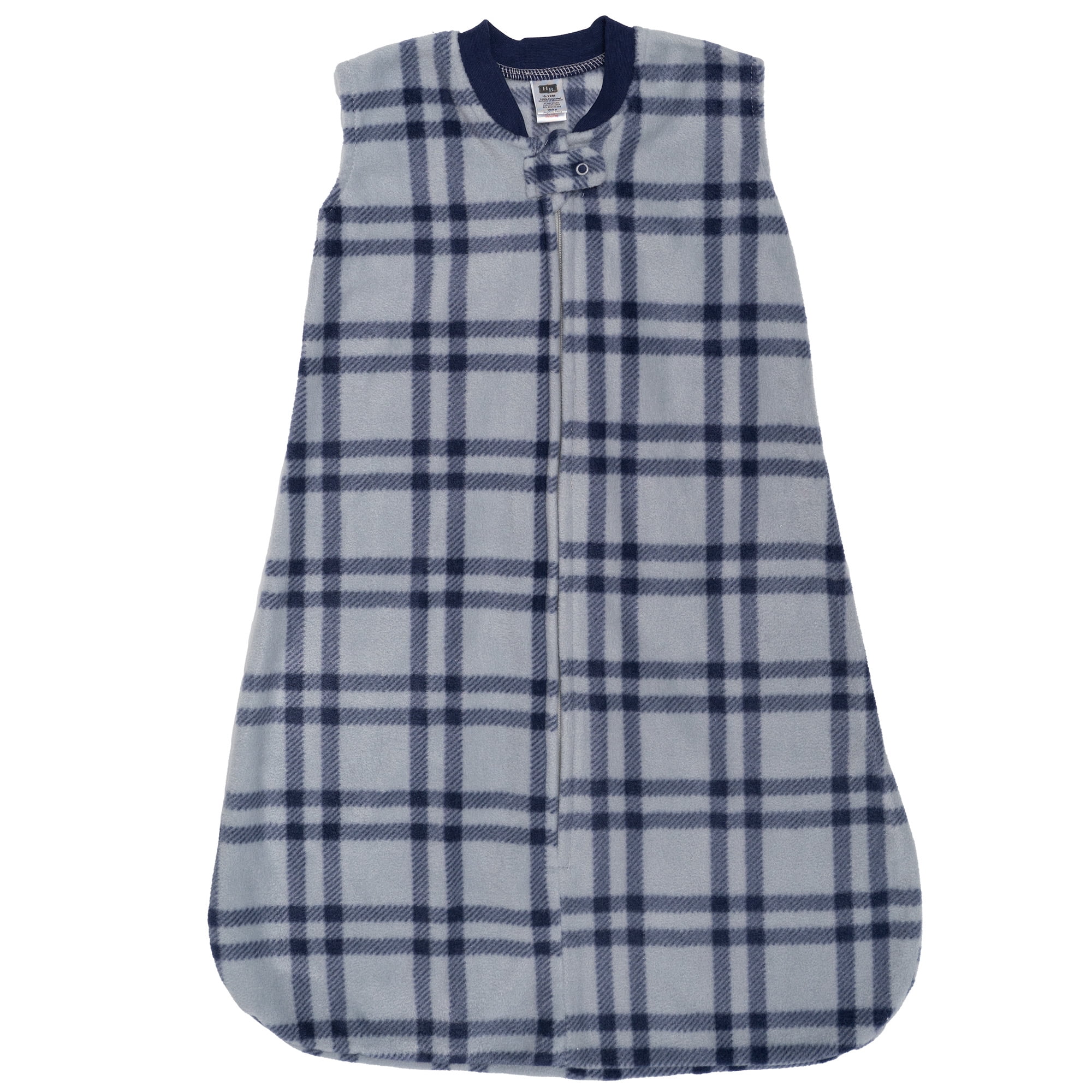
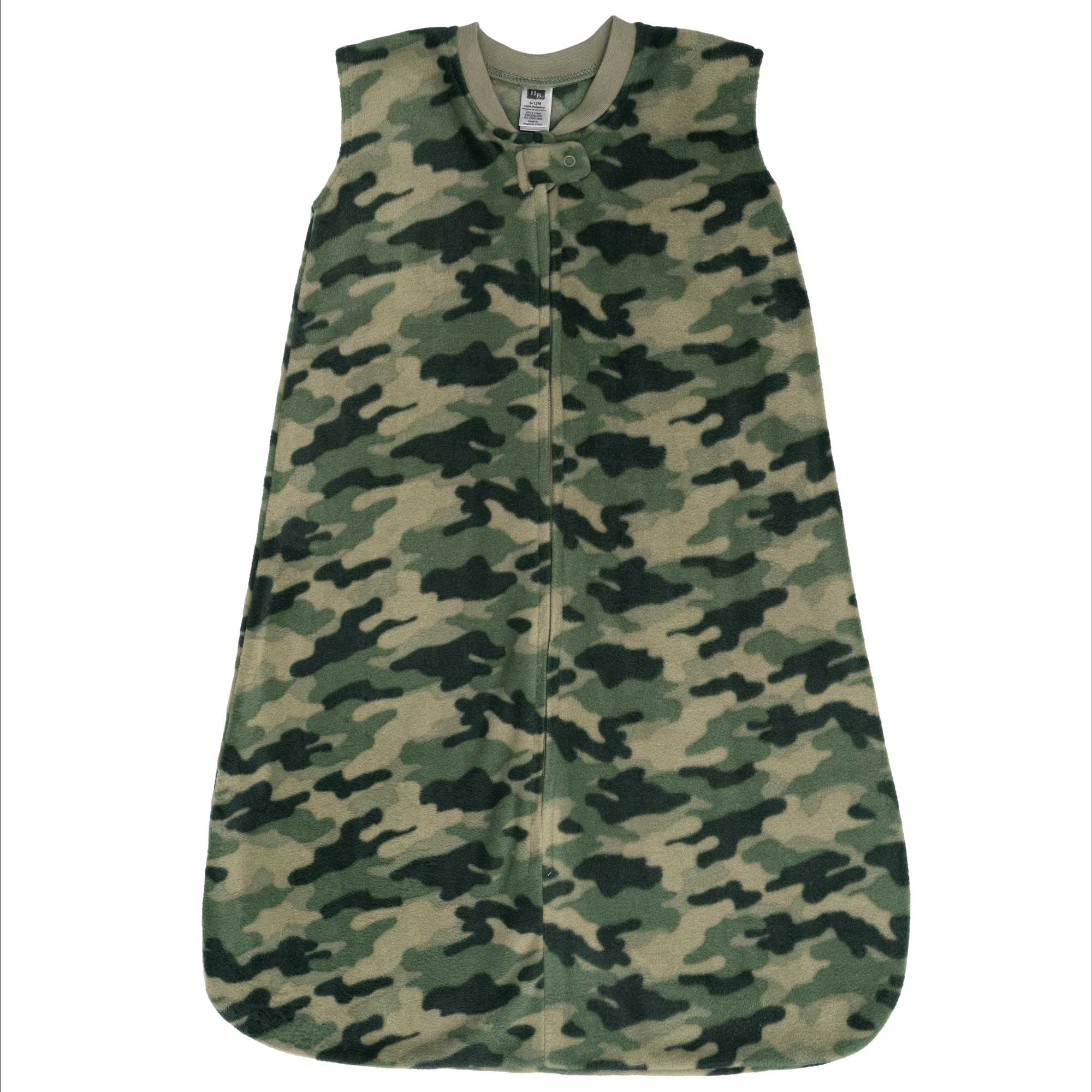
Choosing a fleece sleep sack for a child aged 12 to 18 months requires a careful balance of thermal regulation, physical mobility, and safety compliance. At this developmental stage, children are typically transitioning from rolling to standing or walking, necessitating a garment that provides warmth without hindering gross motor skills or increasing the risk of overheating. A fleece sleep sack serves as a wearable blanket, effectively eliminating the risks associated with loose bedding in the crib while ensuring the toddler maintains a consistent body temperature throughout the night.
Understanding the Fleece Sleep Sack for Toddlers
A fleece sleep sack, often referred to as a wearable blanket, is an insulating garment designed to be worn over standard sleepwear. For the 12-18 month age bracket, the primary purpose is to provide a consistent "tog" rating—a measurement of thermal resistance—that keeps the child comfortable in cooler room temperatures without the need for traditional quilts or duvets, which are generally discouraged in crib environments to reduce the risk of accidental suffocation or overheating.
Fleece is a preferred material for these garments due to its high warmth-to-weight ratio and moisture-wicking properties. Unlike cotton, which may feel cold if it becomes damp, polyester-based fleece traps body heat efficiently while allowing air circulation. When selecting a 12-18 month size, parents must ensure the product is sized appropriately for the child’s height and weight, as an oversized sack can become a trip hazard when the toddler begins standing, while an undersized sack restricts hip movement and leg extension.
Safety Standards and Design Specifications
When evaluating sleep sacks for the 12-18 month category, parents must prioritize products that adhere to established safety standards, such as those set by the American Academy of Pediatrics (AAP) and regional consumer product safety commissions. The most critical safety feature is the fit at the neck and armholes. If the head can pass through the neck opening when the sleep sack is fastened, the product is too large and poses a significant safety risk.
Key Features to Verify
- Zipper Construction: Look for two-way zippers that allow for diaper changes without fully undressing the child. Ensure the zipper head has a protective cover or "garage" to prevent it from irritating the child's chin or neck.
- Thermal Rating (Tog): Fleece sleep sacks typically range between 1.0 and 2.5 Tog. A 1.0 Tog is suitable for room temperatures between 68°F and 74°F (20°C–23°C), while a 2.5 Tog is designed for colder environments (below 68°F).
- Foot Openings: Some 12-18 month models feature "footies" or leg openings. If a toddler is attempting to stand in their crib, a sack with closed feet can be slippery. Models with foot cuffs that allow the child’s feet to grip the mattress surface are often safer for mobile toddlers.
- Fabric Integrity: The fleece should be flame-retardant compliant or made from inherently flame-resistant polyester fibers. Check the manufacturer's label to confirm it meets international textile safety standards for sleepwear.
Comparison of Sleep Sack Configurations
Choosing the right configuration depends on the child’s current developmental milestones. The following table outlines the differences in design types commonly found in the 12-18 month size category.
| Design Type | Primary Benefit | Best For | Potential Drawback |
|---|---|---|---|
| Traditional Sack | Maximum warmth/containment | Children who still prefer to kick legs | Can be restrictive for walkers |
| Footed/Legged Sack | Mobility for standing/walking | Toddlers practicing standing | Slightly less thermal retention |
| Adjustable Length | Versatility across age ranges | Budget-conscious households | Snaps can sometimes loosen over time |
Managing Thermal Comfort and Overheating
The risk of overheating is a primary concern for parents using fleece products. Because fleece is a synthetic insulator, it is more effective at trapping heat than cotton or muslin. Parents should monitor the child’s chest or back of the neck; if these areas feel sweaty, the child is likely overdressed.
A common mistake is assuming the sleep sack should be matched with heavy pajamas. In many cases, a 2.5 Tog fleece sleep sack only requires a thin, long-sleeved cotton onesie or lightweight pajamas underneath. If the room temperature rises above 72°F, a fleece sack may become too warm, even if the child is wearing minimal underlayers. It is advisable to maintain the nursery at a consistent, cooler temperature rather than relying on thick layers of bedding or clothing.
Navigating the Transition to Toddlerhood
Between 12 and 18 months, children undergo rapid changes in physical ability. The transition from a static sleeper to a child who can stand up or cruise along the crib rails means that the sleep sack must not interfere with their balance. A sleep sack that is too long at the hem can cause the child to trip when they attempt to stand.
If your child is highly mobile, consider transitioning to a "walker" style sleep sack. These feature reinforced foot cuffs that prevent the fabric from bunching under the feet. This design allows the child to maintain their balance while still benefiting from the warmth of the fleece fabric. Ensure that any buttons or snaps on the garment are secure and not choking hazards, as toddlers at this age are prone to testing the durability of any protruding parts.
Cleaning and Maintenance of Fleece Garments
Fleece requires specific care to maintain its structural integrity and safety. Repeated high-heat drying can damage the fibers, causing them to mat or lose their thermal resistance.
- Preparation: Fasten all zippers and snaps before placing the garment in the wash to prevent snags and damage to the fabric surface.
- Washing: Use a mild, fragrance-free detergent. Avoid fabric softeners, as they can coat the synthetic fibers and decrease the material's moisture-wicking and heat-regulating properties.
- Drying: Air drying is the safest method to prevent shrinkage. If a dryer must be used, select the "low heat" or "tumble dry" setting. High heat can cause the material to lose its shape, which may result in an improper, unsafe fit around the neck or arms.
- Inspection: After drying, inspect the seams for loose threads and ensure the zipper is still functioning smoothly. Any structural damage, such as a split seam or a faulty zipper that allows the sack to open unexpectedly, warrants replacement.
Common Troubleshooting and Questions
What if my child is between sizes?
If a child is on the cusp of the 12-18 month size, check the manufacturer's weight and height guidelines. If the child is close to the maximum height for the 12-month size, it is usually safer to size up to the 18-month range, provided the neck opening remains secure and fits snugly around the child's chest.
Can a fleece sleep sack cause skin irritation?
While modern fleece is generally hypoallergenic, some children may experience sensitivity to synthetic materials. If the child has a history of eczema or sensitive skin, ensure the sleep sack is worn over a long-sleeved, natural-fiber cotton layer to prevent direct contact with the fleece fabric.
Should I use a fleece sleep sack in a heated nursery?
If the nursery is consistently kept at or above 72°F, a 2.5 Tog fleece sleep sack is likely unnecessary and may cause the child to overheat. In these environments, a lighter 0.5 Tog muslin or thin cotton sack is a more appropriate choice to maintain a comfortable sleeping temperature.
Frequently Asked Questions
How do I know if the fleece sleep sack is the right Tog for my nursery?
The Tog rating should be chosen based on the ambient temperature of the room. A 1.0 Tog is generally sufficient for standard room temperatures (68°F–72°F). Use a 2.5 Tog only if the room is consistently cooler. Always check the child’s neck or chest for signs of sweating to determine if the layer is too heavy.
Can a child wear a fleece sleep sack while sitting up in the crib?
Yes, as long as the sleep sack is the correct size and allows for free movement of the hips and legs. If the sleep sack is too long, the child may struggle with balance; in such cases, opt for a design with leg openings or foot cuffs to provide better mobility.
How many sleep sacks should I keep on hand for this age?
Having two sleep sacks is recommended. This allows for one to be in the wash while the other is in use. Since toddlers at 12-18 months are prone to spills, diaper leaks, or accidents, having a backup prevents the need for a mid-night change that could disrupt sleep patterns.
Are there specific fire safety labels I should look for?
Look for labels indicating compliance with the CPSC (Consumer Product Safety Commission) standards for children’s sleepwear. These items are required to be either flame-resistant or "snug-fitting" to reduce the risk of injury from fire. Avoid oversized, loose-fitting garments that do not meet these safety criteria.
When should I transition out of a sleep sack?
There is no hard rule for when to stop using a sleep sack. Many children continue to benefit from them until they are 2 or 3 years old, especially if they are prone to kicking off blankets. Transition away from the sack only when the child is consistently using a toddler bed and shows the ability to manage their own bedding.
Next Actions for Parents
To ensure you select the appropriate fleece sleep sack, measure your child’s current height from shoulder to toe and compare this to the manufacturer's size chart. If your child is approaching the 18-month mark, confirm if they are currently mobile in their crib, which may suggest a transition toward a footed sleep sack rather than a traditional closed-bottom bag. Once purchased, wash the garment according to the instructions to remove factory residues before the first use, and perform a fit check during a supervised nap to ensure the neck and armholes are secure.