Installing a system of 24 SunPower solar panels typically costs between $25,000 and $35,000 before accounting for federal, state, and local incentives. When factoring in the 30% Residential Clean Energy Credit under federal guidelines, the net out-of-pocket investment usually ranges from $17,500 to $24,500, depending heavily on regional labor rates, roof complexity, and chosen inverter hardware.
Introduction to SunPower Solar Installations
Navigating the residential solar market involves evaluating various hardware manufacturers, inverter configurations, and installation contractors. Among high-efficiency options, SunPower (which reorganized its direct-to-consumer residential operations under Maxeon Solar Technologies and independent dealer networks) has long held a reputation for manufacturing premium photovoltaic (PV) modules. For homeowners evaluating a system size of 24 panels, understanding the financial and technical scope requires looking past a simple sticker price.
A 24-panel setup typically generates between 9 kW and 12 kW of power, depending on the exact wattage rating of the panels selected (commonly ranging from 390 watts to over 420 watts per module). This capacity is generally sufficient to offset the electricity consumption of a medium-to-large single-family home using between 1,000 and 1,500 kilowatt-hours (kWh) per month. However, arriving at an accurate cost estimate requires dissecting equipment costs, labor, permitting, electrical upgrades, and long-term warranties.
Breaking Down the Cost Components of a 24-Panel System
When an installer provides a turnkey quote for 24 SunPower panels, the price encompasses much more than just the glass and silicon modules mounted on your roof. A comprehensive solar project budget is built upon several distinct line items, each carrying unique cost implications.
1. Photovoltaic Module Expenses
SunPower panels are traditionally priced at a premium compared to standard commoditized panels. This price differential is driven by their patented Maxeon cell structure, which features a solid copper foundation making them more resistant to corrosion and micro-cracking. While standard panels might cost $0.60 to $0.80 per watt, SunPower modules often command higher hardware costs per watt. For a 24-panel system totaling roughly 10 kW, the panels alone constitute a substantial portion of the gross equipment budget.
2. Inverter Technology (Microinverters vs. String Inverters)
SunPower systems frequently utilize microinverters (often manufactured in partnership with Enphase) attached to the back of each panel, or integrated SunPower-specific AC modules. Microinverters convert direct current (DC) to alternating current (AC) at the individual panel level. While this architecture increases initial hardware costs—adding roughly $2,000 to $3,500 to a 24-panel project—it optimizes energy production when panels experience partial shading or dust accumulation, and provides module-level monitoring.
3. Balance of System (BOS) and Mounting Hardware
The balance of system includes racking, mounting rails, wiring, conduit, rapid shutdown devices to comply with the National Electrical Code (NEC), and safety disconnect switches. SunPower's proprietary mounting systems are engineered for specific roof types, ensuring structural integrity against high winds and heavy snow loads. BOS costs generally range from $2,000 to $4,000 for a 10 kW system footprint.
4. Labor, Permitting, and Interconnection
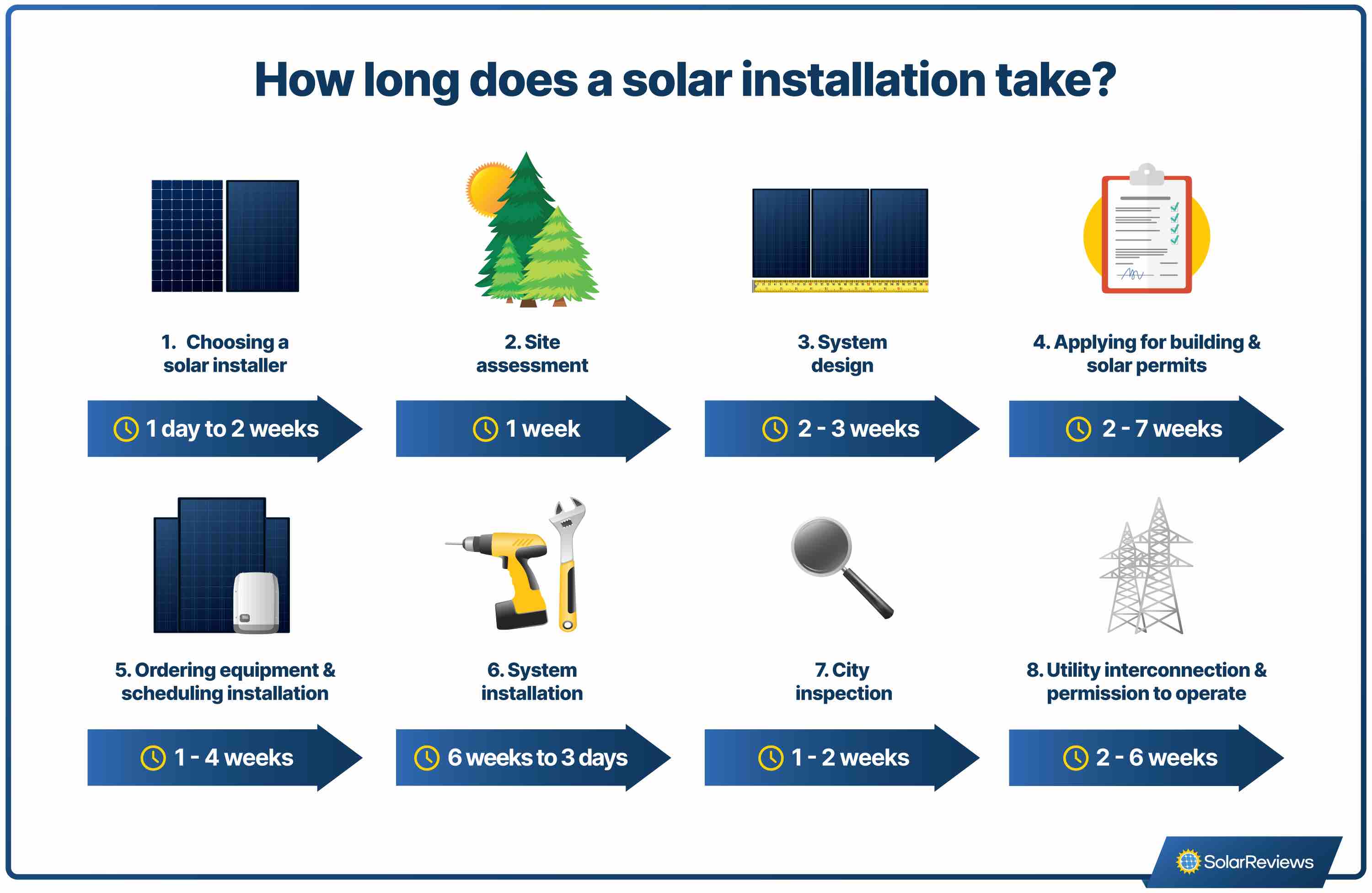
Soft costs—encompassing engineering designs, structural reviews, local building permits, utility interconnection applications, and on-site labor—typically make up 30% to 40% of the total gross system cost. Installing 24 panels requires a crew of certified electricians and roofers working for two to three days, alongside administrative overhead to navigate local utility net-metering policies.
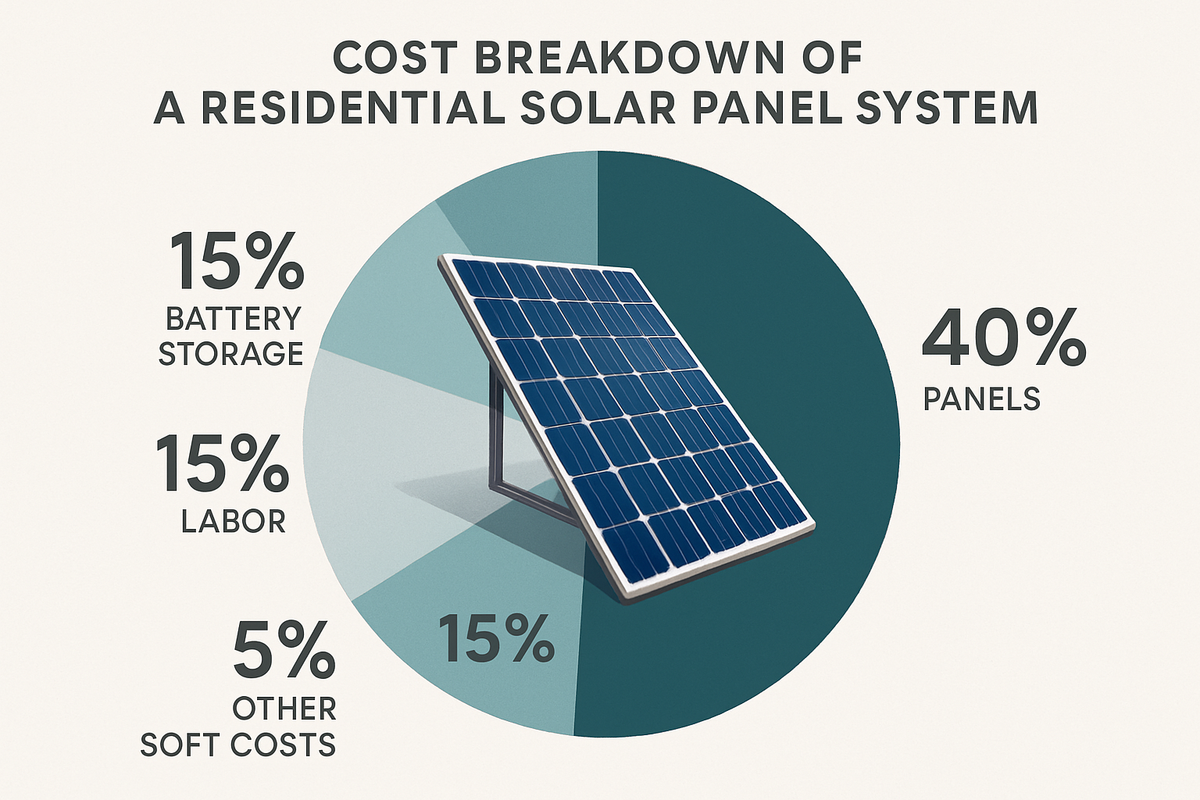
| Cost Component | Estimated Price Range (Gross) | Description & Variables |
|---|---|---|
| SunPower Panels (24 Units) | $10,000 – $14,000 | Varies by module wattage (390W–420W+) and tier. |
| Inverters & BOS | $4,000 – $6,500 | Microinverters, racking, wiring, and safety hardware. |
| Labor & Permitting | $6,000 – $9,500 | Local wage rates, structural engineering, utility fees. |
| Electrical Upgrades (Optional) | $1,500 – $4,000 | Main panel upgrade or sub-panel installation if required. |
| Gross Total Estimate | $21,500 – $34,000 | Total upfront cost before tax credits and incentives. |
Energy Production and Spatial Requirements for 24 Panels
Before committing capital to a 24-panel installation, homeowners must evaluate whether their property has adequate physical space and optimal solar orientation.
Roof Space Calculations
A standard residential solar panel measures approximately 5.5 feet by 3.2 feet (around 17.5 square feet). For 24 panels, you will need a minimum of 420 to 450 square feet of unobstructed, unshaded roof surface. This space should ideally face South or Southwest in the Northern Hemisphere to maximize daily solar irradiance. East- and West-facing roofs are also viable, though they yield roughly 15% to 20% less annual energy production.
Expected Energy Output
Assuming an average panel rating of 410 watts, a 24-panel system yields a nominal DC capacity of 9.84 kW. Annual energy production varies significantly by geographic location due to local weather patterns and peak sun hours:
- High-Sun Regions (e.g., Southwest US): Can generate 15,000 to 17,000 kWh annually.
- Moderate-Sun Regions (e.g., Mid-Atlantic/Midwest): Typically generate 12,000 to 14,000 kWh annually.
- Lower-Sun Regions (e.g., Pacific Northwest): Generally yield 10,000 to 12,000 kWh annually.
Financial Incentives, Tax Credits, and Rebates
The gross cost of installing 24 SunPower panels is heavily offset by federal and local incentive structures. Navigating these financial mechanisms properly can reduce the net payback period to between 6 and 9 years.
The Federal Residential Clean Energy Credit
Under current federal tax guidelines, homeowners installing solar photovoltaic systems are eligible for a 30% tax credit. This credit applies to the total gross cost of the project, including equipment, labor, permits, and necessary electrical work. For a $30,000 installation, the federal credit reduces your tax liability by $9,000, bringing the net cost down to $21,000. Note that this is a tax credit, not a direct rebate; it requires sufficient tax liability to claim, though excess credits can typically be carried forward.
State Rebates, SRECs, and Utility Programs
State-level incentives vary widely. Some states offer direct cash rebates per watt installed, while others utilize Solar Renewable Energy Certificates (SRECs), allowing system owners to sell certificates representing the electricity their panels produce to local utilities. Additionally, net metering policies—which dictate how utilities credit you for excess power sent back to the grid—directly impact the ongoing financial return of your system. Homeowners should consult the Database of State Incentives for Renewables & Efficiency (DSIRE) for localized program rules.
Factors That Cause Cost Variations
No two solar installations are identical. Several site-specific and logistical factors can push a 24-panel SunPower installation toward the lower or higher end of the pricing spectrum.
Electrical Panel Capacity
If your home relies on an older 100-amp electrical service panel, the local building code or utility provider may require a service upgrade to 200 amps to safely handle a nearly 10 kW backfed solar system. This upgrade can add $2,000 to $4,000 to the project total. Homes already equipped with modern 200-amp or 400-amp breaker panels avoid this extra expense.
Roof Material and Pitch
Installing solar panels on standard asphalt shingle roofs is straightforward and cost-effective. Conversely, mounting systems on clay tiles, slate, standing seam metal, or flat commercial roofs requires specialized hardware, flashing, and labor techniques. Steeply pitched roofs (greater than 30 degrees) may also require additional safety scaffolding and fall protection equipment, increasing labor costs.
Battery Storage Integration
Many homeowners choose to pair their 24-panel system with a home battery storage unit (such as a SunPower SunVault or Tesla Powerwall) for backup power during grid outages. Integrating a 10 kWh to 13.5 kWh battery system typically adds $10,000 to $15,000 to the total project cost, though batteries are also eligible for the 30% federal tax credit when charged primarily by the solar array.
Frequently Asked Questions
How much physical roof space do 24 solar panels require?
Twenty-four modern solar panels require roughly 420 to 450 square feet of continuous, unshaded roof space. Installers also require perimeter setbacks to comply with local fire codes, meaning your roof must have slightly more total usable surface area than the physical footprint of the panels.
How much electricity will a 24-panel SunPower system generate?
A 24-panel system utilizing high-efficiency modules (averaging 400W–420W per panel) creates a roughly 9.6 kW to 10 kW array. Depending on your geographic location, roof orientation, and local weather, this system will produce between 11,000 and 16,000 kWh of electricity annually.
Are SunPower panels worth the higher upfront cost?
SunPower panels generally command a higher price tag than standard modules due to their high efficiency ratings, low degradation rates, and comprehensive manufacturer warranties (often covering product, performance, and labor for 25 years). For homeowners with limited roof space who need maximum energy generation per square foot, the higher efficiency often justifies the premium cost.
Does the 30% federal tax credit cover battery storage?
Yes. Under current federal tax guidelines, battery storage systems with a capacity of 3 kWh or greater qualify for the 30% Residential Clean Energy Credit, provided they are installed in connection with a residential solar array.
What happens to my solar system during a grid blackout?
Standard grid-tied solar systems without battery storage automatically shut down during a power outage for safety reasons (to prevent backfeeding electricity into lines where utility workers may be making repairs). To maintain power during an outage, you must install a compatible battery storage system with islanding capabilities.
Next Actions for Prospective Buyers
Homeowners ready to evaluate a 24-panel SunPower installation should begin by pulling their past 12 months of utility bills to establish baseline energy consumption. Next, obtain multiple quotes from certified SunPower master dealers or independent installers in your area. Ensure each quote details equipment specifications, estimated annual production, warranty terms, and a clear breakdown of equipment versus soft costs. Finally, verify local utility interconnection rules and check state-specific incentive databases before signing an installation contract.