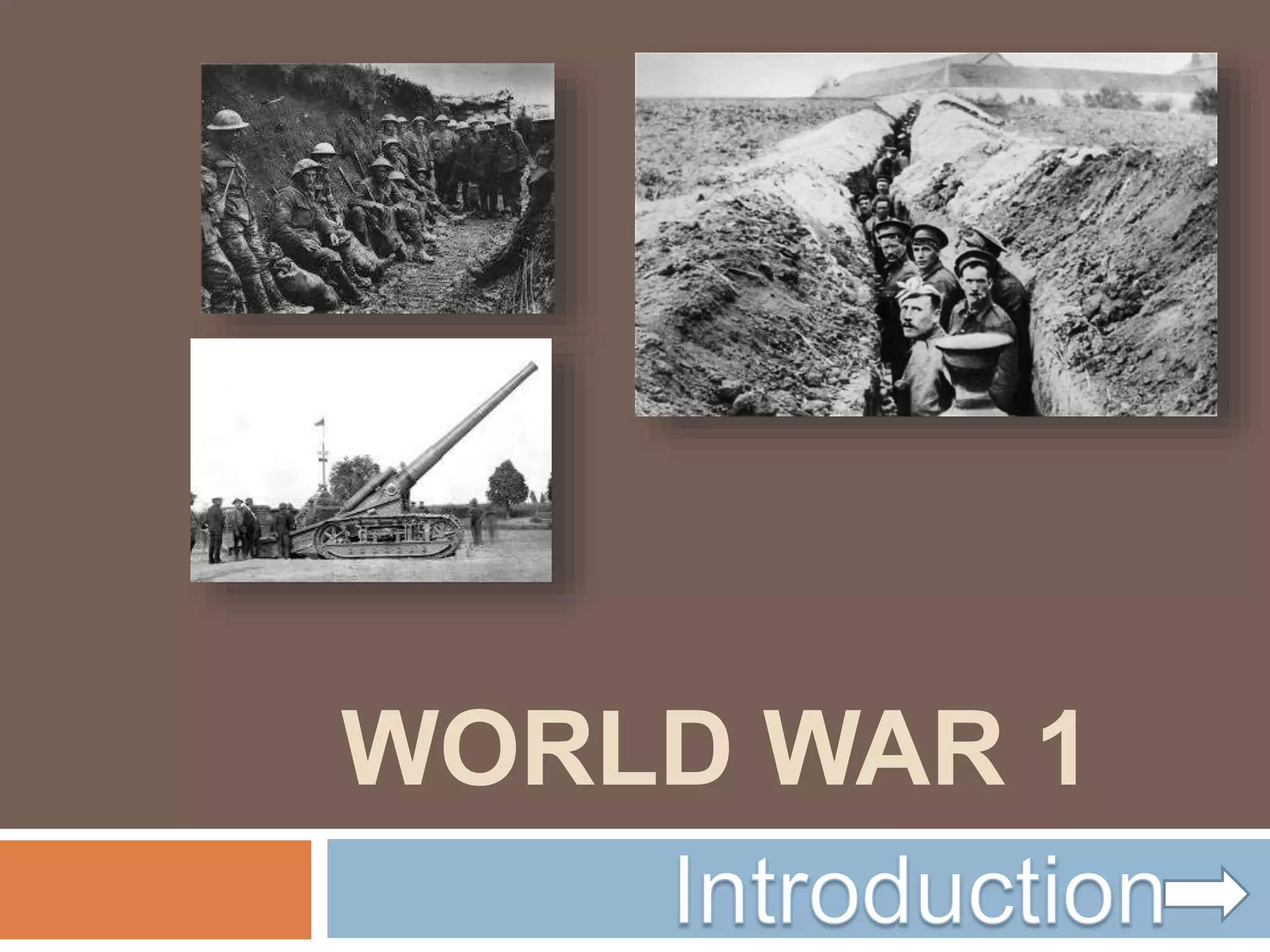
Communication in World War I underwent a radical, forced evolution, transitioning from traditional, vulnerable methods like mounted couriers and visual signals to complex technological networks involving radio telephony, field telephones, and optical telegraphy. This technological shift was driven by the unprecedented scale of industrialized warfare, where vast armies required instantaneous coordination across miles of entrenched fronts to manage artillery bombardments and troop movements effectively.
The Evolution of Military Communication in the Early 20th Century
At the outbreak of hostilities in 1914, military establishments across Europe were largely unprepared for the communicative demands of modern industrial warfare. Armies entered the conflict relying on legacy systems inherited from the 19th century. Cavalry scouts, runners, carrier pigeons, and visual signaling methods such as flags and semaphore were standard practice. These systems worked adequately during eras of mobile warfare, but they buckled under the immense scale, permanence, and lethality of the Western Front.
As trench systems locked opposing forces into static stalemates stretching from the Swiss border to the North Sea, traditional human-borne messaging became dangerously unreliable. A runner crossing open ground swept by machine-gun fire faced near-certain death, creating severe information blackouts between frontline trenches and battalion headquarters. Command staffs found themselves blind, unable to assess the immediate tactical situation or adjust artillery fire in real time.
This operational crisis forced an immediate mobilization of scientific and industrial resources. Militaries began adapting existing commercial technologies—specifically telephony, telegraphy, and nascent radio transmission—for the harsh realities of front-line service. Engineers had to design equipment that was rugged, portable enough to be carried by infantrymen through mud and shell craters, and secure enough to prevent enemy interception. Communication shifted from an auxiliary support function to the absolute central nervous system of military strategy.
Key Technologies and Methods of Battlefield Communication
Military commanders utilized a diverse matrix of communication systems, combining electronic ingenuity with primitive biological and mechanical methods to maintain contact across the front lines.
- [Frontline Trench]
- Field Telephones (Dersine/ Fuller Phones)
- Optical Telegraphs & Heliographs (Visual)
- Visual Signals (Flags, Rockets, Flares)
- Messenger Dogs & Carrier Pigeons
- Human Runners (Couriers)
- [Trench Switchboard / Battalion HQ]
- [Wireless Telegraphy / Spark-Gap Transmitters (Backline/Air/Sea)]
Field Telephones and Hardwired Networks
The field telephone became the workhorse of tactical communication during the conflict. Copper and insulated wire lines were laid by specialized signal corps units, often running thousands of miles of wire through communication trenches, across no-man's-land, and up to observation posts.
- The Trench Switchboard: Local battery switchboards at battalion and regimental headquarters managed dozens of incoming lines from various frontline sectors, allowing commanders to converse directly with company captains.
- Limitations and Vulnerabilities: Heavy artillery bombardments frequently shredded wire networks, cutting off entire battalions. Repair crews had to brave shrapnel and sniper fire to mend severed cables under continuous duress.
- Eavesdropping: Because unshielded wire acts as an electromagnetic antenna, the enemy could easily tap into telephone lines using induction coils. This vulnerability gave rise to systematic front-line wiretapping and the urgent need for codified military jargon.
Wireless Telegraphy and Radio Systems
Wireless telegraphy (Morse code transmitted via radio waves) offered a revolutionary way to transmit messages without physical cables, particularly for naval forces, aviation, and mobile ground units.
- Spark-Gap Transmitters: Early wireless sets relied on spark-gap technology, which produced broad, noisy signals that could be easily jammed and lacked the clarity of later continuous-wave systems.
- Vacuum Tubes: The introduction of thermionic valves (vacuum tubes) mid-war improved signal amplification and reception, making wireless sets smaller and more reliable.
- Aviation and Artillery Spotting: Early two-way and one-way wireless sets installed in reconnaissance aircraft allowed observers to radio back exact enemy artillery coordinates in minutes rather than hours, radically transforming counter-battery fire.
Visual Signaling and Optical Devices
When electronic networks failed, armies reverted to visual and mechanical systems to pass orders across the battlefield.
- Heliographs and Aldis Lamps: Utilizing mirrors to reflect sunlight by day and electric lamps by night, signnels transmitted Morse code across stationary observation lines.
- Pyrotechnics and Panels: Colored signal flares, rockets, and ground cloth panels laid out on the earth communicated infantry positions and called for lifting artillery barrages as advancing troops took objectives.
Animal and Human Couriers
Despite electronic advancements, biological and human messengers remained indispensable when all infrastructure collapsed.
- Carrier Pigeons: Pigeons proved remarkably resilient in navigating over battlefields, carrying microfilmed messages zipped into small canisters attached to their legs. Famous birds like the United States Army Signal Corps pigeon Cher Ami saved encircled battalions by delivering crucial location updates despite severe injuries.
- Messenger Dogs: Dogs navigated broken terrain far faster than humans and presented smaller targets for enemy snipers, relaying urgent dispatches between isolated outposts.
- Human Runners: Infantrymen designated as runners carried memorized or written orders through the most perilous zones of the battlefield when all other links failed.
| Communication Method | Primary Advantage | Main Vulnerability | Operational Range |
|---|---|---|---|
| Field Telephones | Direct, real-time voice communication | Severed by shellfire; easily wiretapped | Miles (limited by wire length) |
| Wireless Telegraphy | No physical lines required; mobile | Heavy equipment; easily intercepted and jammed | Short to Long (varies by power) |
| Carrier Pigeons | Highly reliable homing instinct; bypasses wire cuts | Shot down by enemy fire; weather dependent | Up to dozens of miles |
| Human Runners | Can carry complex maps and confidential orders | High casualty rate; slow delivery time | Short distances across trenches |
| Visual Signals (Flares/Lamps) | Instantaneous line-of-sight alerts | Weather limitations; reveals sender's position | Line-of-sight only |
Operational Challenges, Espionage, and Signal Security
As military communication networks expanded, they created vast targets for intelligence operations. Both the Allied and Central Powers established dedicated intercept and decryption bureaus, recognizing that intercepted communications held the key to tactical surprise.
The Vulnerability of Wire and Radio
Frontline commanders quickly learned that acoustic leakage made field telephone conversations hazardous. German listening posts equipped with sensitive amplifiers could pick up stray currents leaking into the ground from poorly insulated British and French telephone lines hundreds of yards away. This technique, known as "earth-telegraphy intercept," allowed the German army to listen in on allied tactical planning without ever crossing no-man's-land.
Wireless transmissions were entirely public by nature; anyone with a radio receiver tuned to the correct frequency could record enemy dispatches. Consequently, armies had to develop complex cryptographic systems, utilizing codebooks, transposition ciphers, and one-time pads to protect sensitive operational dates, troop strengths, and strategic movements.
Cryptography and Cryptanalysis
The development of military cryptography evolved from simple substitution ciphers to sophisticated mathematical codes.
- The Zimmermann Telegram: One of the most consequential intelligence failures of the war occurred when British naval intelligence (Room 40) intercepted and decrypted a diplomatic cable sent by German Foreign Secretary Arthur Zimmermann to the German ambassador in Mexico. The message proposed a military alliance against the United States, directly accelerating America's entry into the conflict.
- Codebooks: Armies distributed heavy codebooks to frontline units, requiring signal officers to constantly update cipher tables. The capture of a single codebook could compromise an entire sector's communication security, forcing hurried operational rewrites.
The Transformative Impact on Military Tactics
The development of communication systems directly dictated tactical doctrine. In the early years of the war, rigid communication structures made exploitation of a breakthrough nearly impossible. Once infantry units moved beyond the reach of their buried telephone cables, commanders lost all control over them, leading to stalled offensives and staggering casualties.
By 1917 and 1918, armies mastered the synchronization of artillery, infantry, and air support through integrated signal networks. The "creeping barrage"—a wall of high-explosive and shrapnel shells moving forward at a precise pace—required immaculate telephone and wireless coordination to protect advancing infantry without shelling them. When combined with mobile wireless stations that could be rolled forward in tanks or hauled by pack animals during the final Hundred Days Offensive, reliable communication transformed the static trench war back into a fluid, decisive mobile conflict.
Frequently Asked Questions
How did soldiers communicate across no-man's-land during World War I?
Soldiers communicated across no-man's-land primarily using field telephones connected by buried wire, wireless telegraphy (Morse code), visual signals such as colored flares and flags, carrier pigeons, and human runners. Because wire networks were frequently destroyed by artillery, biological and visual methods remained vital lifelines for frontline infantry.
Were World War I telephone lines secure from the enemy?
No, World War I telephone lines were highly vulnerable to interception. Enemy forces used induction coils and earth-telegraphy listening posts to eavesdrop on unshielded conversations, forcing armies to develop strict telephonic protocols, code words, and eventually voice encryption techniques.
What role did carrier pigeons play in military communication?
Carrier pigeons served as reliable emergency couriers capable of flying over active battlefields where human runners or electronic wires could not survive. Pigeons carried vital written messages strapped to their legs, often returning to mobile lofts situated just behind the front lines to alert headquarters of unit positions and urgent supply needs.
How did wireless radio impact naval warfare in World War I?
Wireless radio allowed admirals to coordinate vast fleets scattered across oceans over immense distances. It enabled real-time reporting of enemy sightings, submarine movements, and convoy routing, fundamentally changing naval strategy from decentralized squadron actions to centrally managed fleet operations.
Why was the interception of the Zimmermann Telegram so important?
The Zimmermann Telegram intercept by British cryptographers provided definitive proof of German intentions to incite a Mexican attack against the United States while engaging in unrestricted submarine warfare. Public revelation of this message shifted American public opinion and contributed directly to the United States declaring war on Germany in April 1917.
Strategic Recommendations for Historical Research
When examining the history of military communications during the First World War, researchers and enthusiasts should consult original operational logs, signal corps manuals, and declassified intelligence archives held by national repositories such as the UK National Archives or the U.S. National Archives and Records Administration. Modern analysis should focus not merely on the hardware itself, but on how logistical bottlenecks, signal corps training, and cryptographic security directly dictated the success or failure of major historical offensives.