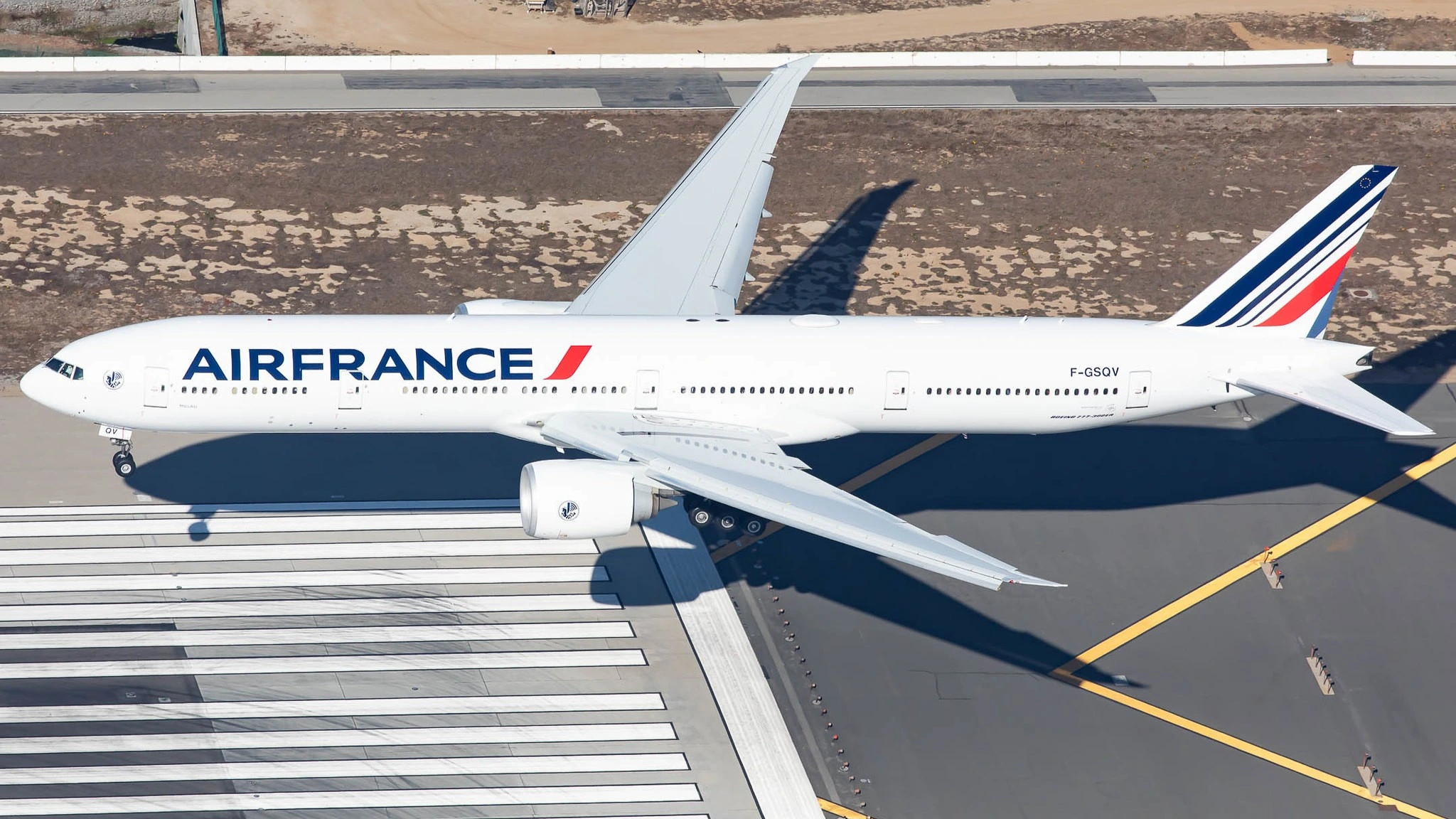
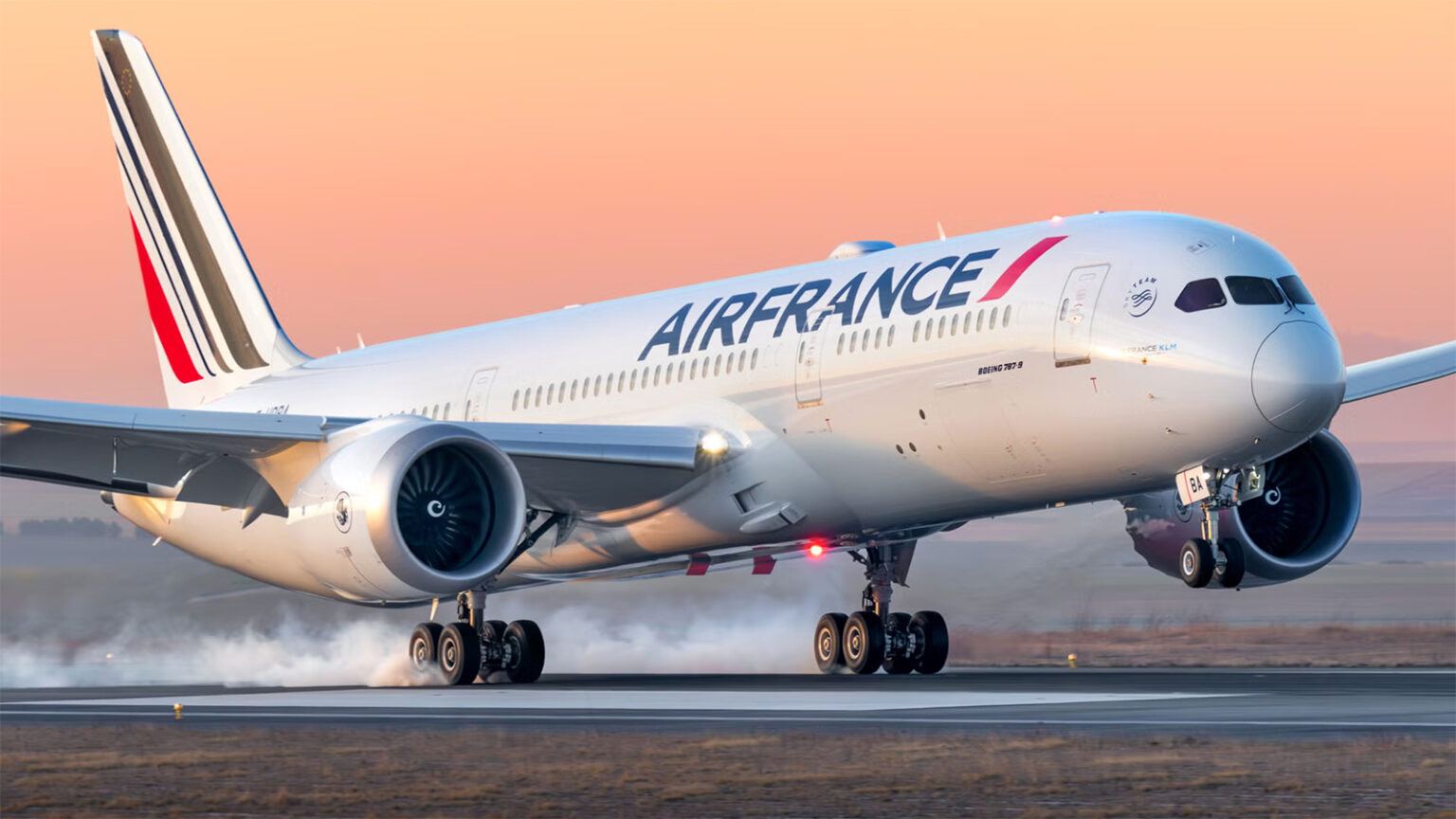
Air France flight AF386, a scheduled long-haul service from Paris Charles de Gaulle (CDG) to Dubai International (DXB), successfully executed an emergency landing back in Paris following a technical malfunction shortly after departure. The flight crew declared a general emergency (Squawk 7700) and performed a safe return, ensuring the security of all passengers and crew on board.
The incident involving Air France flight AF386 serves as a significant case study in modern aviation safety protocols and the reliability of long-haul twin-engine aircraft. As of 2026, the procedures followed during this emergency remain a benchmark for pilot training and air traffic control coordination. Understanding the nuances of this event requires a deep dive into the technical specifications of the aircraft, the legal rights of the passengers involved, and the rigorous maintenance standards upheld by Air France.
The Timeline of Flight AF386: From Departure to Emergency Landing
Flight AF386 is a flagship route for Air France, connecting the European hub of Paris with the global crossroads of Dubai. On the day of the incident, the aircraft—a Boeing 777-300ER—departed Charles de Gaulle Airport according to its scheduled slot. However, the routine nature of the climb-out was interrupted when the flight crew identified a critical technical discrepancy.
Initial reports indicated that shortly after reaching an initial cruising altitude, the cockpit crew noticed an anomaly related to the aircraft's systems. In aviation, the decision to return to the origin airport is never taken lightly, especially for a flight loaded with fuel for a seven-hour journey to the Middle East. After consulting quick reference handbooks (QRH), the pilots made the decision to initiate a "Squawk 7700."
A Squawk 7700 is the international transponder code used to signal a general emergency. This code immediately alerts all surrounding air traffic control (ATC) units that the aircraft requires priority handling. For AF386, this meant a cleared path back to Paris CDG, bypassing standard arrival sequences and holding patterns. The aircraft performed a series of maneuvers to descend safely and align with the runway, eventually touching down without further incident. Emergency services, including the Airport Fire and Rescue Service (ARFF), were stationed along the runway as a standard precautionary measure.
Technical Profile: The Boeing 777-300ER
The aircraft utilized for the AF386 route is typically the Boeing 777-300ER, a workhorse of the Air France long-haul fleet. In 2026, the "Triple Seven" remains one of the most successful wide-body aircraft ever built, known for its range, capacity, and safety record.
Engine Reliability and Performance
The 777-300ER is powered by two General Electric GE90-115B engines. These are among the most powerful jet engines in the world. During an emergency landing like the one experienced by AF386, the redundancy of these engines is paramount. Even in a scenario involving a partial power loss or an engine shut-down, the aircraft is certified for Extended-range Twin-engine Operational Performance Standards (ETOPS), allowing it to fly for several hours on a single engine.
Fuel Jettisoning Procedures
One of the primary challenges for a long-haul aircraft returning shortly after takeoff is its weight. A Boeing 777-300ER taking off for Dubai carries a massive fuel load. Landing at a weight significantly above the Maximum Landing Weight (MLW) can stress the landing gear and braking systems.
To mitigate this, the pilots of AF386 may have utilized the aircraft’s fuel jettison (fuel dump) system. This system allows the crew to vent fuel through nozzles on the wingtips, reducing the aircraft's weight to a safe landing threshold. If time does not permit a full fuel dump, pilots are trained to perform an "overweight landing" procedure, which requires a specific inspection by maintenance crews before the aircraft can fly again.
Understanding the "Squawk 7700" Protocol
When the news of the AF386 emergency landing broke, much of the public focus was on the "7700" transponder code. It is essential to demystify what this code entails for the safety of the flight.
- Immediate Notification: The moment the pilot enters 7700 into the transponder, the aircraft’s icon on ATC radar screens begins to flash or changes color. This provides an immediate visual cue to controllers.
- Priority Routing: The aircraft is given "priority of service." This means other aircraft may be ordered to hold or divert to ensure the emergency flight has the shortest, most direct path to the runway.
- Ground Coordination: ATC coordinates with the destination airport to ensure that emergency vehicles (ambulances, fire trucks) are pre-positioned.
- Pilot Autonomy: In a 7700 situation, the pilot in command has the legal authority to deviate from any regulation or ATC instruction to the extent required to meet the emergency.
For AF386, the use of Squawk 7700 was a proactive measure. While the term "emergency" sounds dire, in modern aviation, it is often used for technical issues that are not immediately life-threatening but require the aircraft to land as soon as possible to prevent further escalation.
| Flight Aspect | Detail/Specification |
|---|---|
| Flight Number | AF386 |
| Route | Paris (CDG) to Dubai (DXB) |
| Aircraft Model | Boeing 777-300ER |
| Transponder Code Used | 7700 (General Emergency) |
| Departure Time (Typical) | Mid-afternoon |
| Primary Safety Outcome | Safe landing at Paris CDG; no injuries reported |
| Common Incident Causes | Pressurization issues, engine anomalies, or hydraulic leaks |
Impact on Passengers and Legal Rights (EU 261/2004)
An emergency landing of a flight like AF386 has significant logistical repercussions for the hundreds of passengers on board. In 2026, the European Union's regulations regarding passenger rights remain some of the most robust in the world.
Duty of Care
Air France is legally obligated to provide a "duty of care" to all passengers affected by the return to Paris. This includes:
- Communication: Providing timely updates on the nature of the delay and the expected time of re-departure.
- Refreshments and Meals: Providing vouchers or catering if the delay exceeds a certain number of hours.
- Accommodation: If the technical issue requires an overnight stay, the airline must provide hotel accommodation and transport between the airport and the hotel.
Compensation Eligibility
Under Regulation (EC) No 261/2004, passengers may be entitled to financial compensation if their arrival at the final destination (Dubai) is delayed by more than three hours. However, there is a caveat: "extraordinary circumstances." If the emergency landing was caused by a hidden manufacturing defect or an external factor beyond the airline's control, compensation might be denied. However, most routine technical failures are considered "inherent in the normal exercise of the activity of the air carrier," meaning passengers on AF386 would likely be eligible for compensation ranging from €600 per person, depending on the length of the final delay.
Air France Maintenance and Safety Standards in 2026
Air France operates under the strict oversight of the Direction Générale de l'Aviation Civile (DGAC) in France and the European Union Aviation Safety Agency (EASA). The emergency landing of AF386 triggers an automatic internal investigation and a mandatory report to these regulatory bodies.
Post-Incident Inspections
Following an emergency landing, the aircraft is taken out of service and moved to a maintenance hangar. Maintenance teams perform a "C-check" or a specific troubleshooting sequence based on the flight data recorder (FDR) and cockpit voice recorder (CVR) data. In the case of AF386, technicians would focus on the specific system that triggered the 7700 code—whether it was the bleed air system, the hydraulic actuators, or the engine control units.
The Role of Predictive Maintenance
By 2026, Air France has integrated advanced predictive maintenance AI. These systems analyze real-time data transmitted from the aircraft via satellite during flight. In many cases, the ground crew is aware of a developing technical issue even before the pilots declare an emergency. This data-driven approach has significantly reduced the number of mid-air emergencies, making incidents like the AF386 return rarer than in previous decades.
Operational Logistics: Re-accommodating a Wide-Body Flight
When a Boeing 777-300ER returns to base, Air France faces the challenge of re-accommodating up to 472 passengers (depending on the cabin configuration).
- Replacement Aircraft: If the original aircraft requires extensive repairs, Air France will attempt to sub-in a "spare" aircraft from their CDG hub to minimize the delay.
- Crew Hours: Flight crews have strict "duty time" limits. An emergency return and subsequent delay often mean the original crew will "time out," requiring a fresh crew to be called in from standby.
- Cargo and Luggage: All checked baggage and commercial cargo must be accounted for. If a different aircraft type is used for the replacement flight, the weight and balance calculations must be completely redone.
The efficiency with which Air France handles these logistics is a testament to their operational maturity. For a high-frequency route like Paris-Dubai, the airline often has the flexibility to move passengers onto later flights or partner airlines if a dedicated replacement flight is not immediately available.
Expert Guidance: What to Do If Your Flight Declares an Emergency
While experiencing an emergency landing like AF386 can be stressful, understanding the process can help passengers remain calm.
- Follow Crew Instructions Immediately: The cabin crew is trained for months on evacuation and emergency procedures. Their primary goal is your safety.
- Keep Your Seatbelt Fastened: Even after the emergency is declared and the plane seems stable, turbulence or sudden maneuvers can occur.
- Review the Safety Card: Refresh your memory on the location of the nearest exits and how to use the oxygen masks, even if you are a frequent flyer.
- Document the Delay: Keep your boarding passes and any communication from the airline. These will be vital if you need to file a claim for compensation under EU 261.
FAQs About Air France AF386 Emergency Landings
Is flight AF386 considered unsafe because of this incident?
No. An emergency landing is an example of the safety system working as intended. Pilots are trained to return to the airport at the first sign of a significant technical discrepancy to prevent a minor issue from becoming a major one. The Boeing 777-300ER has one of the best safety records in aviation history.
What is the most common reason for a Boeing 777 to return to Paris?
The most common reasons for technical returns (Squawk 7700) involve "minor-major" issues such as cabin depressurization, engine sensor malfunctions, or hydraulic leaks. These are issues that do not necessarily mean the plane is about to crash, but they violate the strict safety margins required for a long-haul over-water or desert flight.
How can I check if my Air France flight is delayed or diverted?
Passengers can use the official Air France app or website, which provides real-time "Flight Status" updates. Additionally, third-party services like FlightRadar24 or FlightAware offer detailed tracking of flight paths and transponder codes.
Will I get a refund if my flight AF386 makes an emergency landing?
Generally, you are not entitled to a full refund if the airline eventually gets you to your destination on a replacement flight. However, you are entitled to compensation for the delay (if it exceeds three hours) and the "duty of care" (meals/hotels) while you wait.
What happens to the fuel if the plane dumps it before landing?
When a plane like AF386 dumps fuel, it is released at a high altitude where it atomizes and evaporates before reaching the ground. This prevents environmental contamination at the airport level while allowing the aircraft to reach a safe landing weight.
Practical Recommendation for Travelers
If you are booked on Air France flight AF386 or any long-haul international service, the best course of action is to ensure you have comprehensive travel insurance that covers "trip delay" and "missed connections." While EU 261/2004 provides significant protection for flights departing from Paris, insurance can cover additional out-of-pocket expenses that the airline might not immediately reimburse. Always keep digital copies of your travel documents and stay informed through the airline's official communication channels to ensure a smooth transition in the event of an operational disruption.