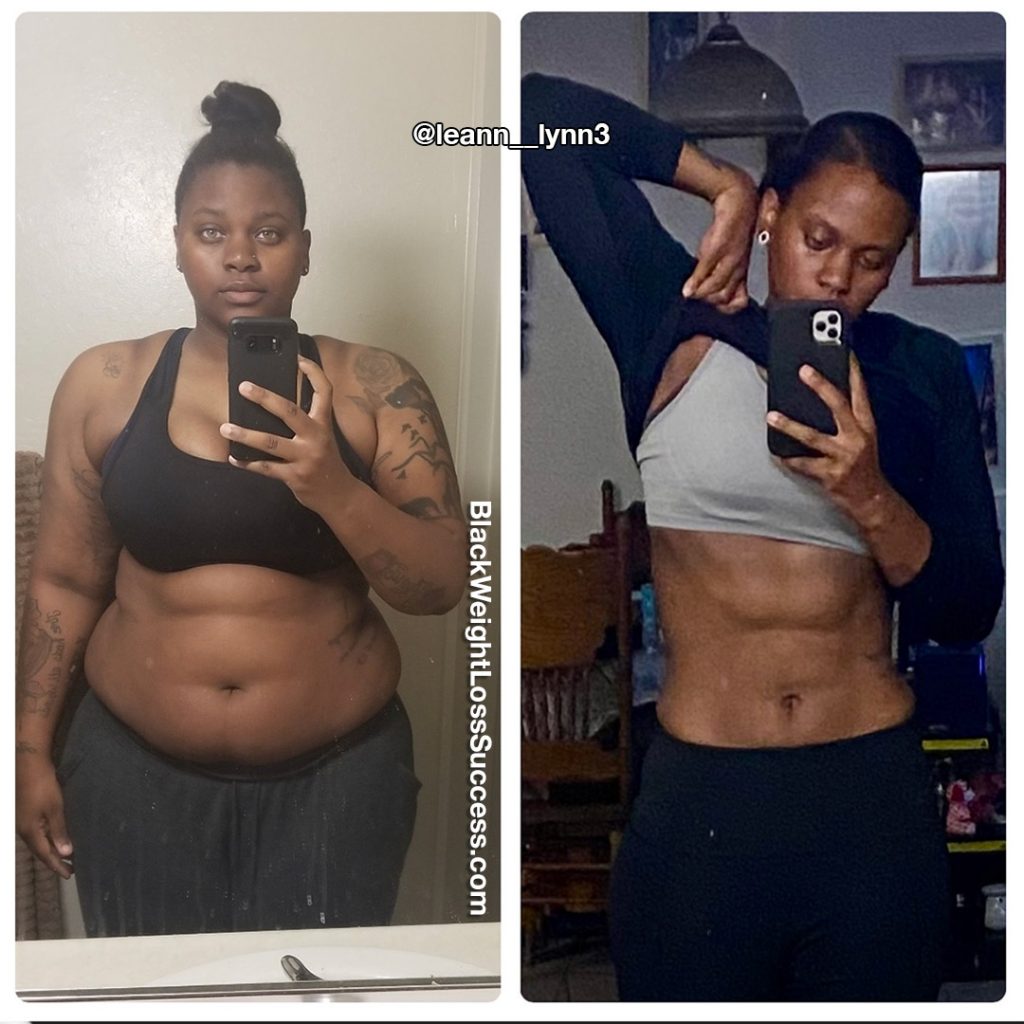
When a woman loses 100 pounds, she undergoes a profound transformation that reshapes not only her physical appearance but also her metabolic health, psychological well-being, daily lived experience, and social dynamics. Achieving a triple-digit weight loss milestone requires a sustained commitment to behavioral modifications, nutritional adjustments, and physical conditioning, often unfolding over the course of many months or years.
The Physiology of Major Weight Loss
Shedding 100 pounds alters the human body in radical ways. Understanding the physiological mechanisms at play helps demystify the journey and sets realistic expectations for what happens internally and externally.
Metabolic Adaptation and Energy Expenditure
As body mass decreases, the energy required to move and maintain that mass also declines. This phenomenon, known as metabolic adaptation, means that a lighter body burns fewer calories at rest and during physical activity than a heavier one.
- Basal Metabolic Rate (BMR): The calories required to sustain vital organ function drop as total body mass—including both fat tissue and lean muscle mass—decreases.
- Adaptive Thermogenesis: The body may aggressively downregulate energy expenditure to conserve fuel, making weight maintenance or continued loss harder over time.
- Hormonal Shifts: Hormones that regulate appetite and satiety, such as leptin and ghrelin, fluctuate significantly. Leptin, which signals fullness, decreases as fat stores shrink, while ghrelin, which stimulates hunger, often increases, creating a persistent biological drive to eat more.
Body Composition and Lean Mass Preservation
A common pitfall in rapid or unmonitored weight loss is the loss of lean muscle tissue alongside fat mass. Preserving skeletal muscle is vital for maintaining metabolic health and functional strength.
| Body Composition Metric | Higher Body Weight | Post-100-Pound Weight Loss |
|---|---|---|
| Visceral Fat | Elevated risk for metabolic syndrome | Significantly reduced |
| Insulin Sensitivity | Often impaired (insulin resistance) | Typically restored or improved |
| Joint Load | High mechanical stress | Substantially decreased |
| Cardiovascular Strain | Elevated resting heart rate/BP | Normalized resting hemodynamics |
Health Impacts and Clinical Outcomes
The medical benefits of losing 100 pounds are well-documented in clinical literature. For individuals classified with severe obesity (a body mass index, or BMI, of 40 or higher, or 35 with obesity-related co-morbidities), a significant weight reduction can reverse or ameliorate numerous chronic conditions.
Cardiovascular and Metabolic Improvements
Carrying excess adipose tissue places a heavy burden on the cardiovascular system. As weight decreases, blood volume drops, and the heart does not need to pump as hard to perfuse tissues.
- Blood Pressure: Many individuals successfully reduce or eliminate hypertension medications as systolic and diastolic pressures normalize.
- Glycemic Control: For those with type 2 diabetes or prediabetes, substantial weight loss frequently leads to improved hemoglobin A1C levels, sometimes resulting in disease remission under medical supervision.
- Lipid Profiles: Triglyceride levels generally drop, and high-density lipoprotein (HDL) cholesterol may improve, lowering overall cardiovascular risk.
Musculoskeletal Relief
The mechanical load on weight-bearing joints—specifically the knees, hips, and lumbar spine—drops exponentially when a person loses 100 pounds. Every single pound of weight loss removes roughly four pounds of pressure from the knees during movement. This reduction in load decreases the progression of osteoarthritis, alleviates chronic back pain, and restores mobility and exercise tolerance.
Nutritional and Behavioral Foundations
Sustainable weight loss of this magnitude is rarely achieved through temporary dieting. It demands permanent shifts in how an individual interacts with food, manages stress, and approaches daily routines.
Caloric Deficit and Dietary Quality
At its core, weight loss requires a sustained caloric deficit, meaning the body expends more energy than it consumes from food and beverages. However, the composition of those calories matters profoundly for satiety, muscle preservation, and micronutrient adequacy.
- Protein Intake: Consuming adequate protein helps preserve lean muscle mass during a caloric deficit and enhances the thermic effect of food.
- Fiber and Volume: Incorporating nutrient-dense, high-fiber foods such as vegetables, fruits, legumes, and whole grains promotes fullness without excessive caloric intake.
- Behavioral Flexibility: Rigid dietary rules often lead to burnout. Successful maintainers typically adopt flexible restraint, allowing for occasional treats while maintaining an overall caloric balance.
Psychological and Emotional Dimensions
Food is frequently used as a coping mechanism for stress, trauma, or emotional distress. When those coping mechanisms are removed through dietary changes, individuals must confront underlying emotional challenges.
- Identity Shifting: Adapting to a smaller body can trigger complex psychological adjustments, sometimes referred to as "phantom fat syndrome," where the brain still perceives the body as its previous size.
- Social Dynamics: Relationships with friends, family members, and partners may shift as social routines (such as dining out or drinking) change.
- Body Image Adjustment: Loose skin and changes in physical proportions require time and self-compassion to accept.
Surgical Versus Non-Surgical Pathways
Losing 100 pounds can be accomplished through various medical and lifestyle interventions. The chosen pathway depends on individual health profiles, metabolic factors, and personal preferences.
Bariatric Surgery
Procedures such as Roux-en-Y gastric bypass, sleeve gastrectomy, and duodenal switch are among the most effective interventions for losing 100 pounds or more and keeping it off long-term.
- Mechanism: Surgery alters the anatomy of the digestive tract, restricting the volume of food the stomach can hold and, in some cases, altering gut hormones to reduce appetite.
- Requirements: Candidates typically must meet specific BMI thresholds and complete psychological and nutritional evaluations before approval.
- Post-Operative Care: Lifelong supplementation of vitamins and minerals is mandatory to prevent deficiencies.
Medical Weight Management and Pharmacotherapy
The advent of advanced anti-obesity medications, such as GLP-1 receptor agonists, has expanded non-surgical options for substantial weight loss.
- Pharmacotherapy: These medications mimic natural gut hormones to slow gastric emptying and signal satiety to the brain, helping patients adhere to a caloric deficit.
- Lifestyle Integration: Medications are most effective when combined with structured nutritional counseling, behavioral therapy, and consistent physical activity.
Lifestyle Modification Alone
Achieving a 100-pound loss through diet and exercise alone requires meticulous planning, consistency, and often years of dedicated effort. While statistically less common for maintaining long-term loss compared to surgical interventions, many individuals succeed through comprehensive habit restructuring.
Practical Guidance and Next Actions
For anyone embarking on or currently navigating a major weight loss journey, structured planning minimizes setbacks and protects long-term health.
- Consult Healthcare Professionals: Before starting any aggressive weight loss regimen, undergo a comprehensive medical evaluation to check metabolic panels, vitamin levels, and cardiovascular health.
- Prioritize Sustainable Changes: Avoid restrictive crash diets that eliminate entire food groups. Focus on gradual, repeatable adjustments to dietary habits.
- Incorporate Strength Training: Protect bone density and metabolic rate by including resistance exercises at least two to three times per week.
- Build a Support Network: Engage with registered dietitians, mental health professionals, or support communities specializing in weight management.
Frequently Asked Questions
How long does it take to safely lose 100 pounds?
Most medical guidelines recommend a safe and sustainable weight loss rate of 1 to 2 pounds per week. At this pace, losing 100 pounds typically takes between 12 to 24 months. Rapid weight loss increases the risk of gallstones, muscle loss, and nutritional deficiencies.
What happens to loose skin after losing 100 pounds?
The development of loose skin depends on factors such as age, genetics, the duration of obesity, and the speed of weight loss. Younger skin with higher collagen and elastin content tends to retract more effectively, but losing 100 pounds often leaves noticeable excess skin. Some individuals manage this with supportive garments and strength training, while others explore surgical options like panniculectomy or abdominoplasty.
Is weight regain inevitable after losing 100 pounds?
Weight regain is a common challenge due to metabolic adaptation and the hormonal drive to restore previous fat stores. However, regain is not inevitable. Individuals who successfully maintain their weight loss long-term typically engage in high levels of physical activity, monitor their weight regularly, eat a consistent diet high in protein and fiber, and maintain ongoing behavioral accountability.
Can you lose 100 pounds without surgery?
Yes, losing 100 pounds without surgery is entirely possible through a combination of sustained caloric deficits, nutritional adjustments, increased physical activity, and behavioral therapy. In some cases, physician-prescribed anti-obesity medications are used to support non-surgical weight loss efforts.
How does major weight loss affect mental health?
While many individuals experience improvements in self-esteem, mood, and confidence, major weight loss does not automatically resolve underlying psychological concerns like anxiety or depression. Some people experience unexpected emotional vulnerability as they adjust to new social interactions and changes in body image, making mental health support an important component of the journey.