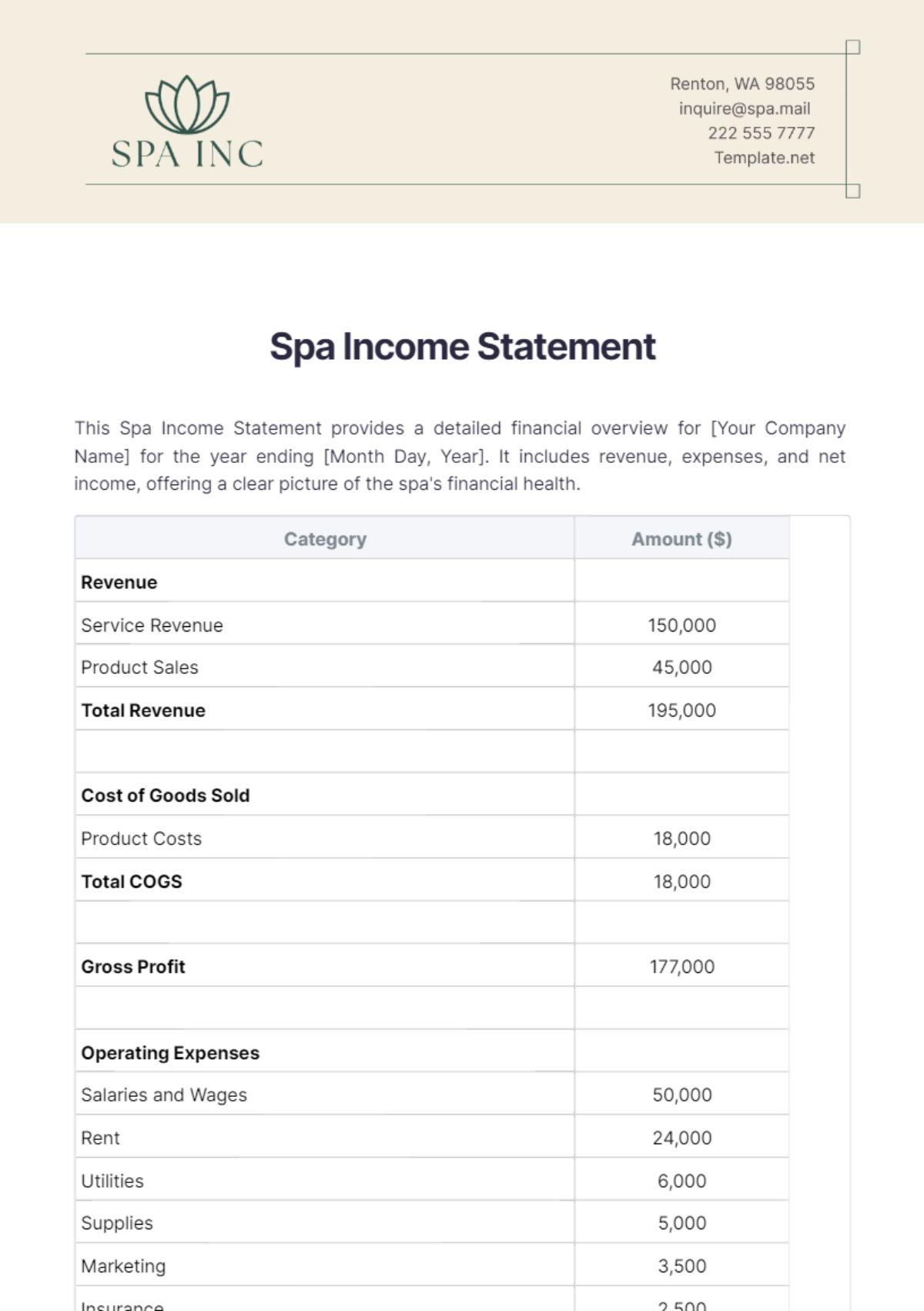
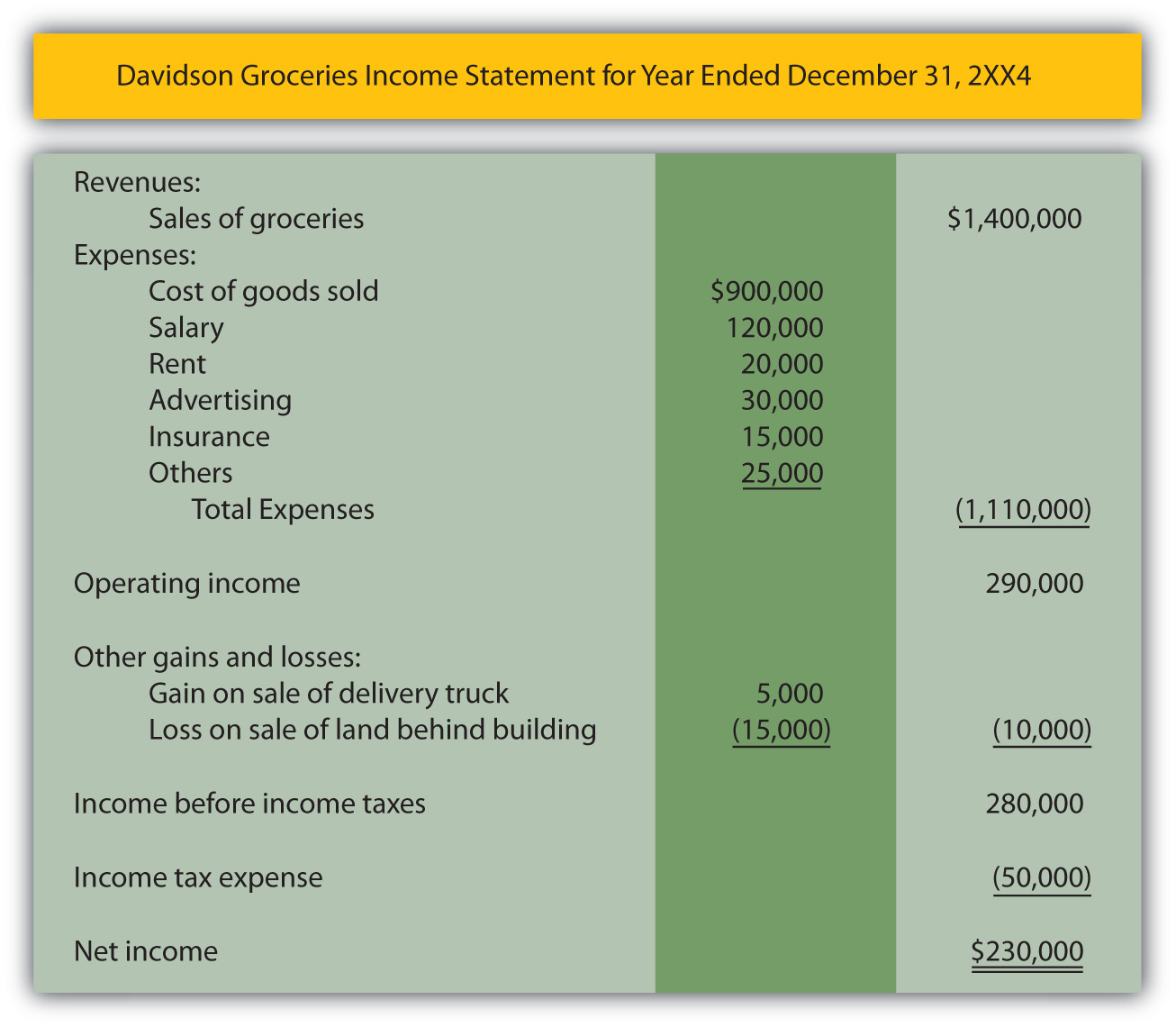
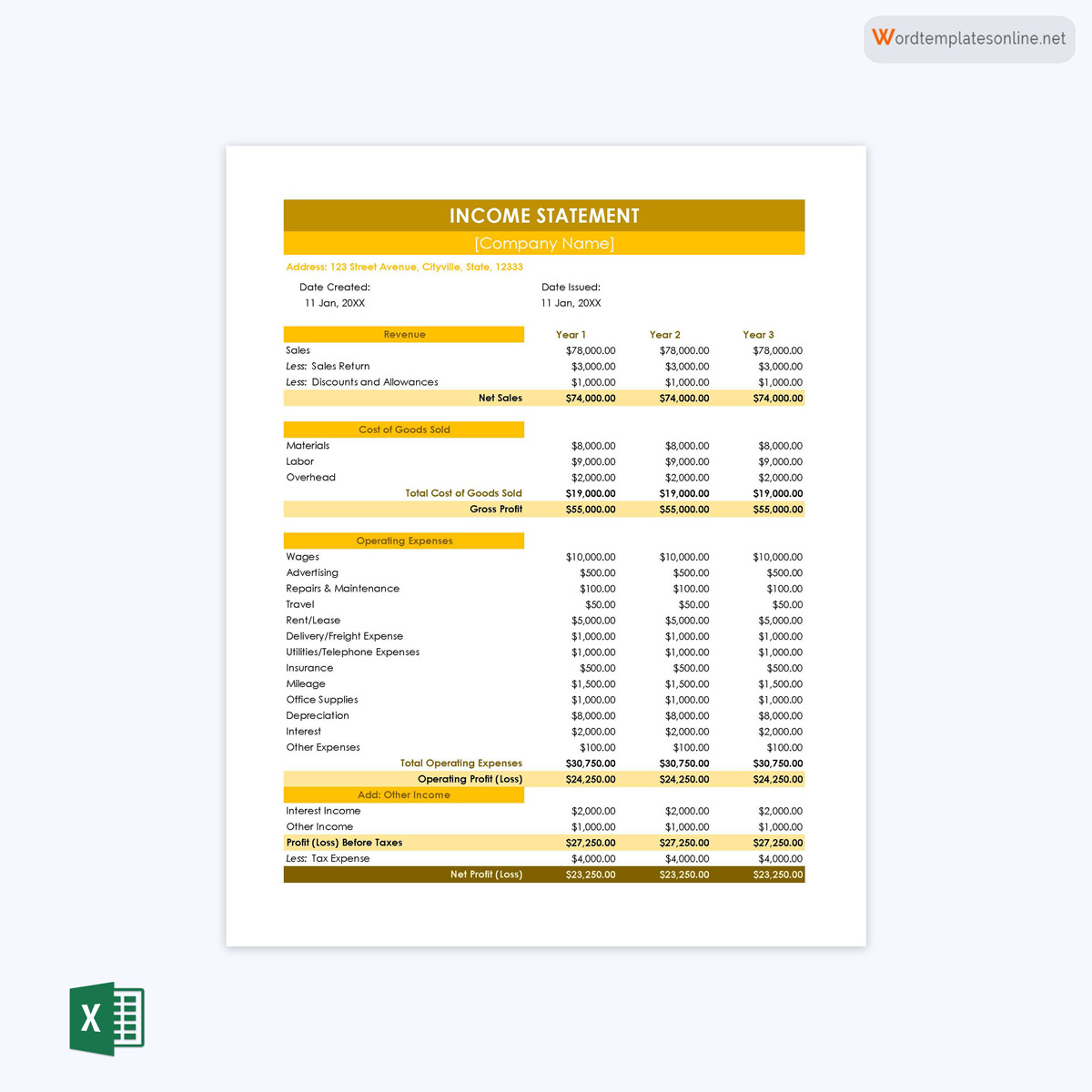
An income statement, also known as a profit and loss (P&L) statement, is a financial document that summarizes a business's revenues, costs, and expenses over a specific period. It reveals the company’s ability to generate profit by increasing revenue, reducing costs, or both. This fundamental tool provides the essential "bottom line"—net income—that indicates the fiscal health of an organization.
The Anatomy of an Income Statement
At its core, an income statement is a simple mathematical equation: Revenue minus Expenses equals Net Income. While the actual financial records of a large corporation may involve thousands of ledger entries, a simple income statement serves as a clear, distilled snapshot of performance for small business owners, sole proprietors, and finance students.
To understand how to read or construct one, you must first recognize the three primary components that populate the document:
- Revenues (or Sales): The total amount of money brought in by the sale of goods or services related to the company’s primary operations.
- Expenses: The costs incurred during the normal operation of the business, such as rent, salaries, utilities, and marketing.
- Net Income (or Loss): The residual amount left over after all expenses have been subtracted from revenue. If this number is positive, the business has achieved a profit; if negative, the business has sustained a loss.
Step-by-Step Construction: A Practical Example
Constructing a simple income statement involves organizing financial data chronologically and logically. Most income statements are organized in a "multi-step" format, which separates operating items from non-operating items.
Step 1: Establish the Reporting Period
An income statement covers a specific duration—typically a month, a quarter, or a fiscal year. Unlike a balance sheet, which is a "point-in-time" snapshot, the income statement is a "flow" document. You cannot create an accurate statement without defining a clear start and end date.
Step 2: Calculate Gross Revenue
List the total income from all sales. If your business provides refunds or accepts returns, these are subtracted from the gross revenue to arrive at "Net Sales." For example, if you sold $50,000 worth of merchandise but issued $2,000 in refunds, your Net Sales figure is $48,000.
Step 3: Deduct Cost of Goods Sold (COGS)
COGS represents the direct costs associated with producing the products sold by a company. This includes raw materials and direct labor. Subtracting COGS from Net Sales gives you your Gross Profit. This figure is vital because it shows how efficiently a company produces its goods before considering overhead costs.
Step 4: Identify Operating Expenses
These are the "overhead" costs of running the business, which are generally categorized as Selling, General, and Administrative (SG&A) expenses. Common examples include:
- Rent and utilities for office or retail space.
- Marketing and advertising costs.
- Salaries for administrative and management staff.
- Insurance and office supplies.
Step 5: Determine Operating Income and Net Income
Subtract your operating expenses from your Gross Profit to find your Operating Income (often referred to as EBIT—Earnings Before Interest and Taxes). Finally, subtract any interest payments, taxes, or one-time losses to arrive at your final Net Income.
A Simple Income Statement Template
The table below illustrates a standard, simplified structure for a service-based small business covering the fiscal year 2026.
| Category | Amount (USD) |
|---|---|
| Total Revenue | $100,000 |
| Cost of Goods Sold (COGS) | ($20,000) |
| Gross Profit | $80,000 |
| Operating Expenses: | |
| - Rent | ($12,000) |
| - Payroll | ($30,000) |
| - Marketing | ($5,000) |
| - Utilities | ($3,000) |
| Total Operating Expenses | ($50,000) |
| Operating Income (EBIT) | $30,000 |
| Interest & Taxes | ($6,000) |
| Net Income | $24,000 |
Why the Income Statement Matters
The primary purpose of the income statement is to provide a basis for informed decision-making. Investors use it to determine if a company is worth investing in, while creditors use it to evaluate the company’s ability to repay debt. Internally, business owners use it to identify trends. For instance, if your revenue is consistent but your net income is shrinking year over year, the income statement highlights that your expenses—perhaps payroll or supply costs—are rising faster than your sales.
Common Pitfalls and Troubleshooting
Even with a simple template, errors can occur that misrepresent the financial health of the business. Be mindful of these common issues:
- Mixing Cash and Accrual Accounting: Cash accounting records transactions only when money changes hands. Accrual accounting records them when they are earned or incurred. If you mix these methods, your statement will not accurately reflect your financial position. Consistency is the cardinal rule of accounting.
- Omitting Non-Cash Expenses: Beginners often forget "Depreciation." If you bought a $10,000 machine that will last five years, you should record a portion of that cost as an expense each year. Failing to do so makes your current profits look higher than they actually are.
- Misclassifying Expenses: Not all costs are operating expenses. Capital expenditures (like purchasing a building) should be placed on a balance sheet as an asset, not fully deducted as an expense on the income statement in the month they were purchased.
Distinguishing Between Financial Statements
While the income statement is essential, it is only one piece of the puzzle. It must be viewed in tandem with other reports to provide a complete picture:
- Balance Sheet: Shows assets, liabilities, and equity at a specific moment.
- Cash Flow Statement: Shows the movement of actual cash in and out of the business, which is different from "profit" because some sales may be made on credit (accounts receivable).
Frequently Asked Questions
1. Does a net loss on an income statement mean a company is failing? Not necessarily. A startup company may show a net loss while in a growth phase, as it spends heavily on R&D or marketing to capture market share. However, consistent losses over several years without a clear path to profitability indicate fundamental operational issues.
2. How often should I prepare an income statement? Most businesses prepare them monthly, quarterly, and annually. Monthly statements allow for quick adjustments to spending, while annual statements are typically required for tax reporting and formal business reviews.
3. What is the difference between Gross Profit and Net Income? Gross Profit only subtracts the costs directly tied to producing your product (COGS). Net Income is the final figure after every cost of doing business—including taxes, interest, and overhead—has been accounted for.
4. Where do I include taxes on the income statement? Taxes are typically listed near the bottom of the statement. You first calculate your Earnings Before Taxes (EBT), subtract the tax provision, and then arrive at the final Net Income.
5. Can I use income statements to predict future performance? While you cannot guarantee future results, income statements are excellent for "trend analysis." By comparing statements over several years, you can see if your profit margins are expanding or shrinking, helping you project future growth or necessary efficiency improvements.
Professional Guidance and Limitations
While a simple income statement can be prepared using standard accounting software or spreadsheet templates, business owners should consult with a certified accountant or tax professional when dealing with complex revenue streams, depreciation schedules, or multi-jurisdictional tax obligations. Financial regulations, such as the Generally Accepted Accounting Principles (GAAP) in the United States, dictate specific standards for how certain items must be reported.
As a next step, reconcile your bank records for the current quarter and categorize each expense. If you find your documentation is messy, move to a standardized digital accounting system. Consistently updating your income statement is the single most effective way to maintain visibility over your financial health and move from reactive management to proactive strategy.