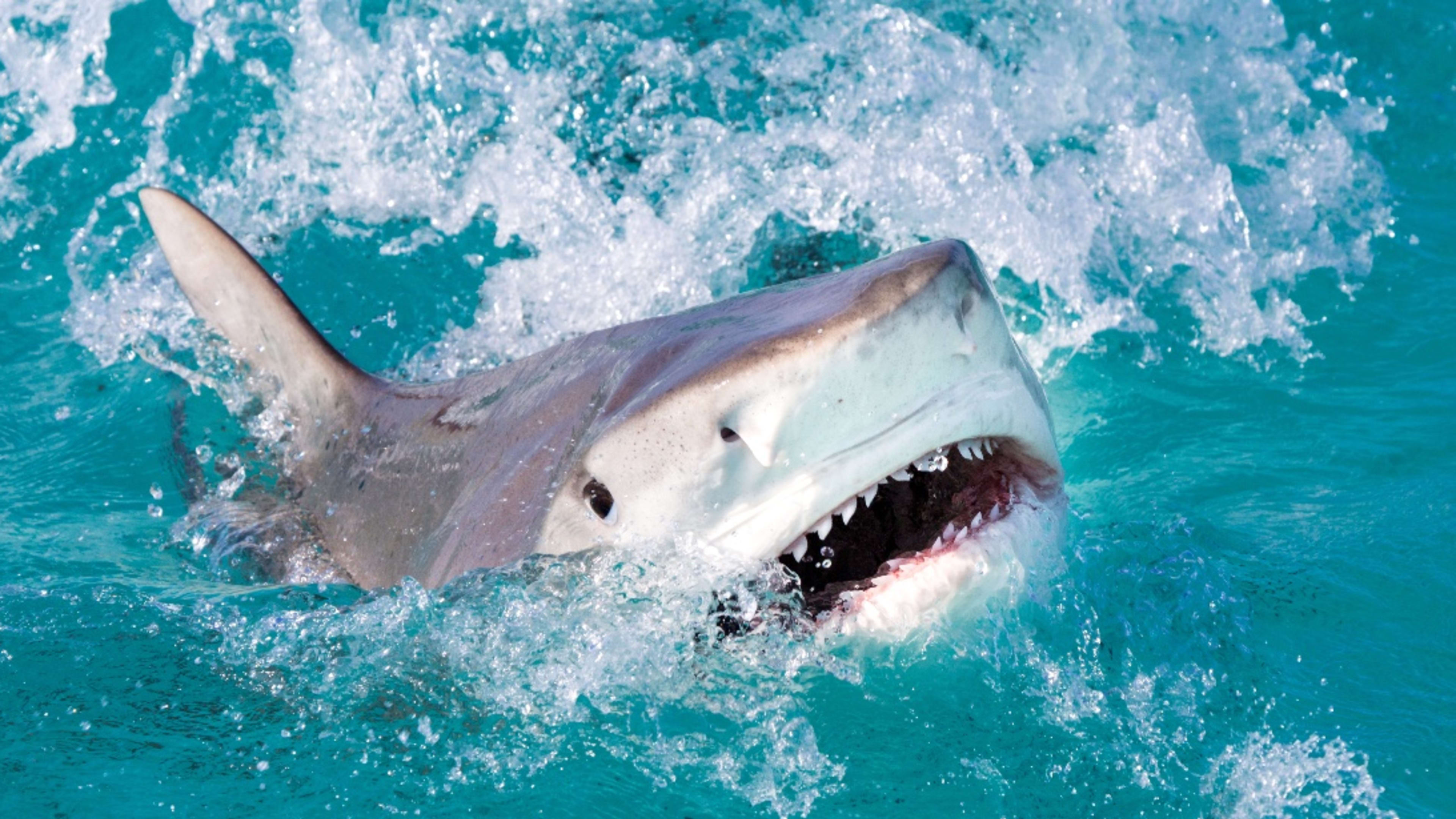
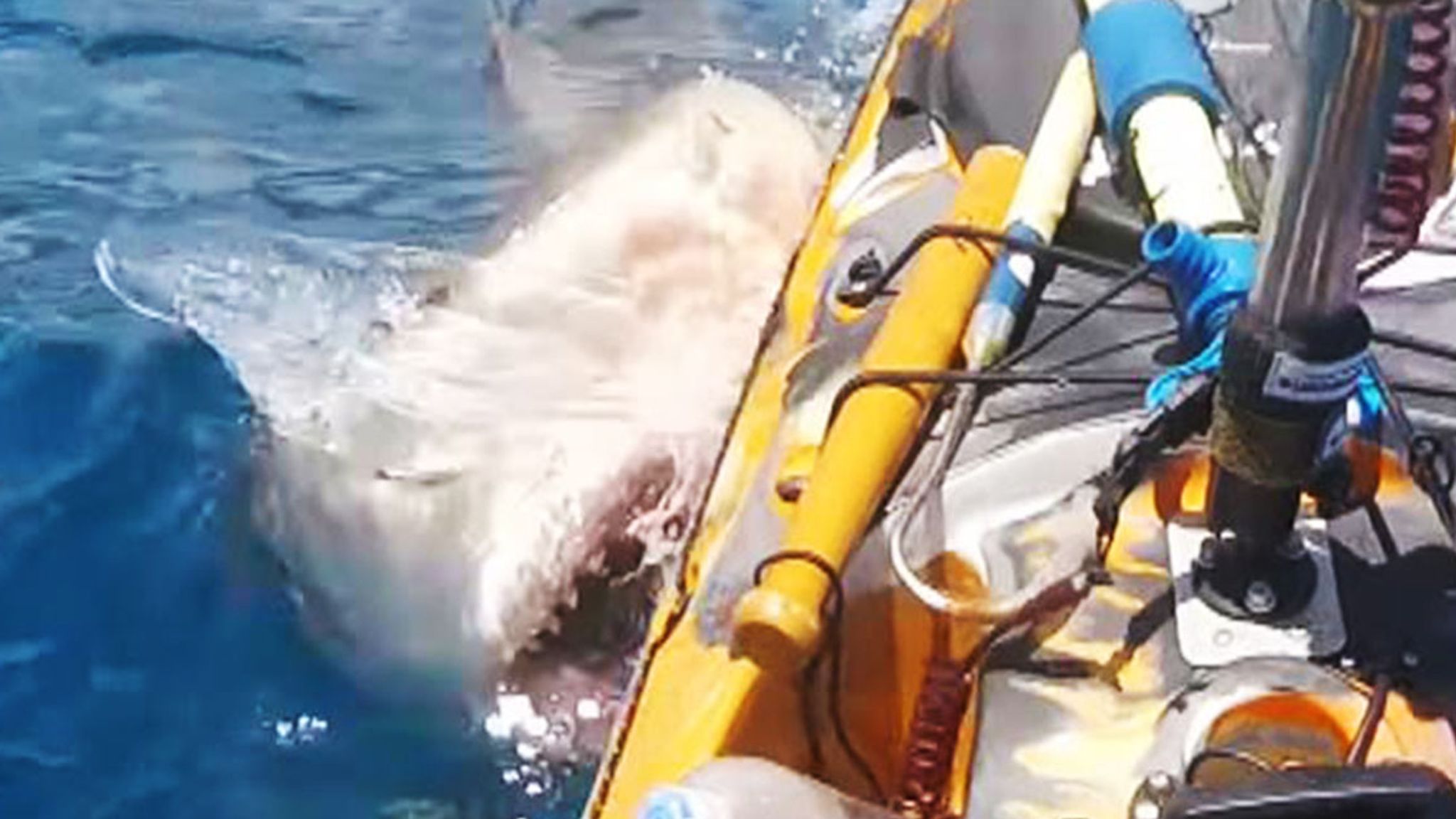
Shark attacks in Hawaii are statistically rare, with the state typically recording between seven and ten unprovoked incidents annually. Given that millions of residents and tourists enter the ocean every year, the mathematical probability of an encounter is less than one in a million. Most incidents involve non-fatal bites from tiger sharks.
For decades, the image of Hawaii has been inextricably linked to its pristine turquoise waters and world-class surfing. However, the question of safety regarding apex predators remains a primary concern for many visitors. While the fear of sharks—galeophobia—is a common human response to the unknown, a data-driven analysis of Hawaii’s marine environment reveals a complex ecosystem where sharks and humans coexist with remarkably few negative interactions. As of 2026, state monitoring programs and advancements in marine biology provide a clearer picture than ever before regarding where, when, and why these rare incidents occur.
The Statistical Reality of Shark Incidents in Hawaii
To determine if shark attacks are "common," one must look at the raw data provided by the Hawaii Department of Land and Natural Resources (DLNR). Historically, and continuing into 2026, the number of unprovoked shark encounters has remained consistently low despite an increase in the total number of people participating in ocean-based activities such as snorkeling, foiling, and long-distance swimming.
On average, Hawaii sees approximately 7 to 10 unprovoked shark incidents per year. When compared to the estimated 10 million visitors and nearly 1.5 million residents who utilize the beaches annually, the risk factor is negligible. Statistically, ocean users are significantly more likely to face dangers from strong rip currents, shore-break injuries, or even lightning strikes than from a shark.
The term "attack" is also being increasingly scrutinized by marine biologists and the DLNR. In 2026, official reporting often distinguishes between "bites," "encounters," and "provoked incidents." A provoked incident occurs when a human touches, hooks, or otherwise harasses a shark, often while fishing or diving. Unprovoked incidents, which are the primary concern for swimmers, are those where the shark initiates contact in its natural habitat without human provocation.
Why Geography Matters: The Maui Nu’i Factor
While the overall risk across the Hawaiian Islands is low, data shows that incidents are not distributed equally across the archipelago. Maui consistently records a higher number of shark encounters than Oahu, Kauai, or the Big Island. This is not a matter of chance; it is rooted in the unique underwater topography of the region.
The islands of Maui, Molokai, Lanai, and Kahoolawe sit on a massive underwater plateau known as the Maui Nu’i complex. This area is characterized by vast stretches of relatively shallow water (less than 600 feet deep). Tiger sharks, the species most frequently involved in Hawaiian encounters, prefer these shallow shelf habitats for foraging.
In contrast, the Big Island of Hawaii has very little shelf area; the ocean floor drops off precipitously to thousands of feet just a short distance from the shore. This deep-water environment is less attractive to the large tiger sharks that roam the coastal shelves of Maui. Therefore, while swimming on any island is statistically safe, ocean users in Maui are encouraged to be more vigilant, especially in areas with known turtle populations or near offshore shelves.
Primary Species of Concern: The Tiger Shark
Of the approximately 40 species of sharks found in Hawaiian waters, only a few are known to interact with humans. The species most frequently identified in unprovoked incidents is the Tiger Shark (Galeocerdo cuvier).
The Role of the Tiger Shark
Tiger sharks are apex predators and opportunistic scavengers. They play a vital role in the marine ecosystem by removing the sick and weak from the population, particularly among green sea turtles (Chelonia mydas). Because tiger sharks are curious and have a highly varied diet, they may occasionally "test" an object in the water—such as a surfboard or a swimmer—to determine if it is prey. Unfortunately, even a "test bite" from a large tiger shark can cause significant injury.
Other Species in Hawaii
- Galapagos Sharks: Often seen by divers and those on pelagic tours, these sharks are generally not aggressive toward humans but can become territorial in the presence of food.
- Reef Sharks: Both Whitetip and Blacktip reef sharks are common on Hawaiian reefs. These species are generally shy and pose almost no threat to swimmers unless provoked or cornered.
- Great White Sharks: While extremely rare, Great Whites do visit Hawaii during the winter months, following the migration of whales or looking for cooler water. However, recorded incidents involving Great Whites in Hawaii are virtually non-existent in modern records.
Seasonal Patterns and Environmental Triggers
Shark activity in Hawaii is not constant; it fluctuates based on biological cycles and environmental conditions. Research conducted by the University of Hawaii’s Hawaii Institute of Marine Biology (HIMB) has identified several key factors that increase the likelihood of an encounter.
The October through December Spike
There is a statistically significant increase in shark bites during the months of October, November, and December. Native Hawaiian tradition has long recognized this period, often warning against entering the water when the wiliwili tree blooms. Scientifically, this coincides with the migration of pregnant female tiger sharks from the Northwestern Hawaiian Islands to the main islands to pup. These sharks are hungrier and may be more inclined to forage in coastal waters, increasing the chance of a human encounter.
Water Clarity and Run-off
One of the most critical factors in shark safety is water visibility. Sharks rely on multiple senses, including their Ampullae of Lorenzini (electro-receptors) and their lateral line (vibration detection), but they also use sight. In murky or turbid water—often caused by heavy rain and river run-off—a shark may mistake a human's movement or a reflective piece of jewelry for a fish or a turtle.
Shark Incident Comparison by Island (Estimated 10-Year Average)
The following table illustrates the distribution of unprovoked shark incidents across the main Hawaiian Islands based on historical data trends maintained through 2026.
| Island | Average Annual Incidents | Primary Habitat Type | Risk Level |
|---|---|---|---|
| Maui | 3 - 5 | Wide, shallow insular shelf | Moderate (Relative) |
| Oahu | 1 - 2 | Mixed reef and deep drop-offs | Low |
| Hawaii (Big Island) | 0 - 1 | Steep volcanic drop-offs | Very Low |
| Kauai | 1 - 2 | Older, eroded reef structures | Low |
| Molokai/Lanai | < 1 | Shallow shelf (low human density) | Low |
Safety Guidelines: How to Minimize Risk
While the chances of an encounter are slim, following established "Shark Smart" protocols can further reduce the risk. These guidelines are based on shark behavior and decades of incident analysis.
- Avoid Murky Water: Do not swim after heavy rains, especially near river mouths. The run-off brings organic debris that attracts fish, which in turn attracts sharks.
- Swim with a Partner: Most shark incidents involve individuals who are alone. Having a partner not only provides a second pair of eyes but also ensures help is available if any emergency occurs.
- Avoid Peak Feeding Times: While sharks can be active at any time, many species are crepuscular, meaning they are most active at dawn and dusk.
- Stay Away from Prey Sources: If you see a large school of fish, a pod of dolphins, or a dead animal in the water, leave the area. Sharks are likely nearby. Similarly, avoid swimming in areas where people are fishing or spearfishing.
- Remove Shiny Jewelry: Reflection from jewelry can mimic the shimmer of fish scales, potentially attracting a shark's attention in low-visibility conditions.
- Respect "Aumakua": In Hawaiian culture, sharks (mano) are often seen as aumakua—ancestral guardians. Approaching the ocean with respect and mindfulness of the ecosystem is a core tenet of local water safety.
The Role of Modern Technology in Shark Safety
By 2026, technology has played an increasing role in mitigating shark-human conflict. Various "shark deterrent" devices, such as those emitting electromagnetic pulses, are now commonly used by surfers and long-distance swimmers. While the effectiveness of these devices varies, independent testing has shown that high-quality electromagnetic deterrents can successfully turn away curious sharks.
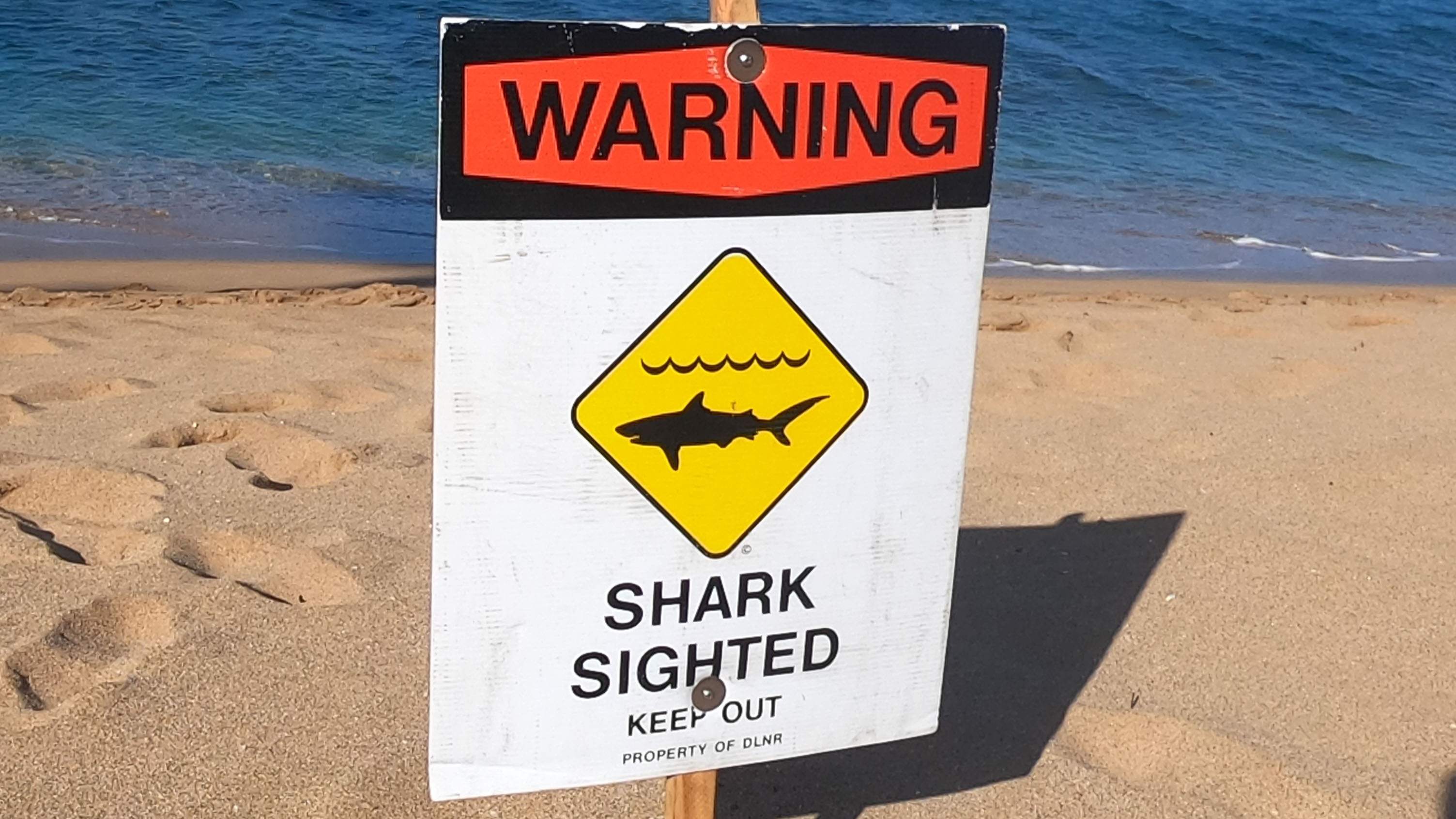
Furthermore, the State of Hawaii utilizes real-time reporting via mobile apps and social media. If a large shark is sighted near a popular beach like Waikiki or Kaanapali, lifeguards can quickly clear the water and issue alerts that reach thousands of users instantly. This rapid communication has been instrumental in keeping the number of incidents low even as beach attendance grows.
Common Myths vs. Facts
Myth: Sharks hunt humans.
Fact: Humans are not a natural part of a shark's diet. Most bites are "investigatory" or "mistaken identity." If sharks actively hunted humans, there would be thousands of attacks daily given the number of people in the water.
Myth: Seeing a dolphin means there are no sharks.
Fact: This is a dangerous misconception. Sharks and dolphins often occupy the same habitats and eat the same food. In some cases, large sharks may even prey on small or weakened dolphins.
Myth: A shark must keep swimming to stay alive.
Fact: While this is true for some species (obligate ram ventilators like the Great White), many sharks found in Hawaii, such as the Whitetip Reef shark, can rest on the bottom and pump water over their gills using buccal pumping.
Frequently Asked Questions
Which Hawaiian island has the most shark attacks?
Maui historically records the highest number of shark incidents. This is attributed to the wide, shallow shelf surrounding the island, which serves as a prime habitat for tiger sharks. Oahu follows Maui, primarily due to the high density of people in the water at any given time.
Are shark attacks in Hawaii fatal?
The vast majority of shark incidents in Hawaii are non-fatal. Because tiger sharks often engage in a single "bite and release" behavior when they realize a human is not their typical prey, victims are usually able to reach the shore and receive medical attention. Fatalities are extremely rare, averaging less than one every two to three years.
What is the most dangerous month for sharks in Hawaii?
Statistically, October and November see a peak in shark incidents. This period correlates with the migration of pregnant tiger sharks to the main Hawaiian Islands. However, "dangerous" is a relative term, as the risk remains incredibly low even during these months.
Are there Great White sharks in Hawaii?
Yes, but they are not common. Great Whites are typically "transient" visitors in Hawaii, usually appearing between January and April when the water temperatures are at their lowest. They tend to stay in deeper, offshore waters rather than near popular swimming beaches.
Does the state of Hawaii cull sharks?
No. Hawaii has strict laws protecting sharks, recognizing their ecological and cultural importance. Shark culling programs were attempted in the mid-20th century but were found to be ineffective at reducing the number of incidents and detrimental to the health of the marine ecosystem.
Practical Recommendation for Ocean Users
If you are planning to enjoy Hawaii’s waters in 2026, the best course of action is informed caution. Check the local surf and weather reports for water clarity updates, and always heed the warnings of county lifeguards. If a beach is closed due to a shark sighting, respect the closure and wait for the "all clear." By understanding that you are entering a wild environment and following basic safety protocols, you can enjoy the ocean with peace of mind, knowing that a shark encounter is one of the least likely events to occur during your stay.