A Plus Concrete & Foundation Repair in Bridgeville, PA, provides specialized structural stabilization, basement waterproofing, and concrete restoration services designed for the unique geological challenges of Western Pennsylvania. Homeowners typically utilize these services to resolve hydrostatic pressure issues, bowing basement walls, and foundation settlement caused by the region's expansive clay soils and frequent freeze-thaw cycles.
Maintaining a home in Bridgeville requires a keen understanding of how local environmental factors impact structural integrity. Whether you are dealing with a century-old home near Washington Avenue or a newer development on the outskirts of the borough, foundation health is the literal bedrock of your property value. As of 2026, the demand for specialized foundation intervention remains high due to aging infrastructure and increasingly volatile weather patterns in Allegheny County.
The Importance of Foundation Health in Western Pennsylvania
Western Pennsylvania is notorious among structural engineers for its "Pittsburgh Plateau" geology, characterized by heavy clay deposits and silt loam. These soil types are highly expansive, meaning they swell significantly when saturated with water and shrink during dry spells. This constant movement exerts immense pressure on residential foundations.
Understanding Hydrostatic Pressure
Hydrostatic pressure occurs when water accumulates in the soil surrounding a foundation. Because Bridgeville often experiences heavy spring rains and rapid snowmelt, the ground can become oversaturated. The weight of this water creates a force that pushes against foundation walls. Over time, this pressure leads to:
- Horizontal Cracking: Often appearing in the mortar joints of block walls.
- Bowing or Bulging: Where the center of the wall begins to lean inward.
- Shearing: When the bottom of the wall slides inward across the floor slab.
The Role of Freeze-Thaw Cycles
In 2026, climate data continues to show significant temperature swings in the Bridgeville area. When water in the soil freezes, it expands by approximately 9%. If this water is trapped against a concrete foundation, the expansion acts like a slow-motion sledgehammer, widening existing hairline fractures and creating new pathways for moisture. A Plus Concrete & Foundation Repair specializes in mitigating these specific regional stressors through both reactive repair and proactive waterproofing.
Comprehensive Services Offered by A Plus Concrete
When evaluating A Plus Concrete & Foundation Repair for your Bridgeville property, it is essential to understand the breadth of their technical capabilities. Foundation work is rarely a "one size fits all" industry; it requires a combination of masonry skill and mechanical engineering.
Foundation Stabilization and Support
For homes experiencing settlement—where one part of the house is sinking faster than the rest—stabilization is the primary goal. This often involves the installation of piers or anchors that bypass the unstable surface soil to reach deeper, more competent strata or bedrock. This prevents further "stair-step" cracking in brickwork and ensures windows and doors remain functional and square.
Basement Waterproofing Systems
Waterproofing is often the first line of defense. In Bridgeville, many older homes rely on terracotta drains that have collapsed over the decades. A Plus provides modern interior and exterior drainage solutions. Interior systems typically involve a sub-slab perimeter drain (often called a French drain) that directs water to a sump pump, effectively relieving the hydrostatic pressure before it can damage the walls.
Concrete Leveling and Repair
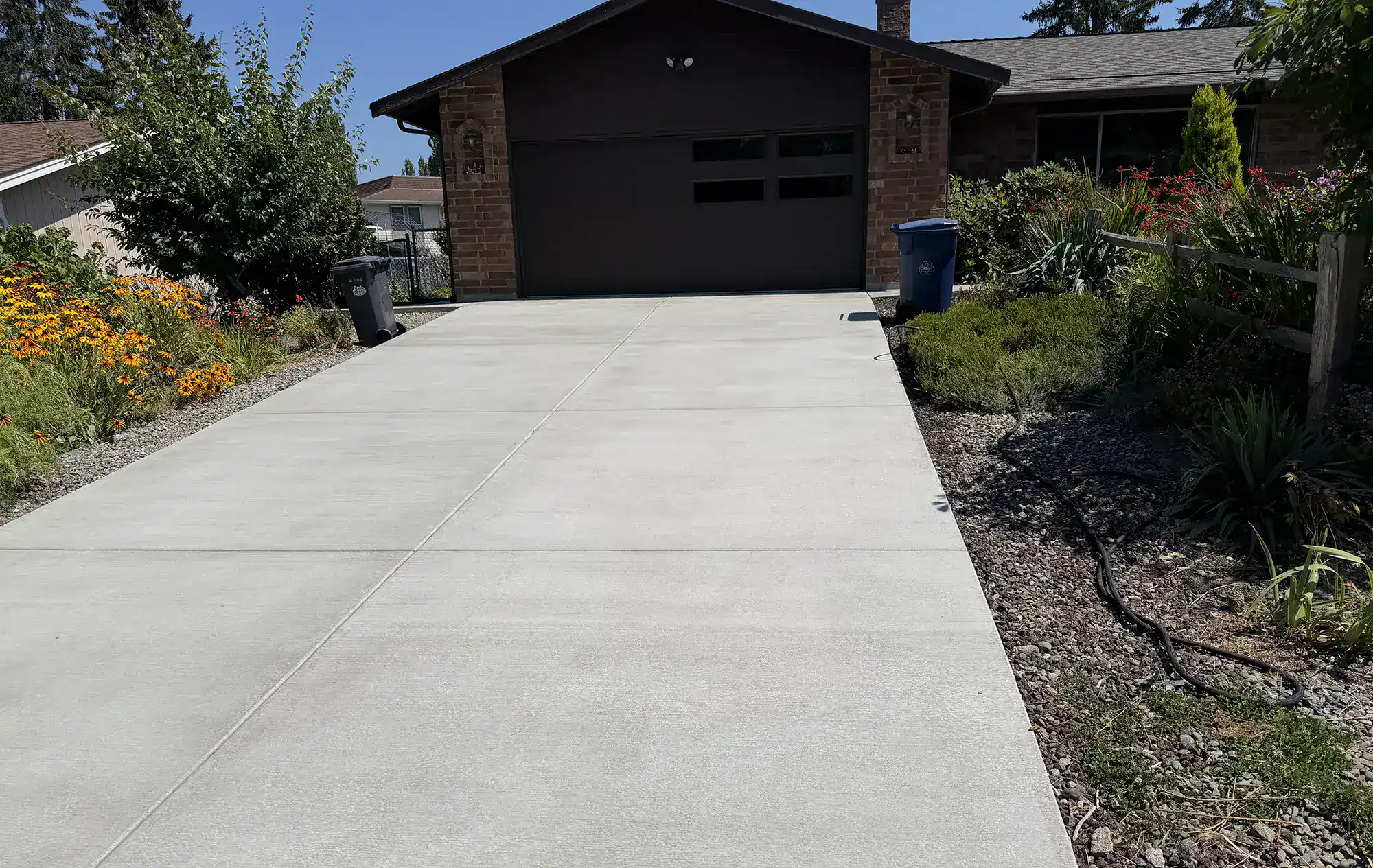
Beyond the foundation itself, the "concrete" aspect of the business covers driveways, sidewalks, and patio slabs. In the 15017 zip code, uneven walkways are not just an aesthetic issue but a liability. Using methods such as mudjacking or modern polyurethane foam injection (poly-leveling), A Plus can restore the grade of concrete surfaces to ensure proper water runoff away from the home’s foundation.
Technical Repair Methods: Choosing the Right Solution
A Plus Concrete & Foundation Repair utilizes several industry-standard technologies to address structural failures. Understanding these methods helps homeowners make informed decisions during the estimation process.
| Repair Method | Primary Use Case | Durability Rating | Cost Complexity |
|---|---|---|---|
| Epoxy/Urethane Injection | Sealing non-structural hairline cracks | Moderate | Low |
| Carbon Fiber Straps | Addressing minor to moderate inward wall bowing | High | Moderate |
| Steel I-Beam Reinforcement | Correcting severe structural wall failure/leaning | Excellent | High |
| Helical Piering | Mitigating vertical foundation settlement/sinking | Maximum | Very High |
| Interior French Drain | Managing hydrostatic pressure and seepage | High | Moderate |
Carbon Fiber Reinforcement
For walls that have begun to bow but have shifted less than two inches, carbon fiber reinforcement is a state-of-the-art solution. These straps are bonded to the interior of the foundation wall using high-strength epoxy. Carbon fiber has a tensile strength significantly higher than steel, preventing any further inward movement without the bulk of traditional beams.
Steel I-Beam Installation
In cases where the wall has moved significantly, steel I-beams are used. These are anchored into the floor slab and the floor joists above. They provide a rigid vertical brace that can, in some cases, be tightened over time to push the wall back toward its original position. This is a common requirement for the heavy cinder block foundations found throughout the South Hills.
Identifying Warning Signs: When to Call for a Professional Inspection
Bridgeville homeowners should perform a bi-annual "foundation walk-through," particularly after the heavy rains of April or the first hard freeze of November. Recognizing the following signs early can save tens of thousands of dollars in emergency stabilization costs.
- Stair-Step Cracks: Look at the exterior brickwork or interior block walls. Cracks that follow the mortar lines in a zig-zag pattern are a classic sign of settlement.
- Sticking Windows and Doors: If a door that used to swing freely suddenly begins to rub against the frame, or if windows become difficult to latch, the frame may be warping due to foundation movement.
- Visible Leaning or Bulging: Stand at one corner of the basement and look down the length of the wall. Any noticeable curve or "belly" in the wall indicates structural fatigue.
- Efflorescence: This is a white, powdery substance found on basement walls. It is composed of mineral deposits left behind by evaporating water and is a definitive sign of moisture penetration.
- Separation at the Chimney: In many Bridgeville homes, the chimney sits on its own footing. If the chimney is pulling away from the siding, it indicates a localized foundation failure.
The Inspection and Estimation Process
A Plus Concrete & Foundation Repair typically follows a standardized diagnostic process. In 2026, professional contractors in Pennsylvania are expected to provide detailed, written estimates that comply with the Home Improvement Consumer Protection Act (HICPA).
Initial Site Assessment
An inspector will measure the "out-of-plumb" status of your walls using laser levels or transit levels. They will also examine the exterior grading of your property. In many Bridgeville neighborhoods, homes are built on slopes, meaning the "upside" of the house is under significantly more pressure than the "downside."
Soil and Drainage Analysis
The inspector will check for "clogged" gutters and downspouts that discharge too close to the foundation. Often, foundation problems are exacerbated by poor roof runoff management. A Plus evaluates whether the existing peripheral drains (if any) are functioning or if they have been overtaken by tree roots or silt.
Detailed Proposal
A reputable proposal from A Plus should include:
- A clear scope of work (e.g., "Install 5 steel I-beams at 4-foot centers").
- Material specifications (e.g., the grade of steel or the PSI of the concrete).
- Estimated timeline for completion.
- Warranty information (structural repairs often carry 20-year to lifetime transferable warranties).
Navigating Permits and Regulations in Bridgeville and Allegheny County
Foundation repair is not merely a cosmetic fix; it is a structural alteration. In Bridgeville Borough, major structural repairs usually require a building permit. Working with a specialized firm like A Plus Concrete & Foundation Repair ensures that these administrative hurdles are managed correctly.
The Bridgeville Borough Code Enforcement office oversees local building standards. Structural repairs must often be vetted to ensure they meet the International Residential Code (IRC). Furthermore, because parts of Bridgeville are located in flood-prone areas (near Chartiers Creek), specific regulations regarding hydrostatic vents or flood-proofing may apply.
Failure to obtain the correct permits can lead to significant issues when trying to sell the home later. Pennsylvania's Seller Disclosure Law requires homeowners to disclose any known foundation issues or water infiltration. Having a permitted, warrantied repair from a recognized local contractor like A Plus is often the only way to satisfy a buyer’s home inspector.
Maintenance Tips for Bridgeville Homeowners
To extend the life of a foundation repair and prevent future issues, homeowners must manage the environment around their house.
- Maintain Gutters and Downspouts: This is the most cost-effective foundation "repair" available. Ensure downspouts discharge at least 5 to 10 feet away from the foundation.
- Grade the Soil: The ground should slope away from the house at a rate of at least 6 inches of drop over the first 10 feet.
- Monitor Large Trees: Large root systems can draw massive amounts of moisture from the clay soil, causing it to shrink and leading to settlement. Conversely, roots can also press against walls.
- Controlled Interior Humidity: Using a professional-grade dehumidifier in a Bridgeville basement helps prevent the "sweating" of walls, which can contribute to surface spalling of the concrete.
Frequently Asked Questions
How long does a typical foundation repair take?
For most residential properties in Bridgeville, foundation stabilization (such as installing I-beams or carbon fiber) takes between 2 to 5 days. Basement waterproofing projects that involve excavating the interior floor perimeter usually fall within the same timeframe. Extensive piering for a sinking house may take longer depending on the depth required to hit stable soil.
Is foundation repair covered by homeowners insurance?
Generally, no. Standard homeowners insurance policies in Pennsylvania cover "sudden and accidental" damage. Foundation issues are typically classified as "settlement" or "earth movement," which are excluded. However, if the foundation damage was caused by a covered peril (like a sudden pipe burst), there may be partial coverage. Always consult your policy or agent regarding specific riders.
Can I sell my home after foundation repairs?
Yes, and in many cases, a repaired foundation with a transferable warranty is more attractive to buyers than a home with "minor" unaddressed cracks. In the competitive Pittsburgh real estate market of 2026, buyers are wary of structural risks. A documented repair by a specialist like A Plus Concrete provides the necessary peace of mind for the mortgage lender and the buyer.
What is the difference between a "crack" and a "structural failure"?
Not every crack is an emergency. Hairline shrinkage cracks (less than 1/16th of an inch) are common in concrete as it cures. However, any crack that is wide enough to insert a coin into, any horizontal crack, or any crack that shows signs of moisture or "stair-stepping" should be evaluated by a professional immediately.
Why is Bridgeville specifically prone to these issues?
Bridgeville’s location in the Chartiers Valley means many homes are built on alluvial soils or steep hillsides. The combination of high water tables near the creek and the heavy clay content of the surrounding hills creates a "perfect storm" for foundation movement.
Recommendation for Next Actions
If you suspect your Bridgeville home has foundation issues, the first step is to document the symptoms. Take clear photographs of cracks and measure their width. Contact A Plus Concrete & Foundation Repair for a formal assessment. It is also advisable to check the Allegheny County Real Estate Portal to see if your property has a history of grading or drainage issues noted in past assessments. Prioritize repairs that address the root cause of water or movement rather than simply patching visible cracks, as unaddressed hydrostatic pressure will eventually bypass any surface-level fix.