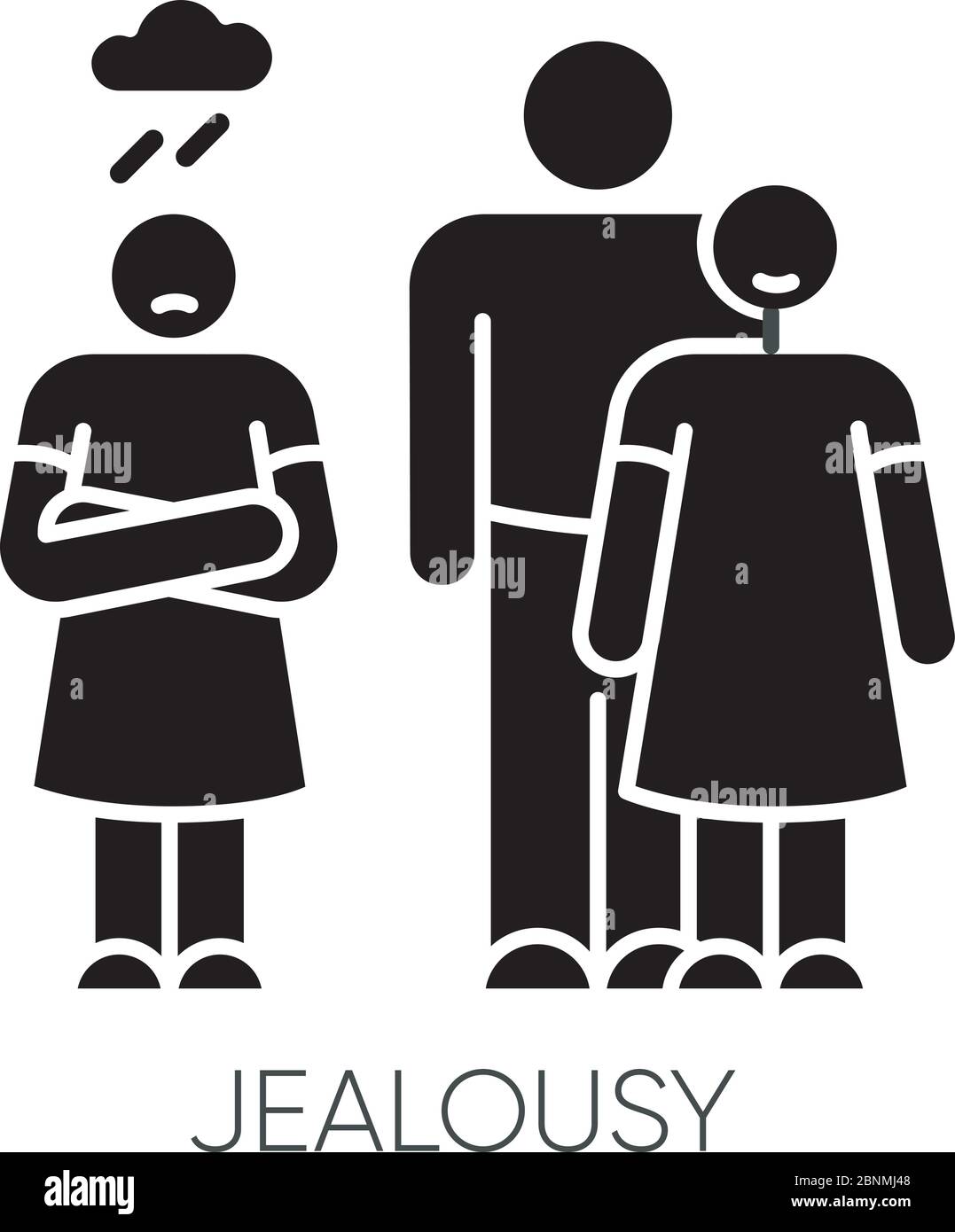
Jealousy shapes romantic tension by signaling a perceived threat to an emotional bond, triggering a biological response that heightens arousal and focuses attention on the partner. While moderate jealousy can highlight desire and the value of the relationship, it requires high emotional intelligence to prevent this tension from evolving into destructive behavior.
The Psychological Architecture of "I Am Jealous"
To understand why jealousy shapes romantic tension so effectively, we must first define the internal state of the individual feeling it. When someone admits, "I am jealous," they are not merely expressing an emotion; they are revealing a vulnerability. This vulnerability acts as a catalyst for tension because it exposes the high stakes of the relationship.
Romantic tension thrives on uncertainty and the "push-pull" dynamic of two people navigating their mutual attraction. Jealousy introduces a third element—the fear of loss. In psychology, this is often categorized as a protective response. When you perceive that a partner’s attention is being diverted, your brain initiates a complex series of evaluations. You assess the rival, you reassess your own standing, and you monitor your partner’s reactions.
This heightened state of awareness is the literal "tension" felt in the body. It is a tightening of the emotional bond under the pressure of external influence. In 2026, psychological research continues to emphasize that this tension is not inherently negative; rather, it is a form of "relational signaling." It tells us that the person we are with is valuable enough to protect, which can, paradoxically, reignite passion and focus in a long-term connection.
Evolutionary Roots: Why We Are Wired for This Tension
The reason jealousy so consistently shapes romantic tension is rooted in our evolutionary biology. Often referred to as "mate guarding," these behaviors were historically essential for ensuring the survival of the family unit. In a modern context, while we are no longer fighting off physical rivals in the same way, our brains still utilize the same neural pathways.
When jealousy is triggered, the amygdala—the brain's emotional processing center—goes into overdrive. This creates a physiological arousal that is remarkably similar to the arousal felt during early-stage infatuation. The racing heart, the "butterflies" (which are actually a sign of the digestive system slowing down during a stress response), and the hyper-focus on the partner all contribute to a sense of romantic intensity.
This intensity is what we interpret as "tension." It is the feeling of being on the edge of a cliff; the view is spectacular (the love/attraction), but the danger of the fall (the loss/jealousy) makes the experience exhilarating and terrifying. Evolution has ensured that we cannot be indifferent when we feel our status as a primary partner is challenged. Indifference is the death of romantic tension; jealousy is its uncomfortable, often volatile, fuel.
The Fine Line: When Tension Becomes Toxicity
While a dash of jealousy can spice up the romantic narrative between two people, there is a distinct threshold where tension ceases to be a catalyst for desire and becomes a tool for destruction. In 2026, relationship experts distinguish between "reactive jealousy" (a response to a tangible threat) and "suspicious jealousy" (rooted in internal insecurity without external cause).
Identifying Healthy vs. Unhealthy Manifestations
Healthy tension derived from jealousy usually leads to a "re-claiming" behavior. This might involve increased affection, more intentional date nights, or an honest conversation about boundaries. The focus remains on the strength of the pair.
Conversely, unhealthy jealousy manifests as a need for control. When the "I am jealous" sentiment leads to monitoring a partner's digital footprint, isolating them from friends, or gaslighting them about their interactions, the tension is no longer "romantic." It is coercive. This type of tension does not lead to closeness; it leads to an emotional "bracing" where the partner feels they must constantly walk on eggshells.
The Impact of Attachment Styles
How jealousy shapes your romantic tension depends heavily on your attachment style:
- Anxious Attachment: Jealousy often leads to a "clinging" tension. The individual fears abandonment and may use jealousy to seek constant reassurance, which can eventually overwhelm the partner.
- Avoidant Attachment: Jealousy might lead to a "withdrawal" tension. The individual feels threatened and pulls away to protect themselves, creating a cold, distant tension that is difficult to bridge.
- Secure Attachment: Jealousy is acknowledged, discussed, and resolved. The tension is fleeting and serves as a reminder to cherish the partner.
Managing the "I Am Jealous" Response in 2026
In our current landscape of 2026, digital transparency and social media interactions have made jealousy a more frequent visitor in many relationships. Managing the tension it creates requires a proactive approach to emotional regulation.
Step 1: Self-Regulation and Identification
Before acting on the feeling of jealousy, you must identify the "Why." Is the tension coming from a specific action your partner took, or is it an echo of a past betrayal? Physical grounding techniques—such as deep breathing or the "5-4-3-2-1" sensory method—can help lower the physiological arousal, allowing the prefrontal cortex (the rational brain) to take back control from the amygdala.
Step 2: The "Pause" Method
When jealousy shapes the tension in a room, the urge to react immediately is high. Implementing a mandatory "pause" allows the initial wave of chemicals (cortisol and adrenaline) to dissipate. This prevents the tension from exploding into an argument that you might later regret.
Step 3: Cognitive Reframing
Instead of viewing the jealousy as a sign that the relationship is failing, reframe it as a sign of investment. "I am feeling this tension because I value this person deeply." This shift from a "threat" mindset to a "value" mindset changes the energy of the tension from aggressive to protective.
Communication Strategies for Reclaiming Peace
If jealousy is shaping the tension in your relationship, silence is your enemy. However, poorly phrased communication is equally dangerous. The goal is to "de-escalate" the negative tension while preserving the "positive" tension of mutual desire.
Using "I" Statements
Instead of saying, "You make me jealous when you talk to them," which is accusatory and triggers defensiveness, try: "I feel a bit of tension and insecurity when I see that interaction because I value our exclusive bond so much." This approach takes ownership of the emotion while explaining the "why" behind the tension.
Establishing Digital Boundaries
In 2026, much of our romantic tension is shaped by what we see on screens. Clear communication regarding what constitutes a "threat" in digital spaces (e.g., liking certain photos, private messaging, or "soft-launching" friendships) is essential. When both partners know the rules of the game, the tension remains playful rather than paranoid.
Comparison Table: Constructive vs. Destructive Jealousy Tension
| Feature | Constructive Tension | Destructive Jealousy |
|---|---|---|
| Primary Goal | Connection and Reassurance | Control and Surveillance |
| Physical Sensation | Heightened awareness/attraction | Nausea, anxiety, and dread |
| Communication | Open, vulnerable "I" statements | Accusatory, "You" statements |
| Resulting Action | Increased effort in the relationship | Withdrawal or stalking behaviors |
| Partner's Reaction | Feels valued and desired | Feels trapped and defensive |
| Impact on Bond | Strengthens intimacy via honesty | Erodes trust and creates distance |
The Narrative Power of Jealousy: Why It Shapes Stories
Beyond real-life relationships, we must acknowledge why "jealousy shaping romantic tension" is such a dominant theme in literature and media. From classic novels to modern 2026 streaming series, jealousy is the ultimate "complication."
In storytelling, romantic tension requires an obstacle. If two people simply like each other and get together, there is no story. Jealousy provides a psychological obstacle that is deeply relatable. It allows the audience to see the characters' vulnerabilities. When a protagonist becomes jealous, we see their "shadow self"—the part of them they usually keep hidden.
This narrative device works because it mirrors the human experience. We enjoy the "slow burn" where jealousy forces a character to finally admit their feelings. In this context, the tension is a bridge between silence and confession.
Frequently Asked Questions
Is it normal to feel jealous even in a healthy relationship?
Yes, jealousy is a universal human emotion. In 2026, psychologists emphasize that feeling jealousy is a biological "check-in." It is not a sign of a bad relationship, but rather a sign that you have something you find worth protecting. The key is how you handle that feeling and whether you use it to build tension or to tear down trust.
Can jealousy actually increase romantic attraction?
In the short term, yes. This is often referred to as "benign envy" or "mate-value reminders." When you see others finding your partner attractive, it can remind you of their desirability, which increases romantic tension and attraction. However, this is a delicate balance; if the partner actively seeks out this attention to make you jealous, it becomes a manipulation tactic rather than a natural tension-builder.
How do I stop jealousy from ruining the romantic tension?
The best way to prevent jealousy from becoming destructive is through "radical transparency." Discuss your triggers before they are pulled. If you know that certain situations make you feel insecure, sharing that with your partner removes the "threat" of the unknown and allows the tension to remain centered on your mutual attraction rather than outside interference.
What should I do if my partner is intentionally trying to make me jealous?
This is a red flag. Intentional provocation of jealousy is a form of emotional manipulation used to gain power in a relationship. While it creates "tension," it is a high-stress, low-trust form of tension that eventually leads to burnout. A healthy partner will want you to feel secure, not constantly on edge.
Is digital jealousy different from "real-life" jealousy in 2026?
The underlying emotion is the same, but the "data points" are different. Digital jealousy often involves "micro-cheating" or perceived slights that lack physical context. This can actually make the tension worse because the brain fills in the gaps of what it doesn't see (the "phantom" rival), leading to much higher levels of imaginative anxiety than a real-life interaction would.
Practical Recommendation: Transforming Tension into Growth
To successfully navigate a situation where jealousy is shaping romantic tension, you must move from a state of reaction to a state of observation. When the heat of jealousy rises, treat it as a data point.
- Acknowledge the Feeling: Say it out loud or write it down: "I am feeling jealous because [X] happened."
- Evaluate the Source: Is this about my partner's behavior, or my own history?
- Harness the Energy: Use the surge of adrenaline to do something positive for the relationship. Use that "tension" to plan a surprise, initiate a deep conversation, or simply tell your partner how much they mean to you.
By redirecting the energy of jealousy into acts of affirmation and clear communication, you preserve the excitement of the romantic tension without the toxicity of insecurity. In 2026, the most successful couples are not those who never feel jealous, but those who use that tension as a compass to navigate toward deeper intimacy and mutual understanding.