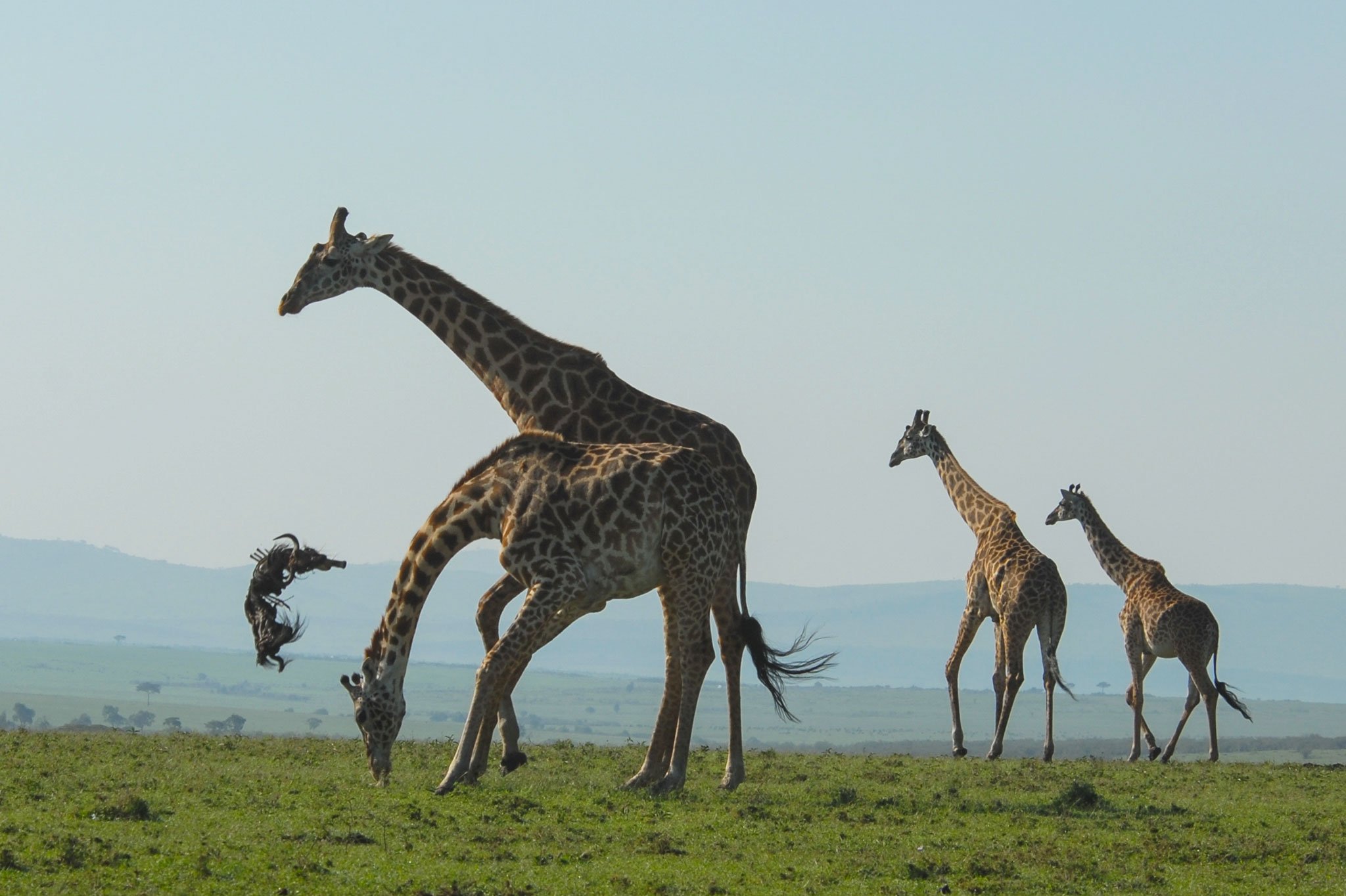
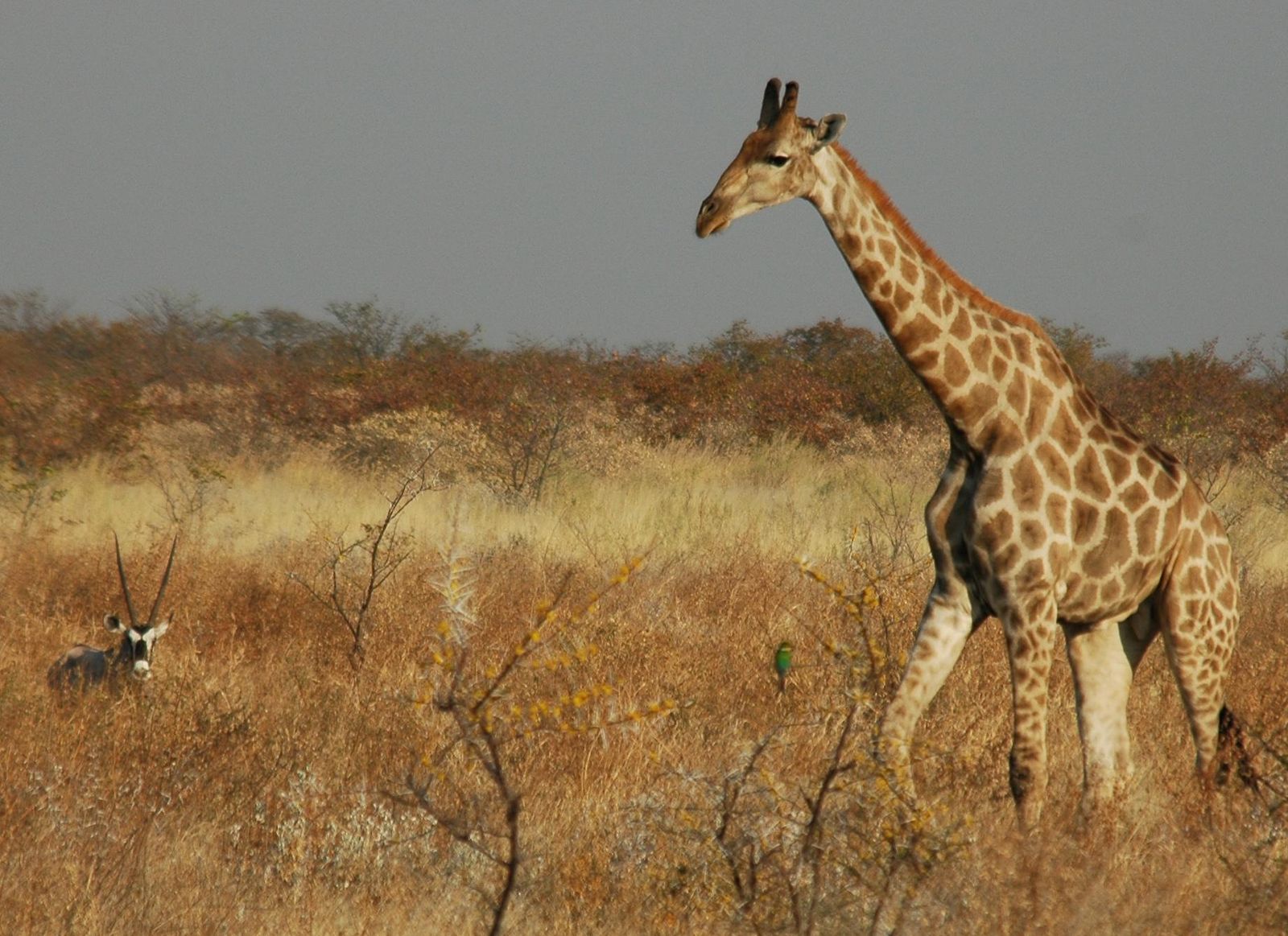
By 2018, giraffes were officially classified as Vulnerable to extinction on the IUCN Red List of Threatened Species. While the species as a whole was not yet labeled "Endangered," several specific subspecies reached "Endangered" or "Critically Endangered" status that year, following a devastating 40% population decline over the preceding three decades.
The year 2018 represented a critical juncture for the world’s tallest land mammal. For decades, the plight of the giraffe had been overshadowed by the high-profile conservation crises facing African elephants and rhinoceroses. However, scientific data solidified during this period revealed what experts termed a "silent extinction." As we look back from 2026, the assessments made in 2018 remain some of the most significant benchmarks in wildlife biology, marking the moment the international community finally recognized the giraffe's precarious position.
The 2018 IUCN Red List Status: Vulnerable to Extinction
The International Union for Conservation of Nature (IUCN) serves as the global authority on the status of the natural world. In 2016, the IUCN moved giraffes from the category of "Least Concern" to Vulnerable. This status was maintained through 2018, reflecting a population that had plummeted from approximately 155,000 individuals in 1985 to fewer than 100,000 by 2015.
The "Vulnerable" designation is a formal classification for species facing a high risk of extinction in the wild. For giraffes in 2018, this classification was based on "Criterion A," which looks at population size reductions. Specifically, the data showed a decline of more than 30% over three generations (roughly 30 years).
Understanding the IUCN Re-assessment of 2018
While the overarching species Giraffa camelopardalis was listed as Vulnerable, the 2018 reporting cycle was particularly important because it was the first time several giraffe subspecies were assessed individually. This granular approach changed the conservation landscape. Before 2018, many people—including some in the scientific community—treated all giraffes as a single, homogenous group. The 2018 updates proved that while some populations were stable or increasing, others were on the literal brink of vanishing.
Subspecies Classifications: A Detailed Breakdown of 2018 Data
In 2018, the IUCN Red List updated the status of seven of the nine recognized giraffe subspecies. This provided a much more alarming picture than the general "Vulnerable" label suggested. The diversity of these findings highlighted that geography was the single most significant factor in a giraffe's chance of survival.
Critically Endangered Subspecies
Two subspecies were listed as Critically Endangered in 2018, meaning they faced an extremely high risk of extinction in the wild.
- The Kordofan Giraffe: Found primarily in Cameroon, the Central African Republic, and southern Chad, this subspecies saw its numbers decimated by civil unrest and illegal poaching. By 2018, fewer than 2,000 individuals remained in the wild.
- The Nubian Giraffe: Historically widespread across Northeast Africa, the Nubian giraffe (which includes the formerly recognized Rothschild’s giraffe in some taxonomic models) was found to have declined by 95% over 30 years. By 2018, it was largely confined to small populations in Ethiopia and South Sudan.
Endangered Subspecies
The Reticulated Giraffe, perhaps the most recognizable subspecies due to its distinct liver-colored polygonal patches, was officially listed as Endangered in 2018. Native to northern Kenya, Ethiopia, and Somalia, its population fell from an estimated 36,000 in the 1990s to just over 15,000 by 2018.
Vulnerable and Near Threatened Status
- West African Giraffe: Listed as Vulnerable in 2018. Interestingly, this was actually a conservation success story. Once numbering only 50 individuals in the 1990s, dedicated protection in Niger saw their numbers grow to over 600 by 2018, leading to a "downlisting" from Endangered to Vulnerable.
- Thornicroft’s Giraffe: Endemic to the Luangwa Valley in Zambia, this isolated population was listed as Vulnerable due to its small, geographically restricted population (roughly 600 individuals), despite being relatively stable.
- Rothschild’s Giraffe: In 2018, this subspecies was considered Near Threatened. While their numbers were low, the population was increasing due to successful reintroductions into protected areas in Kenya and Uganda.
Comparison of Giraffe Subspecies Status in 2018
| Subspecies | 2018 IUCN Status | Estimated Population (2018) | Primary Region |
|---|---|---|---|
| Kordofan Giraffe | Critically Endangered | ~2,000 | Central Africa |
| Nubian Giraffe | Critically Endangered | ~2,645 | East Africa |
| Reticulated Giraffe | Endangered | ~15,780 | Kenya/Ethiopia |
| Masai Giraffe | Endangered (Assessed 2019) | ~35,000 | East Africa |
| Thornicroft’s Giraffe | Vulnerable | ~600 | Zambia |
| West African Giraffe | Vulnerable | ~600 | Niger |
| Angolan Giraffe | Least Concern | ~13,000 | Namibia/Botswana |
| South African Giraffe | Least Concern | ~39,000 | South Africa/Zimbabwe |
Why Giraffes Faced a "Silent Extinction" by 2018
The term "silent extinction" was coined because, unlike the poaching crisis that spiked for elephants (for ivory) and rhinos (for horns), giraffe populations were quietly eroded by a combination of less "marketable" threats. By 2018, conservationists identified four primary drivers of the giraffe's decline.
1. Habitat Loss and Fragmentation
The most significant threat in 2018 was the conversion of savanna and woodlands into agricultural land. As human populations in Sub-Saharan Africa expanded, the vast tracts of land giraffes required for foraging were subdivided by fences, roads, and farms. Giraffes are "browsers," meaning they eat leaves, fruits, and flowers from high branches. Habitat fragmentation doesn't just reduce food sources; it prevents different giraffe groups from meeting and mating, which leads to genetic isolation and a weakened gene pool.
2. Civil Unrest and Conflict
In 2018, the correlation between political instability and wildlife decline was starkly visible in the status of the Kordofan and Nubian giraffes. Countries like South Sudan and the Central African Republic experienced prolonged periods of conflict. In these environments, wildlife protection becomes impossible, and giraffes are often killed to feed large groups of displaced people or military forces.
3. Illegal Poaching and the Bushmeat Trade
While not as globally publicized as the ivory trade, the illegal killing of giraffes for their meat, hides, and tails was a major factor in 2018. In some cultures, giraffe tails are seen as a status symbol, used for dowries or fly whisks. Additionally, as other protein sources became scarce, giraffes—large animals that provide a massive amount of meat—became frequent targets for bushmeat hunters.
4. Ecological Changes and Climate Change
Changing weather patterns in 2018 were already affecting the distribution of acacia trees, the giraffe's primary food source. Increased frequency of droughts in East Africa forced giraffes to travel longer distances to find water and food, often bringing them into direct conflict with human settlements and livestock.
The Role of Taxonomy in 2018 Conservation Strategies
One of the reasons the 2018 "Endangered" and "Critically Endangered" labels were so significant was the ongoing scientific debate regarding giraffe taxonomy. Historically, science recognized one species of giraffe and nine subspecies. However, a groundbreaking DNA study published by the Giraffe Conservation Foundation (GCF) and partners in 2016 suggested there are actually four distinct species of giraffe.
This scientific shift, which was still being debated and integrated into policy in 2018, had massive legal implications. If giraffes were one species with 100,000 individuals, they appeared somewhat secure. If they were four separate species—some with only a few thousand individuals—each species would qualify for much higher levels of legal protection. In 2018, conservationists used this data to lobby for stricter trade regulations under CITES (the Convention on International Trade in Endangered Species of Wild Fauna and Flora).
Conservation Initiatives and Turning Points in 2018
Despite the grim statistics, 2018 was also a year of unprecedented action. Organizations like the Giraffe Conservation Foundation and the San Diego Zoo Global intensified their efforts to reverse the "silent extinction."
Translocations: Moving Giraffes to Safety
In 2018, "translocation" became a key strategy. This involved physically moving giraffes from areas where they were at risk (due to poaching or overpopulation in small enclosures) to safer, well-managed national parks. One notable 2018 project involved moving giraffes across the Nile River in Uganda to expand the range of the Nubian giraffe in Murchison Falls National Park.
Community-Based Conservation
By 2018, it was clear that top-down government protection was not enough. Success stories, such as those in Niger and Namibia, proved that when local communities benefit from giraffe presence (through tourism or direct employment as "Giraffe Guards"), the animals thrive. In Niger, the local population of West African giraffes lived alongside villagers and their livestock, protected by the community because they recognized the giraffes brought international attention and aid to the region.
The Push for CITES Appendix II
During 2018, a coalition of African nations (including Chad, Kenya, and Senegal) prepared a proposal to list giraffes under CITES Appendix II. This listing would not ban all trade but would require strict monitoring and permits for the export of giraffe parts. This was a direct response to findings that giraffe parts were being sold in the United States and other markets as rugs, knife handles, and trophies.
Looking Back from 2026: The Significance of 2018
From our current perspective in 2026, the 2018 assessments were the "wake-up call" that saved several subspecies from disappearing entirely. The data collected that year allowed for targeted funding and the creation of National Giraffe Conservation Strategies in countries like Kenya and Uganda.
While the "Vulnerable" status of the species was a tragedy, the transparency provided by the subspecies breakdown in 2018 allowed conservationists to prioritize the Kordofan and Nubian populations. Without the alarm bells rung in 2018, we might have lost these unique lineages before the world even realized they were distinct.
Frequently Asked Questions
Were giraffes officially "Endangered" in 2018?
Technically, as a whole species, the giraffe was listed as Vulnerable in 2018. However, several specific subspecies—the Reticulated, Kordofan, and Nubian giraffes—were officially classified as Endangered or Critically Endangered. This distinction is important because it directed urgent resources to the specific populations most at risk.
How many giraffes were left in the wild in 2018?
Estimates in 2018 suggested there were approximately 97,500 to 111,000 giraffes remaining in the wild. This was a significant decrease from the estimated 155,000 individuals in the late 1980s. While some populations in Southern Africa were stable or increasing, those in East and Central Africa were in sharp decline.
What is the difference between "Vulnerable" and "Endangered" on the IUCN Red List?
The IUCN uses a scale to measure extinction risk. Vulnerable means a species is at high risk of extinction in the wild. Endangered means the species is at a very high risk, and Critically Endangered means it is at an extremely high risk. In 2018, giraffes moved deeper into these threatened categories than ever before.
Why did people call it a "silent extinction" in 2018?
The term was used because giraffes are common in zoos and on television, leading the public to assume they were doing well in the wild. Unlike the "poaching wars" for ivory which made global headlines, the giraffe's decline was gradual and caused by less visible factors like habitat loss and domestic bushmeat hunting, causing the crisis to go unnoticed by the general public for years.
Can giraffes be found outside of Africa in the wild?
No. Giraffes are endemic to the African continent. In 2018, their range was already significantly restricted to fragmented pockets of Sub-Saharan Africa, with the most stable populations located in protected areas of Namibia, Botswana, and South Africa.
Practical Next Steps for Conservation Awareness
For those looking to understand or support giraffe conservation based on the lessons of 2018, the most effective action remains supporting organizations that work on the ground in Africa. The 2018 data proved that local intervention—protecting habitat and preventing poaching—is the only way to move a subspecies from "Critically Endangered" back toward stability. Staying informed about the distinct needs of different giraffe subspecies is vital, as a "one size fits all" approach to conservation was one of the primary reasons their decline remained "silent" for so long.