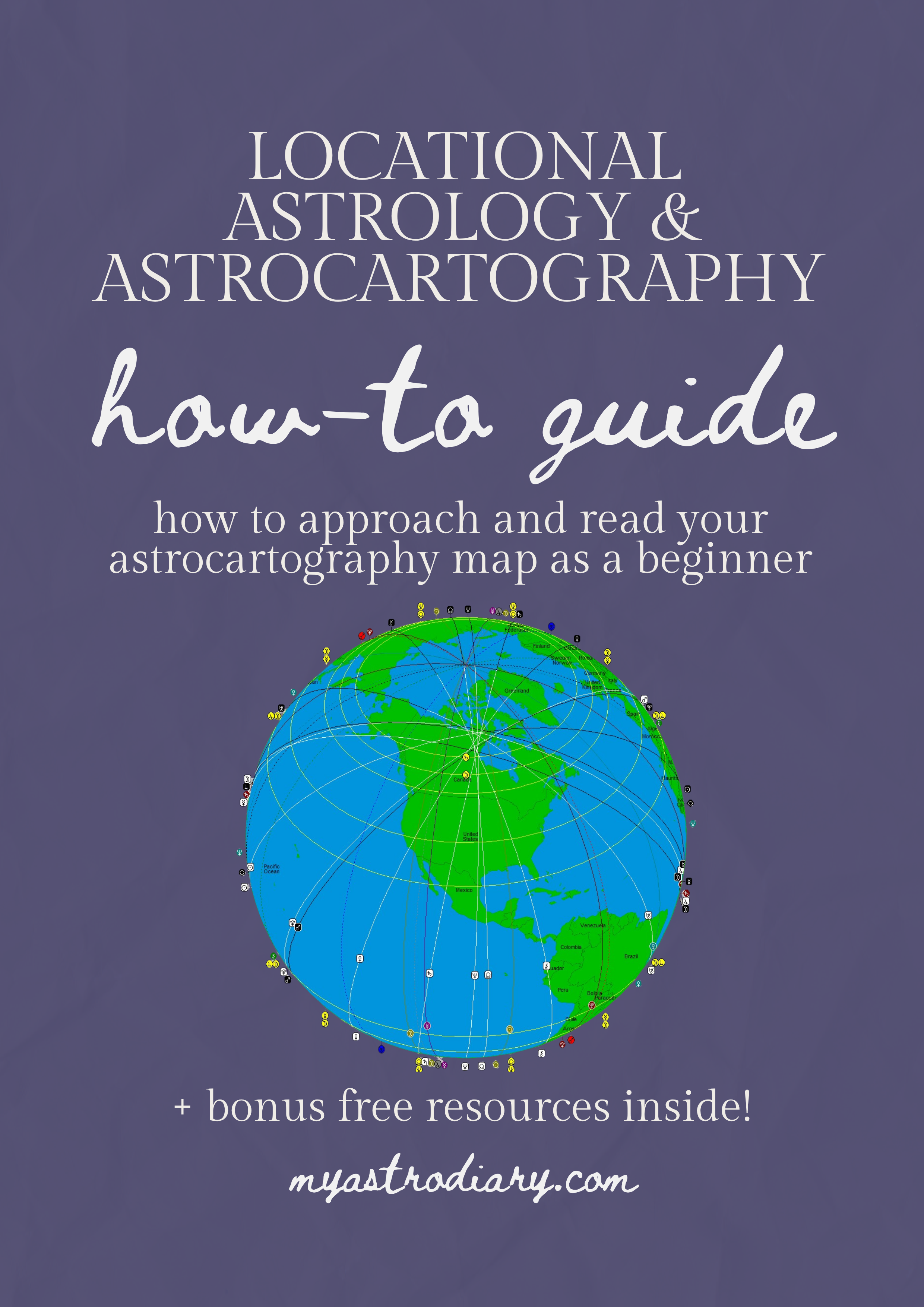
Astrocartography is a branch of locational astrology that identifies how specific geographic locations influence your life by projecting your natal chart onto a world map. By calculating where planets were rising, setting, or peaking at the exact moment of your birth, it reveals "power lines" where you may experience heightened success, love, or personal challenge.
Have you ever visited a new city and felt an immediate sense of belonging, or perhaps an inexplicable wave of tension? While modern psychology might attribute this to environment or culture, astrologers look to astrocartography (also known as Astro-locality or ACG) to explain these phenomena. As of 2026, this discipline has evolved from a niche practice into a mainstream tool for digital nomads, expatriates, and spiritual seekers looking to optimize their environment for personal growth.
What is Astrocartography?
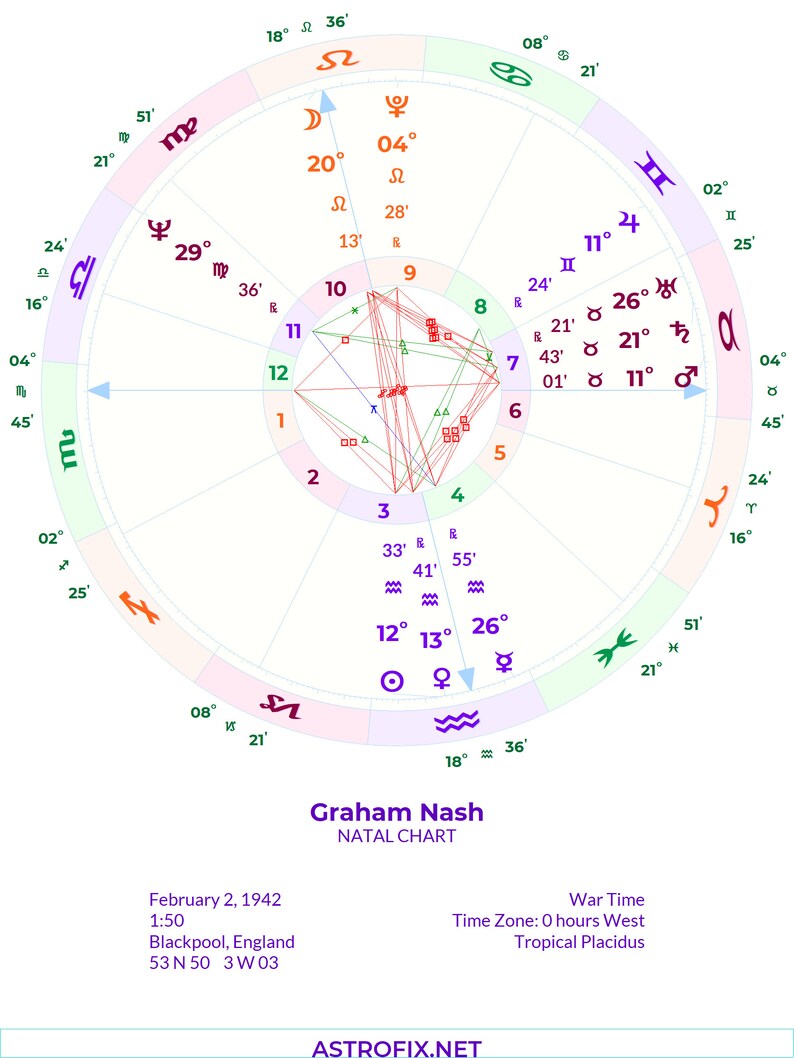
Astrocartography is the study of how the positions of the planets at the time of your birth interact with different locations on Earth. Developed and popularized in the 1970s and 1980s by the late American astrologer Jim Lewis, it is a specialized system that maps your birth chart (a circular snapshot of the sky) onto a two-dimensional map of the globe.
In a standard natal chart, we look at the zodiac signs and houses to understand your personality and destiny. In astrocartography, we focus on the four angles of the chart: the Ascendant (AC), Descendant (DC), Midheaven (MC), and Imum Coeli (IC). When a planet sits on one of these four angles in a specific geographic location, its influence becomes "active" and dominant in your experience of that place.
The Origin and Evolution of the Practice
While the concept of relocation astrology existed for centuries, Jim Lewis revolutionized it by using computerized mapping to draw lines across the world. His system, which he patented and trademarked, allowed people to see exactly where planets like Venus or Jupiter were most potent. Today, in 2026, sophisticated software and AI-integrated astrological platforms have made these maps accessible to anyone with an accurate birth time, though the nuanced interpretation of these lines still requires significant expertise.
The Mechanics of Locational Astrology
To understand "astrocartography in astrology explained," one must first grasp the four primary angles. These angles represent the "four pillars" of your life in any given location. When a planetary line passes through a city, it interacts with one of these specific pillars.
The Four Angles (The Pillars of Location)
- The Ascendant (AC) Line: This represents your "Self" and your physical presence. On an AC line, the energy of the planet is integrated into your personality and how you present yourself to the world. A planet here often affects your health, energy levels, and first impressions.
- The Descendant (DC) Line: This represents "Others" and your relationships. Planets on the DC line influence the types of people you attract, your partnerships, and your public interactions. This is often where we look for love or business collaborators.
- The Midheaven (MC) Line: This represents "Vocation" and social standing. Planets on this line impact your career, reputation, and public achievements. This is the highest point in the sky; therefore, planets here are "visible" to the world.
- The Imum Coeli (IC) Line: This represents "Home" and foundations. The IC is the lowest point of the chart, relating to your roots, family, private life, and sense of security. Planets here influence where you feel at home and your inner emotional state.
The Importance of Birth Time Accuracy
Astrocartography is hypersensitive to time. Because the Earth rotates 360 degrees every 24 hours, the angles of the chart change by one degree approximately every four minutes. On a map, a four-minute error in your birth time can shift your planetary lines by roughly 60 to 70 miles (about 100 kilometers). For precise relocation advice, an accurate birth certificate time is non-negotiable.
Interpreting the Planetary Lines
Each planet carries a specific "archetype" or vibration. When you move to a location where a specific planet’s line is active, you are effectively "tuning in" to that planet's frequency.
The "Benefic" Lines: Sun, Venus, and Jupiter
- Sun Lines: These are locations for vitality, visibility, and self-expression. On a Sun line, you often feel more confident and "seen." It is an excellent place for leadership or discovering your true identity.
- Venus Lines: Widely sought after for romance, beauty, and financial comfort. Venus lines are associated with pleasure, luxury, and artistic inspiration. On a Venus DC line, for instance, many people report finding significant romantic partners.
- Jupiter Lines: Known as the "luck" lines, Jupiter represents expansion, abundance, and wisdom. These locations are often beneficial for education, wealth-building, and spiritual growth. However, Jupiter can also lead to overindulgence or "too much of a good thing."
The "Malefic" or Challenging Lines: Mars and Saturn
- Mars Lines: Mars represents energy, drive, and competition, but also conflict and aggression. A Mars line can be fantastic for an athlete or someone starting a high-stakes business, but it may feel exhausting or argumentative for someone seeking peace.
- Saturn Lines: These locations demand hard work, discipline, and responsibility. Saturn is the "taskmaster." While you might achieve long-term stability or professional respect here, it often comes through endurance and overcoming obstacles. It is rarely a "vacation" spot.
The Outer Planets: Uranus, Neptune, and Pluto
- Uranus Lines: These are the lines of sudden change, rebellion, and innovation. Moving to a Uranus line can feel like an electric shock to your system—unpredictable, exciting, and potentially unstable.
- Neptune Lines: Associated with spirituality, dreams, and art, but also confusion and disillusionment. A Neptune line can be incredibly healing for a retreat, but difficult for a career where clarity and hard data are required.
- Pluto Lines: These are locations of profound transformation, power struggles, and "rebirth." Pluto lines are intense; they often coincide with major life-altering events that strip away the old to make way for the new.
Summary of Planetary Line Influences
| Planet | Key Themes | Best For... | Potential Challenges |
|---|---|---|---|
| Sun | Vitality, Identity, Fame | Career growth, confidence | Ego inflation, overexposure |
| Moon | Emotion, Family, Comfort | Nesting, parenting, vulnerability | Hypersensitivity, mood swings |
| Mercury | Communication, Writing | Education, commerce, networking | Mental restlessness, busyness |
| Venus | Love, Money, Art | Romance, luxury, social life | Laziness, overspending |
| Mars | Action, Desire, Drive | Exercise, startups, competition | Burnout, accidents, conflict |
| Jupiter | Expansion, Luck, Wisdom | Teaching, travel, wealth | Excess, over-optimism |
| Saturn | Structure, Duty, Time | Mastery, tradition, endurance | Loneliness, heavy burden |
| Uranus | Innovation, Surprise | Radical shifts, tech, freedom | Instability, anxiety |
| Neptune | Dreams, Spirituality | Art, meditation, healing | Fog, deception, escapism |
| Pluto | Power, Rebirth, Depth | Deep healing, major transformation | Obsession, crisis, loss |
Beyond the Lines: Parans and Zeniths
A common mistake beginners make is looking only at the vertical and curved lines on an astrocartography map. To fully understand your location, you must also consider Parans (short for Paranatellonta).
What are Parans?
Parans occur where two planetary lines cross at the same latitude. Unlike the primary lines, which affect specific cities, Parans create a "latitude belt" that circles the entire globe. If you have a Jupiter/Venus Paran at 34 degrees North, you will feel that influence in Los Angeles, Casablanca, and Tokyo, even if no vertical lines are nearby.
Parans are often considered "hidden influences." They provide a background flavor to the location. For example, you might be on a successful Sun/MC line (great for career), but if there is a Saturn/Pluto Paran at that latitude, your career success may come with intense pressure or heavy responsibilities.
Zenith Points
A Zenith point (sometimes marked with a small star or cross) is the exact geographic spot where a planet was directly overhead at the moment of your birth. This is the "purest" point of that planet's energy. Being near a planet's Zenith point can feel like a concentrated dose of that planet's archetype.
Relocation Charts vs. Astrocartography
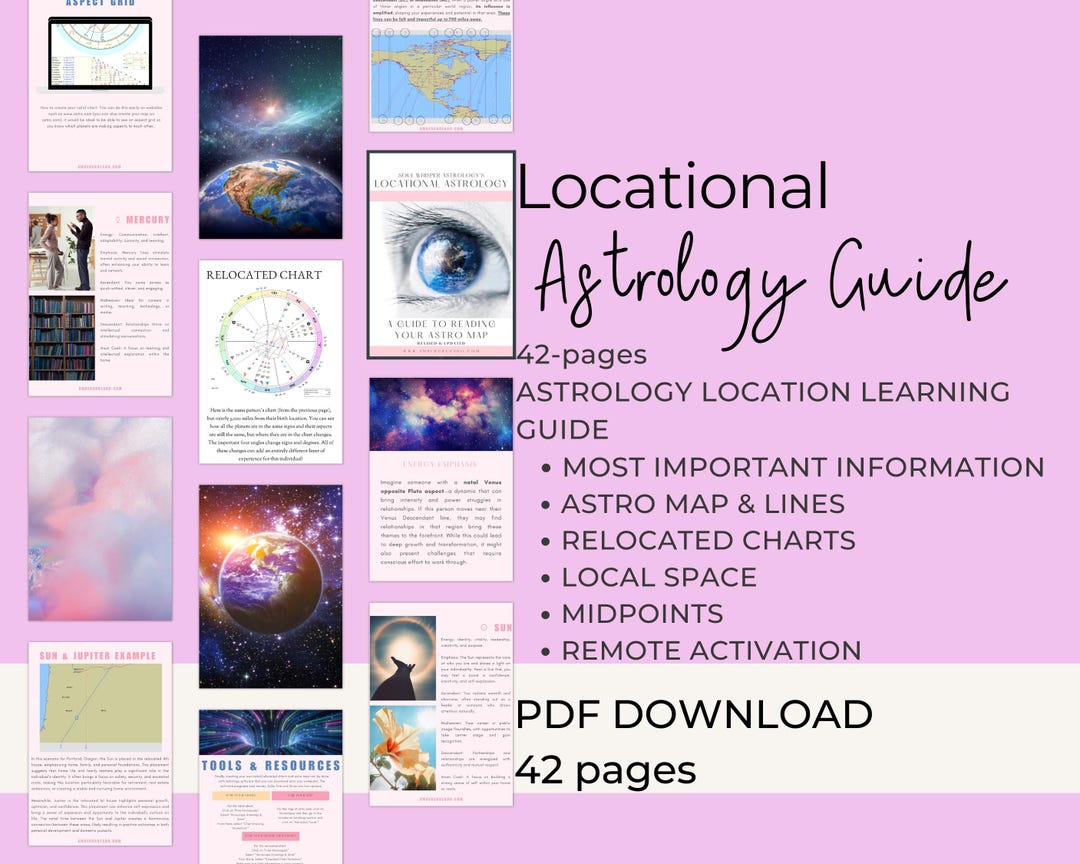
While astrocartography shows you the world at a glance, a Relocation Chart provides the fine details of a single city. Professional astrologers use both.
A relocation chart is calculated by taking your birth date and time but changing the birth location to your new city. This shifts the houses of your chart. For example, if you were born with Jupiter in your 12th House (hidden blessings), moving to a new city might shift Jupiter into your 10th House (public career).
- Astrocartography: The "macro" view. It shows you the lines of force across the globe.
- Relocation Chart: The "micro" view. It shows how your entire natal potential is redistributed in a specific town.
To get the most accurate "astrocartography in astrology explained" experience, you should look for locations where your ACG lines are favorable and the relocated chart supports your specific goals.
How to Use This Information in 2026
In the current era of high-speed travel and remote work, astrocartography is a practical tool for lifestyle design. Here is how you can apply these concepts:
- Vacation Planning: If you feel burnt out, look for your Venus or Moon lines for a relaxing getaway. Avoid Mars or Saturn lines if your goal is rest.
- Career Moves: If you are seeking a promotion or starting a business, look for your Sun or Midheaven (MC) lines. Jupiter MC lines are particularly auspicious for expansion.
- Digital Nomadism: Many remote workers in 2026 use ACG to choose "bases" that support their current life phase. A writer might seek a Mercury line to finish a book, while someone recovering from a breakup might seek a Neptune line for spiritual healing.
- Remote Connection: You don't always have to physically move to a line. You can "pull" energy from a line by working with people in that city, ordering products from that region, or immersing yourself in that location's culture.
Common Pitfalls and Misconceptions
The "Magic Bullet" Fallacy
A common misconception is that moving to a "Jupiter line" will automatically make you a millionaire. Astrocartography does not override your natal chart; it only emphasizes what is already there. If your natal Jupiter is poorly aspected (e.g., squaring Saturn and Pluto), a Jupiter line might bring opportunities that are also accompanied by legal lessons or heavy burdens.
Ignoring the Natal Chart
Your natal chart is the "DNA." The astrocartography map is the "environment." If you don't have a talent for music in your natal chart, moving to a Venus line in Nashville won't suddenly turn you into a country star, though it might make your time there more pleasant.
The "Danger" of Malefic Lines
People often fear their Saturn or Pluto lines. However, these lines are essential for growth. Saturn lines are where we become experts; Pluto lines are where we heal deep trauma. They aren't "bad," they are simply "heavy."
Technical Prerequisites for an Accurate Reading
To generate a valid astrocartography map, you need three pieces of data:
- Exact Date of Birth: Day, month, and year.
- Exact Time of Birth: Usually found on a long-form birth certificate.
- Exact Place of Birth: The city and state/country.
Professional software (such as Solar Fire, AstroGold, or specialized web-based tools like those found at Astro.com) is required to project these coordinates accurately onto a map.
FAQs
Can astrocartography predict where I will meet my soulmate?
While it cannot predict a specific person, it can identify locations where your "relationship sector" is highly activated. Venus or Jupiter lines on the Descendant (DC) are the most common areas where people report significant romantic encounters, as the DC governs one-on-one partnerships.
Do I have to live exactly on a line for it to work?
No. The influence of a planetary line is strongest within 50 to 100 miles of the line, but many astrologers agree that a "wide orb" of up to 300 to 500 miles can still be felt. The closer you are to the exact line, the more intense the "frequency" of that planet becomes.
What if I don't have any lines passing through my country?
This is common. In these cases, we look at Parans (latitudinal crossings) or your Relocation Chart. Even if no major planetary lines cross your city, your relocated house placements will still shift, changing your experience of that location.
Does astrocartography work for pets or businesses?
Technically, anything with a "birth time" can have an astrocartography map. A business incorporated at a specific time or a pet born at a known moment will be influenced by the locations they are moved to, though the interpretation is usually focused on human experience.
Is it possible for a "good" line to be bad for me?
Yes. If your natal Venus is in a very difficult position (such as in its fall or heavily afflicted), moving to a Venus line might trigger the challenges associated with that planet in your chart, such as relationship drama or financial mismanagement, rather than just "love and money."
Practical Recommendation
If you are considering a major life move in 2026, do not rely solely on free automated map generators. While they provide a great starting point, they often omit Parans and do not take your natal chart's specific strengths and weaknesses into account.
Next Steps:
- Obtain your exact birth time from your birth certificate.
- Generate a free map on a reputable site like Astro.com (look for the "AstroClick Travel" section).
- Identify 2-3 lines that look promising for your goals (e.g., Venus for love, Sun for career).
- Consult with a professional locational astrologer to cross-reference these lines with your Relocation Chart and Parans to ensure the location truly supports your intentions.