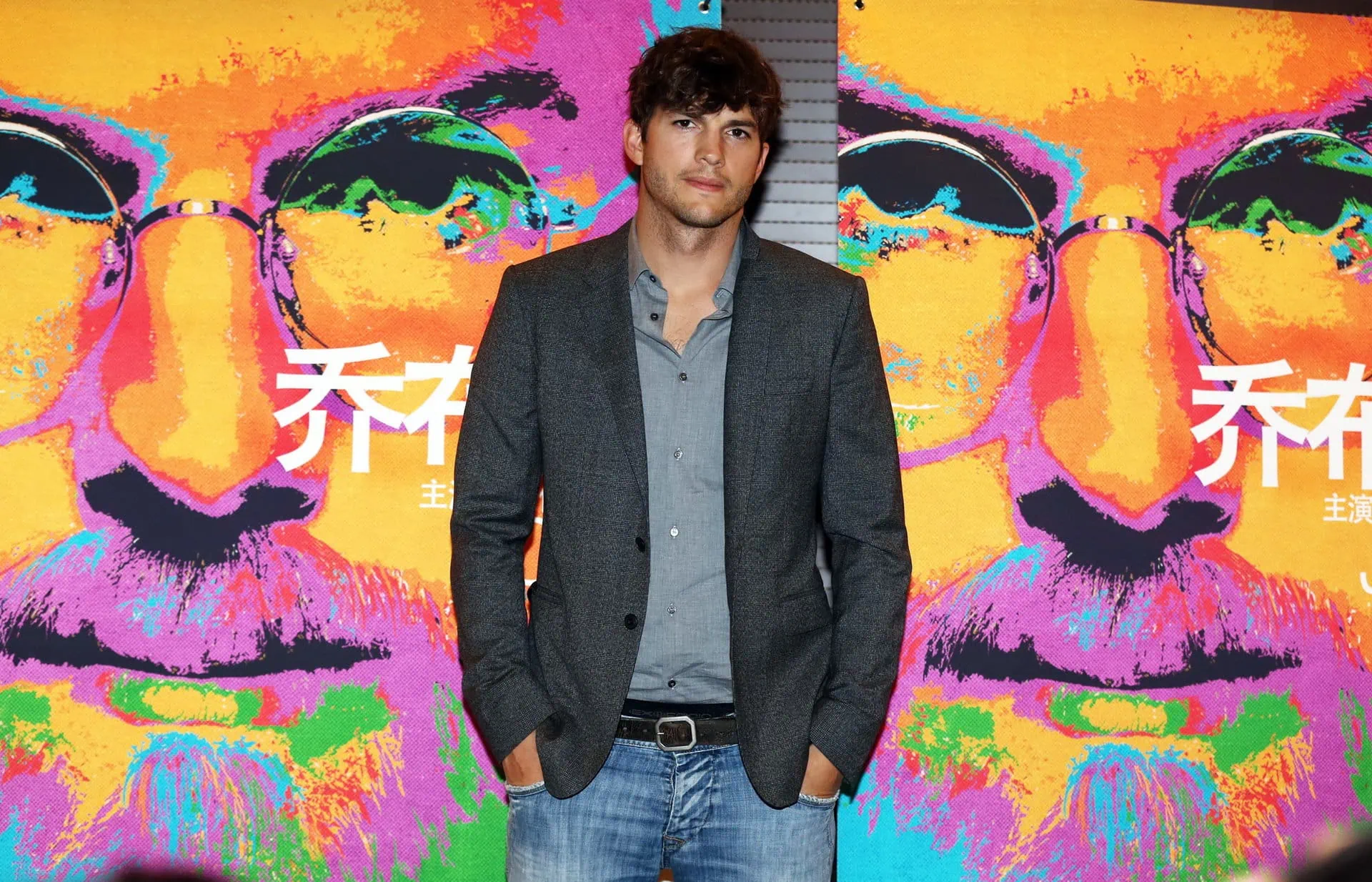
Ashton Kutcher has built an estimated net worth of roughly $200 million, accumulated through a diverse career spanning successful television sitcoms, major motion pictures, high-profile technology venture capital investments, and real estate holdings. While his initial wealth derived from mainstream acting roles on television and film, the vast majority of his modern capital generation stems from early-stage technology investments through his firm, Sound Ventures.
The Foundations of Early Wealth: Television and Film Salaries
Long before establishing himself as a prominent technology investor in Silicon Valley, Christopher Ashton Kutcher achieved widespread fame as a television and film actor. His entertainment earnings laid the initial groundwork for his substantial net worth, giving him the liquid capital necessary to transition into high-stakes venture capital funding.
Television Success: That '70s Show and Two and a Half Men
Kutcher’s breakout role came in 1998 when he was cast as Michael Kelso in the Fox sitcom That '70s Show. While early-season salaries were modest relative to his later earnings, the show ran for eight seasons, establishing his household name recognition and building a solid financial baseline.
Years later, following the departure of Charlie Sheen, Kutcher joined the cast of CBS’s Two and a Half Men in 2011. During his tenure on the show, he reportedly earned approximately $700,000 to $750,000 per episode, making him the highest-paid television actor in the United States at the time. Over four seasons on the hit comedy, these television salaries contributed tens of millions of dollars to his growing portfolio.
Box Office Film Ventures
Concurrently with his television career, Kutcher transitioned to feature films, starring in romantic comedies, dramas, and thrillers. Notable cinematic projects include:
- Dude, Where's My Car? (2000)
- The Butterfly Effect (2004)
- Just Married (2003)
- What Happens in Vegas (2008)
- Jobs (2013), in which he portrayed Apple co-founder Steve Jobs.
In addition to commanding significant upfront acting fees for these studio pictures, Kutcher frequently served as an executive producer through his production company, Katalyst Films, allowing him to secure backend points and additional profit-sharing revenue.
The Core Driver: Venture Capital and Technology Investments
The single most significant driver of Ashton Kutcher's modern net worth is not acting, but his prolific career as a venture capitalist. Alongside business partner Guy Oseary, Kutcher co-founded A-Grade Investments in 2010 and later launched Sound Ventures. These venture capital funds target high-growth technology startups at early seed stages, positioning Kutcher as one of Hollywood's most successful tech investors.
Notable Early Investments
Kutcher leveraged his celebrity status and network to secure allocations in several transformative technology companies before they achieved mainstream dominance. Some of the most notable investments associated with his funds include:
- Uber: Early-stage funding participation in the ride-sharing giant.
- Airbnb: Seed-to-early backing of the peer-to-peer lodging platform.
- Spotify: Investment during the streaming audio service's expansion phase.
- Skype: Participation prior to its acquisition by Microsoft.
- Robinhood: Early investment in the commission-free stock trading app.
- NotCo: Investment in plant-based food technology.
| Company / Asset | Investment Phase / Role | Estimated Impact on Portfolio |
|---|---|---|
| Uber | Early Seed / Venture Capital | Massive valuation growth over subsequent decade |
| Airbnb | Early Stage / Venture Capital | High-yield return following global expansion |
| Spotify | Growth Equity | Substantial liquidity event via public listing |
| Two and a Half Men | Primary Acting Salary | Guaranteed high-figure episodic compensation |
| Real Estate Portfolio | Luxury Residential / Coastal | Long-term capital appreciation and asset security |
Investment Philosophy and Silicon Valley Integration
Kutcher’s success in venture capital dispels the notion of celebrity vanity investing. Unlike famous figures who merely lend their names for promotional fees, Kutcher actively studied market trends, built relationships with prominent Silicon Valley founders and venture capitalists like Marc Andreessen and Ron Conway, and dedicated significant time to analyzing consumer behavior. His investment strategy focuses heavily on consumer-facing platforms that solve everyday frictions or alter digital media consumption.
Real Estate Portfolio and Lifestyle Assets
Like many high-net-worth individuals, significant portions of Kutcher's wealth are tied up in prime real estate holdings, primarily located in Southern California. These properties represent both secure long-term capital preservation and lifestyle assets shared with his wife, actress Mila Kunis.
Major Property Holdings
- Beverly Hills Modern Home: Purchased for approximately $10 million, this contemporary residence features extensive architectural design, minimalist landscaping, and high-end security features.
- Santa Barbara County Beach House: A sustainable, modern coastal farmhouse located in Montecito, California, valued in the tens of millions. The property gained public attention for its eco-friendly construction and integration with organic farming practices.
- Previous Hollywood Hills Estates: Over the years, Kutcher has bought, renovated, and successfully flipped several luxury properties in the Hollywood Hills and the Hollywood Dell areas, generating additional capital gains through strategic real estate development.
Philanthropy, Advocacy, and Non-Profit Ventures
Beyond private wealth accumulation, Kutcher has dedicated considerable financial resources and public influence to philanthropic causes.
In 2010, following the completion of That '70s Show, Kutcher and his then-wife Demi Moore co-founded Thorn (originally known as the Digital Defenders 360 Foundation). Thorn is a non-profit organization that builds software and technological tools designed to defend children from sexual abuse and eliminate human trafficking online. Kutcher has utilized his deep understanding of software engineering and venture capital to fund and direct engineering teams dedicated to tracking and dismantling illicit online networks.
Frequently Asked Questions
How did Ashton Kutcher make most of his money?
While Ashton Kutcher initially earned his wealth through high-profile acting salaries on television shows like That '70s Show and Two and a Half Men, the vast majority of his modern net worth comes from successful early-stage venture capital investments in technology giants such as Uber, Airbnb, and Spotify.
What is Ashton Kutcher's venture capital firm called?
Kutcher co-founded A-Grade Investments in 2010 alongside Guy Oseary and Ron Burkle. He later established Sound Ventures, a venture capital fund that continues to invest in early- and growth-stage technology companies focusing on artificial intelligence, consumer tech, and enterprise software.
Is Ashton Kutcher still acting in movies and television?
Yes, Kutcher continues to take on select acting projects in film and television, though his output is more measured compared to his peak television schedule. Recent projects include feature films such as Your Place or Mine (2023) alongside Reese Witherspoon, balancing his Hollywood career with full-time venture capital management.
How much did Ashton Kutcher make per episode on Two and a Half Men?
During his four-season run on CBS's Two and a Half Men, Kutcher reportedly earned between $700,000 and $750,000 per episode, making him the highest-paid actor on American television during that period.
What causes does Ashton Kutcher support philanthropically?
Kutcher is heavily involved in anti-human-trafficking efforts. He co-founded Thorn, a non-profit organization that develops specialized software and digital tools used by law enforcement agencies to identify victims and track down predators of child sexual abuse material online.
Final Recommendations for Understanding Celebrity Net Worth
Estimating the net worth of public figures like Ashton Kutcher involves analyzing multiple fluctuating asset classes, including private equity valuations, real estate market fluctuations, and ongoing entertainment royalties. Because private venture capital portfolios are not publicly traded, precise figures vary across financial publications. When evaluating wealth accumulation strategies demonstrated by public figures, observers should note that diversification away from primary income sources—such as moving from standard employment salaries into equity ownership and venture investments—is the most reliable method for achieving long-term capital growth.