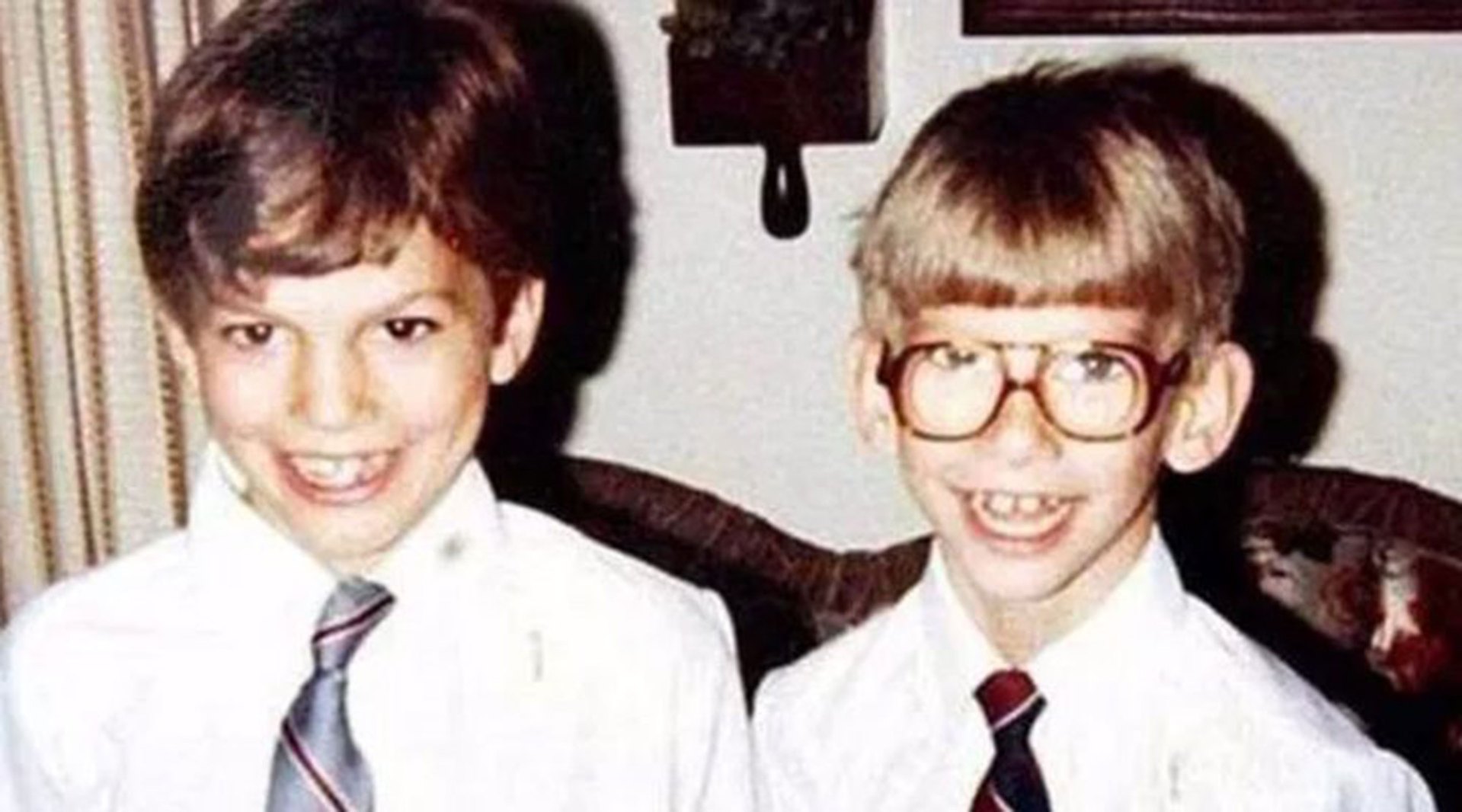
Michael Kutcher, the fraternal twin brother of actor and entrepreneur Ashton Kutcher, has carved out a distinct public profile as a dedicated disability advocate, public speaker, and tireless champion for cerebral palsy awareness and organ donation. While his brother achieved global fame in Hollywood hits like That ’70s Show and Two and a Half Men, Michael navigated a challenging medical journey marked by a congenital heart condition and a cerebral palsy diagnosis. His life story offers profound insight into resilience, the realities of growing up with a hidden twin in the shadow of celebrity, and the transformative power of advocacy.
Early Life and Family Background
Born on February 7, 1978, in Cedar Rapids, Iowa, Michael Kutcher entered the world five minutes after his twin brother, Ashton (born Christopher Ashton Kutcher). Raised by their parents, Larry Kutcher, a factory worker, and Diane Kutcher, a manufacturing employee and later a bank worker, the family lived a modest Midwestern life alongside their older sister, Tausha.
Even in infancy, the twins’ paths diverged dramatically in terms of health. While Ashton developed as an active and robust child, Michael faced immediate developmental hurdles. Early childhood milestones were missed or severely delayed, setting the stage for a medical evaluation that would alter the family’s trajectory forever.
The Cerebral Palsy and Cardiomyopathy Diagnoses
At around three years of age, Michael was diagnosed with cerebral palsy, a group of disorders that affect movement and muscle tone or posture, caused by abnormal brain development or damage to the developing brain. Alongside this diagnosis, doctors identified that Michael suffered from a severe form of cardiomyopathy, a progressive disease of the heart muscle that causes the heart to enlarge, thicken, or stiffen.
For the Kutcher family, these diagnoses meant frequent hospital visits, complex medication regimens, and an atmosphere of constant medical vigilance. Growing up in a rural Midwestern setting during the 1980s meant that resources and specialized support groups for families dealing with cerebral palsy and severe pediatric heart conditions were far less accessible than they are today.
The Childhood Dynamic Between the Twins
Despite their physical differences, Michael and Ashton shared a profoundly close bond during their early years. Ashton often acted as a protective shield for his brother, stepping in whenever other children failed to understand Michael’s physical limitations, speech impediments, or slower motor responses.
As they entered adolescence, however, the disparity in their physical development and lifestyle choices created emotional friction. In multiple interviews over the years, Ashton Kutcher has opened up about the emotional toll of watching his twin brother struggle with health complications while he himself grew healthy, strong, and increasingly mobile.
A pivotal moment in their relationship occurred when they were thirteen years old. Michael’s cardiomyopathy had progressed to such an advanced stage that doctors informed the family he had only weeks to live unless he received a heart transplant. Ashton, grappling with the impending loss of his twin, reportedly contemplated drastic measures, including self-harm to end his own life so that his heart could be given to Michael. Fortunately, a donor heart became available just in time, and Michael successfully underwent a life-saving heart transplant procedure at a hospital in Iowa.
Moving Beyond the Shadow of Celebrity
As Ashton pursued a modeling career in New York and subsequently transitioned into acting in Los Angeles, Michael remained in the Midwest, focusing on his health, education, and personal development. For many years, Michael preferred to maintain a private life away from the glare of Hollywood, intentionally distancing himself from the media spotlight that followed his brother.
This dynamic shifted significantly when Michael decided to step into the public sphere on his own terms. Rather than leveraging his brother’s fame for personal attention, Michael chose to use his platform to speak openly about his medical history, aiming to destigmatize disabilities and inspire individuals facing similar adversities.
Key Milestones in Michael Kutcher’s Public Life
| Life Stage / Event | Details and Impact |
|---|---|
| 1991 (Age 13) | Underwent a critical, life-saving heart transplant after his cardiomyopathy reached end-stage failure. |
| Early Adulthood | Completed his education in the Midwest, pursued a career in finance and sales, and navigated post-transplant health management. |
| Public Disclosure | Formally shared his cerebral palsy diagnosis and transplant story with the media, stepping out of Ashton’s shadow to advocate independently. |
| Advocacy Career | Began touring as a motivational speaker, partnering with prominent organizations like Reaching for the Stars and the Cerebral Palsy Foundation. |
Advocacy Work and Philanthropy
Michael Kutcher has dedicated a substantial portion of his adult life to advocacy. His primary focus areas include raising awareness for cerebral palsy, supporting organ donor registries, and encouraging corporate and societal inclusion for individuals with physical and developmental differences.
Cerebral Palsy Awareness
As a spokesperson and advocate, Michael frequently challenges societal assumptions about what individuals with cerebral palsy can achieve. He emphasizes that physical limitations do not equate to cognitive or emotional limitations. Through keynote speeches at medical conferences, educational institutions, and corporate events, he advocates for accessible infrastructure, inclusive employment practices, and comprehensive support systems for families navigating pediatric and adult disability diagnoses.
Organ Donation Advocacy
Having owed his life to an anonymous organ donor, Michael is a passionate advocate for organ donation registries. He routinely speaks about the critical shortage of available organs and urges the public to register as donors. His personal testimony bridges the gap between abstract medical statistics and the human reality of transplantation, highlighting how a single decision by a grieving family can preserve a young life.
Comparison: The Lives and Paths of the Kutcher Twins
To understand Michael Kutcher’s biography fully, it is helpful to examine how his path diverged from and intersected with Ashton’s throughout their lives.
| Feature | Ashton Kutcher | Michael Kutcher |
|---|---|---|
| Primary Field | Acting, Film Production, Venture Capital, Technology Investment | Finance, Corporate Sales, Public Speaking, Disability Advocacy |
| Health Status | Generally robust health; experienced minor health scares later in life (e.g., vasculitis) | Born with cerebral palsy; survived end-stage cardiomyopathy and a 1991 heart transplant |
| Public Exposure | Global celebrity, constant media scrutiny, high-profile entertainment career | Selective public engagement focused strictly on advocacy, health awareness, and philanthropy |
| Family Role | Protective twin during youth; financial and emotional supporter during medical crises | Inspirational figure, living proof of resilience, voice for marginalized medical communities |
Personal Life, Challenges, and Resilience
Living as a heart transplant recipient requires lifelong medical management, including strict adherence to immunosuppressive medications to prevent organ rejection, routine cardiovascular monitoring, and careful infection control. Michael has navigated these ongoing health protocols with resilience, balancing professional commitments with personal wellness.
In addition to his health journey, Michael has built a family of his own. He married Katie Maher, with whom he shares children, establishing a stable and grounded life in the Midwest. His journey through fatherhood and marriage has provided him with further relatable experiences that enrich his motivational speaking engagements.
Common Misconceptions and Media Narrative
Because of Ashton Kutcher’s immense fame, media coverage regarding Michael has occasionally leaned toward sensationalism or oversimplification. Common misconceptions include the notion that Michael has lived entirely dependent on his brother or that Ashton single-handedly funded his medical care.
In reality, while Ashton has always been fiercely protective and supportive of his twin, Michael built an independent professional career in business and finance, managing his own livelihood and charting an autonomous course. Furthermore, Michael has frequently clarified in interviews that while Ashton’s emotional support during his 1991 transplant was invaluable, the medical procedures were handled through standard healthcare infrastructure and family resources of the era.
Frequently Asked Questions
Did Ashton Kutcher donate his heart to his twin brother?
No. While a popular rumor suggests that Ashton attempted to donate his heart to Michael during their childhood medical crisis, this is factually incorrect. In 1991, when Michael required an emergency heart transplant due to severe cardiomyopathy, he received a heart from a deceased adolescent donor whose organs matched his medical profile. Ashton’s actual contribution at the time was emotional support and his intense desire to help his brother survive.
When was Michael Kutcher diagnosed with cerebral palsy?
Michael was diagnosed with cerebral palsy when he was approximately three years old. The diagnosis followed developmental delays observed by his parents and pediatricians during his early childhood in Iowa.
What is Michael Kutcher’s profession today?
Today, Michael Kutcher works in finance and corporate sales while maintaining an active schedule as a public speaker and disability advocate. He collaborates with organizations dedicated to cerebral palsy research, support, and organ donor awareness.
How did Michael Kutcher’s heart transplant affect his relationship with Ashton?
The shared trauma and near-loss during their childhood medical crisis forged an unbreakable bond between the twins. Although they pursued vastly different adult paths—one in Hollywood and one in the Midwest—they remain exceptionally close, with Ashton frequently praising Michael as his greatest mentor and personal hero.
Conclusion and Next Actions
Michael Kutcher’s biography is more than just a footnote to a Hollywood star’s success story; it is a standalone narrative of medical survival, fierce independence, and compassionate advocacy. For readers exploring his journey, the primary takeaway is the importance of perseverance in the face of insurmountable health obstacles and the vital societal need for organ donation and disability inclusion.
To learn more about the causes Michael champions, interested individuals can explore official resources provided by organizations such as the Cerebral Palsy Foundation or register with regional organ donation registries to support life-saving transplantation networks.