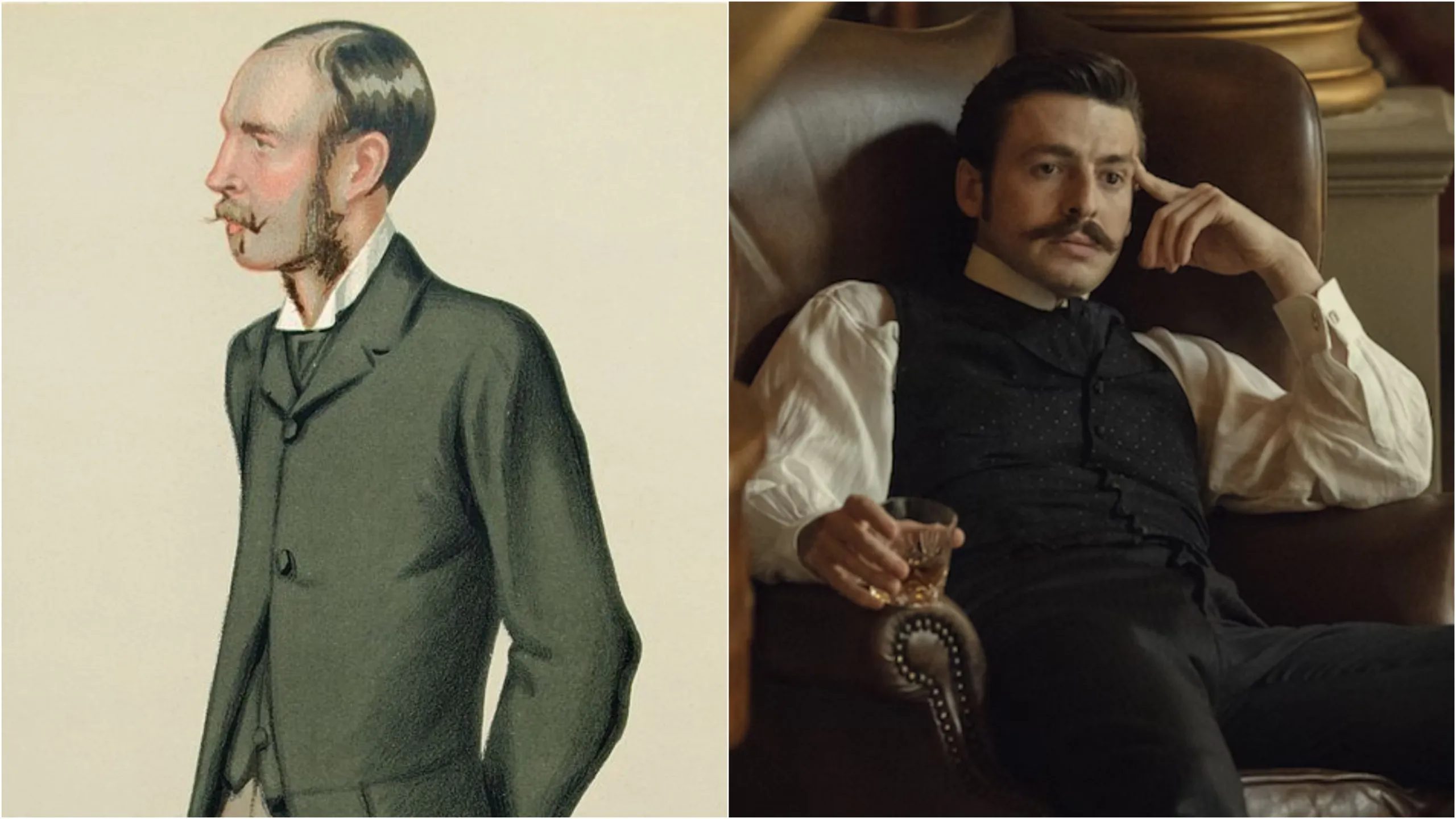
Arthur Guinness, the visionary founder of the world-renowned brewing dynasty, died on January 23, 1803, at the age of 78 in Dublin, Ireland. His death marked the conclusion of a transformative era for the Irish brewing industry, leaving behind a flourishing business, a large family, and a lasting commercial legacy that would eventually expand into a global enterprise.
The Life and Career of Arthur Guinness
Arthur Guinness was born in 1725 in County Kildare, Ireland. While the exact location of his birth remains a subject of historical debate, his influence on the industrial landscape of the 18th century is undisputed. He entered the brewing trade in the mid-1700s, eventually securing a lease at St. James's Gate in Dublin in 1759.
The lease agreement for St. James's Gate is one of the most famous documents in brewing history. Guinness signed a 9,000-year lease for the site at an annual rent of £45. This act of foresight provided the foundation for a company that would define Dublin’s industrial identity for centuries. During his tenure, Arthur pivoted the brewery’s focus toward porter—a dark, top-fermented beer that had gained popularity in London—which allowed the company to scale operations effectively within Ireland.
Arthur Guinness’s Final Days
By the start of the 19th century, Arthur Guinness had established himself as a prominent figure in Dublin's merchant class. His health began to decline in the early years of the century, eventually leading to his death in 1803. He passed away at his home in Beaumont, north of Dublin.
Historical accounts of the period suggest that Guinness died of natural causes, having lived a full life that saw him rise from a local brewer to a major figure in Irish commerce. He was buried in the churchyard of Oughterard, near Celbridge, County Kildare, alongside his mother. His funeral was a significant event in the community, reflecting the status he had attained through his professional success and his philanthropic efforts within the city of Dublin.
The Succession of the Business
The passing of Arthur Guinness did not signal the end of the brewery; rather, it marked the beginning of a multi-generational expansion. Arthur had twenty-one children with his wife, Olivia Whitmore, and it was his son, Arthur Guinness II, who would oversee the company's most aggressive growth phase following his father’s death.
Arthur Guinness II was instrumental in turning the brewery into a massive exporter. Under his stewardship, the company moved away from selling solely to the local Dublin market and began shipping to the United Kingdom and eventually across the British Empire. The transition of leadership was seamless, as the senior Guinness had spent years mentoring his children in the complexities of the trade, ensuring the continuity of the brand and the security of the St. James’s Gate site.
Impact on the Irish Economy
The death of Arthur Guinness occurred at a time when Ireland was experiencing significant political and economic upheaval, particularly following the Act of Union in 1800. Despite these instabilities, the Guinness brewery remained a pillar of economic activity in Dublin.
The business model pioneered by the elder Guinness—which combined high production standards, a strategic long-term lease, and a focus on domestic sourcing—provided a template for industrial success in Ireland. By the time of his death, the brewery was a major employer in the city. The infrastructure he established allowed his successors to integrate advanced steam-power technologies and eventually expand the facility to cover over 60 acres by the end of the 19th century.
Historical Commemoration and Legacy
In the years following 1803, the Guinness family took active roles in Irish politics, banking, and public life. The legacy of the founder is often remembered through the lens of the company's long-standing commitment to its workers. Arthur Guinness established a reputation for treating his employees with relative fairness compared to the standards of the Industrial Revolution era, providing housing and medical care, which became a hallmark of the family's corporate philosophy.
Today, visitors to Dublin can still see the physical traces of Arthur Guinness’s work. The St. James’s Gate brewery remains a functioning site of production. The legacy is also preserved in the Guinness Storehouse, a museum and cultural hub that draws millions of visitors annually, documenting the history of the company from the humble beginnings of the founder to the global brand of the 21st century.
Comparative Timeline of Significant Milestones
To understand the scope of Arthur Guinness’s life and the era following his death, it is helpful to look at the progression of the business through major historical markers.
| Year | Event | Significance |
|---|---|---|
| 1759 | St. James's Gate Lease | Established the permanent location for the brewery. |
| 1770s | Expansion to Porter | Shifted product focus to high-demand dark ales. |
| 1790s | Industrial Expansion | Increased brewing capacity to meet regional demand. |
| 1803 | Death of Arthur Guinness | Succession of the business to his sons. |
| 1820s | International Trade | Massive increase in exports to the UK and beyond. |
Common Misconceptions Regarding the Founder
Historical figures often become clouded by myth, and Arthur Guinness is no exception. A common question concerns whether the beer he brewed in 1803 is identical to the product sold in 2026. The answer is nuanced. While the fundamental principles of the recipe—malt, water, hops, and yeast—remain the core of the product, the manufacturing processes have undergone massive shifts. The move from traditional open-top wooden fermentation to modern stainless steel, and the scientific refinement of yeast strains, means that modern Guinness is a technologically evolved product compared to the ale poured in the early 1800s.
Another common point of confusion relates to the family's wealth. While Arthur Guinness was a successful businessman, the immense, aristocratic-level wealth associated with the Guinness family was primarily the result of the massive export success achieved by the generations that followed him, particularly in the mid-19th century.
Frequently Asked Questions
Did Arthur Guinness have a large family when he died? Yes, Arthur Guinness and his wife Olivia had 21 children, though not all survived to adulthood. His large family was central to the continuation and expansion of the business, as many of his sons took active roles in the brewery and other financial ventures in Ireland.
Where is Arthur Guinness buried? He is buried in the Oughterard churchyard, located near Celbridge in County Kildare, Ireland. His grave is located in the family plot, which is situated near the resting place of his mother, Elizabeth Read.
Was the Guinness brewery a monopoly at the time of his death? No. At the time of his death in 1803, the brewing market in Dublin and Ireland was highly competitive. It was only through the aggressive business strategies of his successors that Guinness eventually came to dominate the Irish stout market in the late 19th and early 20th centuries.
How did Arthur Guinness’s death affect the brewery’s operations? The transition was well-managed. Because Arthur Guinness had involved his children in the business operations throughout his later years, the transition of power was stable. His son, Arthur Guinness II, is credited with taking the company from a domestic success to an international powerhouse.
Is there a specific memorial to Arthur Guinness? While he does not have a singular, elaborate tomb, his legacy is celebrated through various statues in Dublin, the most notable being near St. Stephen's Green, and through the ongoing operation of the St. James's Gate brewery, which functions as a living monument to his foresight.
Conclusion and Next Steps for Researchers
For those interested in further exploring the history of Arthur Guinness and the evolution of the industry he founded, the primary resource remains the Guinness Archive located in Dublin. This collection holds extensive documentation regarding the early leases, correspondence from the Guinness family, and the operational records of the brewery in the years surrounding 1803.
Researchers should focus on local Irish census records from the late 18th century and the commercial registers of the Dublin Guild of Brewers to get a clearer picture of the environment in which he operated. Understanding the economic climate of the late 1700s provides the necessary context to appreciate how the foundation laid by Arthur Guinness was able to survive and thrive for over two centuries.