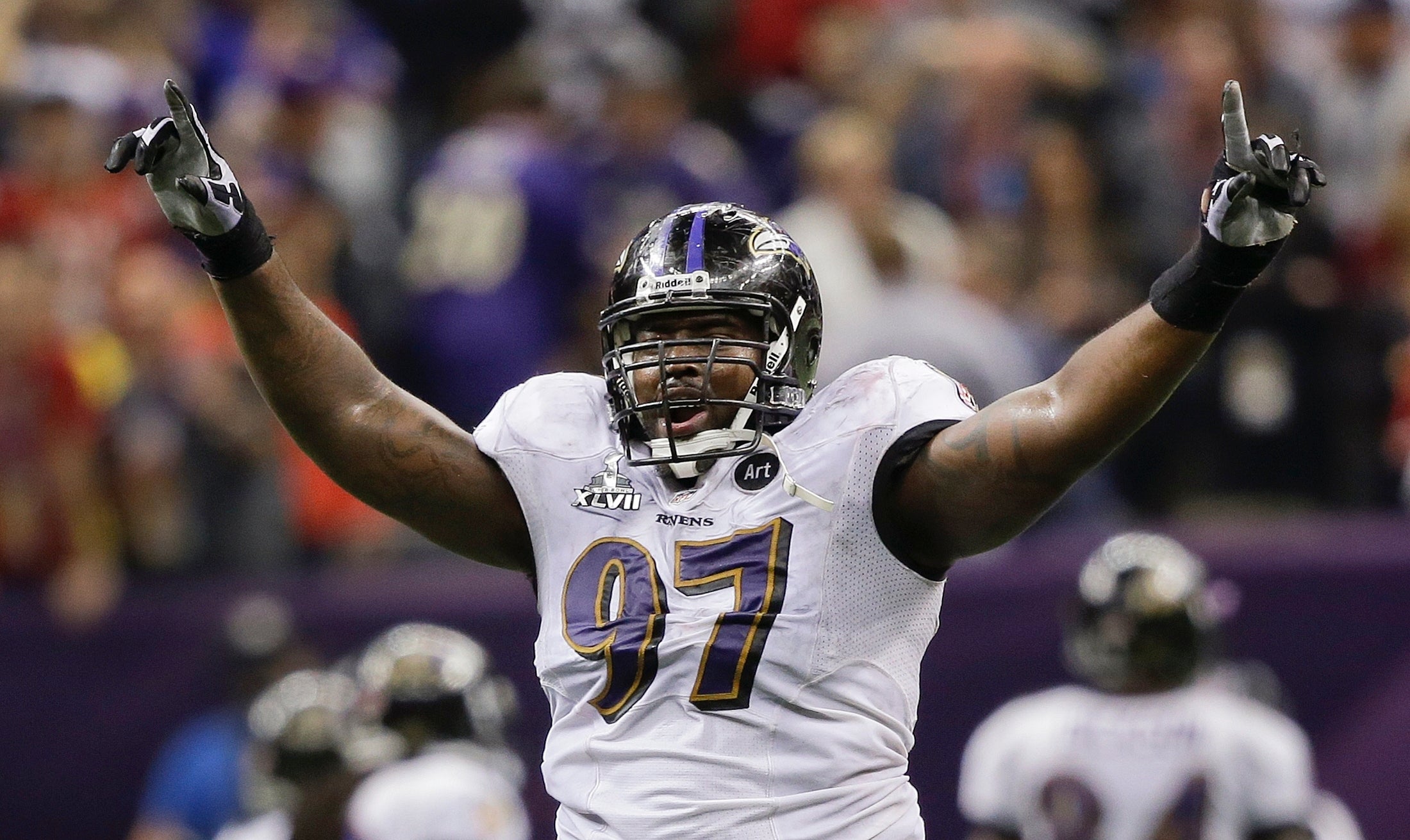
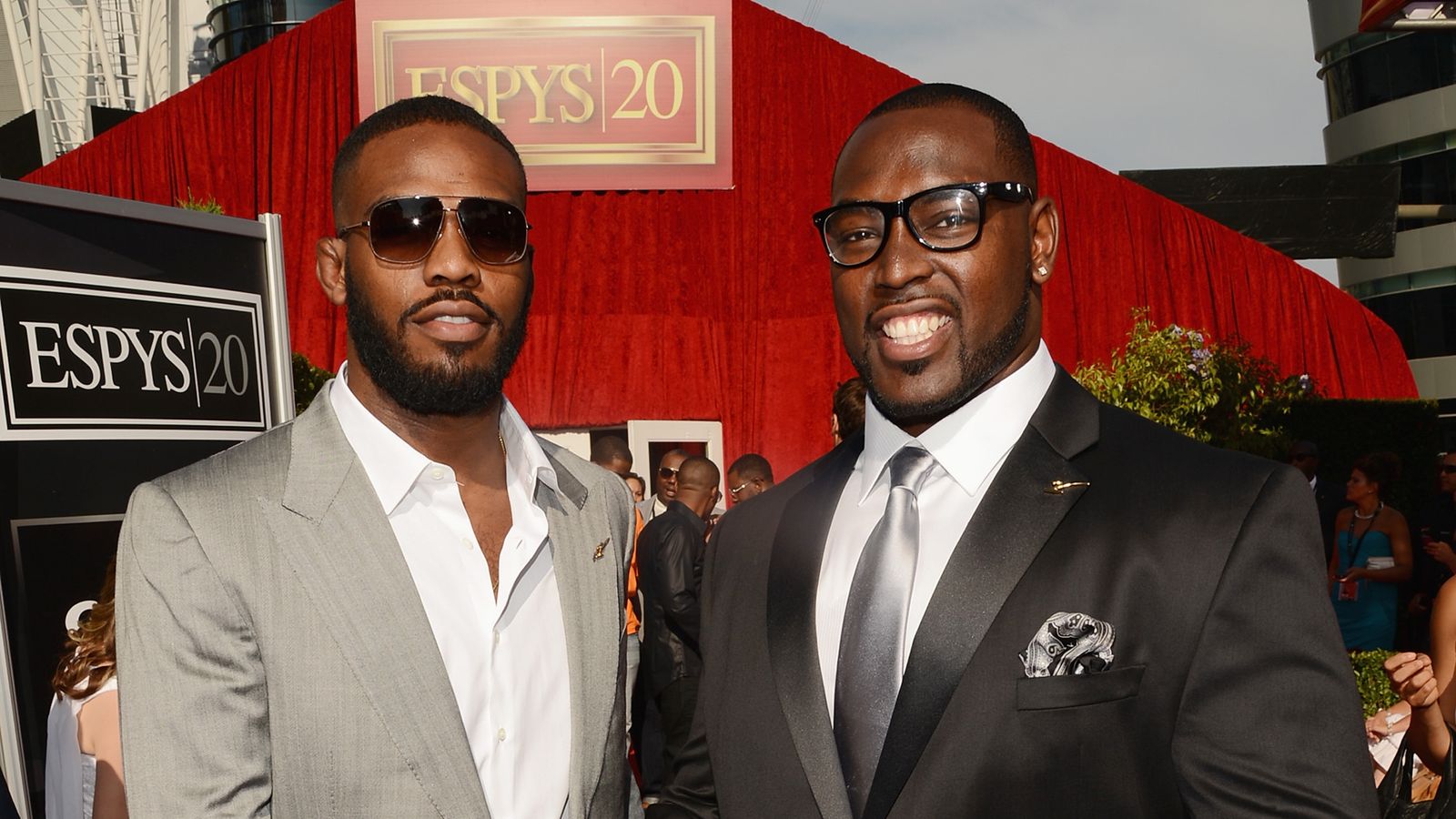
The sports legacy of Arthur Jones III is defined by his transition from a standout collegiate athlete at Syracuse University to a seasoned professional in the National Football League (NFL). As a defensive lineman, Jones built a reputation for high-motor play and tactical disruption, establishing a professional identity that eventually paved the way for his family's continued presence in elite-level American football.
The Foundation of a Professional Career
Arthur Jones III, born in Rochester, New York, emerged as a force in American football during his time at Syracuse University. His tenure with the Orange (2006–2009) served as the proving ground for his future professional aspirations. During his collegiate years, Jones developed into a formidable defensive tackle, known for his agility and strength. He was a two-time All-Big East selection, earning recognition not only for his tackle counts but for his ability to infiltrate the offensive backfield and disrupt plays before they could develop.
His development at Syracuse was characterized by a rapid adaptation to the speed of the college game. By his junior and senior years, he had become a central figure in the team's defensive schemes. His collegiate performance generated significant interest from NFL scouts, who viewed him as a "high-effort" player—a term used in scouting to describe an athlete who maintains intensity from the snap until the whistle. This trait would become the cornerstone of his professional branding.
Entry into the NFL and Strategic Utility
In the 2010 NFL Draft, the Baltimore Ravens selected Arthur Jones III in the fifth round. Entering the league as a later-round pick, Jones faced the immediate challenge of proving his worth in a competitive professional environment. His early years in Baltimore were defined by a patient ascent up the depth chart. The Ravens, known for their disciplined and physically demanding defensive culture, provided the ideal environment for a player of Jones's profile.
As a defensive end and tackle, Jones functioned as a rotational player in his early seasons. He provided the Ravens with essential depth and versatility, allowing them to maintain defensive pressure during high-leverage situations. His breakout period began to manifest as he integrated himself into the team’s defensive line rotation, eventually contributing significantly to the team’s postseason campaigns, most notably during the 2012 season which culminated in a Super Bowl XLVII victory. His presence on the defensive line provided a physical challenge for interior offensive linemen, often creating lanes for blitzing linebackers and edge rushers.
The Evolution of the Professional Defensive Player
Following his successful stint in Baltimore, Jones moved to the Indianapolis Colts in 2014, signing a multi-year contract that reflected his value as a starter. This period in his career highlighted the reality of professional sports: the constant struggle to manage physical attrition. Defensive line play is notoriously punishing, and Jones's transition to Indianapolis brought new challenges related to health and sustained performance.
Throughout his time with the Colts and a brief subsequent period with the Washington Redskins (now Commanders), Jones had to adjust his playing style to compensate for changing physical demands. The transition from a "pure power" interior lineman to a more tactical player allowed him to remain effective. His ability to read offensive blocking schemes and maintain gap discipline demonstrated a high football IQ, a trait that allowed him to extend his career beyond what his raw physical measurables might have suggested.
Family Dynamics and the Jones Sporting Lineage
The sports legacy of Arthur Jones III is inextricable from his family’s broader impact on American sports culture. The Jones family is widely recognized as one of the most prominent multi-sport athletic dynasties of the 21st century. Arthur Jones III is the eldest of three siblings, all of whom have achieved significant recognition in their respective fields:
- Arthur Jones III: NFL defensive lineman with a career spanning seven seasons.
- Jon "Bones" Jones: Widely considered one of the greatest mixed martial artists in history, holding multiple UFC Light Heavyweight Championship titles.
- Chandler Jones: A highly decorated NFL defensive end known for his elite sack production and longevity in the league.
This sibling dynamic created a unique ecosystem of training, competition, and mutual support. Growing up in Endicott, New York, the brothers pushed each other in environments ranging from high school wrestling mats to backyard drills. This internal competition was a critical factor in their collective success. While Arthur paved the way by being the first to break into the professional ranks, his success served as a roadmap for his younger brothers. The legacy is not just one of individual talent, but of a shared methodology—a focus on discipline, recovery, and the mental fortitude required to endure the rigors of elite professional contact sports.
Technical Contributions and Positional Nuances
To understand the sports legacy of Arthur Jones III, one must examine the technical requirements of the defensive tackle position in the modern era. During his peak (2010–2016), the NFL saw a shift toward faster, more spread-oriented offensive schemes. This required defensive tackles to move beyond simply being "run stoppers."
Jones was a proponent of the "active hands" technique. In defensive line play, the ability to shed blocks is determined by the speed and precision of a player's hand strikes against an opponent’s chest plate. Jones frequently utilized a "swim" move and a "rip" move, techniques designed to bypass the leverage advantage of an offensive guard. By maintaining a lower center of gravity than his opponents, he could anchor against the run while simultaneously maneuvering to threaten the pocket.
| Attribute | Skill Set Requirement | Arthur Jones III Execution |
|---|---|---|
| Hand Placement | Precision striking to control opponent | High; utilized leverage to disrupt pocket |
| Gap Integrity | Holding the line against rushing lanes | Strong; disciplined in 3-tech assignments |
| Motor | Maintaining intensity through the play | High; known for pursuit speed |
| Versatility | Playing multiple front positions | Capable of 3-4 end and 4-3 tackle |
Impact Beyond the Field
The legacy of Arthur Jones III extends into the realm of mentorship and the shifting perception of athlete health. Throughout his career, he witnessed the evolution of sports medicine and player safety protocols. Having navigated the recovery processes associated with injuries, he has often spoken to the importance of specialized training and long-term physical care.
His career trajectory serves as a case study for younger athletes regarding the transition from college to the NFL. The jump from the collegiate game to professional football involves a massive increase in the complexity of playbooks and the intensity of the physical toll. Jones’s ability to remain in the league for seven seasons is a testament to his adaptability. Many players with similar physical profiles wash out within three years; Jones’s longevity was earned through the consistent application of professional habits—film study, nutrition, and recovery routines that prioritized career sustainability.
Challenges and Lessons for Emerging Athletes
The modern sports landscape is significantly more data-driven than when Arthur Jones III began his professional career. Aspiring athletes today face different pressures, including the early use of performance analytics and heightened media scrutiny. Jones’s career provides several pertinent lessons for the modern generation:
- Preparation over Raw Talent: Success in the NFL is rarely about a single standout attribute. Jones’s success was built on his mastery of fundamentals, such as footwork and hand placement, which remained effective even when his raw athleticism fluctuated.
- Adaptability to Team Culture: Every NFL team operates under a different philosophy. A player’s ability to assimilate into a new system—as Jones did between Baltimore and Indianapolis—is as important as their physical capability.
- The Importance of Brotherhood: The support system provided by his siblings underscores the importance of a high-performance peer group. For young athletes, surrounding themselves with individuals who hold them to the same standards of discipline is a proven factor in long-term development.
FAQ
What defined Arthur Jones III’s playstyle in the NFL? Arthur Jones III was primarily defined by his high-effort defensive line play, tactical use of hand-fighting techniques to shed blocks, and his discipline in maintaining gap integrity within complex defensive schemes.
How did Arthur Jones III contribute to the Baltimore Ravens' success? Jones provided critical depth and starting-caliber play for the Ravens, particularly during their run to a Super Bowl XLVII victory. His ability to occupy multiple offensive linemen created opportunities for teammates to pressure the quarterback.
Is Arthur Jones III related to other professional athletes? Yes, he is the older brother of UFC legend Jon "Bones" Jones and prolific NFL defensive end Chandler Jones. The trio is frequently cited for their collective dominance in professional sports.
What position did Arthur Jones III play? He primarily played as a defensive end and defensive tackle, moving between those roles based on the defensive front schemes used by his respective teams.
What impact does the Jones family have on sports training culture? The Jones family is known for an intense, shared training ethos. Their collective success has popularized a model where family support, combined with rigorous, year-round specialized athletic training, acts as a primary catalyst for reaching the professional level.
Recommendations for Further Study
For those interested in the history of defensive line play, reviewing game film from the 2012–2013 Ravens defensive unit offers a clear view of the defensive schemes in which Arthur Jones III thrived. Additionally, prospective athletes should analyze the career paths of multi-generational athletic families to understand the variables of support and discipline required to sustain professional careers across different sporting disciplines.
If one is seeking to emulate the physical development shown by players of this caliber, the focus should be placed on kinetic chain training—improving the efficiency with which the body moves from the feet through the hands—rather than purely isolated strength training.