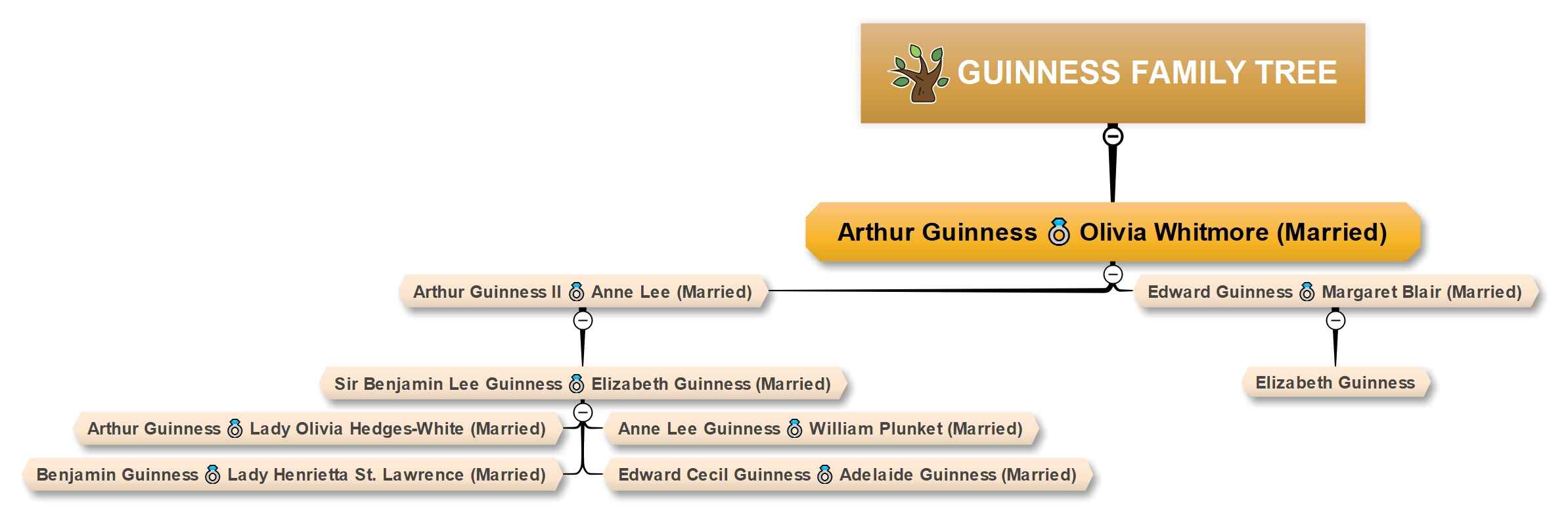
Arthur Lee Guinness occupies a distinct position in the lineage of the Guinness family, blending the rigorous demands of nineteenth-century industrial brewing with the refined pursuits of a dedicated art collector. As a scion of the famous brewing dynasty, his life reflected the convergence of Irish commercial expansion and the Victorian-era trend of translating industrial wealth into significant private collections. While his primary professional identity was tethered to the management and development of the Guinness brewing operations in Dublin, his extracurricular dedication to art and artifacts positioned him as a notable figure within the social and cultural hierarchy of the era.
The Professional Legacy in Irish Brewing
To understand Arthur Lee Guinness, one must first locate him within the broader operational structure of the Guinness brewery at St. James’s Gate. By the mid-19th century, the brewery had already transitioned from a regional enterprise into an international powerhouse. Arthur Lee Guinness was an active participant in an era where the firm was refining its production methods, embracing the scientific advancements of the Industrial Revolution to scale output while maintaining consistency—a defining trait of their stout.
Brewing in Dublin was not merely a manufacturing process; it was an exercise in logistics, human resources, and quality control. Arthur Lee Guinness worked during a period when the company was increasingly relying on technological integration, such as the expansion of steam power and the sophisticated use of the Liffey to transport grain and export the finished product. His role involved ensuring that the commercial standards of the firm remained robust against an increasingly competitive market in Britain and the colonies.
The brewery’s culture under his generation was characterized by paternalism—a system where the owners provided extensive facilities for their workforce, including housing and medical services. This approach was central to maintaining the stability required for mass production. Arthur Lee Guinness contributed to a business model that prioritized long-term asset management, which allowed the family to accumulate the capital necessary to sustain personal interests, such as high-end collecting, without compromising the company’s core stability.
Collecting as a Social and Cultural Pursuit
Beyond the brewery gates, Arthur Lee Guinness distinguished himself through his private collections. The practice of collecting among the Anglo-Irish elite during this time was often more than a hobby; it was an expression of status, education, and cultural alignment. For men of his stature, acquiring art and antiquities served to bridge the gap between their commercial origins and the landed gentry they frequently socialized with.
His interests in collecting were reflective of the Victorian obsession with provenance and the accumulation of knowledge. Collectors of that period often curated pieces that symbolized historical continuity, favoring works that connected their immediate surroundings to broader European art movements. The acquisition of these items required significant financial liquidity, reinforcing the connection between the success of the St. James’s Gate brewery and the cultural footprint the family established in Dublin and beyond.
The items collected by members of the Guinness family often found their way into public view or were eventually donated to institutions, reflecting a shift from private indulgence to public legacy. This transition is a common theme in the lives of nineteenth-century industrialists who sought to secure a lasting reputation that transcended their primary industry.
Comparative Overview: Industrialists as Patrons
The intersection of industry and collection was not unique to Arthur Lee Guinness, yet his specific context provides a clear view of how the Irish brewing elite balanced their professional duties with their intellectual interests. The following table highlights the nature of these pursuits during his era.
| Activity Category | Operational Requirements | Cultural/Personal Contribution |
|---|---|---|
| Brewing | Scaled output, quality control, logistics | Employment of thousands, economic growth |
| Collecting | Provenance research, maintenance, auction participation | Preservation of art, status signaling, philanthropy |
| Philanthropy | Estate management, social welfare oversight | Community health, housing development |
| Land Management | Agricultural oversight, tenant relations | Preservation of historic Irish landscapes |
The Requirements of Managing a Brewing Dynasty
The management of a company like Guinness in the 1800s required more than just technical knowledge of fermentation or mashing. It required a deep understanding of the Irish political landscape. The brewers were constantly navigating the shifting currents of tax law, trade regulations, and the volatility of grain markets. For Arthur Lee Guinness, navigating these requirements was essential to maintaining the capital necessary to preserve his lifestyle and his collection.
- Supply Chain Integrity: Ensuring the consistent supply of quality barley and hops required establishing long-term contracts with local Irish farmers, effectively anchoring the company to the rural economy.
- Technological Adaptation: Investing in infrastructure, including rail links and improved storage facilities, to ensure that the perishable nature of the product did not lead to spoilage during transit.
- Public Perception: The brand had to be marketed as a symbol of Irish quality, which involved careful management of the public image of the owners themselves. Being a refined collector helped project an image of stability and sophistication to the public and potential investors.
Common Misconceptions Regarding the Guinness Family
Distinguishing between the many members of the Guinness family is often a challenge for historians and researchers. Arthur Lee Guinness is frequently conflated with his more famous relatives, such as Sir Benjamin Lee Guinness or the Earls of Iveagh. It is vital to recognize that the family was a sprawling network of individuals, each tasked with specific components of the brewing, banking, or political interests of the lineage.
A common mistake in analysis is assuming that every member of the family had an identical role in the brewery. While the collective success of the company supported their individual endeavors, the internal labor was divided. Arthur Lee Guinness operated within a structure where the family members acted as stewards of a legacy that was already well-established. His contribution should be viewed as part of this broader stewardship, where personal excellence in curation and collection served to reinforce the prestige of the name.
The Preservation of History and Collections
In 2026, the legacy of collectors like Arthur Lee Guinness is often studied through the lens of archival preservation. The items collected during his lifetime serve as artifacts of a bygone social class in Ireland. When investigating these collections, researchers often focus on the following:
- Auction Records: Documents detailing the acquisition of pieces provide insight into the economic power of the brewery owners.
- Correspondence: Letters between collectors often reveal the networks of trade, expertise, and competition that existed in the late 19th century.
- Physical Condition: Many of the items have since been cataloged by museums, showing how careful preservation allowed these pieces to survive well into the 21st century.
The study of such collections also highlights the limitations of the era. Many collections of the time were heavily influenced by Eurocentric tastes, often overlooking indigenous Irish crafts in favor of imported continental works. Understanding this preference is crucial for a balanced view of the cultural impact of industrial families in Ireland.
Frequently Asked Questions
What was the relationship between brewing and collecting for the Guinness family?
The primary connection was economic. The massive profits generated by the Guinness brewery provided the disposable income required to pursue high-end collecting. Collecting also functioned as a way to convert industrial capital into social and cultural capital, which was highly valued in the society of the time.
How did Arthur Lee Guinness contribute to the development of the brewery?
He was part of the management structure that oversaw the expansion of production capacity and the modernization of the St. James’s Gate site. His work helped ensure that the business remained profitable enough to withstand market fluctuations, thereby sustaining the family’s broader interests.
Where are the collections of the Guinness family held today?
Many items have been dispersed through auctions, inherited by descendants, or donated to national institutions. The National Gallery of Ireland and various regional museums frequently house pieces that originated from the collections of prominent Dublin families of the 19th century.
Were there specific types of art that the family preferred?
While interests varied by individual, the prevailing preference of the era leaned toward classical paintings, silver, and imported furniture that indicated global reach and refined taste.
Why is it difficult to track specific items belonging to Arthur Lee Guinness?
The family was vast, and estates were often divided through inheritance. Over time, collections were sold, gifted, or lost, making the task of provenance research a complex process for contemporary historians.
Practical Next Steps for Researchers
If you are currently researching the life of Arthur Lee Guinness or the history of the Guinness family’s influence on the Irish art scene, consider the following actions to ensure your documentation remains accurate:
- Primary Source Verification: Consult the archives at the Guinness Storehouse and the National Archives of Ireland. These are the most authoritative sources for business and personal records of the family.
- Provenance Tracking: Utilize auction house catalogs from the late 19th and early 20th centuries to trace the movement of specific items if you are investigating a particular piece of art or antique.
- Institutional Consultation: Contact curators at institutions known to hold private collections from the Irish Victorian era. They may hold supplemental information or catalogs that are not digitized.
- Contextual Analysis: Do not isolate the subject from the economic volatility of the time. Reviewing contemporary tax and property records will provide a clearer picture of why certain financial decisions were made.
By focusing on these areas, you can develop a nuanced understanding of a figure who served as both a gatekeeper of Irish industry and a participant in the curation of its cultural history. The dual nature of his life—the brewery office and the private gallery—remains a quintessential example of the Irish industrial experience.