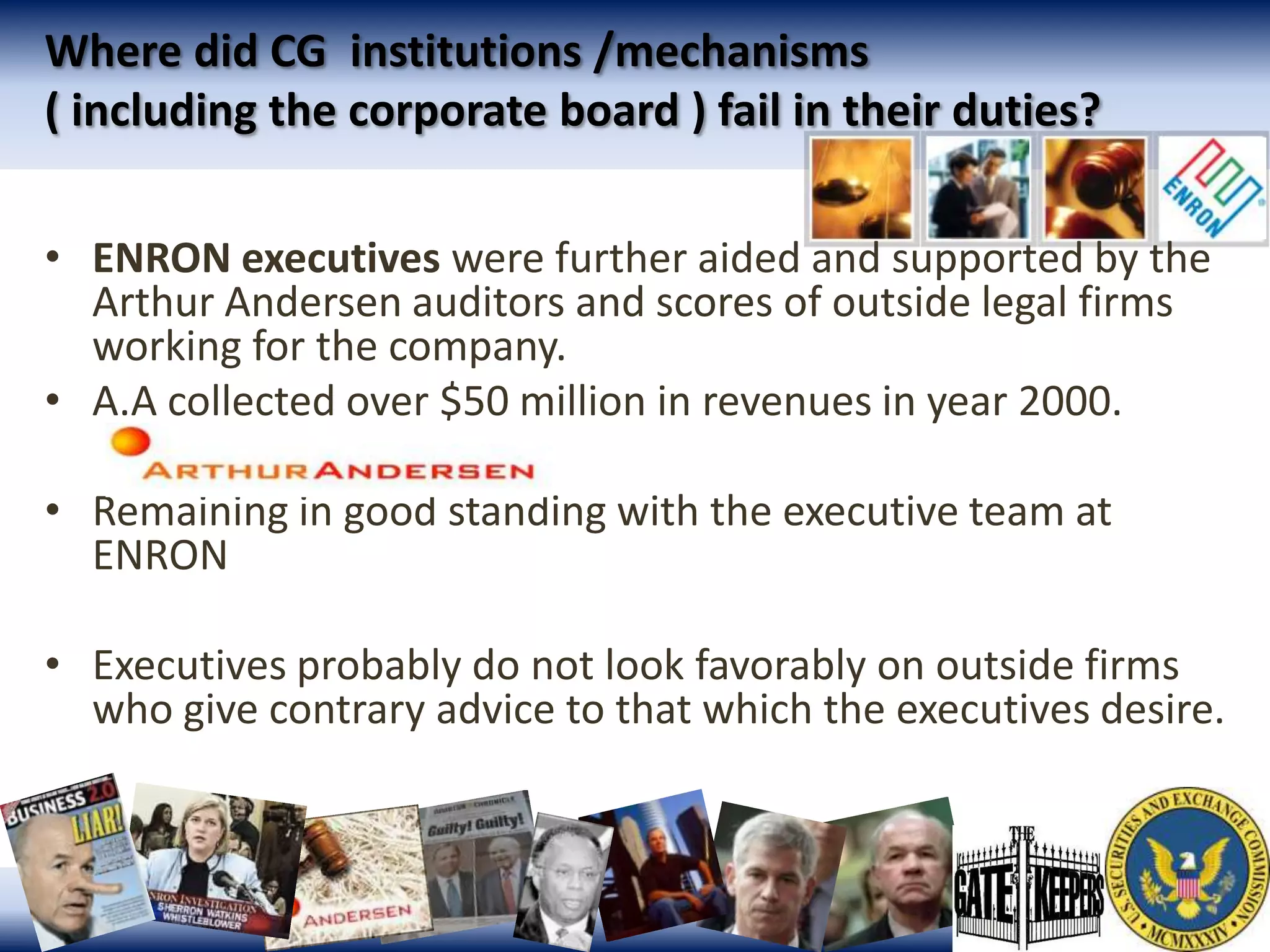
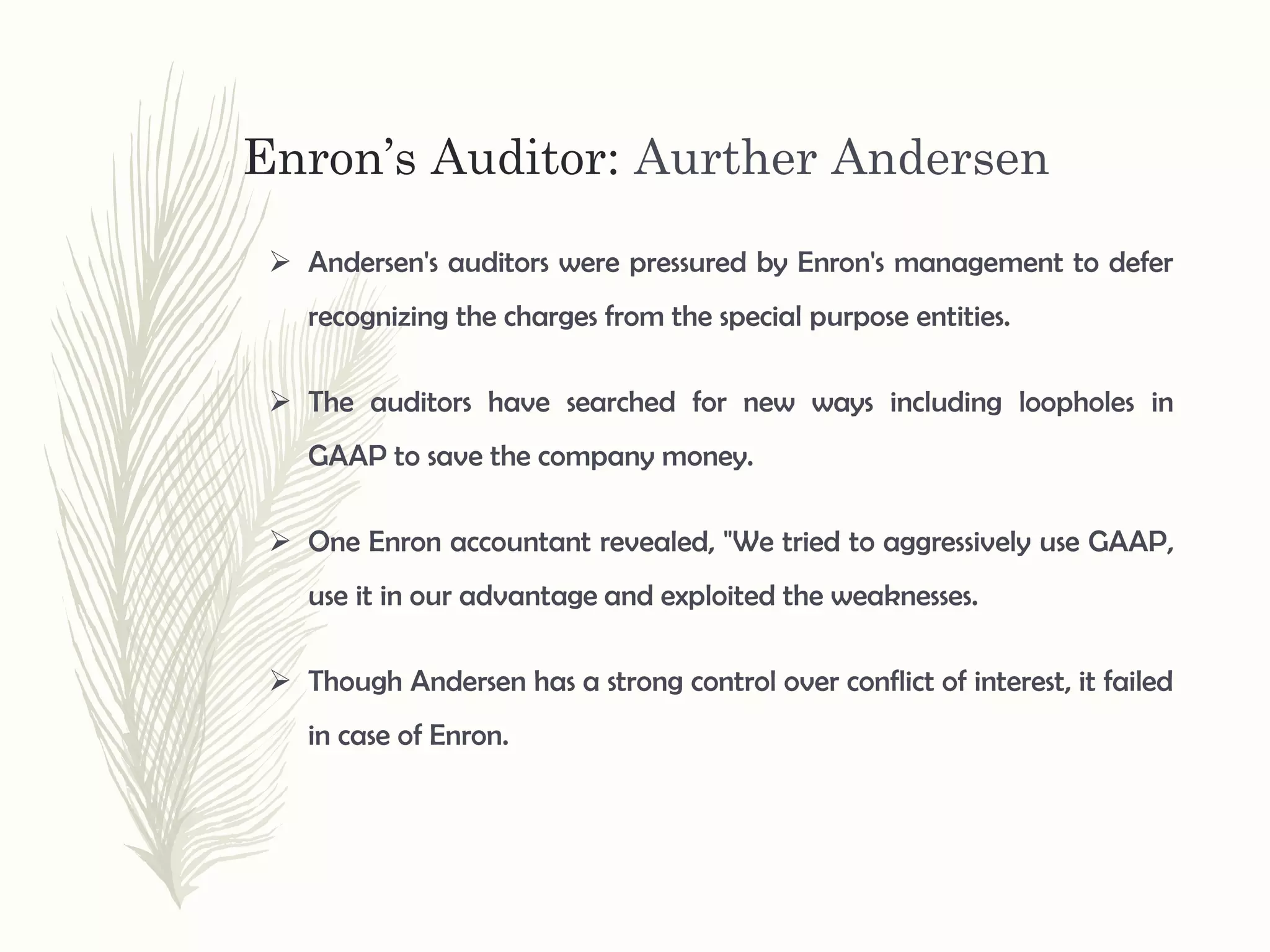
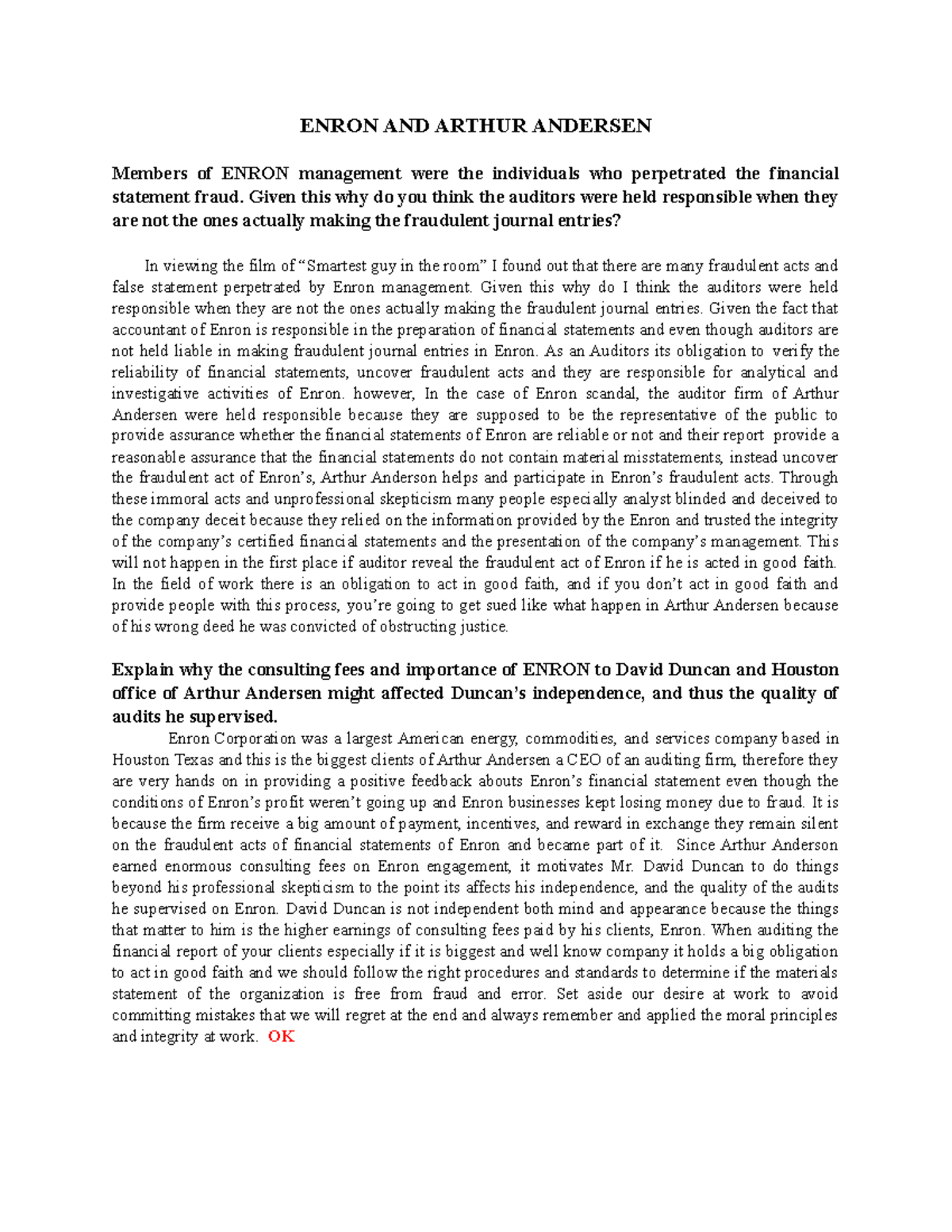
The involvement of Arthur Andersen in the Enron scandal represents one of the most significant failures in the history of the public accounting profession. As Enron’s long-standing auditor, Andersen not only failed to detect or report the massive financial fraud occurring within the energy giant but was also found to have actively destroyed audit-related documents as the Securities and Exchange Commission (SEC) began its investigation in 2001. This breach of trust led to the firm's criminal conviction, the surrender of its CPA license, and its effective dissolution as one of the world's "Big Five" accounting firms.
The Role of Arthur Andersen as Enron’s Auditor
For years, Arthur Andersen served a dual role for Enron, acting as both the company’s external auditor and its primary internal auditor. This arrangement, which was permitted under regulatory standards of the late 1990s, created a profound conflict of interest. Andersen received millions of dollars annually in consulting fees from Enron, an income stream that far exceeded the fees earned from traditional audit work.
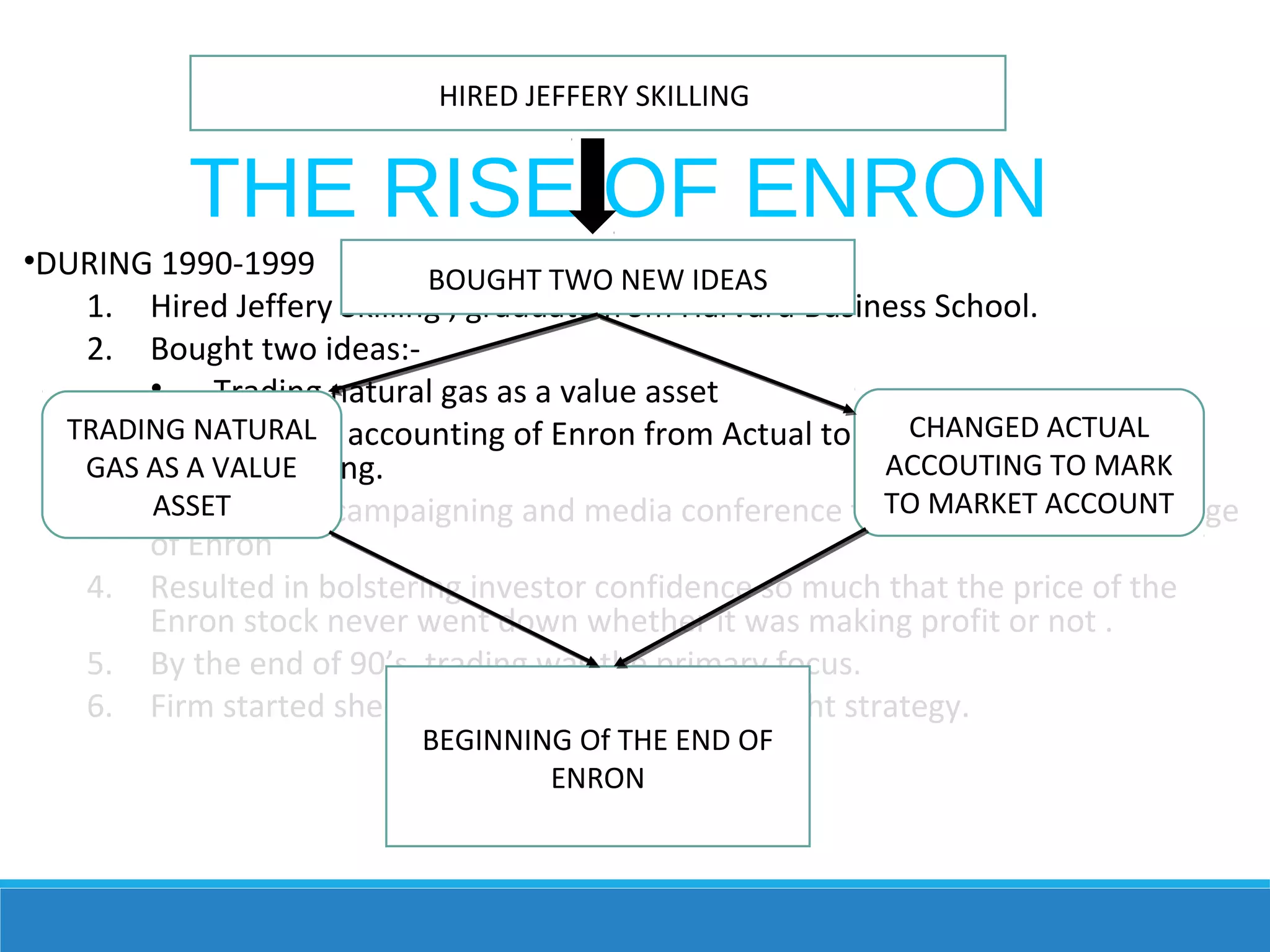
As Enron expanded rapidly through the 1990s, transitioning from a traditional natural gas pipeline operator into a complex energy-trading and finance entity, its financial statements became increasingly opaque. Andersen’s role was to provide an objective assessment of whether these financial statements accurately represented the company's fiscal health. Instead, the firm frequently signed off on aggressive and highly complex "Special Purpose Entities" (SPEs)—off-balance-sheet vehicles designed by Enron executives to conceal massive debt and inflate reported profits.
The Mechanism of Financial Deception
The fraud at Enron relied on the creation of complex financial instruments, often referred to as "Raptors" or "Chewco," which allowed the company to move underperforming assets and liabilities off its balance sheet. Under standard Generally Accepted Accounting Principles (GAAP) at the time, if a third party held a sufficient stake in these entities, they did not have to be consolidated with Enron’s financial results.
Andersen personnel were instrumental in reviewing the accounting treatment of these structures. Critics and subsequent investigations suggested that the auditors were either too deferential to Enron’s aggressive management team or were complicit in crafting accounting loopholes. By treating these SPEs as independent entities, Enron was able to report robust cash flow and minimal debt, despite having billions of dollars in unrecognized liabilities. This misrepresentation created a facade of profitability that masked the underlying liquidity crisis that would eventually lead to the company’s collapse.
The Obstruction of Justice and Document Destruction
The situation escalated dramatically in late 2001 when the SEC began making inquiries into Enron’s financial irregularities. Upon learning of the investigation, Arthur Andersen’s internal legal team and regional managers initiated a widespread "document retention" program. In practice, this program became a systematic campaign to destroy audit work papers, emails, and internal memos related to Enron.
The destruction involved shredding thousands of documents and deleting electronic files at the firm’s Houston office. In 2002, Arthur Andersen was indicted on the charge of obstruction of justice for its role in this destruction. While the firm was initially convicted in a federal trial, the Supreme Court of the United States eventually overturned the conviction in 2005 on the basis of flawed jury instructions. However, by that time, the damage to the firm’s reputation was irreparable. The firm had already surrendered its license to practice as public accountants, and the vast majority of its partners and employees had defected to other major accounting firms.
Comparison of Regulatory and Professional Standards
The Enron scandal highlighted a systemic failure in the oversight of auditing firms. The following table illustrates the key aspects of the relationship between Andersen and Enron compared to standard industry practices.
| Feature | Intended Practice | Reality at Enron/Andersen |
|---|---|---|
| Audit Independence | External auditor remains neutral | Auditor heavily reliant on consulting fees |
| Document Retention | Preservation of records for 7+ years | Systematic shredding during SEC inquiry |
| Financial Transparency | Disclosure of all off-balance-sheet debt | Use of SPEs to obscure billions in liability |
| Professional Skepticism | Challenging aggressive management assumptions | Deferential approval of high-risk accounting |
The Aftermath and Regulatory Overhaul
The collapse of Arthur Andersen had a profound impact on the financial sector. The loss of a "Big Five" firm created a supply shock in the auditing market, leaving only four major global players. More importantly, the failure of the existing self-regulatory model led directly to the passage of the Sarbanes-Oxley Act (SOX) of 2002.
This legislation represented the most significant change to federal securities law since the Great Depression. Key provisions included:
- The Creation of the PCAOB: The Public Company Accounting Oversight Board was established to oversee auditors of public companies, shifting the burden from internal industry self-regulation to a government-backed agency.
- Prohibition of Non-Audit Services: Accounting firms were prohibited from providing specific consulting services to the same companies they audited, effectively ending the conflict of interest that plagued the Andersen-Enron relationship.
- Mandatory Rotation: Lead audit partners were required to rotate off client accounts periodically to prevent long-term, overly familiar relationships between auditors and management.
- CEO/CFO Certification: Executive management is now legally required to sign off on the accuracy of financial reports, increasing personal accountability for financial fraud.
Lessons for Modern Corporate Governance
The legacy of the Andersen scandal remains a cornerstone of accounting education in 2026. It serves as a reminder that the independence of the external auditor is the bedrock of public trust in capital markets. When that independence is compromised by the pursuit of lucrative secondary contracts, the audit function loses its efficacy as a check on executive power.
Current professionals in finance and accounting are trained to recognize the "red flags" that Andersen auditors allegedly ignored: complex structures with no clear business purpose, aggressive revenue recognition, and a lack of cooperation from management when auditors seek clarification. The modern emphasis is on "professional skepticism"—the mindset that auditors must maintain an unbiased, questioning approach regardless of the size or prestige of the client.
Frequently Asked Questions
Why was Arthur Andersen considered a "Big Five" firm?
Before the scandal, the "Big Five" were the five largest accounting firms in the world, dominating the audit market for multinational corporations. The group included Arthur Andersen, Deloitte & Touche, Ernst & Young, KPMG, and PricewaterhouseCoopers. After Andersen's collapse, the group became the "Big Four."
Did the Supreme Court ruling clear Arthur Andersen of wrongdoing?
Not exactly. The 2005 Supreme Court decision in Arthur Andersen LLP v. United States overturned the criminal conviction because the jury instructions were deemed too vague regarding the "intent" to obstruct justice. However, the ruling did not exonerate the firm's professional conduct; the firm had already ceased operations as an active accounting entity by that time.
How did the Enron scandal affect the average investor?
The collapse caused billions of dollars in market value to evaporate, destroying the pension funds and retirement savings of thousands of Enron employees. It also triggered a crisis of confidence in the U.S. stock market, leading investors to question the reliability of financial statements across all sectors.
What is the PCAOB and how did it change auditing?
The PCAOB is a nonprofit corporation established by the Sarbanes-Oxley Act to oversee the auditors of public companies. It conducts regular inspections of audit firms to ensure compliance with professional standards, a stark contrast to the pre-2002 era where firms were largely left to police themselves.
Can a firm provide both consulting and auditing services today?
Under the Sarbanes-Oxley Act and subsequent SEC rules, auditors are restricted from providing many non-audit services (such as bookkeeping, financial systems design, or legal services) to their audit clients. This is strictly intended to maintain the "firewall" between an auditor's objective review and a company’s operational management.
Is the name Arthur Andersen still used by any company?
The brand effectively ceased to exist in its original form. While a legacy entity, Andersen Tax, was formed later by former partners, it is an independent firm and has no legal or professional continuity with the original Arthur Andersen that was involved in the Enron scandal.
Recommendations for Investors and Professionals
For stakeholders in 2026, the primary lesson remains the importance of transparency. When evaluating an investment or conducting an internal audit, one should always look beyond the bottom-line figures to understand the sources of profitability. Investors should prioritize reading the "Notes to Financial Statements" in annual reports, where off-balance-sheet items and accounting methodologies are typically disclosed. For accounting professionals, the mandate is to prioritize the public interest and professional ethics over the demands of management, as the cost of failure can extend far beyond a single firm to the stability of the global economy.