Artem Lobov’s net worth is estimated to be between $2 million and $5 million as of 2026. This figure reflects his career earnings from professional mixed martial arts, his high-profile involvement in the Bare Knuckle Fighting Championship (BKFC), and his strategic business ventures, most notably his high-stakes legal battle and professional relationship regarding the Proper No. Twelve Irish Whiskey brand.
The Professional Fighting Career and Earnings
Artem Lobov, a Russian-born Irish fighter, built his reputation through a gritty, high-pressure style in the Ultimate Fighting Championship (UFC). While he was often noted for his association with Conor McGregor, Lobov’s own career in the octagon provided the foundational capital for his later financial endeavors.
In the UFC, fighter compensation is structured around base pay, win bonuses, and sponsorship opportunities—though the latter were heavily restricted during the prime of his UFC tenure. Lobov participated in The Ultimate Fighter (TUF) reality series, which provided him with a significant platform. Throughout his UFC tenure, his purses were generally consistent with mid-tier fighters, though his appearances on major cards helped bolster his public profile and marketability.
Transitioning from the UFC to the Bare Knuckle Fighting Championship (BKFC) marked a pivotal shift in his earning potential. Unlike many fighters who fade into obscurity after leaving the UFC, Lobov leveraged his name value to secure top-billing positions in BKFC. Reports from the time of his signing and subsequent bouts suggest that his pay-per-view incentives and contract terms in bare-knuckle boxing were significantly more lucrative than his standard UFC fighter contracts. This transition is a common path for combat sports athletes seeking to maximize the value of their "brand" outside of the restrictive ecosystem of elite MMA promotions.
The Proper No. Twelve Whiskey Litigation
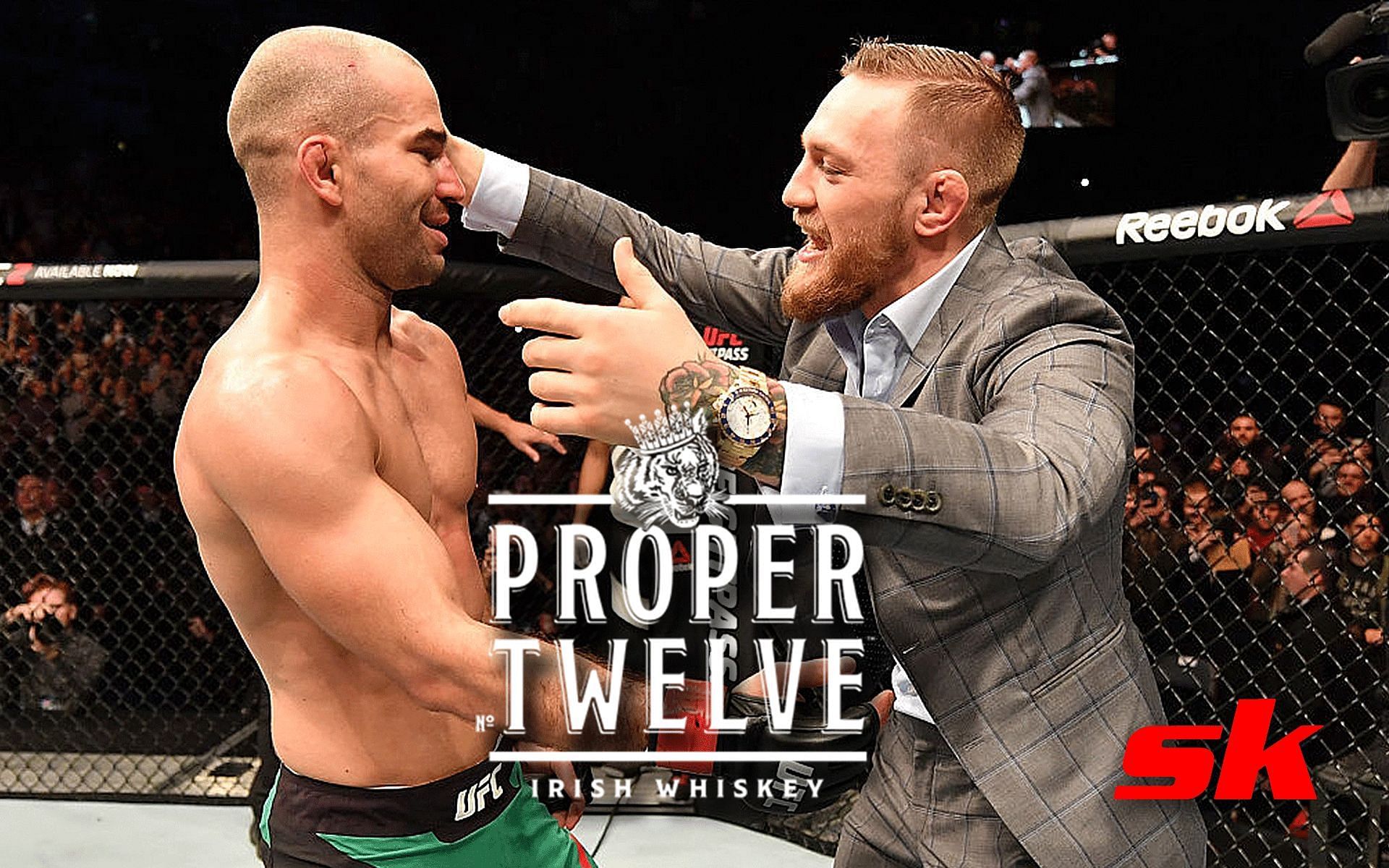
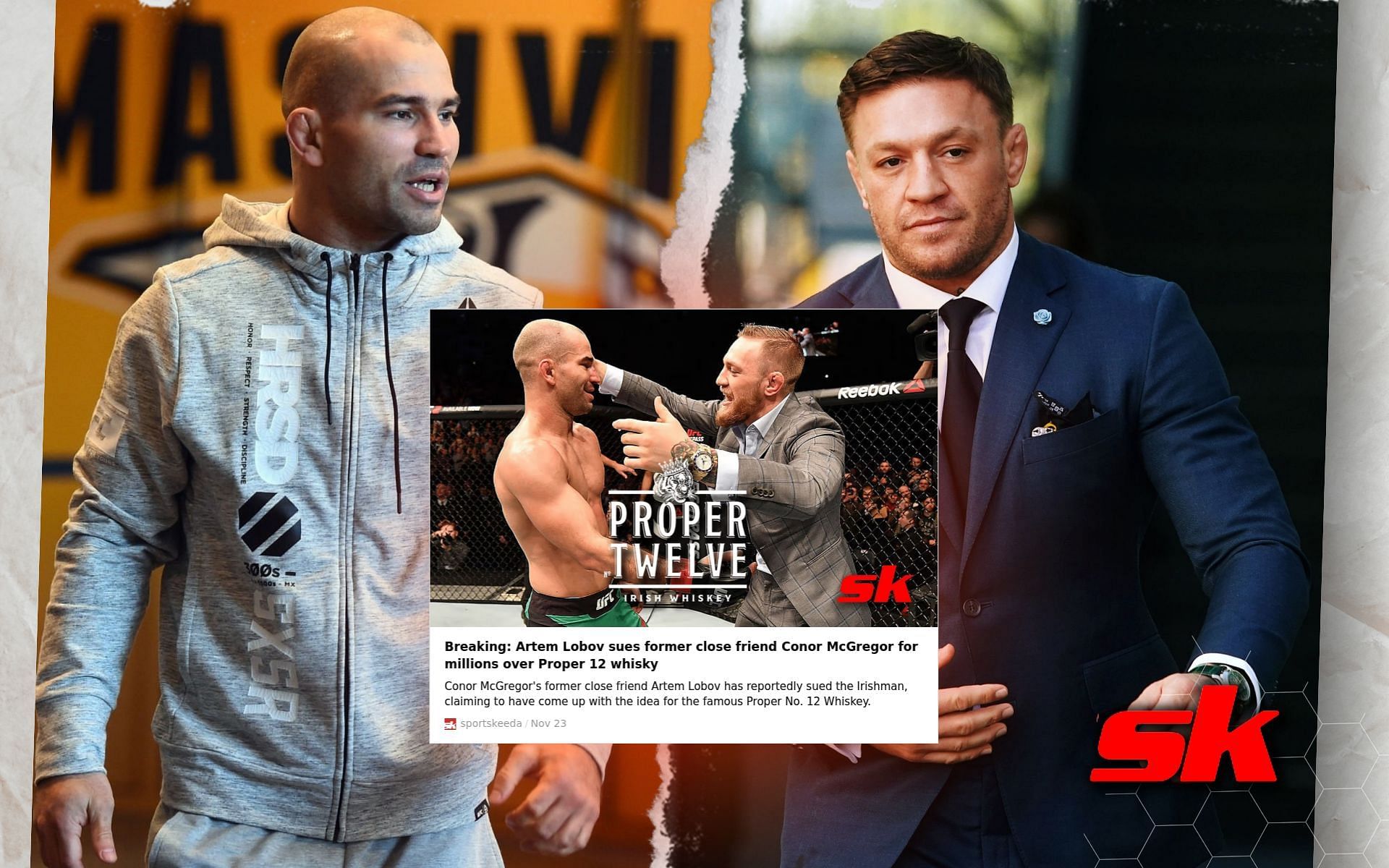
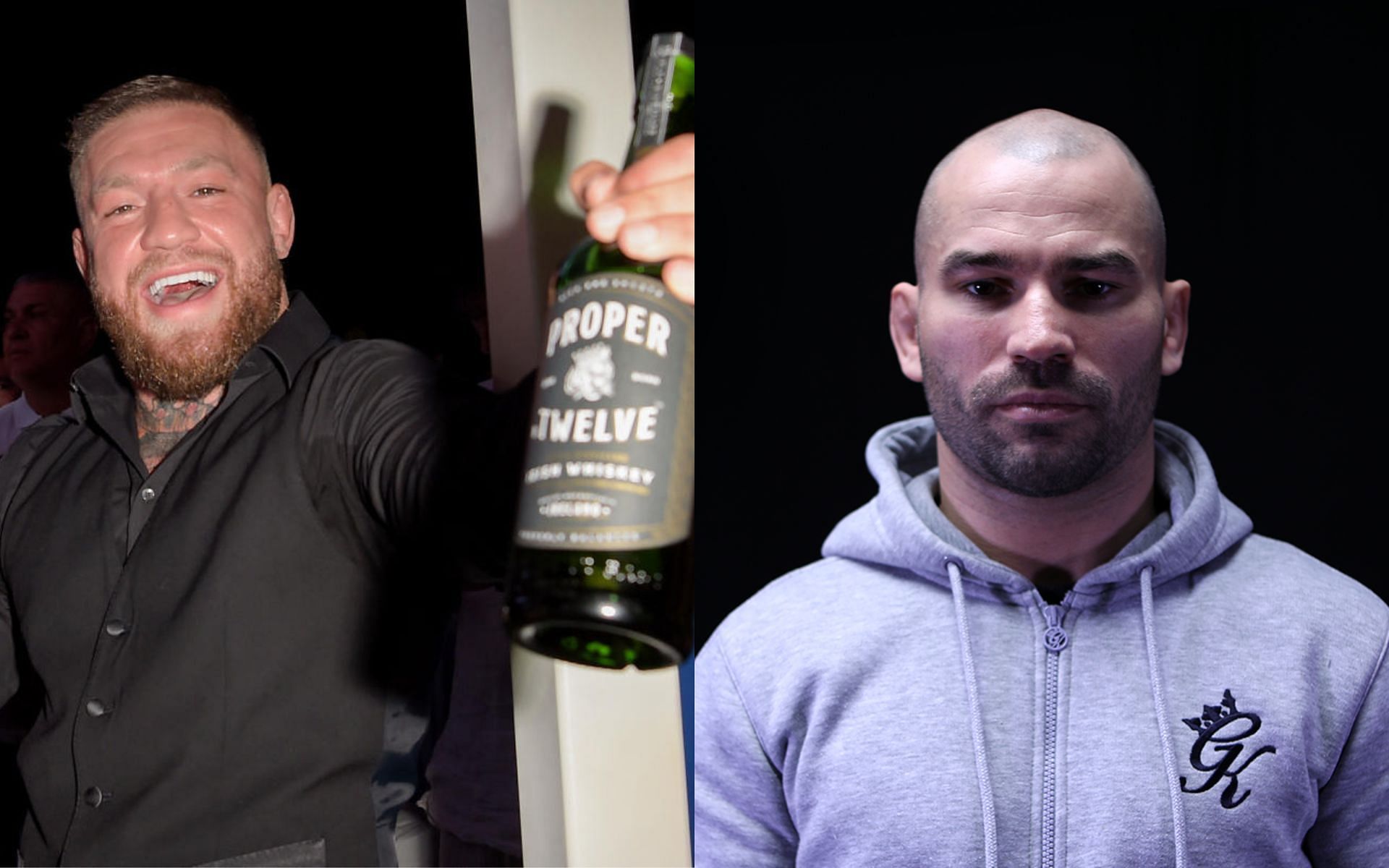
A major, albeit complex, driver of public interest in Artem Lobov’s net worth is his legal action concerning the sale of Proper No. Twelve Irish Whiskey. Lobov alleged that he played a foundational role in the conceptualization and development of the brand, which was later sold to Proximo Spirits in a deal worth hundreds of millions of dollars.
In 2022, Lobov filed a High Court claim in Ireland seeking a percentage of the proceeds from the sale of the whiskey brand. He contended that he was instrumental in sourcing the distillery and developing the business plan, a claim that was strongly contested by his former training partner, Conor McGregor.
For financial analysts and observers, this legal battle highlighted the risks and rewards of "sweat equity" in celebrity-driven business ventures. Regardless of the legal outcome, the proceedings provided a rare, albeit partial, glimpse into the valuation of the brand and the high-stakes world of celebrity alcohol endorsements. For readers looking to understand the nature of net worth in this context, it is crucial to distinguish between liquid assets (cash) and speculative claims (lawsuits). As of 2026, the resolution of this litigation has been factored into the broader estimation of his wealth, serving as a reminder that personal brand leverage can sometimes lead to significant, if volatile, financial assets.
Financial Diversification: Beyond the Cage
The evolution of a professional athlete's net worth is rarely linear, typically relying on a mix of active income, investments, and endorsements. For Lobov, diversification has been a necessary strategy to maintain financial stability post-retirement.
Coaching and Gym Partnerships
Lobov has remained involved in the MMA community through coaching and gym associations. Gym ownership and advisory roles allow fighters to monetize their technical expertise. While these are not always "blockbuster" income streams, they provide consistent cash flow compared to the "feast or famine" cycle of professional fighting.
Media Appearances and Branding
The modern combat athlete is a media entity. Podcasts, guest commentary, and influencer-style brand partnerships constitute a significant, though often invisible, portion of an athlete’s revenue. Lobov’s ability to remain relevant in the combat sports discourse through various media channels ensures that his personal brand maintains a base level of commercial viability.
Comparative Earnings in Combat Sports
Understanding where an athlete like Lobov stands requires context regarding how fight purses are structured. The table below illustrates the typical revenue streams for mid-tier to high-profile fighters.
| Revenue Stream | Nature of Income | Predictability |
|---|---|---|
| Fight Purses | Base pay per bout | Low (Event-based) |
| Win Bonuses | Performance incentive | Low (Variable) |
| PPV Points | Percentage of sales | Low (Subject to reach) |
| Sponsorships | Long-term contracts | High (Recurring) |
| Equity/Business | Ownership stakes | Moderate (Long-term) |
The Mechanics of Athlete Wealth Management
For athletes, the transition from active competition to life after the sport is the most dangerous financial period. Many fighters experience a "cliff" where income drops precipitously after their last bout. Artem Lobov’s financial health is, in part, a testament to his ability to keep his name in the public eye.
Managing wealth as a professional athlete requires specific attention to:
- Taxation: Fighters often pay taxes in multiple jurisdictions based on where they fight, requiring sophisticated cross-border accounting.
- Insurance: Chronic injury risks make long-term disability and health insurance a critical, albeit expensive, component of their financial planning.
- Capital Allocation: The move from high-risk fighting to lower-risk, diversified investments is essential. This often involves real estate, secondary business ventures, or retirement funds.
Frequently Asked Questions
1. What was the primary source of Artem Lobov’s income?
His primary income was derived from professional fight purses in the UFC and BKFC. Secondary income has come from media appearances, coaching, and business consulting within the combat sports industry.
2. How much did the Proper No. Twelve lawsuit affect his net worth?
The lawsuit remains a point of speculation regarding his total net worth. While the case highlighted the potential for significant wealth creation through business equity, it is impossible to quantify exactly how much, if any, of that value was realized in his personal accounts.
3. Is Artem Lobov still active in combat sports?
As of 2026, Lobov is primarily focused on coaching, media, and business ventures. While he occasionally participates in exhibitions or grappling events, his full-time professional fighting career has effectively concluded.
4. Why are there varying estimates for his net worth?
Net worth estimates are often based on public earnings reports and media speculation. They do not account for private expenses, taxes, legal fees, or undisclosed business investments, which often lead to discrepancies between published estimates and actual wealth.
5. What is the biggest challenge to a fighter's net worth?
The biggest challenges include the short duration of a professional career, high susceptibility to injury, and the lack of a traditional salary structure. Financial sustainability requires shifting focus from "fighting for a check" to "building an asset" before the career ends.
Recommendations for Further Research
If you are tracking the financial trajectories of combat athletes, prioritize looking at SEC filings (for publicly traded partners), official court records for public litigation, and confirmed promotional pay structures. Avoid relying on "net worth" aggregators that often use automated templates to estimate wealth without access to private financial disclosures.
For those interested in the business side of MMA, focus your study on the contractual structures of organizations like the UFC and how they differ from the independent promotion model used by BKFC. Understanding these structural differences is the only way to accurately interpret the "wealth" of the athletes involved.