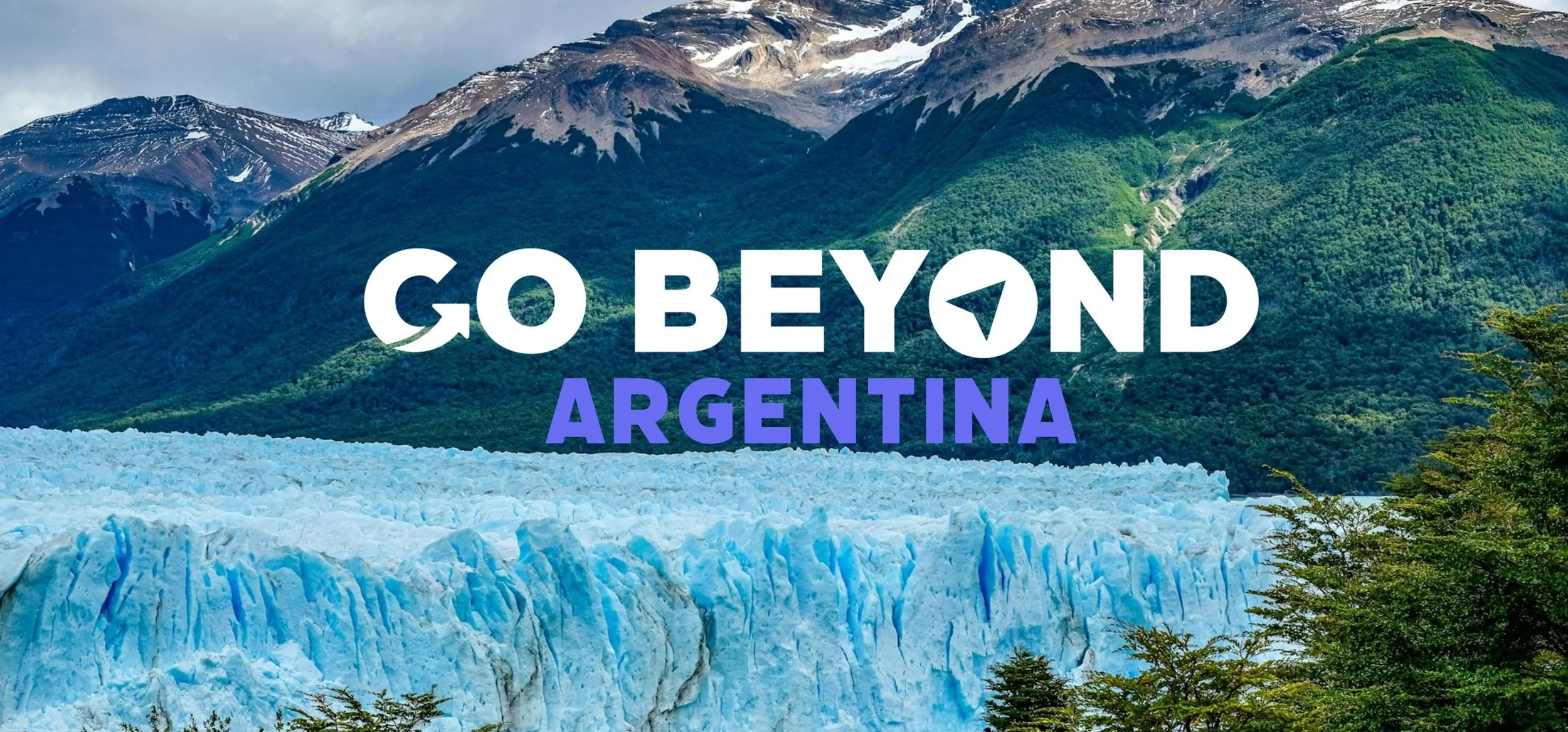
An essential Argentina must-see holiday typically requires a 10 to 21-day itinerary that balances the European elegance of Buenos Aires with the raw power of Iguazú Falls and the glacial majesty of Patagonia. Travelers should prioritize domestic flight connections to bridge the vast distances between these world-class natural and cultural landmarks.
Navigating the Vastness of Argentina in 2026
Argentina is the eighth-largest country in the world, a fact that fundamentally shapes how a "must-see" holiday is structured. As we move through 2026, the country continues to refine its tourism infrastructure, making once-remote regions more accessible via expanded domestic flight routes from both Ezeiza (EZE) and Aeroparque (AEP) airports.
Planning a trip here is not about seeing everything—it is about choosing the right "anchors." A primary holiday usually centers on four distinct geographical zones: the cosmopolitan capital, the tropical northeast, the Andean wine country, and the southern frontier of Patagonia. Each region requires specific logistical considerations, from high-altitude acclimation in the north to specialized cold-weather gear in the south.
Essential Prerequisites for International Travelers
Before diving into specific destinations, travelers in 2026 must account for several logistical prerequisites:
- Entry Requirements: Most Western travelers (US, UK, EU, Canada, Australia) do not require a visa for stays up to 90 days, but valid passports with at least six months' validity are mandatory. Always check the official Dirección Nacional de Migraciones website for the most current reciprocity fee updates.
- Currency and Payments: The Argentine economy remains dynamic. While credit cards are widely accepted in 2026 (often utilizing the "MEP" exchange rate for foreign tourists, which is more favorable than the official rate), carrying physical Argentine Pesos for small towns and tipping is still necessary.
- Health and Safety: No mandatory vaccinations are required for most regions, though Yellow Fever is occasionally recommended for the northern jungle areas near Iguazú. Comprehensive travel insurance that covers "Adventure Sports" is essential if you plan on trekking in Patagonia.
Buenos Aires: The Cultural Heartbeat
No Argentina must-see holiday is complete without at least three to four days in Buenos Aires. Often called the "Paris of the South," the city is a sprawling metropolis of distinct "barrios" (neighborhoods), each offering a different facet of Argentine identity.
Historic San Telmo and La Boca
Start where the city began. San Telmo is famous for its cobblestone streets, colonial architecture, and the Sunday Antique Market at Plaza Dorrego. It is the best place to experience authentic, grit-and-glamour tango. Nearby, La Boca offers the iconic, brightly painted houses of El Caminito. While touristy, it provides vital context regarding the city’s immigrant history and its obsession with football (soccer), specifically the legendary Boca Juniors stadium, La Bombonera.
The Elegance of Recoleta and Palermo
In contrast, Recoleta showcases the city’s aristocratic past. The Recoleta Cemetery, where Eva Perón is interred, is an architectural marvel of ornate mausoleums. Moving north, Palermo is the modern heart of the city. It is divided into Palermo Soho (boutique shopping and cafes) and Palermo Hollywood (the culinary and nightlife hub). In 2026, Palermo continues to dominate the "Latin America’s 50 Best Restaurants" lists, making reservations essential weeks in advance for top-tier parrillas (steakhouses) like Don Julio.
Iguazú Falls: The Power of Water
Located on the border with Brazil in the subtropical Misiones province, Iguazú Falls consists of 275 individual drops that form the largest waterfall system in the world. It is a non-negotiable stop on any Argentina itinerary.
Argentine Side vs. Brazilian Side
While the Brazilian side offers the best "panoramic" view, the Argentine side (Parque Nacional Iguazú) allows you to get intimately close to the water.
- The Upper Circuit: Offers vertical views from the top of the falls.
- The Lower Circuit: Takes you into the heart of the mist and closer to the base.
- The Devil’s Throat (Garganta del Diablo): A 1,100-meter walkway leads you to the edge of the most powerful drop. The sheer volume of water and the resulting permanent rainbow are transformative experiences.
Practical Tips for Iguazú
In 2026, it is highly recommended to allocate two full days to the park. Use the "Eco-Train" to move between stations and consider the Gran Aventura boat ride, which takes passengers directly under the falls. Note that the humidity is high year-round, and the tropical sun is intense; high-SPF sunscreen and waterproof bags for electronics are mandatory.
Patagonia: Glaciers and Granite Spires
Southern Argentina, known as Patagonia, is a bucket-list destination for hikers and photographers. This region is divided into two main hubs: El Calafate and El Chaltén.
The Majesty of Perito Moreno Glacier
El Calafate serves as the gateway to Los Glaciares National Park. The crown jewel here is the Perito Moreno Glacier. Unlike most of the world’s glaciers, Perito Moreno is one of the few that is not retreating.
- The Walkways: A series of steel boardwalks offer multiple angles of the glacier's face.
- Minitrekking and Big Ice: For those in good physical condition, guided tours allow you to walk directly on the ice using crampons. These tours fill up months in advance for the 2026 season.
El Chaltén: The Trekking Capital
A three-hour drive from El Calafate lies El Chaltén, a small village located at the foot of the iconic Mount Fitz Roy. This is a "must-see" for anyone who enjoys the outdoors. The trails are exceptionally well-marked and range from easy strolls to the Laguna de los Tres trek, a challenging 8-hour round trip that rewards hikers with the most famous view of the Fitz Roy spires.
Mendoza: The Wine and High Andes
Located at the foothills of the Andes, Mendoza produces approximately 70% of Argentina’s wine. However, its "must-see" status comes from the combination of world-class Malbec and the looming presence of Aconcagua, the highest peak in the Southern and Western Hemispheres.
Wine Regions: Luján de Cuyo and Uco Valley
- Luján de Cuyo: Known as the "Land of Malbec," this area is closer to the city and home to historic wineries with traditional architecture.
- Uco Valley: This is the high-altitude frontier of Argentine winemaking. In 2026, the Uco Valley is the center of architectural innovation, with futuristic wineries set against the backdrop of snow-capped peaks. Many offer "lodging among the vines," providing one of the most luxurious holiday experiences in South America.
Mount Aconcagua
Even if you aren't a mountaineer, the Aconcagua Provincial Park offers accessible day hikes. The "Horcones Circuit" provides a stunning view of the mountain’s South Face. It is a stark, high-altitude desert environment that provides a dramatic contrast to the lush vineyards only an hour away.
Summary of Must-See Regions
To help you decide where to allocate your time, the following table compares the primary "must-see" regions based on travel style and timing.
| Region | Primary Appeal | Recommended Duration | Best Time to Visit (2026) |
|---|---|---|---|
| Buenos Aires | Culture, Food, Tango | 3–5 Days | Year-round (Spring/Fall best) |
| Iguazú Falls | Nature, Photography | 2 Days | March–May or Sept–Nov |
| Patagonia | Hiking, Glaciers | 5–7 Days | Nov–March (Southern Summer) |
| Mendoza | Wine, Mountains | 3–4 Days | Feb–April (Harvest Season) |
| The Northwest | Indigenous Culture, Salt Flats | 4–5 Days | April–October (Dry Season) |
Technical Travel Logistics for 2026
Successfully executing an Argentina must-see holiday requires understanding the "how" as much as the "where."
Internal Flights and the "Hub-and-Spoke" System
Because Argentina is so large, you will likely spend significant time in the air. Most flights connect through Buenos Aires.
- Aerolíneas Argentinas: The national carrier has the most extensive network.
- Low-Cost Carriers: Airlines like Flybondi and JetSmart often offer significantly cheaper fares, though they frequently operate out of smaller airports and have stricter baggage limits.
- Pro Tip: Always allow at least 4 hours for connections if you are switching from the international airport (EZE) to the domestic airport (AEP).
The "Northwest" Alternative
If you have more than two weeks, consider adding Salta and Jujuy. This region is home to the Salinas Grandes (salt flats) and the multi-colored mountains of Purmamarca. This area feels more like the Andean cultures of Bolivia or Peru and offers a starkly different culinary profile focused on corn, potatoes, and llama meat.
Budgeting for 2026
Argentina can be as cheap or as expensive as you want it to be.
- Mid-range: Expect to spend $150–$250 USD per day including domestic flights, boutique hotels, and high-quality meals.
- Luxury: Five-star estancia stays and private guided tours in Patagonia can exceed $600 USD per day.
- Tipping: 10% is the standard in restaurants. Rounding up taxi fares is appreciated but not mandatory.
Frequently Asked Questions
What is the single best month to visit Argentina?
For a "must-see" holiday that covers the whole country, November is arguably the best month. It is late spring in Buenos Aires (Jacaranda trees are in bloom), the weather in Patagonia is warming up for trekking, and Iguazú is not yet at its peak summer humidity. March is a close second, offering the grape harvest in Mendoza and stable autumn colors in Patagonia.
Is Argentina safe for solo travelers in 2026?
Yes, Argentina remains one of the safest countries in South America for solo travelers. Standard urban precautions apply: keep your phone out of sight on busy streets in Buenos Aires, use "Radio Taxis" or ride-sharing apps (Uber and Cabify are active), and be mindful of your surroundings in crowded tourist spots like La Boca.
Can I drink the tap water?
In Buenos Aires and most major cities, tap water is treated and generally safe to drink. However, in more remote areas of the Northwest or in some Patagonian towns, the mineral content can be high and may cause stomach upset for those not used to it. Most travelers stick to bottled or filtered water to be safe.
How much Spanish do I need to know?
In major tourist hubs like Buenos Aires, Iguazú, and Mendoza, English is widely spoken in hotels and high-end restaurants. However, in Patagonia and the Northwest, or when dealing with taxi drivers, a basic grasp of Spanish phrases is highly beneficial. Argentines are generally very patient and appreciative of any effort to speak their language.
Final Recommendation for Your 2026 Holiday
To maximize your Argentina must-see holiday, book your Patagonian components (Calafate/Chaltén) at least six months in advance. This region has a limited season and high demand. Start your journey in Buenos Aires to acclimate to the culture, fly north to Iguazú for the spectacular scenery, and end with the quiet majesty of the southern glaciers or the vineyards of Mendoza. Always build in "buffer days" between flights, as domestic travel in Argentina can occasionally face delays due to weather or logistics.