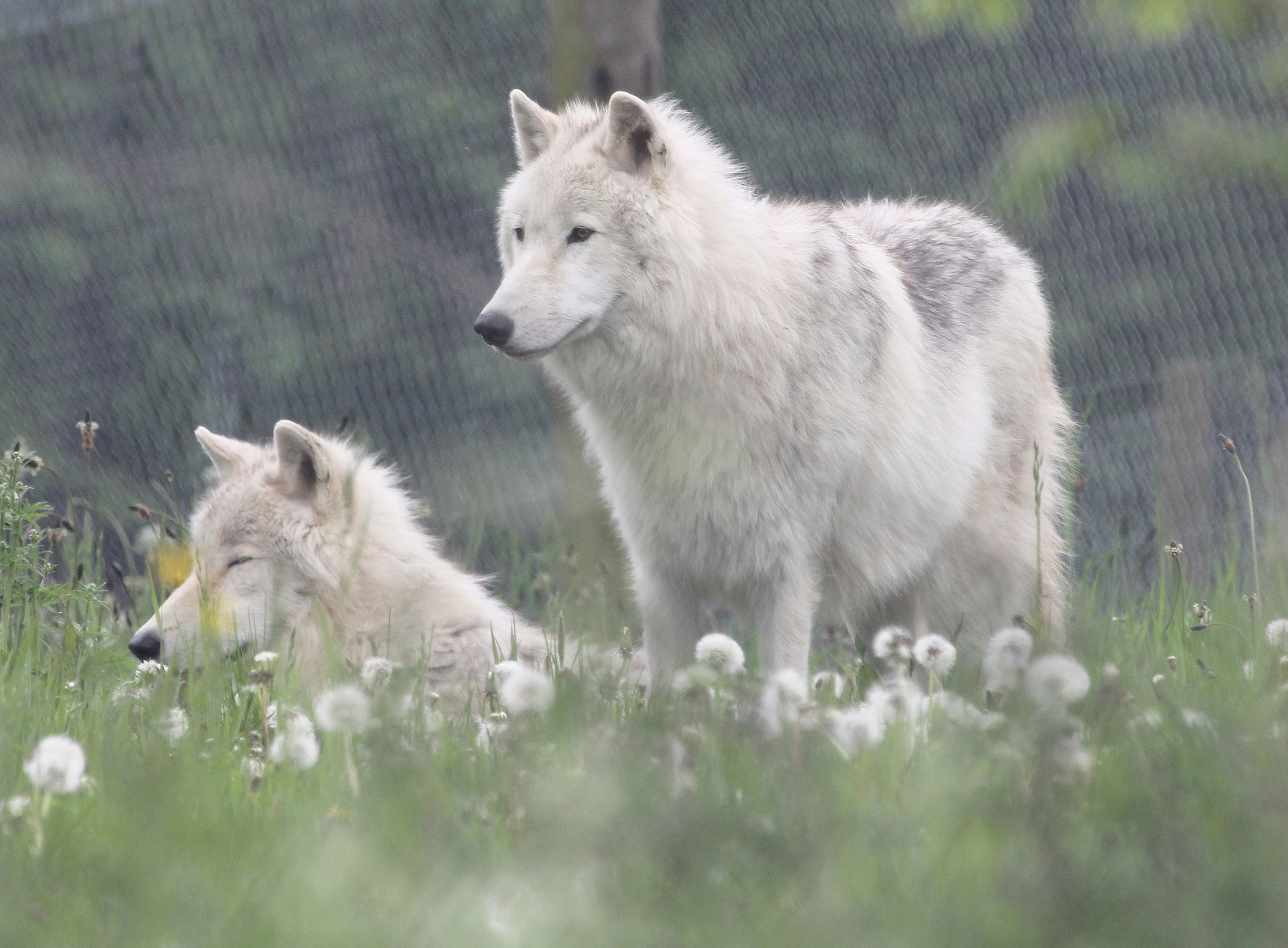
Arctic wolf pups (Canis lupus arctos) are born into some of the harshest environments on Earth, typically within the High Arctic regions of North America and Greenland. Their survival depends on a highly social pack structure, specialized physiological adaptations to sub-zero temperatures, and the availability of prey like muskoxen and Arctic hares during the short summer window.
The Arctic wolf, often referred to as the "Polar Wolf" or "White Wolf," represents one of the most resilient subspecies of the gray wolf. While their southern cousins deal with human encroachment and habitat fragmentation, the Arctic wolf remains one of the few mammals whose natural range is still largely intact. However, the life of an Arctic wolf pup is a race against time. From the moment they are born in the frozen tundra, they must grow rapidly to survive the onset of the brutal winter.
The Biological Foundations of Arctic Wolf Pups
To understand the life of an Arctic wolf pup, one must first understand the unique biology of the subspecies. Arctic wolves have evolved specifically to thrive in the High Arctic, a region where temperatures can plunge to -50°C (-58°F) and the sun may not rise for several months.
Physiological Adaptations
Unlike the gray wolves of the temperate forests, Arctic wolves possess several distinct physical traits that are passed down to their pups. These adaptations follow Allen's Rule, which states that animals in colder climates tend to have shorter limbs and appendages to minimize heat loss.
- Shorter Ears and Muzzles: By having smaller ears and a blunter snout than southern wolves, Arctic wolf pups reduce the surface area through which body heat can escape.
- The Insulative Coat: Pups are born with a soft, dark-tinted down that quickly transitions into the iconic white double-layer coat. This coat consists of a dense, fleece-like undercoat and a longer, water-resistant outer layer.
- Padded Paws: Their paws are heavily furred, providing both insulation from the permafrost and better traction on ice and snow.
Genetic Consistency
As of 2026, genomic studies continue to highlight the relative genetic isolation of Arctic wolves. Because they inhabit regions rarely frequented by humans or other wolf subspecies, their genetic makeup remains specialized for extreme cold. This specialization begins in the womb, where pups develop the metabolic hardware necessary to process high-fat diets derived from blubber-heavy or protein-dense prey.
The Denning Season: Birth in the Frozen North
In the High Arctic, the timing of birth is a critical survival factor. While southern gray wolves might pup in April, the Arctic wolf typically waits until late May or early June. This delay ensures that the pups emerge when the local prey populations, such as caribou and muskoxen, are also calving, providing a temporary abundance of food.
Selecting the Den
Finding a suitable den in the Arctic is a significant challenge. Because the ground is dominated by permafrost—soil that remains frozen year-round—Arctic wolves cannot easily dig deep earthen burrows like their southern counterparts. Instead, they often return to the same ancestral denning sites for decades, or even centuries.
These sites are usually located in:
- Rocky outcroppings: Providing natural caves or crevices.
- Sandy cutbanks: Occasional areas where the soil is soft enough to scrape out a shallow depression.
- Abandoned dens: Sites used by previous generations that offer proven protection from the wind.
The Birthing Process
After a gestation period of approximately 61 to 63 days, the alpha female gives birth to a litter of 2 to 5 pups. This litter size is generally smaller than that of timber wolves, an evolutionary trade-off that ensures the mother can provide enough milk and the pack can adequately support every new member in a resource-scarce environment.
Developmental Milestones: From Blindness to the Hunt
The first few months of an Arctic wolf pup’s life are a whirlwind of physiological changes. They are born altricial, meaning they are entirely dependent on their parents for survival.
Phase 1: The Neonatal Period (0–3 Weeks)
At birth, pups weigh roughly one pound. They are blind, deaf, and unable to regulate their own body temperature. During these first three weeks, the mother rarely leaves the den. She relies on the alpha male and other pack members to bring her food. The pups spend nearly all their time nursing and huddling together for warmth. Their eyes usually open between 10 and 14 days, revealing a cloudy blue hue that eventually transitions to amber or gold.
Phase 2: The Transition Period (3–8 Weeks)
By the end of the first month, the pups begin to venture to the mouth of the den. This is a critical socialization period. They begin to eat solid food, but not in the way one might expect. Pack members return from hunts with meat stored in their stomachs. Upon returning to the den, the pups jump at the adults' muzzles, triggering a regurgitation reflex. This "pre-processed" meat is easy for the pups to digest and is rich in the enzymes necessary for their developing guts.
Phase 3: The Move to the "Rendezvous Site" (2–4 Months)
As the pups grow too large and active for the den, the pack moves them to a "rendezvous site." This is an open-air nursery, often near a water source or a meadow with good visibility. Here, the pups spend their days playing, which is actually a form of rigorous training. Play-fighting helps them establish a social hierarchy and practice the pinning and biting maneuvers they will eventually use to take down prey.
| Milestone | Age | Primary Activity | Diet |
|---|---|---|---|
| Birth | 0 Days | Nursing and warmth seeking | Mother's milk |
| Sensory Awakening | 10–14 Days | Eyes open; beginning to hear | Mother's milk |
| First Forays | 3–4 Weeks | Exploring the den entrance | Milk and regurgitated meat |
| Weaning | 6–8 Weeks | Social play and hierarchy building | Primarily regurgitated meat |
| Travel Readiness | 3–5 Months | Following the pack to kills | Solid meat and bone marrow |
| Sub-Adult Status | 7–9 Months | Participating in "nuisance" hunting | Full adult diet |
The Social Structure: Cooperative Breeding in Action
The survival of Arctic wolf pups is perhaps the greatest testament to the power of the pack. Unlike many other predators where the burden of rearing falls solely on the mother, Arctic wolves practice alloparenting.
The Role of the "Aunts and Uncles"
In a typical pack, every member—regardless of whether they are the biological parents—takes an interest in the pups. Sub-adults (one- or two-year-olds) often act as "babysitters," staying behind at the rendezvous site while the rest of the pack hunts. This system ensures the pups are never left vulnerable to predators like snowy owls or roaming grizzly bears.
Learning the Language
Pups must learn the complex vocal and postural language of the pack to survive. Whines, growls, and howls serve specific purposes. A pup's "lonely howl" can help the pack find them if they wander off, while submissive posturing (tucking the tail and licking the muzzle of a superior) ensures they are fed and accepted within the social order. According to research from the International Wolf Center, these social bonds are the primary reason Arctic wolves can survive in environments where solitary hunters would perish.
Survival Challenges: The Harsh Reality of the Tundra
Despite the protection of the pack, the mortality rate for Arctic wolf pups can be high. In years where prey is scarce, an entire litter may be lost.
Predation and Natural Threats
While the Arctic wolf is an apex predator, the pups are vulnerable.
- Avian Predators: Large birds of prey, such as the snowy owl or the golden eagle, have been known to snatch young pups if they stray too far from cover.
- Interspecific Competition: Grizzly bears or polar bears may stumble upon a den. While a pack will fiercely defend their young, a hungry bear is a formidable threat.
- The Elements: An unseasonable cold snap or a late spring blizzard can lead to hypothermia if the pups are not properly sheltered or if the mother is malnourished.
The Impact of Food Scarcity
The availability of muskoxen is the single greatest predictor of pup survival. Muskoxen are large, formidable ungulates that require a coordinated pack effort to take down. If the muskoxen population declines due to disease or "icing events" (where rain falls on snow and freezes, preventing the muskoxen from reaching grass), the wolf pack will struggle to produce enough milk or regurgitated meat for the pups.
Arctic Wolf Pups and Climate Change in 2026
As we navigate through 2026, the "Arctic amplification"—the phenomenon where the Arctic warms at a rate significantly faster than the rest of the planet—is having a tangible impact on wolf pups.
Shifting Seasons
Warmer temperatures are causing earlier snowmelts, which might seem beneficial. However, this also leads to more unpredictable weather patterns. Increased rainfall in the High Arctic can be more dangerous for pups than snow; a wet pup is much more likely to succumb to hypothermia than a dry one, even in slightly warmer temperatures.
Prey Migration Changes
The migratory patterns of caribou are shifting. If the caribou pass through a wolf territory before the pups are old enough to travel, the pack loses a vital food source. Researchers at the National Park Service and various Arctic observatories are currently monitoring how these "phenological mismatches" affect the reproductive success of apex predators.
Ethical Observation and Research
Because Arctic wolves live in such remote areas (such as Ellesmere Island or Northern Greenland), they have historically shown little fear of humans. This has allowed photographers and researchers to capture stunning footage of pups in the wild.
The Importance of Non-Interference
For those lucky enough to witness Arctic wolf pups in the wild, the rule is strictly "no-trace" observation. Approaching a den can cause the mother to abandon her pups or move them to a less secure location. Professional wildlife photographers now use long-range telephoto lenses and remote "trap" cameras to observe denning behavior without disrupting the pack's natural rhythm.
Scientific Contribution
Much of what we know about Arctic wolf pups comes from long-term studies conducted in places like Eureka Research Station on Ellesmere Island. By observing these pups, scientists gain insights into the health of the entire Arctic ecosystem. The pups act as "canaries in the coal mine"; if the pups are thriving, it indicates a healthy population of herbivores and stable climatic conditions.
Frequently Asked Questions
Are Arctic wolf pups born white?
No, Arctic wolf pups are typically born with a soot-gray or earthy-brown coat. This provides better camouflage against the rocks and soil of the denning site. Their fur gradually lightens to a creamy white as they approach their first winter, providing camouflage against the snow.
How many pups survive to adulthood?
Survival rates vary wildly depending on food availability. In a "good" year with plenty of muskoxen, 80% or more of the litter may survive. In "bad" years, it is not uncommon for the entire litter to perish before their first birthday.
Do Arctic wolf pups hibernate?
No, wolves do not hibernate. Arctic wolf pups must remain active throughout the winter. By the time the dark months arrive, the pups are nearly adult-sized and must be capable of traveling dozens of miles a day with the pack to find food.
Can Arctic wolves interbreed with domestic dogs?
While biologically possible (as they are members of the same species, Canis lupus), it almost never happens in the wild. The extreme geographical isolation of the High Arctic means there are no domestic dogs available for interbreeding, preserving the genetic purity of the subspecies.
What do Arctic wolf pups eat first?
Their first food after milk is regurgitated meat provided by the adults. This allows them to transition to a carnivorous diet while their milk teeth are still coming in and their digestive systems are maturing.
Recommendations for Further Learning
If you are interested in the ongoing conservation of the Arctic wolf and their young, consider supporting organizations that focus on High Arctic habitat preservation. Monitoring the health of the Ellesmere Island and Greenland wolf populations is essential for understanding the broader impacts of climate change.
For those looking to see these animals, specialized wildlife expeditions to the Canadian High Arctic offer the best opportunities. However, ensure that any tour operator you choose adheres to the strict ethical guidelines for wildlife viewing to protect the vulnerability of the pups during the summer months.