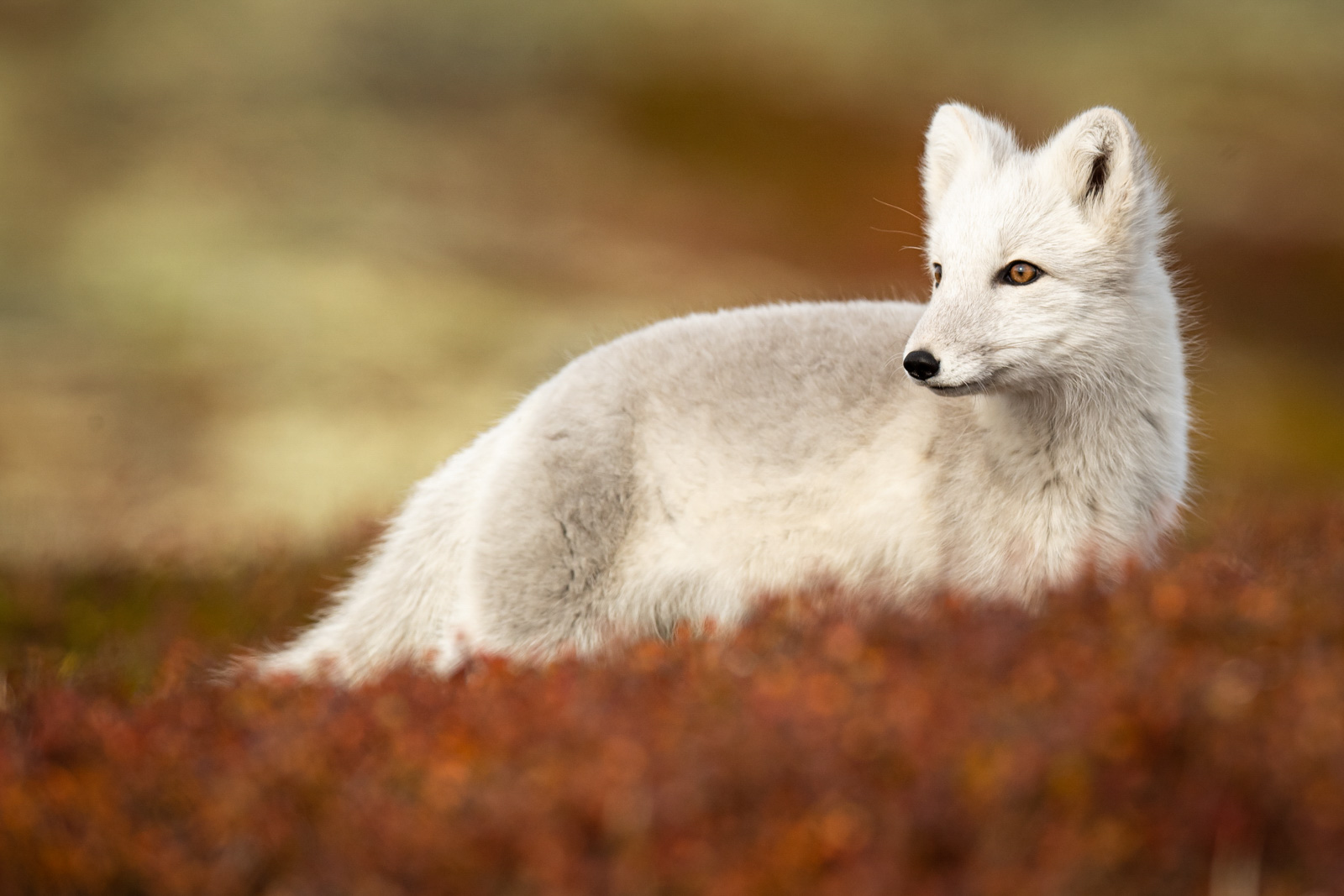
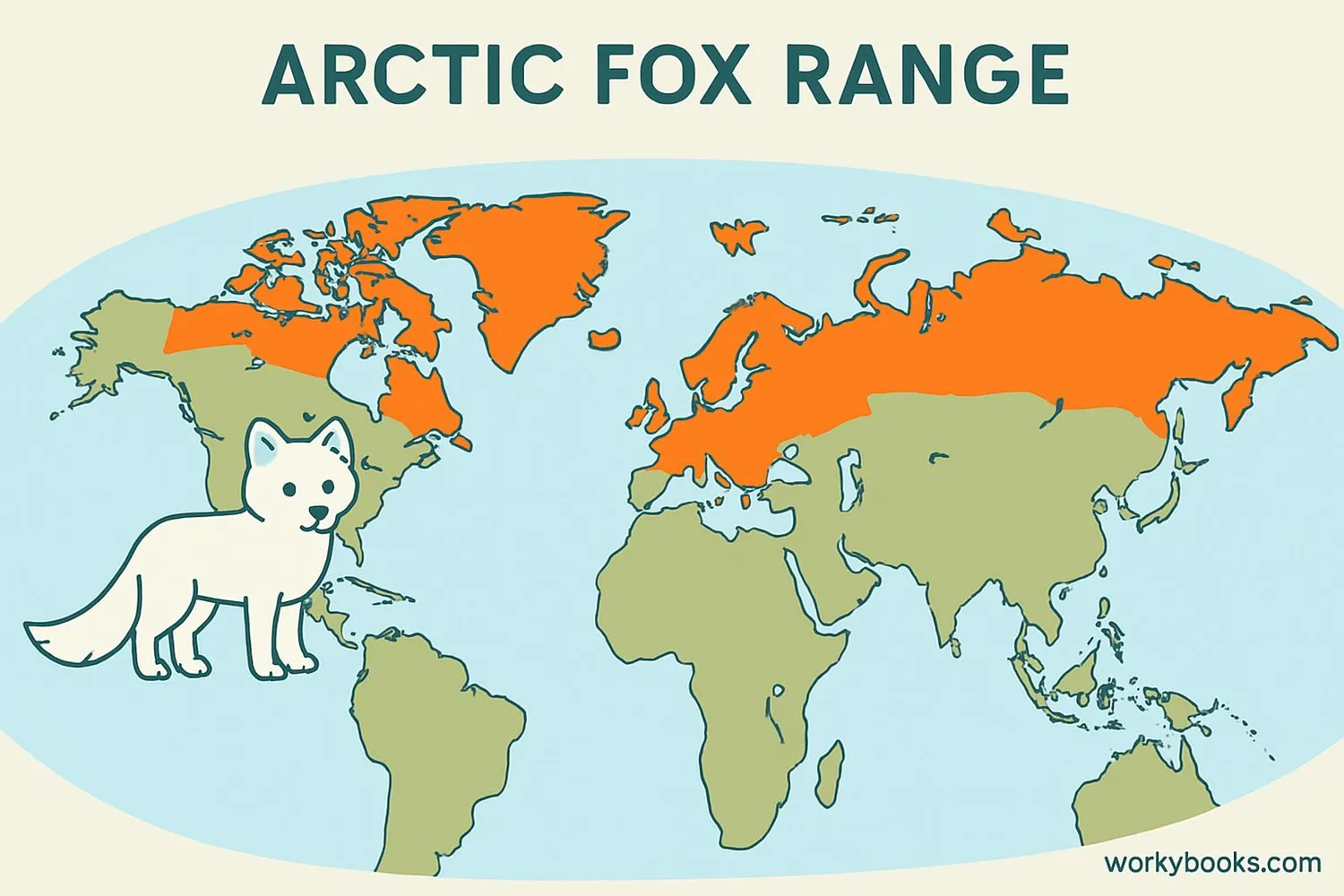
The Arctic fox, frequently documented by National Geographic as "nature’s Arctic marvel," is a biological masterpiece of evolution designed for the Earth's most inhospitable climates. Through specialized physiological adaptations, including the warmest fur of any mammal and a sophisticated counter-current heat exchange system, this resilient canid thrives in temperatures dropping below -50°C.
The Evolutionary Design of a Tundra Specialist
To understand why the Arctic fox (Vulpes lagopus) is hailed as an Arctic marvel, one must look at the specific evolutionary pressures of the circumpolar North. Unlike its cousin, the Red fox, the Arctic fox has undergone radical morphological changes to minimize heat loss and maximize energy efficiency. This is a classic demonstration of Allen’s Rule, an eco-geographic principle stating that animals adapted to cold climates have shorter limbs and appendages than those in warmer climates.
The ears of the Arctic fox are notably small and rounded, tucked close to the head to prevent frostbite and reduce the surface area through which body heat can escape. Similarly, their muzzles are shorter and their legs are stockier compared to temperate canids. These adaptations are not merely aesthetic; they are essential survival mechanisms in a landscape where every calorie burned for heat is a calorie that must be replaced through difficult hunting.
Perhaps the most significant "marvel" of their biology is their pelage. The Arctic fox possesses a dense, multi-layered coat that provides the highest known insulation of any mammal. In the winter, the fur thickens by nearly 140%, creating a barrier so effective that the fox does not even begin to shiver until the ambient temperature reaches -70°C (-94°F). This extraordinary thermal regulation allows them to remain active and hunt during the peak of the lunar winter when most other species are forced into hibernation or southward migration.
Seasonal Transformation and the Two Color Morphs
National Geographic’s cinematography often highlights the stunning seasonal transformation of the Arctic fox. This species is the only canid that changes the color of its coat to match the environment, a process driven by photoperiodism (changes in daylight hours).
There are two primary genetic color morphs: White and Blue.
- The White Morph: The most common variety, these foxes turn a pristine, snow-white color in winter. This provides near-perfect camouflage against the tundra’s snowpack, allowing them to ambush prey and hide from apex predators like polar bears and snowy owls. In the summer, this coat is shed for a brownish-gray fur that blends with the rocky moss and lichens of the thawed tundra.
- The Blue Morph: Representing about 1% to 3% of the total population (though much higher in coastal areas like Iceland and Greenland), the blue morph remains a dark charcoal or bluish-gray year-round. This variation is an adaptation to coastal habitats where dark volcanic sand and rocky cliffs are more prevalent than consistent snow cover.
This dual-layered survival strategy ensures that regardless of the specific micro-climate, the Arctic fox remains a "ghost of the north," invisible to both its dinner and its enemies.
The Engineering of the Arctic Fox Den
Arctic foxes are often referred to as "ecosystem engineers" due to their complex denning systems. These dens are not merely holes in the ground; they are multi-generational architectural feats. Because the Arctic ground is dominated by permafrost, suitable digging sites are rare. Consequently, Arctic foxes reuse the same dens for centuries.
Some dens have been carbon-dated to be over 300 years old, containing upwards of 100 entrances and covering areas as large as 1,000 square meters. The constant presence of the foxes—and the nutrient-rich waste they leave behind (urine, feces, and prey remains)—significantly alters the local ecology. In the barren, nutrient-poor tundra, these dens become "oases of green." The soil around an active Arctic fox den has significantly higher levels of nitrogen and phosphorus, supporting lush vegetation that contrasts sharply with the surrounding landscape. This vegetation, in turn, attracts lemmings and geese, creating a localized food web centered entirely around the fox’s home.
Hunting Strategies and the Lemming Cycle
The survival of the Arctic fox is intrinsically linked to the "lemming cycle." Lemmings, small rodents that live under the snow in the sub-nivean space, are the primary food source for inland fox populations. Every three to four years, lemming populations experience a massive boom, followed by a dramatic crash.
When lemmings are abundant, Arctic foxes thrive, often producing large litters of up to 14 pups (the largest litter size of any wild carnivore). During these boom years, the foxes exhibit a behavior known as caching. They will kill far more prey than they can consume, burying the carcasses in the permafrost—nature’s refrigerator—to be consumed during the lean winter months.
The hunting technique itself is a marvel of precision. Using their acute sense of hearing, an Arctic fox can detect the rustle of a lemming moving beneath several feet of hardened snow. Once the prey is localized, the fox performs a "high-jump" pounce, diving headfirst through the snow crust to pin the rodent. This behavior, often captured in high-definition by National Geographic crews, requires incredible timing and physical coordination.
Scavenging and the Relationship with Polar Bears
In coastal regions or during lemming crashes, the Arctic fox shifts from a primary predator to a tactical scavenger. They are famous for their symbiotic, albeit one-sided, relationship with the polar bear. As the "shadow of the bear," the Arctic fox will follow a polar bear for miles across the sea ice.
When the bear makes a seal kill, it primarily consumes the energy-rich blubber, often leaving behind significant amounts of meat and organs. The Arctic fox waits patiently for the bear to finish, then moves in to scavenge the remains. While this is a high-reward strategy, it is also high-risk; a hungry polar bear will not hesitate to kill a fox if given the opportunity. This reliance on sea ice for foraging makes the Arctic fox particularly vulnerable to the environmental shifts observed in 2026.
Comparative Analysis: Arctic Fox vs. Red Fox
As the climate warms, the range of the Red fox (Vulpes vulpes) is expanding northward, leading to direct competition between the two species. The following table highlights the key differences that define the Arctic fox’s specialized niche.
| Feature | Arctic Fox (Vulpes lagopus) | Red Fox (Vulpes vulpes) |
|---|---|---|
| Average Weight | 3.0 – 4.5 kg (6.6 – 9.9 lbs) | 4.5 – 7.0 kg (10 – 15 lbs) |
| Ear Shape | Small, rounded (heat retention) | Large, pointed (heat dissipation) |
| Fur Insulation | Highest; -70°C lower critical temp | Moderate; higher energy loss in cold |
| Paw Structure | Fur-covered pads (Arctic traction) | Leathery pads |
| Dietary Niche | Specialist (Lemmings/Scavenging) | Generalist (Birds, mammals, fruit) |
| Litter Size | Up to 14 pups (boom/bust) | 4 to 6 pups (consistent) |
Conservation Challenges in 2026: The "Borealization" of the Tundra
As of 2026, the Arctic fox faces a dual threat: the loss of sea ice and the "borealization" of the tundra. Borealization refers to the northward shift of sub-Arctic ecosystems. As temperatures rise, shrubs and taller grasses are replacing the traditional mosses and lichens of the tundra. This change in flora favors the Red fox, which is larger and more aggressive than the Arctic fox.
In areas of overlap, the Red fox frequently displaces the Arctic fox from its ancient dens, sometimes even preying on Arctic fox pups. Furthermore, the shortening of the snow season reduces the effectiveness of the Arctic fox’s white winter camouflage. If the snow melts earlier but the fox hasn't yet shed its winter coat, it becomes a highly visible target for larger predators like wolves or golden eagles.
International conservation efforts, such as the Arctic Fox Project, have focused on supplementary feeding in Scandinavia and the culling of encroaching Red foxes in specific zones to preserve the smaller species. These interventions are critical for maintaining the genetic diversity of the species, particularly in isolated populations.
National Geographic’s Role in Documenting the "Arctic Marvel"
For decades, National Geographic has been at the forefront of bringing the story of the Arctic fox to a global audience. Through documentaries like Hostile Planet and various features in the National Geographic magazine, the organization has shifted the public perception of the Arctic fox from a mere "fur-bearing animal" to a symbol of Arctic resilience.
High-speed cameras have allowed scientists and viewers to see the mechanics of the "snow dive" in ways previously impossible. Thermal imaging has visualized the heat retention of their fur, proving just how little energy they lose to the environment. This documentation does more than just entertain; it provides a visual record of a changing habitat, serving as a baseline for researchers studying how 2026’s climate reality is altering animal behavior.
Frequently Asked Questions
How does the Arctic fox stay warm in the winter? The Arctic fox stays warm through a combination of physical and physiological adaptations. It has the thickest fur of any mammal, which traps a layer of warm air against its skin. Additionally, its circulatory system uses a counter-current heat exchange in its paws to keep them from freezing while maintaining a core body temperature. It also curls into a tight ball, using its bushy tail (or "bolt") as a muffler to cover its nose and face.
Do Arctic foxes hibernate? No, Arctic foxes do not hibernate. They are active year-round. During the harshest winter storms, they may dig temporary snow burrows to wait out the weather, but they must continue to hunt or scavenge throughout the season to meet their metabolic needs.
Why is the Arctic fox called an "ecosystem engineer"? They are called ecosystem engineers because their long-term denning sites significantly alter the local environment. By concentrating nutrients (nitrogen and phosphorus) in the soil around their dens, they create lush "gardens" in the otherwise barren tundra. This changes the local plant composition and attracts other wildlife, creating a hotspot of biodiversity.
What is the biggest threat to the Arctic fox in 2026? The primary threat is climate change, which manifests in two ways: the loss of sea ice (reducing scavenging opportunities) and competition with the larger Red fox. As the Arctic warms, the Red fox moves north, stealing dens and food sources from the smaller Arctic fox.
How many pups do Arctic foxes have? Arctic foxes have the largest litters of any wild carnivore, occasionally reaching up to 14 or 15 pups in a single litter. This high reproductive rate is a strategy to take advantage of the "boom" years in lemming populations, ensuring enough offspring survive to sustain the population during "bust" years.
Practical Next Actions for Wildlife Enthusiasts
If you are interested in supporting the preservation of "nature’s Arctic marvel," consider the following steps:
- Support Climate Research: Organizations like the World Wildlife Fund (WWF) and the International Arctic Research Center conduct vital work in monitoring Arctic fox populations and their changing habitats.
- Responsible Tourism: If traveling to Arctic regions (such as Svalbard, Iceland, or Northern Canada), ensure you use "Leave No Trace" operators who do not bait or disturb the foxes at their denning sites.
- Citizen Science: Platforms like iNaturalist allow travelers to upload sightings, which helps researchers track the northward expansion of the Red fox and the shifting range of the Arctic fox.
By understanding the delicate balance this animal maintains, we can better appreciate its status as one of the most remarkable survivors on our planet.