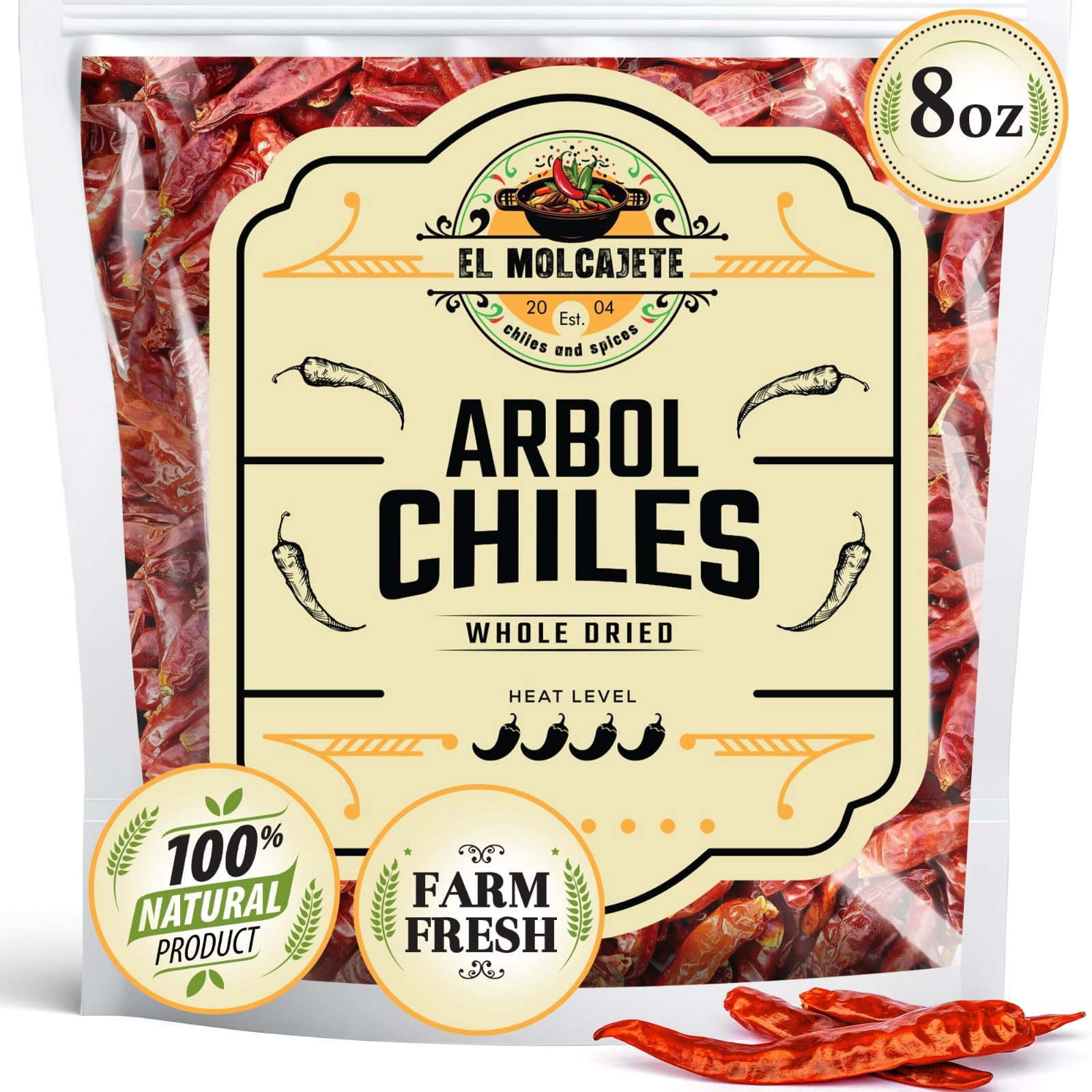
Arbol chiles are objectively hot, packing a significant punch that typically falls between 15,000 and 30,000 Scoville Heat Units (SHU). Small, thin, and bright red, these peppers are a staple in Mexican cuisine, known for their sharp, clean, and biting heat that intensifies when dried. They provide a foundational spice level that is approachable for those who enjoy moderate heat but potent enough to require respect during kitchen preparation.
Understanding the Heat Profile of Arbol Chiles
To categorize the arbol chile correctly, one must look beyond subjective experience and into the scientific metric known as the Scoville Heat Unit (SHU). Developed by Wilbur Scoville in 1912, this scale measures the concentration of capsaicin—the chemical compound responsible for the "burn" sensation in chili peppers.
The Capsicum annuum species, to which the arbol belongs, exhibits a diverse range of heat, but the arbol (often called chile de árbol or "tree chili") consistently sits in the moderate-to-hot category. While a standard jalapeño typically ranges between 2,500 and 8,000 SHU, the arbol chile’s 15,000 to 30,000 SHU range makes it roughly three to ten times hotter than a jalapeño.
However, the heat of an arbol chile is not just about the intensity; it is about the "speed" of the burn. Unlike the habanero, which offers a creeping, lingering heat, the arbol chile provides a sudden, sharp, and biting sensation that hits the palate immediately. This makes it an ideal ingredient for salsas, oils, and dry rubs where an instant flavor profile is desired.
Botanical and Culinary Characteristics
The name "arbol" refers to the plant's wood-like stem, but the pepper itself is best recognized for its slender, finger-like appearance, usually growing to about 2 to 3 inches in length. In their fresh state, they are green, turning a vibrant, striking red as they reach maturity.
Most consumers encounter arbol chiles in their dried form. Drying concentrates the capsaicin, and because the skin of the arbol is relatively thin, it dehydrates efficiently without requiring the complex processing needed for fleshier peppers like the poblano or bell pepper. In the kitchen, this thin skin makes them easy to grind into flakes or powder, or to rehydrate quickly in warm water for blending into sauces.
Flavor Nuances Beyond the Burn
If the arbol chile were only about heat, it would be a simple tool. However, it is prized for its specific flavor profile, which is described as nutty, slightly acidic, and clean. Unlike the smoky, raisin-like notes of a dried ancho or pasilla pepper, the arbol chile carries a bright, vegetal intensity. This makes it a versatile ingredient, often combined with other peppers to provide the "kick" in a sauce that leans on the complexity of other varieties.
Comparison of Common Chili Peppers
To place the arbol chile in context, it is helpful to compare its heat levels to other common varieties used in global cooking.
| Chili Pepper Variety | Typical SHU Range | Heat Intensity |
|---|---|---|
| Bell Pepper | 0 | None |
| Poblano | 1,000 – 1,500 | Mild |
| Jalapeño | 2,500 – 8,000 | Moderate |
| Arbol Chile | 15,000 – 30,000 | Hot |
| Serrano | 10,000 – 23,000 | Moderate to Hot |
| Cayenne | 30,000 – 50,000 | Very Hot |
| Habanero | 100,000 – 350,000 | Extremely Hot |
This table illustrates that while the arbol chile is significantly hotter than the common jalapeño, it is considerably milder than the intense heat found in habaneros or super-hot varieties like the ghost pepper or Carolina Reaper. This middle-ground position is precisely why it is so widely used in restaurant-style salsas; it provides enough heat to satisfy a palate accustomed to spice without overwhelming the dish.
Culinary Applications and Handling Precautions
Using arbol chiles in your cooking requires an understanding of how to manage their intensity. Because they are often sold dried, they are most frequently incorporated into sauces, stews, or infused oils.
Preparation Best Practices
- Toast for Depth: Before grinding or rehydrating, briefly toasting dried arbol chiles in a dry pan for 30–60 seconds unlocks volatile oils. Watch closely; if they turn dark brown or black, they have burned and will taste bitter.
- Rehydration: If using them in a blender-made salsa, soak the toasted chiles in hot water for 15 minutes. This softens the skin, resulting in a smoother sauce texture.
- Control the Seeds: The placenta—the pithy white tissue where the seeds attach—is where the highest concentration of capsaicin resides. If you want to reduce the heat of a recipe, remove the seeds and the stems before cooking.
Safety Considerations
Handling arbol chiles requires physical caution. The capsaicin oils can easily transfer from your hands to sensitive areas like your eyes, nose, or mouth.
- Gloves: When handling large quantities of dried arbol chiles—especially when grinding or breaking them apart—always wear food-safe nitrile or latex gloves.
- Ventilation: When toasting or grinding dried chiles, ensure the kitchen is well-ventilated. The airborne particles can cause coughing and irritation to the eyes and throat.
- Washing: If you touch the chiles without gloves, wash your hands thoroughly with soap and warm water, or use a degreasing dish soap to ensure the capsaicin oils are fully removed.
Managing the Heat in Dishes
If you have added too many arbol chiles to a dish, you are not necessarily stuck with an inedible meal. Capsaicin is fat-soluble and can be neutralized or balanced through specific culinary techniques:
- Fat Addition: Adding dairy (like sour cream or yogurt), coconut milk, or avocado can help coat the tongue and dissipate the heat more quickly.
- Acidic Balance: A squeeze of lime juice or a splash of vinegar can mask the perceived heat by providing a bright, acidic contrast that distracts the taste buds.
- Sweetness: A small amount of honey, agave, or brown sugar can compete with the capsaicin on the palate, making the heat feel less aggressive.
- Dilution: When working with a sauce or stew, adding more of the base liquid (broth, tomatoes, or aromatics) is the most effective way to lower the overall heat concentration.
Frequently Asked Questions
Are arbol chiles the same as cayenne peppers?
No, while they share a similar heat range and physical appearance, they are different cultivars. Cayenne peppers are generally longer and often milder than the specific intensity found in the arbol variety. Arbol chiles have a more distinct "nutty" flavor profile that sets them apart from the more generic heat of ground cayenne.
How do I store dried arbol chiles?
Store them in an airtight container or a vacuum-sealed bag in a cool, dark place away from direct sunlight. When stored properly, dried arbol chiles can retain their potency and flavor for up to 12 months. Avoid storing them in the refrigerator, as humidity can introduce mold.
Can I substitute arbol chiles with something milder?
If a recipe calls for arbol and you want a milder result, consider using a combination of Guajillo chiles and a smaller amount of arbol. Guajillo chiles are much milder (2,500–5,000 SHU) and offer a deep, complex flavor that mimics the "background" of many Mexican dishes without the sharp bite of the arbol.
Why do some arbol chiles seem hotter than others?
Like all agricultural products, the heat level of chili peppers is affected by growing conditions. Factors such as soil quality, water intake, and sunlight exposure during the growing season can influence the capsaicin concentration. Additionally, older dried chiles may lose some of their essential oils over time, slightly altering the perception of heat compared to a fresh batch.
Are arbol chiles used for their flavor or just their heat?
They are used for both, but they are particularly valued for their ability to add a "clean" heat. Because they lack the heavy, smoky notes of other dried peppers, they are excellent when you want to increase the temperature of a dish without changing the fundamental flavor profile of the other ingredients.
Recommendation for Use
If you are new to working with arbol chiles, start by using one or two in a large batch of salsa. Observe how the heat interacts with your other ingredients before scaling up. For a signature condiment, toast three or four arbol chiles, soak them in hot water, and blend them with roasted tomatoes, garlic, and cilantro. This approach will allow you to experience the characteristic "bite" of the arbol in a controlled, delicious environment that highlights their unique role in professional and home kitchens alike.