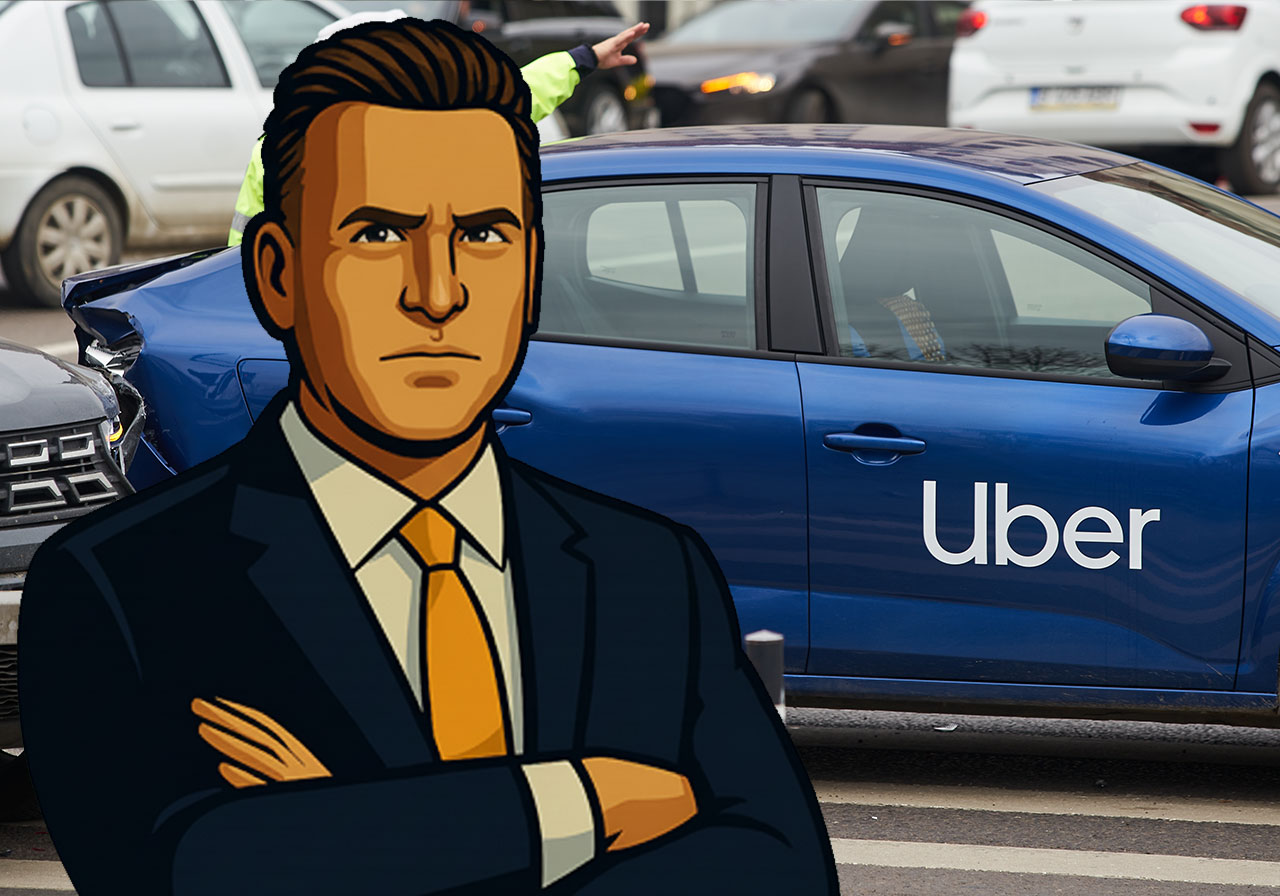
If you were injured in an Uber collision in Apopka, Florida, securing financial recovery requires navigating complex corporate insurance policies, Florida’s Transportation Network Company (TNC) laws, and state tort statutes. A specialized Apopka Uber accident lawyer evaluates driver status, triggers available commercial coverage limits up to $1,000,000, and ensures compliance with strict statutory deadlines.
Disclaimer: The following guidance provides educational and informational context regarding Florida personal injury and rideshare law. It does not constitute formal legal advice. For personalized counsel regarding a specific collision in Apopka or Orange County, consult a licensed Florida attorney.
Understanding Uber Accident Claims in Apopka, Florida
Rideshare accidents in Apopka differ significantly from standard two-vehicle automobile crashes. Because Uber drivers operate as independent contractors using personal vehicles for commercial purposes, determining which insurance policy is primary depends entirely on the driver’s digital activity within the Uber application at the exact moment of impact.
Apopka’s rapid growth in western Orange County has led to increased traffic congestion along major thoroughfares, including U.S. Route 441 (Orange Blossom Trail), State Road 414 (Maitland Tower/Expressway), State Road 429 (Western Beltway), and Rock Springs Road. As commuter and tourist transit increases between Apopka, Orlando, and surrounding municipalities, rideshare traffic has surged. When crashes occur on high-speed corridors or at busy intersections, injuries can range from severe soft-tissue trauma and fractures to traumatic brain injuries (TBI) and spinal impairment.
Resolving an Uber injury claim in Florida involves intersecting layers of statutory law, including Florida Statute § 627.748 (which governs Transportation Network Companies), Florida’s Personal Injury Protection (PIP) system under Florida Statute § 627.736, and Florida’s modified comparative fault rules. An experienced local injury attorney analyzes crash reports from the Apopka Police Department, the Orange County Sheriff’s Office, or the Florida Highway Patrol (FHP) while deploying forensic experts to preserve digital telematics from the rideshare platform.
Florida’s Rideshare Insurance Framework (Florida Statute § 627.748)
Florida enacted comprehensive legislation establishing statutory insurance requirements for Transportation Network Companies like Uber and Lyft. Under Florida Statute § 627.748, the amount of available insurance coverage fluctuates across three distinct operational periods.
| OFF-LINE | APP ON (WAITING FOR RIDE) | PASSENGER EN ROUTE / IN CAR |
|---|---|---|
| Driver Personal Auto Policy Applies | Contingent Coverage: $50k/$100k/$25k | Commercial Coverage: $1,000,000 Primary Limit |
Period 0: The Uber App Is Off
When an Uber driver is operating their vehicle with the mobile application turned off, the driver is acting in a purely personal capacity. If a crash occurs:
- Uber carries zero liability for the collision.
- Claims must be filed against the driver's personal automobile policy.
- Florida’s mandatory minimum auto insurance rules apply ($10,000 in Personal Injury Protection and $10,000 in Property Damage Liability).
Period 1: The App Is On, Waiting for a Ride Request
When the driver logs into the Uber app and is actively searching for or awaiting a ride request, but has not yet accepted one:
- The driver's personal auto insurer may deny coverage if the policy contains a commercial use exclusion clause.
- Florida Statute § 627.748 requires Uber to maintain primary TNC insurance providing at least:
- $50,000 for bodily injury per person.
- $100,000 for total bodily injury per accident.
- $25,000 for property damage liability.
- This coverage is contingent upon the driver’s personal policy failing to provide coverage or denying the claim.
Period 2 & 3: Ride Request Accepted and Passenger Transport
From the moment an Uber driver accepts a ride request in the app (Period 2) through the entire trip until the passenger completes unboarding (Period 3):
- Uber provides $1,000,000 in primary commercial liability insurance.
- This coverage protects injured Uber passengers, occupants of other vehicles struck by the Uber driver, and injured pedestrians or cyclists.
- In addition, Uber must provide primary uninsured/underinsured motorist (UM/UIM) coverage during this phase to protect passengers if another at-fault driver lacks adequate insurance.
Common Causes of Rideshare Collisions in Orange County
Uber drivers face unique operational pressures that can contribute to motor vehicle accidents in Apopka. Recognizing the root cause of an accident is critical for establishing negligence under Florida tort law.
- Distracted Driving and GPS Navigation: Drivers must constantly monitor the Uber driver application for trip requests, route updates, and passenger messaging. Taking eyes off the road for even two seconds at 45 mph on U.S. 441 means traveling blind for over 130 feet.
- Driver Fatigue and Extended Shifts: Unlike commercial trucking drivers bound by strict federal Hours of Service (HOS) regulations, rideshare operators often work long shifts across multiple platforms after working full-time daytime jobs.
- Unfamiliarity with Local Roads: Rideshare drivers operating in Apopka may not be familiar with local traffic patterns, school zones around Apopka High School, or construction zones along the SR 429 expansion project, leading to abrupt lane changes or improper turns.
- Sudden Pull-Offs and Unsafe Drop-Offs: Drivers frequently stop abruptly in active traffic lanes, bike lanes, or red-light zones to pick up or discharge passengers without activating hazard indicators.
- Speeding to Complete Trips: Because Uber driver remuneration relies partly on completed volume, drivers may exceed posted speed limits or travel aggressively through changing traffic signals.
Who Is Liable in an Apopka Uber Accident?
Determining financial liability after an Uber collision requires a comprehensive legal analysis of all involved parties. Under Florida law, multiple entities may share financial liability depending on how the incident unfolded.
- Potential Liable Parties
- Uber Driver (Negligence)
- Third-Party Driver
- Vehicle / Part Manufacturer
- Injured Victim Claim Target
The Uber Driver
If the Uber driver failed to exercise reasonable care—such as running a red light at Park Avenue and Main Street—they are negligent. While Uber treats its drivers as independent contractors rather than employees to minimize vicarious liability, Uber's statutory commercial insurance policy must still satisfy damages up to policy limits when the driver is at fault during Periods 1, 2, or 3.
Third-Party Drivers
If another motorist strikes the Uber vehicle in which you are riding, that third-party driver is the primary target of liability. If that driver is uninsured or carries insufficient bodily injury limits (which is common in Florida, where personal bodily injury liability insurance is not strictly mandatory for all private passenger auto owners), recovery shifts to Uber’s Uninsured/Underinsured Motorist (UM/UIM) policy or your own personal UM coverage.
Uber Corporate (Direct Liability Claims)
Direct lawsuits against Uber as a corporate entity face significant legal hurdles due to driver independent contractor classifications. However, direct liability claims may arise under specific theories:
- Negligent Hiring or Retention: Failing to perform mandatory background screening under Florida Statute § 627.748 (such as ignoring prior DUI convictions or major moving violations within statutory look-back windows).
- App Deactivation Policies: Allowing drivers with active license suspensions to continue taking rides on the platform.
Commercial Vehicle or Fleet Operators
If the crash involves a commercial truck, municipal bus, or multi-car pileup on SR 414, liability may be split among corporate entities, third-party logistics firms, and government agencies.
Immediate Steps to Take After an Uber Accident in Apopka
Taking prompt, methodical action following a rideshare collision safeguards both your physical health and your financial claim.
1. Notify Law Enforcement
Call 911 immediately. Request an officer from the Apopka Police Department or Florida Highway Patrol to secure the scene and complete an official Florida Traffic Crash Report. Ensure the officer explicitly documents that the collision involved an active Uber ride.
2. Seek Medical Evaluation Within 14 Days
Under Florida Statute § 627.736, you must receive initial medical care within 14 days of the motor vehicle accident to access your Personal Injury Protection (PIP) benefits. Seeking treatment at an emergency facility such as AdventHealth Apopka or a qualified local urgent care center documents your injuries contemporaneously, preventing insurance defense adjusters from arguing that your injuries resulted from an intervening event.
3. Document the Digital and Physical Evidence
- Take Screenshots: Capture images of your Uber app displaying the active driver profile, vehicle details, driver license plate number, and trip receipt.
- Photograph the Scene: Capture vehicle positions, damage points, debris patterns, skid marks, weather conditions, and visible bodily injuries.
- Gather Witness Contacts: Obtain names, phone numbers, and statements from third-party bystanders.
4. Report the Crash Inside the Uber App
Use the safety center within the Uber application to report the crash. Provide factual details without offering recorded statements, opinions on fault, or statements minimizing your injuries.
5. Consult an Apopka Uber Accident Lawyer Before Speaking to Adjusters
Corporate insurance adjusters representing Uber or third-party carriers often contact crash victims quickly, seeking recorded statements or offering rapid, low-value settlements. An attorney manages all communications to protect your rights.
Insurance Coverage Tiers in Florida Uber Accidents
Understanding how policy limits shift based on driver status is essential when evaluating claim value. The table below outlines coverage availability under Florida law:
| Operational Stage | Driver App Status | Primary Applicable Insurance | Statutory Bodily Injury Limit | Statutory Property Damage Limit | Uninsured Motorist (UM) Coverage |
|---|---|---|---|---|---|
| Period 0 | Off-line | Driver's Personal Auto Insurance | $10,000 PIP / Personal limits | $10,000 minimum | Optional personal UM |
| Period 1 | On (Awaiting Request) | Uber TNC Contingent Policy | $50,000 per person / $100,000 per accident | $25,000 | Secondary / Subject to policy terms |
| Period 2 | Request Accepted | Uber Commercial Policy | $1,000,000 primary limit | Included in $1M total limit | Included under TNC mandates |
| Period 3 | Passenger in Car | Uber Commercial Policy | $1,000,000 primary limit | Included in $1M total limit | Included under TNC mandates |
How an Apopka Uber Accident Lawyer Proves Liability and Recovers Damages
Navigating a corporate injury claim against major rideshare insurers like Allstate, Progressive Commercial, or James River Insurance demands rigorous evidence collection and technical legal advocacy.
Electronic Evidence and Telematics Preservation
Personal injury lawyers issue formal spoliation of evidence letters to Uber Corporate and involved insurers. This legal directive requires Uber to preserve critical digital evidence, including:
- Telematics data tracking driver speed, braking habits, and acceleration force.
- In-app activity logs proving exact times of ride acceptance, passenger pickup, and collision time.
- Cell phone usage logs to establish whether the driver was texting or interacting with the screen while driving.
Calculating Full Economic and Non-Economic Losses
An experienced legal team collaborates with medical experts, vocational consultants, and forensic economists to quantify damages accurately:
- Medical Expenses: Past emergency care, surgery costs, physical therapy, prescription medication, and projected future medical treatments (such as spinal injections or joint replacements).
- Lost Wages and Earnings Capacity: Past lost income verified through tax records and pay stubs, along with diminished earning capacity if permanent disability prevents returning to former occupations.
- Non-Economic Damages: Physical pain and suffering, loss of enjoyment of life, emotional distress, scarring, and disfigurement.
- Property Damage: Comprehensive repair costs or actual cash value (ACV) reimbursement for damaged private vehicles.
Key Florida Legal Rules Affecting Your Uber Claim
Understanding state laws is critical when evaluating a personal injury claim in Apopka.
| STATUTE OF LIMITATIONS | COMPARATIVE FAULT STANDARD |
|---|---|
| 2 Years for Negligence (Fla. Stat. § 95.11) | 51% Modified Bar Rule (Fla. Stat. § 768.81) |
1. Florida Statute of Limitations (Fla. Stat. § 95.11)
Under Florida law governing personal injury actions based on negligence, injury victims have two years from the date of the accident to file a formal lawsuit. Failing to initiate litigation within this strict statutory window forever bars your right to financial recovery in court. (Claims involving wrongful death also carry a two-year statutory limitation period).
2. Modified Comparative Fault Standard (Fla. Stat. § 768.81)
Florida operates under a 51% modified comparative fault system. Under this statute:
- You can recover damages as long as your percentage of fault is 50% or less.
- Your total monetary award is reduced in direct proportion to your degree of fault (for example, if awarded $100,000 but determined to be 20% at fault, your net recovery is $80,000).
- The 51% Bar: If you are determined to be 51% or more at fault for the crash, you are legally prohibited from recovering any damages from other negligent parties.
3. PIP Emergency Medical Condition (EMC) Requirement
Under Florida Statute § 627.736, to receive the full $10,000 Personal Injury Protection benefit, a qualified physician must diagnose an Emergency Medical Condition (EMC). If an EMC is not diagnosed, your PIP benefit payout is capped at $2,500.
Frequently Asked Questions
Can I file a claim if I was an Uber passenger during a crash in Apopka?
Yes. As an Uber passenger, you rarely share any fault for a collision. You are protected under Uber’s $1,000,000 commercial insurance policy during an active trip. You can seek compensation for medical costs, lost wages, and pain and suffering, regardless of whether your Uber driver or another motorist caused the accident.
What if the Uber driver who hit my vehicle was waiting for a ride request?
If an Uber driver causes a crash while logged into the app but waiting for a ride request (Period 1), Uber provides contingent insurance up to $50,000 per person / $100,000 per accident for bodily injury and $25,000 for property damage. This policy applies if the driver's personal auto insurer denies coverage under commercial use exclusions.
How much does it cost to hire an Apopka Uber accident lawyer?
Personal injury attorneys handle Uber accident claims on a contingency fee arrangement. You pay zero upfront costs, zero retainer fees, and zero out-of-pocket legal expenses. The attorney's fee is calculated as an agreed-upon percentage of the final settlement or jury verdict. If the lawyer fails to recover compensation on your behalf, you owe no legal fees.
Will my personal PIP insurance cover me if I was hurt in an Uber?
Yes. Under Florida’s No-Fault framework, if you own a motor vehicle in Florida and carry Personal Injury Protection (PIP), your PIP policy serves as primary coverage for up to $10,000 of your medical bills and lost wages, even if you were injured while riding as a passenger in an Uber. Once PIP benefits are exhausted, Uber’s commercial liability policy covers additional damages up to applicable limits.
What should I do if Uber’s insurance adjuster offers me a quick settlement?
Do not sign liability waivers or accept settlement offers before speaking with a personal injury attorney. Early insurance offers typically undervalue long-term medical costs, ongoing rehabilitation needs, and non-economic pain and suffering. Signing a release terminates your legal right to demand further compensation once the full extent of your injuries becomes clear.
Strategic Recommendations for Uber Accident Victims in Apopka
If you or a family member sustained injuries in a rideshare accident anywhere across Apopka or Orange County, protecting your legal rights requires deliberate, structured action:
- Obtain Professional Legal Counsel Early: Engage a personal injury law firm that understands Florida's TNC statutes, comparative fault rules, and insurance litigation strategies.
- Strictly Preserve Medical Records: Attend all scheduled doctor appointments, physical therapy sessions, and specialist consultations. Gaps in care give defense adjusters grounds to challenge the severity of your injuries.
- Avoid Social Media Activity: Insurance investigators monitor public social media platforms. Posting photos, updates, or commentary regarding the crash or your recovery can be used out of context to dispute injury claims.
- Maintain an Injury Journal: Track your daily pain levels, physical limitations, missed workdays, and emotional distress to build concrete evidence supporting non-economic damage claims.