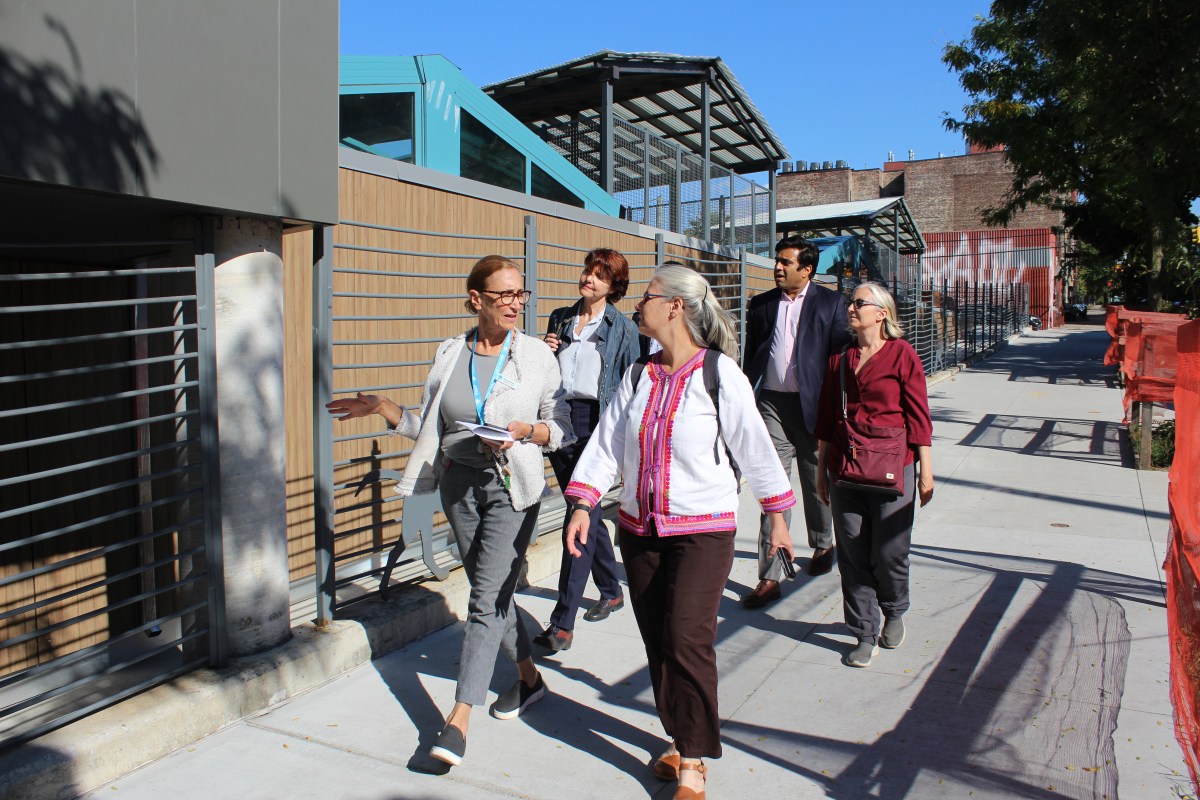
Chicago animal care centers serve a growing community of pet owners, rescues, and neighborhood residents by offering municipal intake, low-cost veterinary care, spay and neuter surgeries, adoption programs, and public health enforcement. These centers—comprising city agencies like Chicago Animal Care and Control (CACC) alongside non-profit partners—provide vital resources that keep pets healthy and housed.
The Evolving Role of Animal Care Centers in Chicago
As pet ownership across Chicago’s 77 community areas continues to expand, local animal care centers play an essential infrastructure role. Modern urban animal shelters have shifted from historical reliance on intake and impoundment toward comprehensive community support, preventative veterinary medicine, and owner retention initiatives.
In densely populated urban environments, access to affordable pet care directly affects public health, safety, and community stability. Municipal agencies and private non-profit institutions in Chicago collaborate to manage stray animal populations, suppress rabies risks, enforce animal welfare ordinances, and mitigate animal homelessness.
- Chicago Animal Care Ecosystem
- Municipal Agency (CACC)
- Public Safety
- Open-Intake
- 311 Ordinance Ops
- Non-Profit Partners (PAWS, Anti-Cruelty, Tree House, etc.)
- Targeted Spay/Neuter
- Low-Cost Clinics
- Transfer & Relief (between Municipal Agency and Non-Profit Partners)
- Chicago Neighborhoods
- Vaccinations & Licensing
- Adoption & Foster Programs
- Safety Net & Food Pantries
- Municipal Agency (CACC)
Despite the growth of urban pet services, structural challenges persist across the city. Neighborhoods on Chicago's South and West sides have historically experienced shortages of accessible veterinary clinics—a phenomenon often referred to as veterinary care deserts. To address this disparity, animal care facilities in Chicago have expanded mobile clinic operations, subsidized surgical programs, and localized wellness events to ensure every resident has access to basic animal care resources.
Core Services Provided by Chicago Animal Care Facilities
Chicago’s network of public and private animal care centers offers a broad array of clinical, administrative, and protective services tailored to urban pet owners and community members.
- Core Animal Care & Public Health Infrastructure:
- Spay/Neuter
- Vaccines & Core Wellness
- Microchip & Registration
- Stray Hold
Low-Cost Spay and Neuter Surgeries
Sterilization is the primary mechanism for controlling stray animal populations and reducing shelter intake volume. Facilities across Chicago operate high-volume, low-cost spay/neuter clinics. These surgeries prevent unintended litters and reduce behavioral traits that contribute to pet rehoming, such as roaming, spraying, and certain forms of aggression.
Preventative Vaccinations and Wellness Care
Routine wellness care prevents the spread of communicable diseases among animals and humans. Animal care centers host micro-targeted wellness events offering core canine and feline vaccines:
- Canine Distemper, Adenovirus, Parvovirus, and Parainfluenza (DHPP)
- Canine Rabies (mandated by state and local law)
- Feline Viral Rhinotracheitis, Calicivirus, and Panleukopenia (FVRCP)
- Feline Rabies
These clinics often include core health screenings, heartworm testing, and parasite preventative administration at subsidized rates for qualifying income brackets or targeted postal codes.
Microchipping and Permanent Identification
Microchipping involves inserting a small, passive transponder under the animal’s skin. Chicago animal care facilities emphasize microchipping as the most reliable safeguard against permanent pet loss. Unlike collar tags, which can break or fall off, microchips provide verifiable identification linked to national databases, dramatically increasing the rate of return-to-owner (RTO) outcomes.
Stray Animal Intake, Stray Hold Protocols, and Field Operations
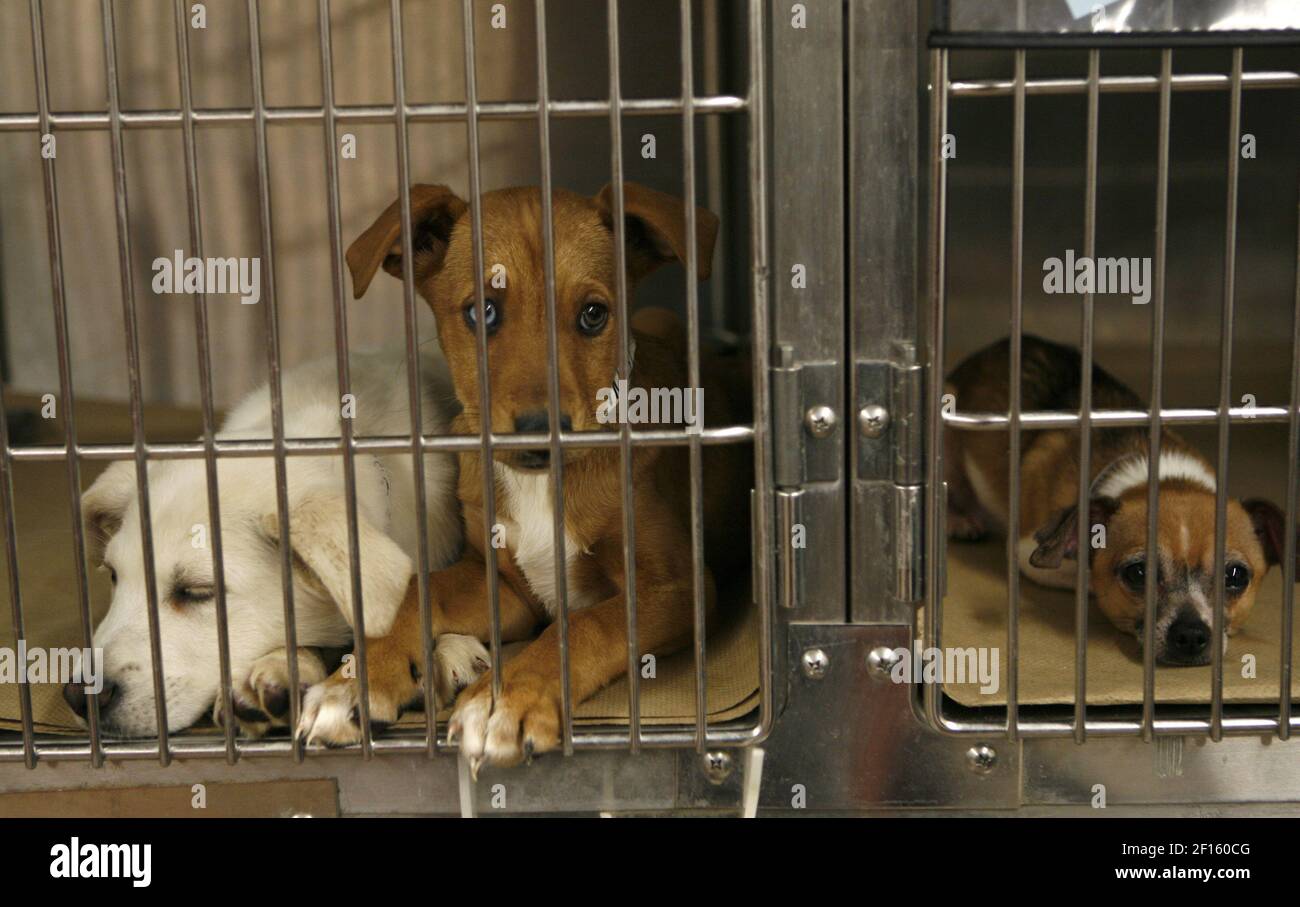
As the city’s open-intake municipal facility, Chicago Animal Care and Control receives lost, abandoned, or confiscated animals regardless of health, breed, or temperament. Under local management protocols, stray animals undergo a mandatory holding period—typically 3 to 5 business days—to give owners adequate time to locate and redeem their missing pets before the animal becomes eligible for adoption, foster transfer, or rescue placement.
Owner Retention and Safety Net Support
To prevent pet surrender driven by temporary financial hardship, many Chicago care centers provide temporary safety net assistance. This includes free pet food distribution, subsidized emergency veterinary care grants, crate loans, temporary boarding during owner medical crises, and low-cost behavioral advice sessions.
Navigating Chicago Animal Care and Control (CACC)
Chicago Animal Care and Control is the municipal agency tasked with enforcing city animal ordinances, managing the city's open-intake shelter, and protecting public safety. Located at 2741 S. Western Ave., CACC operates under the statutory authority established in Chapter 7-12 of the Chicago Municipal Code.
- Found or Missing Animal Path:
- Intake Options:
- Animal Intake at CACC Facility
- 311 Field Service Request Dispatch
- Mandatory Stray Hold (3-5 Business Days)
- Outcomes:
- Reclaimed by Owner (Vaccine, License, Microchip Verified)
- Outcome Processing (Adoption, Transfer, Rescue Placement)
- Intake Options:
Public Safety and 311 Service Requests
CACC field officers respond to calls logged through the city’s 311 emergency and municipal request system. Key field responsibilities include:
- Responding to reports of stray, injured, or aggressive animals.
- Investigating animal bite incidents and managing quarantine protocols for rabies surveillance.
- Assisting law enforcement agencies in animal cruelty or neglect confiscations.
- Managing containment of native urban wildlife when animals pose an immediate safety risk.
Lost Pet Recovery and Redemption Guidelines
If a pet is lost, owners should search the CACC online database immediately and visit the shelter in person. To reclaim an impounded animal from CACC, owners must provide verifiable proof of ownership and fulfill legal requirements:
- Government-Issued Photo ID: Driver's license, state ID, or passport.
- Proof of Ownership: Veterinary records, microchip registration details, municipal pet license, or photographs displaying distinctive markings.
- Proof of Rabies Vaccination: If the owner cannot provide valid proof, the animal must be vaccinated prior to release at the owner's expense.
- City Dog License: Unlicensed dogs must be registered through the Office of the Chicago City Clerk before leaving the facility.
- Payment of Redemption and Boarding Fees: Fees are charged according to city schedules, though fee waivers may apply under specific hardship criteria.
Private and Non-Profit Partners Enhancing Regional Care
While CACC fulfills the municipal mandate, Chicago’s non-profit animal welfare organizations broaden access to surgical, medical, and preventative services across city neighborhoods.
- Chicago Non-Profit Care Infrastructure:
- PAWS Chicago:
- Pilsen Lurie Clinic
- Spay/Neuter Focus
- Targeted Zip Outreach
- Anti-Cruelty Society:
- River North Campus
- Behavior Helpline
- Mobile Clinics
- Tree House Humane:
- Jackson Clinic
- Targeted Cat Care
- Cook County TNR
- PAWS Chicago:
PAWS Chicago
PAWS Chicago operates an advanced medical and surgical clinic in the Pilsen neighborhood (Lurie Spay/Neuter Clinic). Focusing on sterilization and shelter medicine, PAWS performs thousands of free and subsidized surgeries annually, concentrating resources on neighborhoods with high rates of shelter surrenders. PAWS also operates a rescue and adoption center in Lincoln Park.
The Anti-Cruelty Society
Founded in 1899, The Anti-Cruelty Society operates out of its primary facility in River North. It offers accessible veterinary wellness services, low-cost spay/neuter operations, behavioral consultations, and emergency housing assistance for pets of individuals experiencing domestic violence, housing instability, or medical emergencies.
Tree House Humane Society
Located in West Ridge, Tree House Humane Society specializes in feline health and welfare. Its Jackson Community Veterinary Clinic offers veterinary access to the public. Tree House also administers outdoor cat assistance programs, utilizing Trap-Neuter-Vaccinate-Return (TNVR) protocols to manage community cat colonies in accordance with Cook County policy.
Operational Comparison of Key Chicago Animal Facilities
Understanding the roles and service limits of different Chicago animal welfare organizations helps residents navigate care quickly.
| Organization | Facility Type | Primary Focus | Key Services Offered | Access & Intake Model |
|---|---|---|---|---|
| Chicago Animal Care and Control (CACC) | Municipal Government Agency | Public safety, stray intake, ordinance enforcement | Stray intake, 311 response, lost & found, microchipping, rabies control, public adoption | Open-intake for Chicago residents; appointment/walk-in for RTO; 311 dispatch |
| PAWS Chicago | Private Non-Profit (No-Kill) | Sterilization, targeted community intervention, adoption | High-volume spay/neuter, vaccinations, adoption, community outreach in targeted zip codes | By appointment for surgery/clinic; adoption application required |
| The Anti-Cruelty Society | Private Non-Profit | Comprehensive care, adoption, safety net support | Low-cost veterinary clinic, adoption, pet food pantry, emergency boarding | Appointment for clinic; open/scheduled adoption visits |
| Tree House Humane Society | Private Non-Profit | Feline medicine, community cat management | Low-cost clinic, cat adoption, TNVR support, community cat housing initiatives | By appointment for veterinary services; adoption application required |
Step-by-Step Guide: Accessing Pet Care and Rescue Services
- Decision Tree: Identifying Needed Animal Services:
- Emergency / Stray / Incident:
- Call 311 or Visit CACC
- Check Microchip / Lost Posts
- Verify Intake & Holds
- Routine / Wellness / Care:
- Schedule Low-Cost Clinic
- Register for Mobile Event
- Apply for Safety Net Grants
- Emergency / Stray / Incident:
Step 1: Identify the Appropriate Facility Type
- For Lost or Found Animals: Contact CACC immediately. CACC serves as the central clearinghouse for stray animals picked up by municipal officers or dropped off by residents.
- For Routine or Low-Cost Wellness: Contact non-profit providers such as the PAWS Chicago Lurie Clinic, The Anti-Cruelty Society, or Tree House Humane Society to schedule routine vaccines or spay/neuter surgeries.
- For Animal Cruelty or Immediate Danger: Report the situation to 311 or contact local police officers who coordinate with CACC inspectors.
Step 2: Gather Required Documentation
Before attending low-cost clinics, redeeming a pet, or surrendering an animal, assemble necessary records:
- Valid government-issued photo identification showing current residence.
- Current vaccination and medical records for the animal.
- Proof of household income (such as SNAP card, SSI documentation, or tax forms) if applying for subsidized low-income clinic rates.
- Proof of ownership (veterinary receipts, photos, adoption contracts) if claiming a stray animal.
Step 3: Schedule Appointments and Prepare for Processing
Most low-cost surgical and wellness facilities require advance scheduling due to high demand. Arrive early for clinic appointments, ensure dogs are secured on sturdy leashes, and place cats in secure, hard-sided carriers.
Step 4: Explore Alternative Safety Net Resources Before Surrendering
If financial or housing strains force you to consider surrendering a pet:
- Inquire about pet food pantries operated by The Anti-Cruelty Society or local community hubs.
- Request behavior support consultations to resolve manageable training or house-soiling problems.
- Explore temporary emergency foster programs designed to hold pets during owner life transitions.
Legal Requirements for Pet Owners in Chicago
Pet ownership in Chicago carries specific legal obligations enforced under city municipal codes and Cook County ordinances. Compliance protects public health and prevents administrative fines.
- Chicago Legal Pet Ownership Mandates:
- Mandatory Rabies Vaccination (State Law / City Code)
- Annual Dog Licensing via Chicago City Clerk
- Restraint & Leash Laws (Public Property Compliance)
- Mandatory Microchipping Prior to Shelter Release
Dog Licensing Mandates
Under Chicago Municipal Code Chapter 7-12, all dogs over four months of age residing in the city must be licensed through the Office of the Chicago City Clerk.
- Prerequisite: A valid rabies vaccination certificate signed by a licensed veterinarian.
- Fee Structure: License fees are lower for spayed and neutered dogs than for unaltered animals to incentivize sterilization.
- Tags: Dogs must wear their assigned metal license tag whenever off the owner's private property.
Leash Laws and Containment Regulations
Chicago enforces strict leash laws. Dogs must be kept on a leash no longer than six feet when in public spaces, unless inside designated, enclosed dog-friendly areas (DFAs) managed by the Chicago Park District. Allowing dogs to run at large can result in municipal citations and impoundment.
Community Cat Management (Cook County Ordinance)
Cook County's Managed Care of Feral Cats Ordinance provides legal protections for registered caretakers of unowned community cats. Caretakers who trap, vaccinate, sterilize, microchip, and return community cats to their outdoor territories under an approved sponsor organization (such as Tree House or PAWS) are exempt from general stray or abandonment violations.
Frequently Asked Questions
What should I do first if I find a stray pet in Chicago?
Report the animal immediately to Chicago Animal Care and Control (CACC) by dialing 311 or using the city’s online portal. If safe to do so, bring the animal to a local clinic, shelter, or CACC facility at 2741 S. Western Ave. to be scanned for a microchip. Check neighborhood social networks and official lost-and-found databases before attempting to rehome the animal independently.
How can Chicago pet owners access free or low-cost spay and neuter services?
Subsidized surgeries are offered by non-profit organizations, including the PAWS Chicago Lurie Clinic, The Anti-Cruelty Society, and Tree House Humane Society. Eligibility often depends on residency zip code, household income, or participation in public assistance programs. Appointments must usually be booked several weeks in advance through the organization's website.
What is the difference between CACC and private shelters like PAWS Chicago?
CACC is the city’s tax-funded municipal agency mandated to accept every animal brought to its facility, enforce city ordinances, and run 311 animal field services. PAWS Chicago, The Anti-Cruelty Society, and Tree House are privately funded non-profit organizations that manage their intake volume based on available space and resources. Non-profit partners often transfer animals out of CACC to reduce municipal shelter overcrowding.
Are all dogs in Chicago legally required to be microchipped?
While microchipping is strongly recommended for all pets, Chicago municipal code specifically mandates microchipping for any dog reclaimed from CACC, adopted through municipal channels, or deemed dangerous under city code. Additionally, all community cats managed under county TNVR programs must receive a microchip.
How do I get assistance if I can no longer afford pet food or basic supplies?
Multiple organizations offer free safety net supplies across Chicago. The Anti-Cruelty Society maintains a pet food pantry program, and several neighborhood food pantries stock pet supplies provided by regional rescue networks. Contact local care facilities or call 311 for referral to the nearest active pet food distribution center.
Practical Next Steps for Chicago Residents
Whether seeking medical treatment, adopting a pet, or maintaining compliance with city regulations, taking organized action keeps pets safe:
- Verify Licensing and Vaccination: Ensure your dog's rabies vaccination is up to date and purchase an annual license from the Office of the Chicago City Clerk.
- Schedule Preventative Care Early: If you require low-cost spay/neuter or wellness clinic services, register early with non-profit clinics like PAWS Chicago or The Anti-Cruelty Society to secure open clinic slots.
- Update Microchip Data: If your pet is already microchipped, contact the chip registry to confirm that your current address, email, and telephone number are accurate.
- Save Emergency Contacts: Store 311 and the location details for CACC (2741 S. Western Ave.) in your mobile phone so you can react quickly if a pet is lost or an animal emergency occurs in your neighborhood.