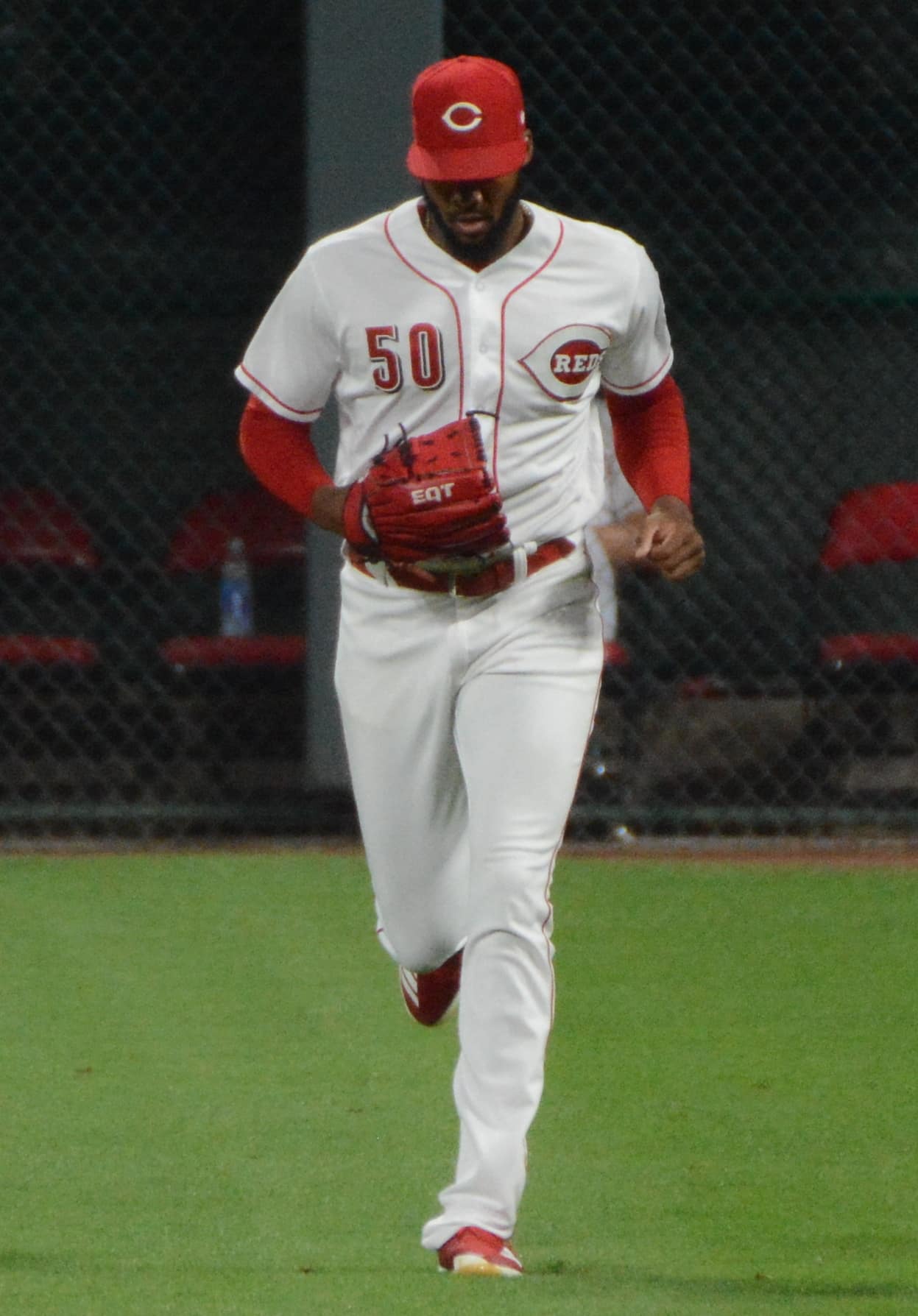
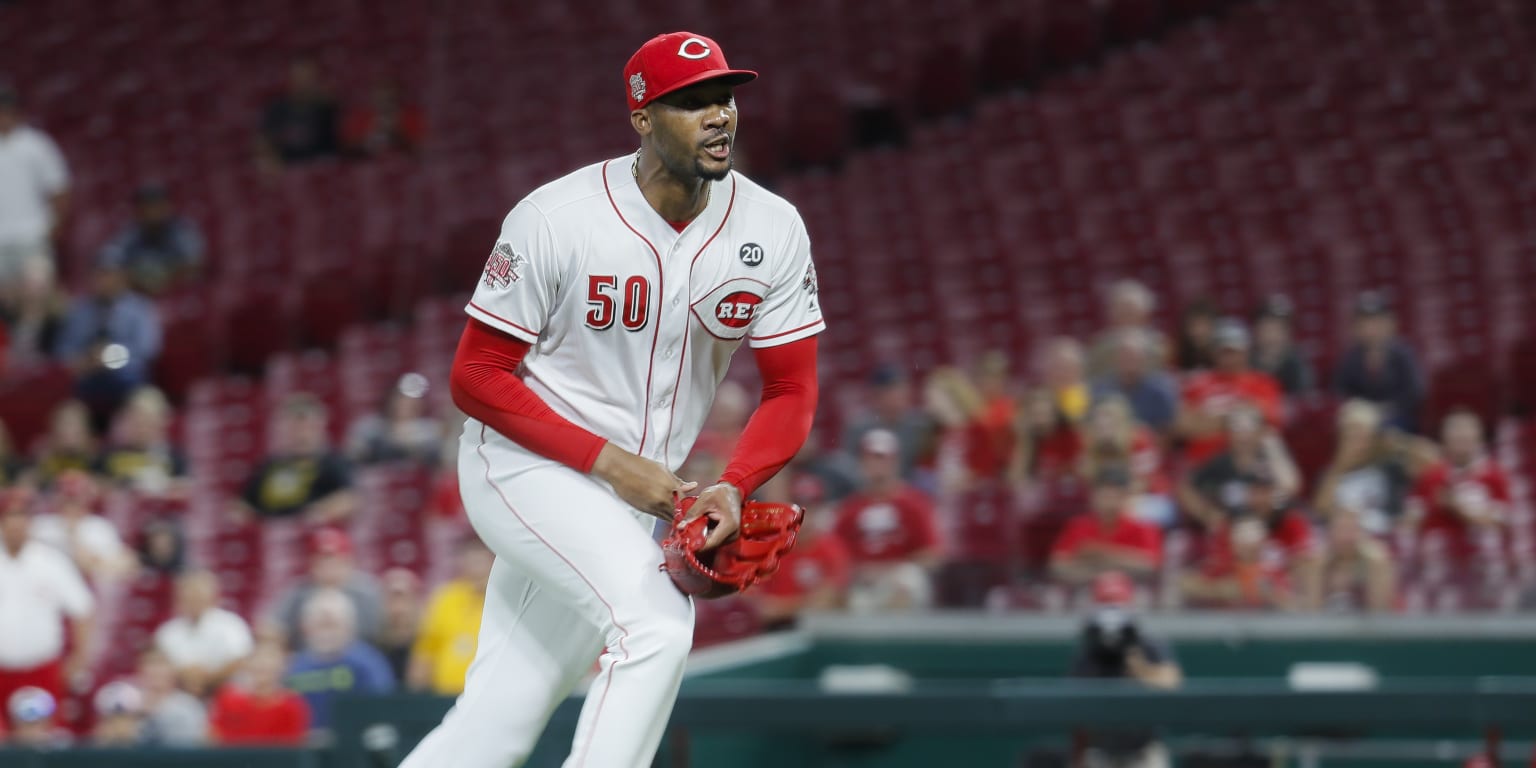
The Amir Garrett fight refers to a high-intensity bench-clearing brawl between the Cincinnati Reds and the Pittsburgh Pirates on July 30, 2019. It is most famous for Reds pitcher Amir Garrett charging the Pirates' dugout alone to initiate a physical confrontation. The incident resulted in 40 games of total suspensions for eight different participants.
In the long and storied history of Major League Baseball (MLB), few moments capture the raw intensity of divisional rivalries quite like the events of July 30, 2019. While baseball is often characterized by its strategic pacing and adherence to tradition, the "Amir Garrett fight" stands as a stark departure from decorum. As we look back from the perspective of 2026, this event remains a touchstone for discussions regarding player discipline, the "unwritten rules" of the game, and the psychological pressures of professional sports.
The Genesis of the Grudge: A Timeline of Escalation
To understand why Amir Garrett sprinted toward an entire dugout of opposing players, one must look at the months of friction preceding the ninth inning of that Tuesday night game. The rivalry between the Cincinnati Reds and the Pittsburgh Pirates had reached a boiling point long before the first pitch was thrown in July.
The Derek Dietrich Incident (April 2019)
The fuse was arguably lit on April 7, 2019. Reds infielder Derek Dietrich hit a massive home run off Pirates starter Chris Archer and stood at home plate to admire the flight of the ball. In the culture of 2019 baseball, "pimping" a home run was seen by traditionalists as a sign of disrespect. In his next at-bat, Archer threw a pitch behind Dietrich’s waist, leading to a bench-clearing incident and the ejection of Reds manager David Bell. This established a pattern: the Pirates felt the Reds were too flashy, and the Reds felt the Pirates were "headhunters" who used the baseball as a weapon.
Systematic Intentionality
Throughout the first half of the 2019 season, both teams traded hit-batsmen and verbal barbs. The Pirates, led by manager Clint Hurdle, were often accused by the Reds of pitching dangerously high and tight. By the time the July series arrived, the atmosphere at Great American Ball Park was thick with genuine animosity. The Reds felt they were being bullied, and the Pirates felt they were defending the sanctity of the game against a team that didn't respect the "right way" to play.
July 30, 2019: The Night of the Charge
The game itself was a blowout, which often serves as the perfect environment for extracurricular violence. By the ninth inning, the Pirates held an 11-4 lead. However, the scoreboard was secondary to the emotional temperature on the field.
Pre-Fight Ejections
Earlier in the game, Reds manager David Bell had already been ejected for arguing balls and strikes. His frustration was a symptom of a larger dissatisfaction with how the umpires were handling the Pirates' inside pitching. When David Bell was tossed, it left a leadership vacuum on the bench that was filled by an increasingly agitated roster.
The Breaking Point
In the top of the ninth inning, Amir Garrett was on the mound for the Reds. During a mound visit involving Reds pitching coach Derek Johnson, words were exchanged between Garrett and the Pirates' dugout. While the exact phrasing remains a matter of dugout lore, the Pirates were reportedly "chirping" at Garrett, mocking his performance and his temperament.
Garrett, known for his intense competitive fire, reached his limit. Rather than returning to the rubber to resume play, he walked toward the Pirates' bench, dropped his glove, and began a full-fledged sprint toward the opposing dugout.
Analyzing the "1 vs. 25" Visual
The image of Amir Garrett, a 6'5" left-handed pitcher, throwing a flurry of punches into a sea of black-and-yellow Pirates jerseys is one of the most recognizable photos in modern sports history. Unlike most "brawls" in baseball, which consist of a lot of pushing and shoving (often called "holding each other back"), Garrett actively engaged multiple players simultaneously.
The Logistics of the Brawl
As Garrett reached the dugout, he targeted Pirates pitcher Trevor Williams. Within seconds, the entire Pirates bench emptied, swarming Garrett. His teammates, led notably by Yasiel Puig, sprinted from the field and the Reds' dugout to join the fray.
What followed was several minutes of chaotic wrestling and striking. Players from both sides ended up in a massive pile near the dugout railing. The intensity was so high that even after the initial surge was separated, secondary skirmishes broke out across the infield.
The Yasiel Puig Paradox
One of the most surreal elements of the fight involved outfielder Yasiel Puig. Unbeknownst to him at the exact moment of the fight, Puig had been traded to the Cleveland Indians (now Guardians) mid-game. Despite technically no longer being a member of the Reds’ long-term roster, Puig was one of the most aggressive defenders of his teammates during the brawl. He fought with a ferocity that suggested he was more concerned with his brotherhood in the clubhouse than his impending move to a new city.
Disciplinary Actions and Suspensions
Major League Baseball’s response was swift and heavy-handed. The league sought to send a message that the "eye for an eye" mentality between these two clubs had gone too far. Chief Baseball Officer Joe Torre oversaw the disciplinary process, which resulted in a combined 40 games of suspensions.
Detailed Breakdown of Penalties
The following table outlines the primary individuals disciplined following the July 30, 2019, incident:
| Participant | Team | Role in Brawl | Suspension Length |
|---|---|---|---|
| Amir Garrett | Reds | Initiated the charge; threw punches | 8 Games |
| Keone Kela | Pirates | Purposefully threw at Derek Dietrich’s head earlier | 10 Games |
| David Bell | Reds | Aggressive behavior after ejection; directing players | 6 Games |
| Yasiel Puig | Reds | Aggressive participation in the fight | 3 Games |
| Kyle Crick | Pirates | Physical altercation with Garrett | 3 Games |
| Clint Hurdle | Pirates | Institutional responsibility for his team's actions | 2 Games |
| José Osuna | Pirates | Aggressive actions during the brawl | 5 Games |
| Jared Hughes | Reds | Non-combative but involved in the escalation | Fine Only |
Note: Suspensions were often appealed, but the core durations remained a testament to the league's disapproval.
The Impact on the "Unwritten Rules"
The Amir Garrett fight sparked a massive national conversation about the so-called "Unwritten Rules of Baseball." For decades, the standard response to a "disrespectful" home run was a fastball to the ribs in the next at-bat. However, the 2019 Reds-Pirates feud highlighted the danger of this tradition.
The Move Toward Player Safety
Following this incident, MLB began to take a harder stance on pitchers throwing at the head or neck area. While "brush-back" pitches are a legitimate part of the game’s strategy, the league recognized that the Pirates' tactics were increasingly seen as punitive rather than strategic. The 10-game suspension for Keone Kela (who did not even participate in the physical brawl but started the fire with a head-high pitch) was a signal that the "intentional HBP" (Hit By Pitch) would be met with steeper consequences than the fights themselves.
Cultural Shift in the Clubhouse
Amir Garrett became a polarizing figure. To his teammates and the Cincinnati fan base, he was a hero who refused to let his team be intimidated. To the opposition and league officials, he was a loose cannon who endangered himself and others. In the years following (leading up to 2026), we have seen Garrett lean into this persona as a fierce competitor, though he has rarely repeated the level of physical aggression seen in 2019.
Expert Guidance: How MLB Handles On-Field Altercations
For fans or students of the game looking to understand the mechanics of MLB discipline, the Garrett fight serves as a primary case study. If you are analyzing a modern "bench-clearing" incident, keep the following factors in mind:
- Aggression vs. Protection: MLB distinguishes between players who enter a fight to "restore peace" and those who enter to "incite violence." Garrett was penalized heavily because he was the aggressor.
- History Matters: The league maintains a "dossier" on team rivalries. Because the Reds and Pirates had multiple incidents in 2019, the penalties were escalated.
- Managerial Responsibility: Managers are held to a higher standard. David Bell and Clint Hurdle were punished not just for their actions, but for their failure to de-escalate their rosters.
- The Role of Video Review: Every angle of a brawl is scrutinized at the league offices in New York. There is no "hiding" a punch in a modern MLB fight; high-definition cameras capture every movement.
Frequently Asked Questions
Why did Amir Garrett charge the dugout alone?
Amir Garrett later explained that he felt he was being bullied and that the Pirates' dugout was relentlessly chirping at him during a vulnerable moment. He felt that by taking the fight to them directly, he was standing up for himself and his teammates who had been hit by pitches throughout the season.
Was anyone injured in the Amir Garrett fight?
Remarkably, despite the intensity of the punches thrown and the weight of the players involved, there were no season-ending injuries resulting from the brawl. Most players walked away with bruises and scrapes, though the psychological tension between the teams remained for years.
Did the trade of Yasiel Puig affect his suspension?
Yes and no. While Puig was traded to the Cleveland Indians during the game, he still had to serve his 3-game suspension at the start of his tenure with his new team. MLB suspensions follow the player, regardless of which team they are on when the suspension is officially handed down.
Has Amir Garrett fought since the 2019 incident?
While Garrett has been involved in several heated exchanges and "bench-clearing" standoffs (notably with the Chicago Cubs), he has not repeated a full-scale dugout charge. He has since transitioned to a veteran role where he uses his intensity more strategically.
What happened to the Reds-Pirates rivalry after this?
The rivalry cooled significantly over the following seasons as rosters turned over and both managers (Bell and Hurdle) eventually moved on or changed their approach. By 2026, the animosity has faded into a standard divisional competitive spirit, though fans still frequently reference the "Garrett Game" during matchups.
Conclusion and Next Actions
The Amir Garrett fight of 2019 remains a definitive moment in 21st-century baseball. It serves as a reminder that behind the statistics and the slow pace of the game, there are human beings operating under immense pressure and fueled by tribal loyalty. For those interested in the evolution of baseball's disciplinary culture, studying the fallout of this brawl provides essential context for how the league balances "the heat of the moment" with player safety.
If you are interested in exploring the visual history of this event, the official MLB YouTube channel maintains an archive of the incident. Furthermore, reviewing the official MLB disciplinary press releases from July and August 2019 can provide deeper insights into the specific bylaws used to justify the 40 games of suspensions.