As of 2026, the intersection of individual expertise, such as that attributed to industry consultant Amina Krouser, and the evolution of home security represents a shift toward integrated, AI-driven, and user-centric residential protection. The future of home security lies in the synthesis of hardware reliability with predictive software, focusing on proactive threat mitigation rather than reactive alarm systems.
The Shift Toward Proactive Residential Security
The traditional model of home security—centered on perimeter sensors, loud sirens, and reactive monitoring services—is undergoing a fundamental transformation. In 2026, industry standards emphasize "predictive defense." This approach utilizes machine learning algorithms to distinguish between normal household activity and anomalous patterns that signify unauthorized entry or mechanical failure.
Experts like Amina Krouser have often advocated for systems that operate under the "zero-trust" principle of home access. This means that every entry point, from smart locks to connected windows, acts as an independent authentication node. Instead of a single master alarm panel, the modern home functions as a distributed network of security endpoints. The primary goal is to minimize the "time-to-alert," ensuring that homeowners and professional monitoring centers are notified within milliseconds of a confirmed anomaly rather than relying on delayed trip-wire sensors.
The Role of Personal Expertise in Industry Trends
When examining the influence of figures such as Amina Krouser on the security sector, it is essential to distinguish between localized advocacy and broader engineering standards. Krouser’s work, often cited in the context of residential safety architecture, focuses on the psychological and technical barriers to effective home monitoring.
Her methodology suggests that the primary vulnerability in most home security setups is not the lack of technology, but the lack of user engagement. When systems become too complex or prone to false positives, users tend to disable features, thereby creating security gaps. The future, therefore, is not necessarily about adding more sensors, but about refining the user interface to ensure that advanced AI capabilities remain accessible. By prioritizing "frictionless security," the industry is moving toward systems that self-calibrate and require minimal manual intervention once installed.
Technical Specifications and System Requirements
To implement a future-proof home security architecture, one must consider the interoperability of various devices. In 2026, the industry standard relies heavily on local processing capabilities. Relying entirely on cloud-based processing creates a latency issue and a potential point of failure.
Core Requirements for Modern Security Nodes
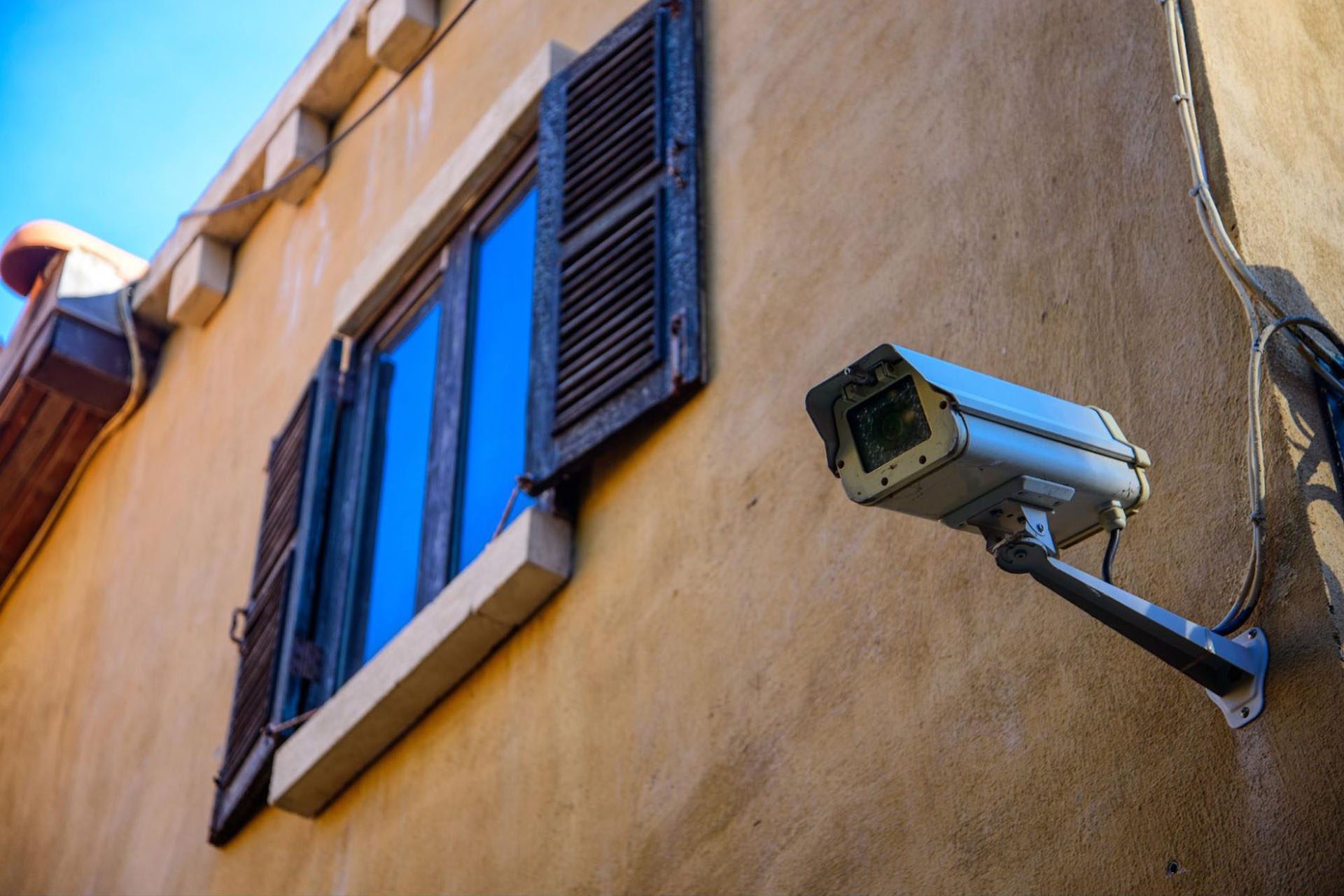
- Edge Computing: Security cameras and motion detectors should perform on-device analysis. This ensures that video feeds do not need to be uploaded to a server to identify human shapes, packages, or vehicles.
- End-to-End Encryption (E2EE): With the rise of IoT (Internet of Things) devices, E2EE is no longer optional. All data packets between the sensor and the hub must be encrypted to prevent interception.
- Redundancy Protocols: Systems must maintain dual-path connectivity. This typically involves a combination of fiber-optic or cable internet and a cellular backup (4G or 5G) to ensure that if the main power or internet line is cut, the signal remains active.
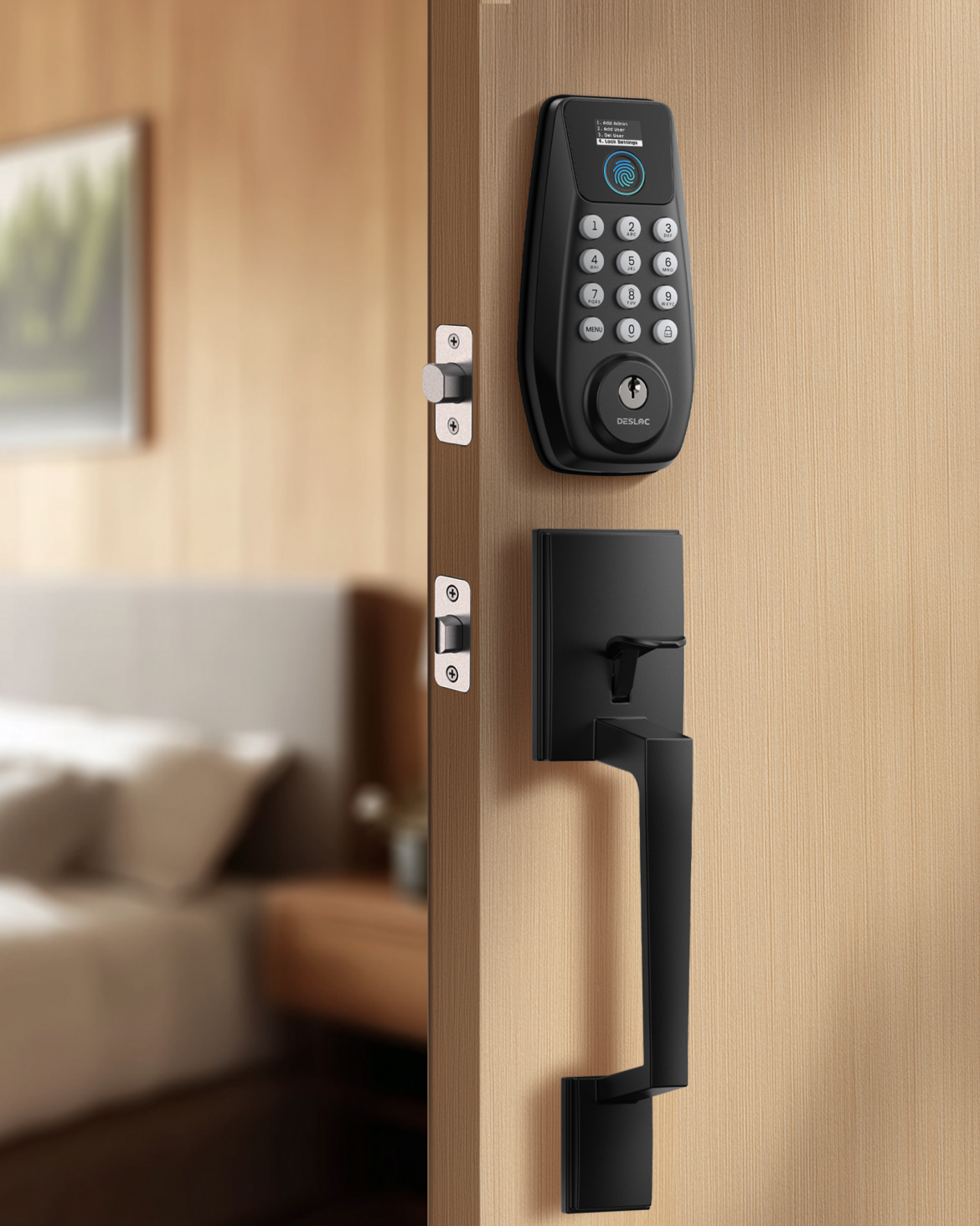
- Biometric Integration: Moving beyond traditional keypads, advanced systems are integrating facial recognition and fingerprint scanners as primary authentication methods, significantly reducing the risk of unauthorized access via stolen physical keys or bypassed passwords.
Comparative Analysis of Security Architectures
Choosing the right security configuration requires a balance between cost, privacy, and technical capability. The table below illustrates the primary differences between legacy systems and the 2026 integrated standard.
| Feature | Legacy Alarm Systems | Integrated Predictive Systems |
|---|---|---|
| Alert Mechanism | Reactive (Sirens/Calls) | Proactive (AI-Confirmed) |
| Data Processing | Cloud-based | Edge/Local-based |
| Latency | Medium to High | Ultra-low (sub-second) |
| Maintenance | Manual updates required | Automated/Self-healing |
| Privacy Risk | High (Server-side storage) | Low (Local storage emphasis) |
Overcoming Common Implementation Challenges
One of the most significant challenges homeowners face is the "Integration Tax"—the difficulty of getting disparate devices from different manufacturers to communicate effectively. In the current market, the adoption of Matter and Thread protocols has mitigated some of these issues, allowing for a more unified ecosystem.
Amina Krouser’s perspective on these technical challenges often highlights the importance of professional auditing. Even the most advanced system is ineffective if installed in a way that ignores the physical realities of the home environment. Blind spots, ambient light interference, and improper mounting height remain the most common reasons for security failure in 2026. Homeowners are encouraged to perform a site assessment every 12 to 18 months, mirroring the maintenance cycles of commercial security systems.
Privacy vs. Security: The Modern Trade-off
The integration of advanced AI into domestic spaces inevitably raises concerns regarding privacy. As cameras become smarter and more capable of facial recognition, the burden of ethical data handling shifts to the consumer.
The future of home security, as envisioned by industry experts, places high value on "privacy by design." This involves:
- Local Data Storage: Utilizing Network Attached Storage (NAS) or local SD cards to keep footage within the physical confines of the home.
- Granular Permission Controls: Implementing software that allows users to define specific zones where monitoring is disabled, such as private living areas or bathrooms.
- Transparency Audits: Regularly reviewing logs to see which devices have requested access to internal sensors.
Frequently Asked Questions
1. Does AI in home security actually reduce false alarms? Yes. By utilizing object classification, modern AI can differentiate between pets, wind-blown vegetation, and humans. This significantly reduces the noise that historically plagued older motion-sensing systems, leading to higher reliability.
2. Are professional monitoring services still necessary in 2026? While self-monitoring is increasingly capable, professional services offer a critical buffer. They provide the human element needed for emergency response dispatch and can serve as a secondary set of eyes when the homeowner is incapacitated or without mobile network access.
3. What is the most important component of a secure smart home? The most critical component is the network security of the router. If your home network is compromised, every security device connected to it becomes a vulnerability. Securing the "gateway" with a robust firewall is the prerequisite for all other hardware.
4. How often should I update my security firmware? Firmware updates should be configured to install automatically. In 2026, security patches are released frequently to address newly discovered exploits; a delay in updating can leave a system vulnerable to known intrusion methods.
Recommendation for Future-Proofing
If you are planning an upgrade to your home security system, prioritize modularity over a "locked-in" proprietary package. Select devices that support open standards like Matter, ensuring that if one manufacturer discontinues a service, your entire ecosystem does not collapse. Conduct a comprehensive security audit of your physical perimeter once annually, and always opt for local data storage solutions to maintain control over your personal privacy.