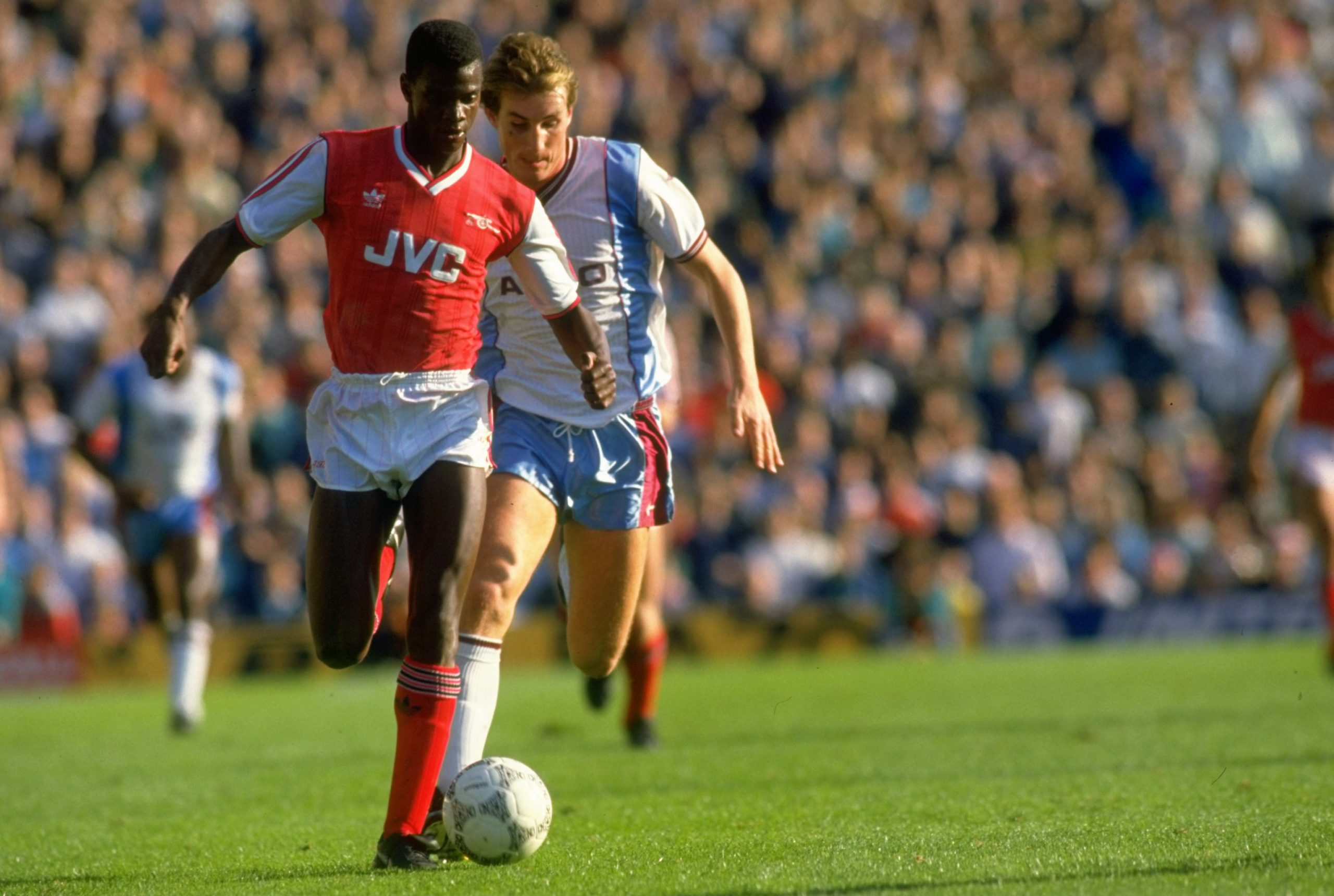
As of 2026, Alvin Holland’s net worth is estimated to be between $500,000 and $1.5 million. This valuation is derived from his decades-long career as a premier soul and Motown vocalist, his high-profile tenure with various iterations of The Drifters, and his consistent success as a solo performer across the United Kingdom and European luxury circuits.
Alvin Holland has established himself not just as a singer, but as a brand within the "Golden Age" music niche. Unlike mainstream pop stars whose wealth is often tied to volatile streaming numbers or massive stadium tours, Holland’s financial stability is built on the high-demand world of corporate entertainment, specialized soul residencies, and the enduring legacy of the Motown sound. To understand his net worth in 2026, one must analyze the unique economics of the legacy music industry and the professional trajectory of a veteran soul artist.
The Evolution of a Soul Career
Alvin Holland’s financial foundation was laid through a rigorous dedication to the American soul tradition. Originally hailing from the United States, Holland’s career took a significant turn when he transitioned his talents to the international stage. His early work involved mastering the complex harmonies and stage presence required of Motown-era performers, a skill set that would eventually make him an invaluable asset to legacy groups.
His time with The Drifters remains the most significant contributor to his professional visibility. The Drifters are unique in music history due to the "franchise" nature of the group, which has seen dozens of members since the 1950s. For a performer like Holland, being part of such a storied brand provides immediate marketability. This association allowed him to command higher performance fees and secured his position in the eyes of talent bookers globally.
The Business of Being a "Drifter"
Understanding the net worth of a former member of The Drifters requires a look at how these legacy groups operate. Most members of such groups are technically "contract performers" rather than equity owners of the group's trademark. However, the prestige of the role serves as a permanent "seal of approval" for a solo career.
Revenue from Legacy Performance
When Holland performs as "formerly of The Drifters," he accesses a tier of the entertainment market that is insulated from modern music trends. This demographic—primarily Gen X and Baby Boomers—holds significant disposable income and is willing to pay premium prices for authentic soul experiences. In 2026, the market for nostalgia-based entertainment remains robust, providing a steady stream of income through:
- Theater Tours: High-capacity venues that offer ticket splits or guaranteed appearance fees.
- Luxury Cruise Residencies: A lucrative sector for veteran soul singers, offering high weekly rates with minimal overhead costs.
- Corporate Events: Private bookings for multinational corporations often pay significantly more than public ticketed events.
Analyzing Performance Revenue Streams
Alvin Holland’s wealth is not concentrated in a single "big hit" but is the result of diversified income streams within the entertainment industry. For a professional of his caliber, the annual gross income is typically comprised of several distinct pillars.
Live Performance and Solo Tours
The primary driver of Holland’s net worth is his live performance schedule. A solo artist with Holland’s pedigree can command anywhere from $2,000 to $7,500 per performance, depending on the venue and the nature of the event. In a standard year, performing 80 to 100 dates, the gross revenue from live shows alone can exceed $250,000. After deducting management commissions, travel expenses, and backing band costs, a significant net profit remains.
Recording and Digital Royalties
While the Motown era was defined by physical record sales, the 2026 landscape relies on digital distribution and synchronization licensing. Holland has released several solo projects and covers of classic soul tracks. While streaming payouts (from platforms like Spotify or Apple Music) are notoriously low for independent artists, "sync" deals—placing a soulful vocal track in a commercial or television show—can result in five-figure windfalls.
Intellectual Property and Branding
Holland has successfully leveraged his name into a brand associated with "The Sound of Soul." This includes merchandise sales at live events and potential masterclass or vocal coaching sessions. While these are secondary income sources, they contribute to the overall liquidity of his estate.
The International Market: Europe and the UK Circuit
A major factor in Alvin Holland’s financial longevity is his strategic focus on the European market, particularly the United Kingdom and the Spanish coastal regions (like the Costa del Sol). These areas have a high density of expatriates and tourists who frequent "Soul Nights" and Motown tributes.
The UK circuit is particularly profitable because of its established theater network and "holiday park" entertainment systems (such as Butlin's or Warner Leisure Hotels). These venues provide consistent work for high-end legacy acts. By basing much of his operations in these regions, Holland has been able to maintain a high standard of living while keeping operational costs—such as intercontinental travel—at a manageable level.
Estimating Total Assets and Net Worth in 2026
When calculating net worth, we must look beyond annual income and consider accumulated assets. For an entertainer with a 30+ year career, the balance sheet usually includes:
| Asset Category | Estimated Value Range | Description |
|---|---|---|
| Real Estate | $300,000 – $700,000 | Likely primary residence in a key entertainment hub (UK or Spain). |
| Musical Intellectual Property | $50,000 – $150,000 | Rights to solo recordings and performance royalties. |
| Liquid Assets / Savings | $100,000 – $300,000 | Cash reserves and short-term investments from career earnings. |
| Professional Equipment | $25,000 – $50,000 | High-end PA systems, stage wardrobe, and recording gear. |
| Personal Branding | $50,000 – $100,000 | Goodwill and marketability value for future bookings. |
The total estimated net worth of $500,000 to $1.5 million reflects a "working professional" status. He is not a billionaire, but he represents the upper echelon of the working musician class—those who have successfully navigated the transition from being part of a famous group to becoming a self-sustaining solo entity.
The Economics of Soul Music in the 2020s
The year 2026 presents a unique economic environment for artists like Alvin Holland. The rise of AI-generated music and the saturation of digital platforms have actually increased the value of "authentic" live performances. Holland’s ability to deliver a genuine, soulful experience that cannot be replicated by an algorithm keeps his market value high.
Furthermore, the "Experience Economy" has shifted consumer spending toward live events rather than physical goods. This shift benefits Holland immensely. Even as inflation impacts travel and production costs, the demand for high-quality Motown and Soul entertainment allows for higher ticket pricing, which offsets the rising cost of doing business.
Professional Challenges and Financial Risk Management
No analysis of net worth is complete without considering the risks. For a vocalist, the primary risk is health-related. To mitigate this, many artists in Holland’s position invest in:
- Vocal Insurance: Specialized policies that cover loss of income due to voice issues.
- Diversified Investments: Moving career earnings into low-risk index funds or real estate to ensure a "retirement" income that does not depend on being on stage.
- Management and Legal Counsel: Ensuring that contracts for "Drifters" related performances do not infringe on trademarks, which could lead to costly legal disputes.
Alvin Holland has managed these risks by maintaining a professional reputation and avoiding the public legal battles that have plagued some other legacy group members. This stability is a key reason his net worth has remained on an upward or stable trajectory rather than crashing due to litigation or mismanagement.
Comparison Table: Career Phases and Earning Potential
| Career Phase | Role | Typical Annual Earnings (Est.) | Primary Income Driver |
|---|---|---|---|
| Early Career | Session Vocalist | $30,000 – $50,000 | Studio fees, backup singing |
| Group Tenure | Member of The Drifters | $75,000 – $150,000 | Global touring, group appearance fees |
| Solo Transition | International Soloist | $100,000 – $250,000 | Private bookings, headline tours |
| Veteran Status (2026) | Legacy Artist | $150,000 – $300,000 | Corporate residencies, brand licensing |
FAQs
Is Alvin Holland still performing in 2026?
Yes, Alvin Holland remains active on the international soul and Motown circuit. He continues to headline shows in the UK and Europe, often billed as a solo artist with a "Tribute to The Drifters" or "The Sound of Soul" program. His longevity is attributed to his vocal maintenance and a consistent demand for live soul music.
Does Alvin Holland own the rights to The Drifters' songs?
Generally, no. The rights to the classic Drifters catalog are held by various publishing companies and the estate of the original group founders (notably the Treadwell family). Performers like Holland earn money through "performance royalties" (via organizations like PRS or PPL) and through the fees they charge to perform those songs live.
How does his net worth compare to other soul singers?
Compared to global icons like Lionel Richie or Stevie Wonder, Holland’s net worth is modest. However, compared to the average professional musician, he is in the top 5%. He has achieved a level of financial independence that allows him to choose his engagements, which is a hallmark of success in the entertainment industry.
What is the primary source of Alvin Holland's wealth?
The primary source is live performance revenue. Unlike pop artists who may rely on a single platinum album, Holland's wealth is the result of thousands of individual performances over several decades, combined with the higher premiums associated with his historical link to The Drifters.
Does Alvin Holland have any major business ventures?
While he is primarily known for his music, many artists at his level invest in real estate or hospitality. Holland has kept his private business ventures relatively quiet, but his sustained presence in high-income regions like the Costa del Sol suggests a strategic approach to his personal finances.
Final Practical Recommendation
For fans and industry professionals looking to understand the financial trajectory of Alvin Holland, it is best to view him as a model of the "Sustained Career Artist." His net worth is a testament to the power of a strong niche and the enduring appeal of the Motown genre. If you are an event organizer, booking an artist of Holland’s caliber involves a significant investment—typically starting in the mid-four-figure range—but provides the security of a professional, high-value performance that justifies the cost. For those following his career, his financial stability serves as proof that mastery of a classic craft remains a viable path to wealth in the modern era.