Canoeing in alligator-inhabited waters requires a blend of specialized equipment knowledge, an understanding of crocodilian behavior, and strict adherence to safety protocols. To navigate these environments successfully, paddlers must prioritize vessel stability, maintain a respectful distance of at least 60 feet from alligators, and avoid paddling during dawn, dusk, or mating seasons when activity levels peak.
While the term "alligator canoe" historically refers to the 19th-century steam-powered amphibious warping tugs used in the logging industry, modern search intent is almost exclusively focused on the practicalities of paddling a canoe in habitats shared with the American Alligator (Alligator mississippiensis). This guide focuses on the latter, providing a comprehensive framework for safe exploration in 2026.
Understanding Alligator Behavior for Canoeists
Before launching a canoe into the blackwater swamps of the Okefenokee or the sawgrass prairies of the Everglades, it is essential to understand the biology and psychology of the apex predator you are sharing the water with. Alligators are ectothermic (cold-blooded) reptiles, meaning their activity levels are heavily regulated by environmental temperatures.
Basking and Thermoregulation
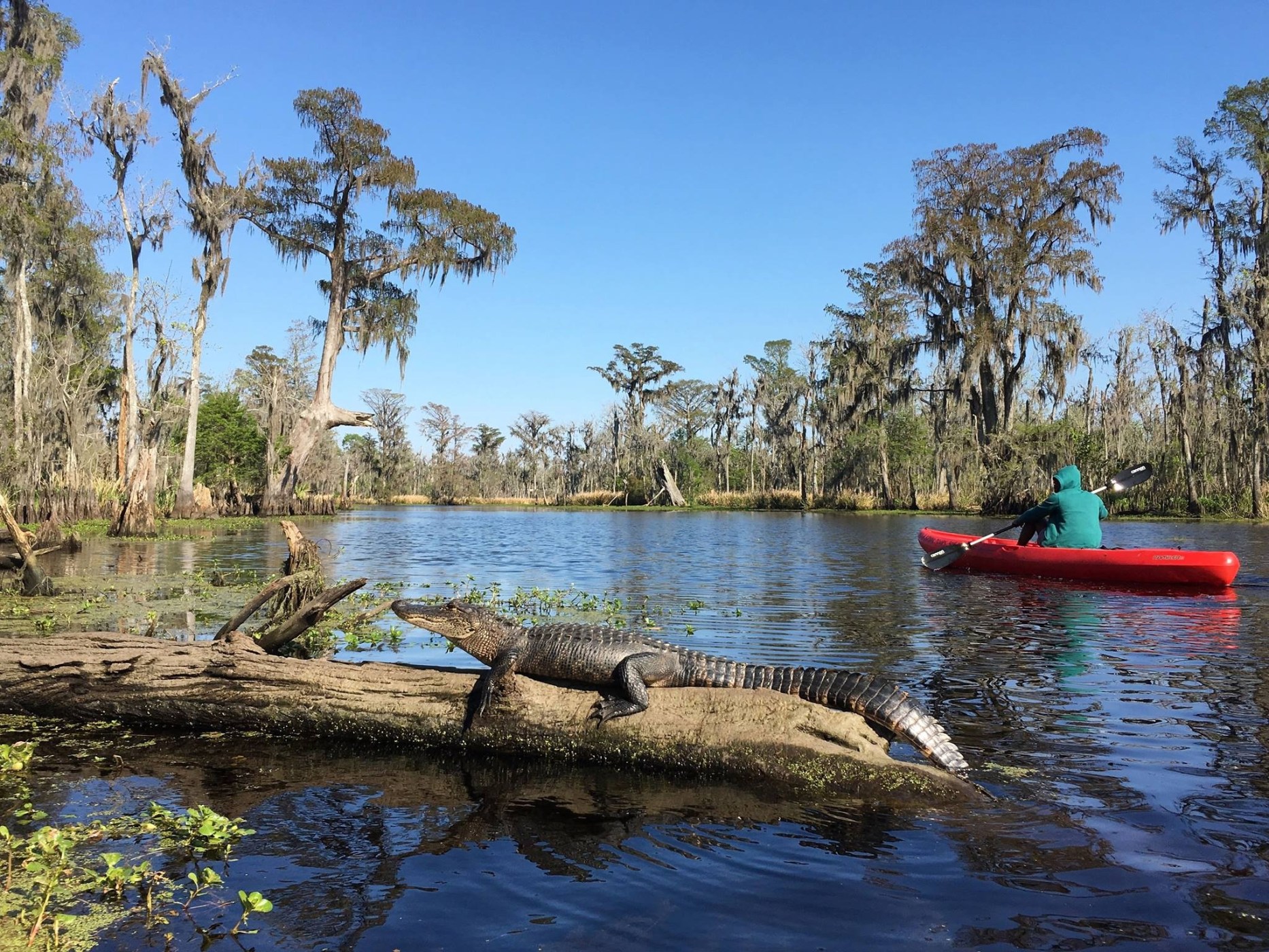
During the day, alligators are frequently seen "basking" on riverbanks or logs. In this state, they are absorbing solar radiation to increase their body temperature. A basking alligator is typically lethargic and unlikely to engage unless provoked or unless its path to the water—its primary escape route—is blocked. When approaching a basking alligator in a canoe, always maintain a wide berth on the water side. If you paddle between an alligator and the deep water, the animal may "spook" and launch itself toward your canoe in a frantic attempt to reach safety, potentially leading to a collision or capsize.
The Instinctual Response to Canoes
Generally, alligators view canoes as large, non-prey objects. A standard 14- to 17-foot canoe is significantly larger than the average alligator, which typically measures between 6 and 10 feet. Because alligators are opportunistic predators rather than active hunters of large mammals (excluding livestock or deer in specific circumstances), they usually prefer to avoid contact with a vessel. However, problems arise when alligators lose their natural fear of humans, often due to illegal feeding. In 2026, wildlife agencies continue to emphasize that a "nuisance alligator" is often one that has been conditioned to associate humans with food.
Selecting the Right Canoe for Alligator Territory
Not all canoes are created equal when it comes to safety in predator-dense environments. In habitats where a capsize could put a paddler in direct contact with an alligator, vessel stability and material integrity are the two most critical factors.
Stability: Primary vs. Secondary
In alligator waters, primary stability (the steadiness of the canoe when it is sitting flat on the water) is often more important than secondary stability (the ability to remain stable when leaned on its side). A wide-beam canoe, typically 35 inches or wider at the gunwales, provides a stable platform that resists tipping if a paddler makes a sudden movement due to a nearby splash or sighting.
- Flat-Bottom Canoes: These offer excellent primary stability in calm swamp waters but can be less maneuverable in high winds.
- Shallow-Arch Hulls: These provide a balance of stability and speed, making them suitable for long-distance treks through the Florida Everglades.
Material Durability
While Kevlar and carbon fiber canoes are prized for their light weight, they can be more susceptible to structural damage if they strike a submerged log—or an alligator—at high speeds. Tuf-weave or high-density polyethylene (HDPE) canoes are generally preferred for rugged swamp environments. These materials can flex and absorb impacts without cracking, which is vital when navigating through tight "trails" where alligators may be submerged just beneath the surface.
Color and Profile
There is ongoing debate among naturalists regarding canoe color. While there is no definitive evidence that alligators are attracted to specific colors, many experienced guides prefer neutral tones (greens, tans, or greys) to blend into the environment and avoid "flashing" bright colors that might startle wildlife. A low-profile canoe reduces wind resistance, which helps keep the paddler in control and prevents the wind from pushing the vessel into a bank where an alligator might be nesting.
Essential Safety Protocols and Navigation Techniques
Safety in an alligator canoe is governed by a set of "unwritten rules" that have been formalized by organizations such as the Florida Fish and Wildlife Conservation Commission (FWC).
Maintaining Distance
The "60-foot rule" is the standard recommendation. Most alligators will stay submerged or move away if you remain at this distance. If an alligator begins to hiss or opens its mouth wide, you have entered its personal space, and it is displaying defensive behavior. In these instances, back away slowly using a reverse stroke; do not turn your back to the animal immediately if you are within its striking range.
The Danger of Night Paddling
Navigating alligator waters at night is significantly more dangerous than during the day. Alligators are nocturnal hunters, and their tapetum lucidum (a reflective layer behind the retina) gives them superior night vision. While their "eyeshine" makes them easy to spot with a headlamp, your presence is more likely to be interpreted as a threat or curiosity in the dark. If you must paddle at night, use a high-lumen light to scan the water constantly and stay in the center of the channel.
Avoiding Mating and Nesting Seasons
In the Southeastern United States, alligator mating season typically begins in April, with nesting occurring in June and July. During this time, males are highly territorial and may exhibit aggressive "bellowing" or "head-slapping" displays. Females are fiercely protective of their nests, which look like large mounds of vegetation near the water's edge. If you see a nest, do not approach it. A female alligator may attack a canoe if she perceives it as a threat to her eggs or hatchlings.
Comparison of Canoe Types for Alligator Habitats
The following table compares various canoe configurations based on their suitability for environments where alligators are present.
| Canoe Feature | Suitability | Rationale |
|---|---|---|
| Wide Beam (>36") | High | Maximum primary stability prevents accidental capsizes during sudden movements. |
| Solo Canoe (<13') | Moderate | Lightweight and maneuverable, but lower freeboard can feel less secure to novice paddlers. |
| Square-Stern Canoe | High | Allows for a small electric motor, providing a quick exit from high-stress areas if needed. |
| Inflatable Canoe | Low | While modern PVC is tough, the risk of a puncture from an alligator bite or sharp swamp debris is a safety concern. |
| Aluminum Canoe | Moderate | Extremely durable, but very noisy; the sound of a paddle hitting the hull can startle nearby wildlife. |
Emergency Procedures: What to Do If You Capsize
The most feared scenario for any paddler is capsizing in water containing alligators. While attacks on humans are rare, the vulnerability of a swimmer is much higher than that of a paddler.
- Stay Calm and Stay With the Boat: A canoe, even when flipped, is a large object that alligators generally avoid. Use the hull as a shield between yourself and any nearby animals.
- Get Out of the Water Immediately: If you are near a bank that is clear of alligators, head for land. If you are in deep water, perform a "capsize recovery" (such as a T-rescue with another boat or a solo re-entry) as quickly as possible.
- Do Not Splash: Rhythmic splashing mimics the sound of a distressed animal and can attract an alligator's attention. Use smooth, powerful strokes to reach safety.
- Use Your Paddle: If an alligator approaches you while you are in the water, use your paddle as a defensive tool. Strike the animal on the snout—a highly sensitive area—to deter it.
Regional Guidelines and Legal Compliance
In 2026, the legal protections for the American Alligator remain stringent under the Endangered Species Act's "similarity of appearance" clause and various state laws.
- Florida: It is illegal to feed or harass alligators. Feeding alligators is a second-degree misdemeanor. This law is strictly enforced in popular canoeing spots like the Silver River and Juniper Springs.
- Louisiana: While Louisiana has a robust alligator hunting season, recreational paddlers must adhere to Department of Wildlife and Fisheries guidelines, which prohibit the disturbance of nests.
- National Parks: In places like the Everglades National Park, paddlers are required to maintain specific distances and may be required to attend a safety briefing before obtaining a backcountry permit.
For official updates on alligator populations and safety zones, consult the National Park Service Everglades Safety Page.
FAQ: Frequently Asked Questions About Alligator Canoeing
Can an alligator flip a canoe?
While it is physically possible for a large male alligator (12+ feet) to flip a canoe, it is extremely rare. Most "flipping" incidents occur when a canoeist accidentally paddles over a submerged alligator, causing the animal to thrash and strike the hull in an attempt to escape. Choosing a wide, stable canoe significantly reduces this risk.
Do alligators attack canoes?
Alligators do not typically "attack" canoes with the intent to hunt. Most aggressive encounters are defensive in nature—usually a result of a paddler getting too close to a nest or a basking site. If an alligator follows a canoe, it is often a sign that the animal has been fed by humans in the past and is looking for a handout.
Is it safe to take a dog in a canoe in alligator water?
It is highly discouraged. Alligators view dogs as natural prey items. The presence of a dog in a canoe can attract alligators from a distance, and if the dog jumps or falls into the water, it is at extreme risk. If you must bring a pet, keep it leashed and positioned in the center of the boat at all times.
What is the best time of day to go canoeing to avoid alligators?
Mid-day is generally the best time for visibility and safety. Alligators are most active at night and during the "crepuscular" hours of dawn and dusk. During the heat of the day, they are more likely to be stationary on the banks, making them easier to spot and avoid.
How fast can an alligator swim compared to a canoe?
An alligator can swim up to 20 mph in short bursts. A fit canoeist typically paddles at 3 to 5 mph. You cannot outswim an alligator in a canoe if it is determined to catch you, which is why maintaining distance and avoiding provocation is the only viable safety strategy.
Final Recommendations for a Successful Trip
Canoeing among alligators is one of the most rewarding wilderness experiences available in North America, offering a glimpse into a prehistoric ecosystem. To ensure your 2026 expedition is both safe and enjoyable:
- Research your route: Use updated satellite imagery and water level reports. Low water levels often concentrate alligators in deeper channels, increasing the likelihood of close encounters.
- Invest in a high-quality PFD: A life jacket should be worn at all times, not just stored in the boat.
- Practice quiet paddling: Mastering the "Indian stroke" or "J-stroke" allows you to move through the water with minimal noise, reducing the chance of startling wildlife.
- Carry a communication device: In remote swamps, a satellite messenger (like a Garmin inReach) is essential, as cellular service is often non-existent.
By respecting the alligator as a vital component of the wetland ecosystem rather than a monster to be feared, you can enjoy the serenity of the swamp with the confidence of a prepared outdoorsman.