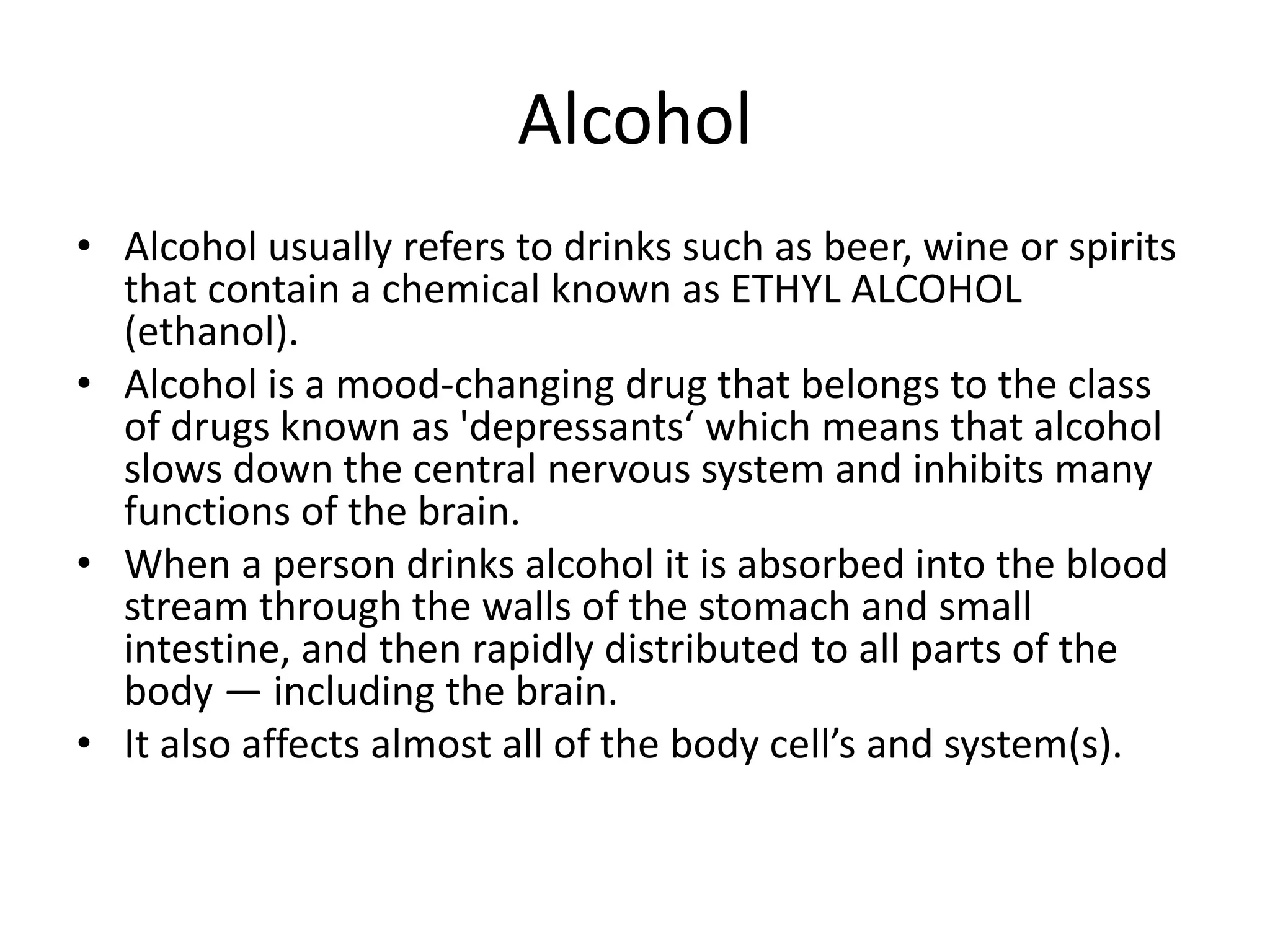
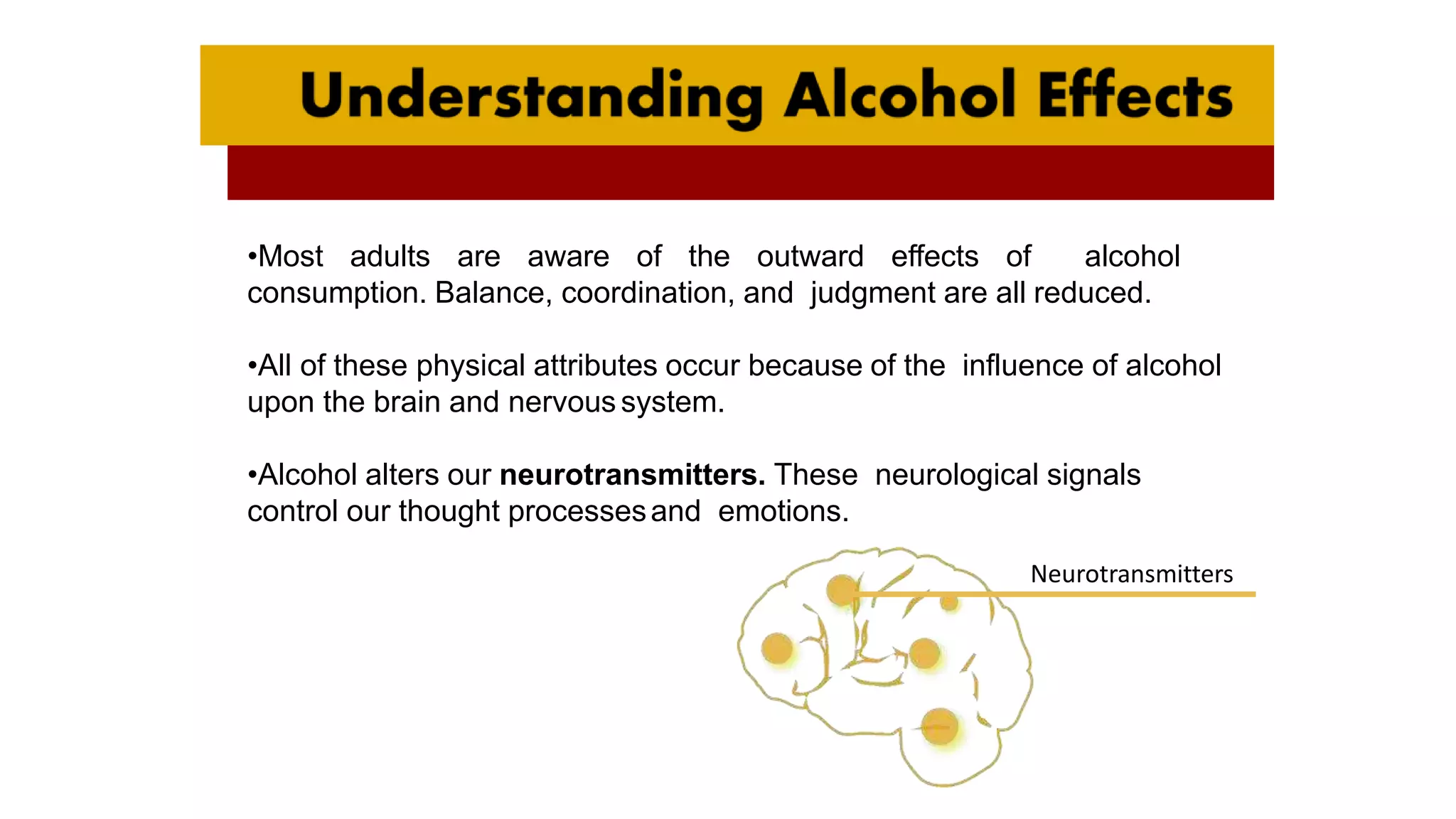
Alcohol acts as a potent central nervous system depressant that disrupts the delicate balance between inhibitory and excitatory neurotransmitters. By enhancing GABA activity and suppressing glutamate signaling, ethanol induces immediate cognitive and motor impairment. Over time, chronic exposure leads to structural brain atrophy, neuroinflammation, and peripheral nerve damage, potentially causing permanent neurological deficits.
The Biochemical Mechanism: How Ethanol Interacts with Neurons
The nervous system relies on a complex network of electrical impulses and chemical signals to function. Alcohol, or ethanol, is a small, water-soluble molecule that easily crosses the blood-brain barrier—the protective shield designed to keep toxins out of the brain. Once inside, ethanol begins to interfere with the communication between neurons at the synaptic level.
The Shift in Neurotransmitter Balance
The primary way alcohol affects the nervous system is by altering the ratio of inhibitory and excitatory signals. In a healthy brain, there is a state of equilibrium. Alcohol disrupts this in two significant ways:
- GABA (Gamma-Aminobutyric Acid) Potentiation: GABA is the brain’s primary inhibitory neurotransmitter. It acts like a "brake," slowing down neuronal activity. Alcohol binds to GABA-A receptors, making them more sensitive to the neurotransmitter. This results in the characteristic feelings of relaxation, sedation, and decreased anxiety associated with early-stage intoxication.
- Glutamate Suppression: Glutamate is the brain’s primary excitatory neurotransmitter, acting like the "accelerant." Alcohol inhibits NMDA (N-methyl-D-aspartate) receptors, preventing glutamate from stimulating neurons. This suppression leads to the cognitive "fog," slurred speech, and memory blackouts seen with higher levels of consumption.
As of 2026, neurobiological research continues to emphasize that the brain attempts to compensate for these changes. During chronic consumption, the brain reduces the number of GABA receptors and increases the number of glutamate receptors to maintain "normalcy." This neuroadaptation is what leads to tolerance and the dangerous "hyper-excitability" seen during alcohol withdrawal.
Acute Neurological Effects: The Stages of Intoxication
When alcohol enters the bloodstream, its effects on the central nervous system (CNS) manifest in a predictable sequence as Blood Alcohol Concentration (BAC) rises. The impact is not localized; it affects various regions of the brain responsible for different functions.
The Frontal Lobe and Executive Function
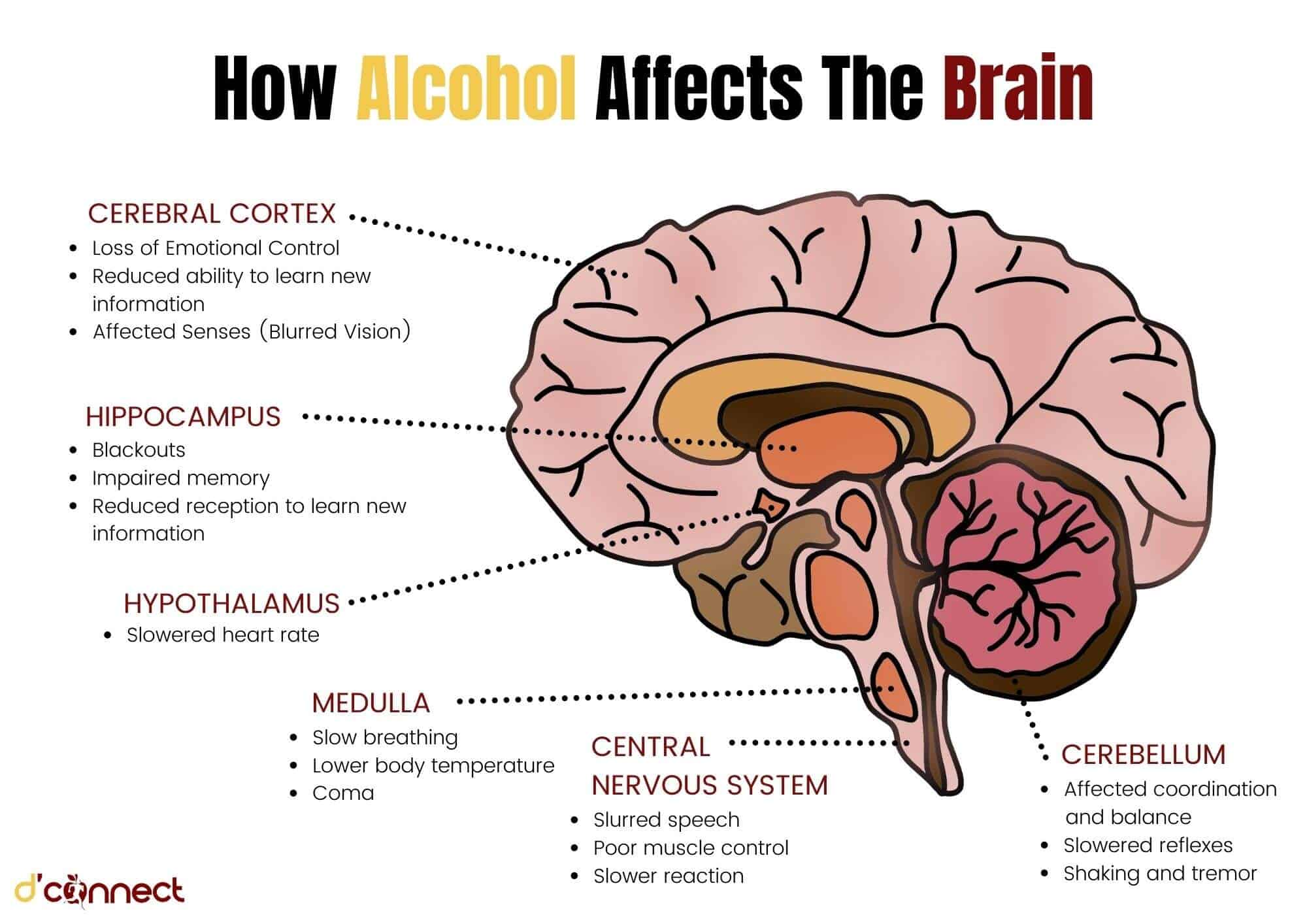
The frontal lobe is the center for judgment, impulse control, and executive function. It is often the first region affected by alcohol. Even at low BAC levels (0.02% to 0.05%), individuals may experience a loss of social inhibition. The "filter" that usually prevents risky behavior is weakened, leading to poor decision-making and increased talkativeness.
The Cerebellum and Motor Coordination
As BAC increases toward 0.08% and beyond, the cerebellum becomes significantly impaired. This region is responsible for balance, fine motor skills, and hand-eye coordination. This impairment results in the "stumbling" gait, loss of manual dexterity, and slowed reaction times that make activities like driving extremely hazardous.
The Hippocampus and Memory Formation
High doses of alcohol disrupt the hippocampus, the area of the brain critical for forming new memories. This is the biological basis for "blackouts." It is not that the person forgets what happened; rather, the brain temporarily loses the ability to transfer short-term memories into long-term storage while the person is still conscious and functioning.
Chronic Neurological Consequences and Brain Atrophy
Long-term, heavy alcohol consumption leads to profound structural and functional changes in the nervous system. By 2026, advanced neuroimaging techniques like functional MRI (fMRI) have clearly documented the physical "shrinking" of the brain in individuals with long-term Alcohol Use Disorder (AUD).
Cerebral Atrophy and Ventricular Enlargement
Chronic ethanol exposure is neurotoxic. It triggers oxidative stress and neuroinflammation, leading to the death of neurons and glial cells. This loss of brain matter—known as cerebral atrophy—is particularly evident in the frontal lobes. As the brain tissue shrinks, the fluid-filled cavities called ventricles enlarge to fill the space. This structural decay is associated with permanent declines in cognitive flexibility, problem-solving, and emotional regulation.
Wernicke-Korsakoff Syndrome
One of the most severe neurological consequences of chronic alcohol use is Wernicke-Korsakoff Syndrome (WKS). This is actually two related conditions caused by a deficiency in thiamine (vitamin B1), which alcohol interferes with at the absorption level in the gut.
- Wernicke’s Encephalopathy: An acute, life-threatening condition characterized by mental confusion, abnormal eye movements (nystagmus), and lack of muscle coordination (ataxia).
- Korsakoff Psychosis: If Wernicke’s goes untreated, it often evolves into this chronic condition. It is marked by severe amnesia and "confabulation," where the patient unknowingly creates stories to fill in the gaps in their memory.
Alcohol-Induced Peripheral Neuropathy
The central nervous system isn't the only part at risk. The peripheral nervous system—the nerves that connect the brain and spinal cord to the rest of the body—can also be damaged. Alcohol-induced neuropathy occurs when the peripheral nerves are poisoned by ethanol or deprived of essential nutrients like B-vitamins. Symptoms include:
- Numbness or "pins and needles" in the hands and feet.
- Muscle weakness and cramping.
- Loss of sensation or burning pain in the extremities.
Comparison of Short-Term vs. Long-Term Neurological Impacts
The following table summarizes how alcohol's influence evolves from temporary impairment to lasting damage.
| Feature | Short-Term Effect (Acute) | Long-Term Effect (Chronic) |
|---|---|---|
| Primary Mechanism | Neurotransmitter imbalance (GABA/Glutamate) | Neuronal death and structural atrophy |
| Cognitive Impact | Reduced inhibition and memory blackouts | Permanent cognitive decline and dementia |
| Motor Control | Temporary ataxia (clumsiness/stumbling) | Peripheral neuropathy and chronic tremors |
| Mood/Emotion | Temporary euphoria or irritability | Depression, anxiety, and emotional blunting |
| Physical Structure | No immediate change in brain volume | Brain shrinkage and enlarged ventricles |
| Reversibility | Generally reversible as BAC drops | Often partially reversible, but can be permanent |
Neuroinflammation and the Blood-Brain Barrier
Recent studies leading into 2026 have highlighted the role of the immune system within the brain. Alcohol activates microglia—the brain's resident immune cells. When these cells are chronically activated by ethanol, they release pro-inflammatory cytokines. This chronic neuroinflammation contributes to the "brain fog" and cognitive sluggishness reported by heavy drinkers even during periods of sobriety.
Furthermore, chronic alcohol consumption weakens the integrity of the blood-brain barrier (BBB). A "leaky" BBB allows peripheral toxins and inflammatory markers from the rest of the body to enter the brain tissue, further exacerbating neurodegeneration. This connection between gut health (alcohol-induced "leaky gut") and brain health is a major focus of current neurological research.
Recovery, Neuroplasticity, and the Healing Process
While some damage—such as the advanced stages of Korsakoff Syndrome—can be permanent, the human nervous system possesses a remarkable degree of neuroplasticity. When an individual stops consuming alcohol, the brain begins a multi-stage healing process.
- The Withdrawal Phase (Days 1-7): The brain is in a state of hyperexcitability. Without the "brake" of alcohol, the excess glutamate can lead to tremors, hallucinations, and seizures. Medical supervision is often required during this stage.
- Early Abstinence (Weeks 1-4): Cognitive function begins to return. Sleep patterns—which alcohol severely disrupts by suppressing REM sleep—start to normalize, though insomnia is common.
- Long-term Recovery (Months 6-12+): Studies using brain scans show that some of the volume lost to atrophy can actually return. The brain's white matter (the "wiring" that connects different regions) shows significant repair, leading to improved attention, memory, and executive function.
However, the speed and extent of recovery depend on factors like the duration of the alcohol use, the age of the individual, and their nutritional status. According to the National Institute on Alcohol Abuse and Alcoholism (NIAAA), early intervention is the most critical factor in preventing irreversible neurological decline.
Frequently Asked Questions
Can the brain fully recover from alcohol damage?
While significant recovery is possible through neuroplasticity, it depends on the severity of the damage. Brain volume can increase after prolonged abstinence, and many cognitive functions improve. However, conditions like Korsakoff Syndrome or severe, late-stage dementia are often permanent. Early cessation and proper nutrition (especially thiamine supplementation) are key to maximizing recovery potential.
Why does alcohol make some people aggressive while others become sleepy?
This is due to the biphasic effect of alcohol and individual differences in brain chemistry. Initially, alcohol suppresses the frontal lobe's inhibitory centers, which can lead to aggression or impulsivity in those predisposed to these traits. As BAC continues to rise, the overall depressant effect on the CNS takes over, leading to sedation and sleepiness.
How does alcohol affect the developing teenage brain?
The teenage brain is particularly vulnerable because the prefrontal cortex—responsible for reasoning and impulse control—is not fully developed until the mid-20s. Alcohol exposure during this window can interfere with the "pruning" process of synapses, leading to long-term deficits in memory and an increased risk of Alcohol Use Disorder later in life.
What is the relationship between alcohol and "brain fog"?
Brain fog is often a result of neuroinflammation and disrupted sleep cycles. Alcohol prevents the brain from entering deep, restorative REM sleep. Additionally, the pro-inflammatory cytokines released by the brain's immune cells (microglia) in response to ethanol create a state of cognitive lethargy that can persist for days or weeks after drinking.
Is moderate drinking safe for the nervous system?
As of 2026, many health organizations, including the World Health Organization (WHO), have shifted toward the perspective that no amount of alcohol is entirely "safe" for the brain. Even moderate drinking has been linked in large-scale studies to slight decreases in total brain volume. However, the risk is dose-dependent; the more one drinks, the higher the likelihood of neurological impairment.
Practical Recommendations for Neurological Health
If you or someone you know is concerned about the effects of alcohol on the nervous system, consider the following actions:
- Monitor Consumption: Use standardized tools like the AUDIT (Alcohol Use Disorders Identification Test) to assess whether your drinking patterns are entering the high-risk category.
- Prioritize B-Vitamins: Given that thiamine (B1) deficiency is a primary driver of alcohol-related brain damage, ensure a diet rich in whole grains, meat, and nuts. In some cases, a high-quality B-complex supplement may be recommended by a healthcare provider.
- Seek Medical Guidance for Withdrawal: If heavy use has been consistent, do not stop "cold turkey" without medical advice, as the resulting glutamate surge can cause dangerous seizures.
- Engage in Cognitive Exercises: During recovery, activities that challenge the brain—such as reading, puzzles, or learning a new skill—can help stimulate neuroplasticity and the rebuilding of neural pathways.
- Consult a Neurologist: If you experience persistent numbness in the limbs, significant memory gaps, or chronic balance issues, a neurological evaluation can help identify the extent of the damage and provide a roadmap for treatment.