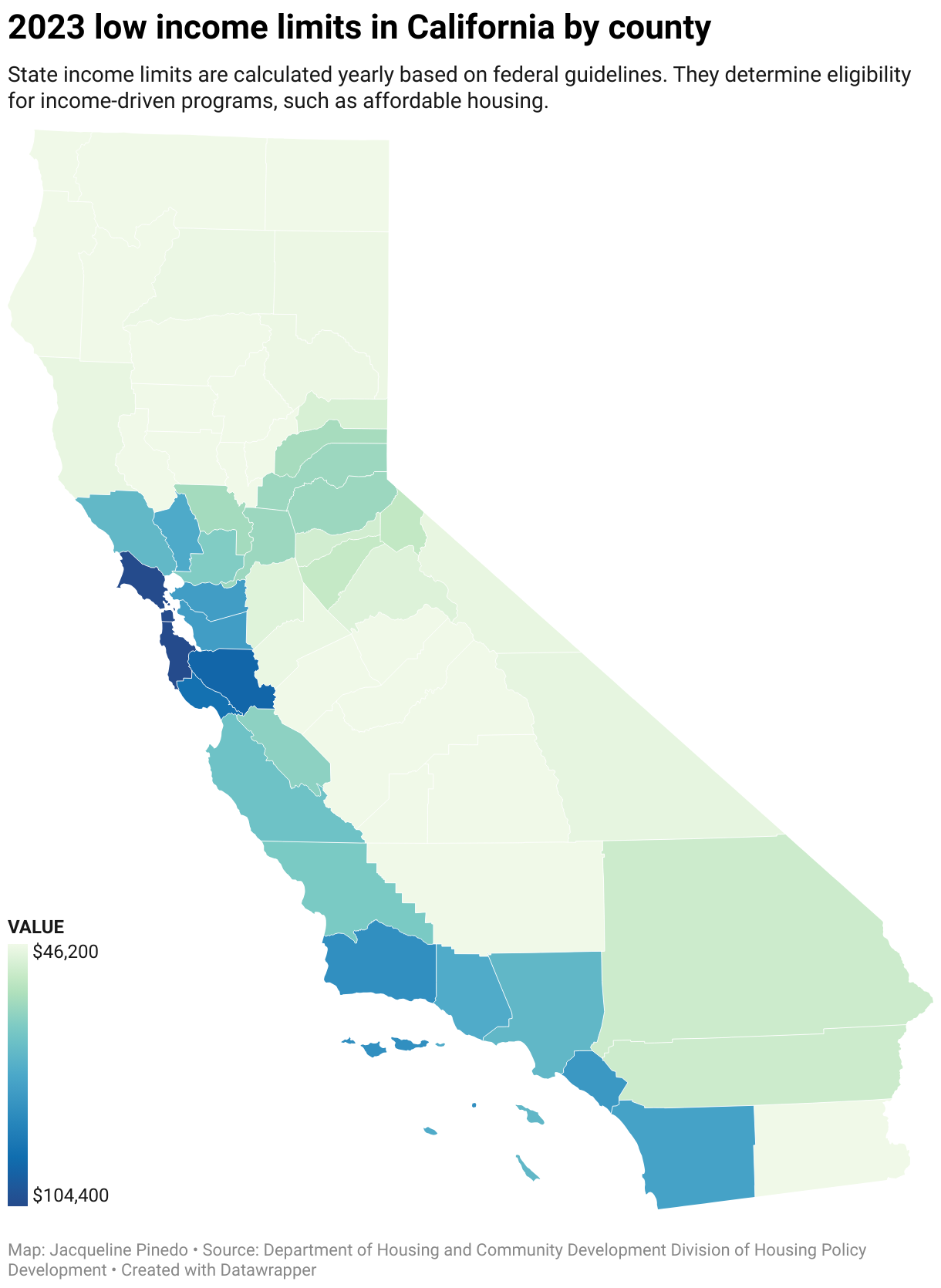
Low-income status in Alameda County is defined by household income falling below specific thresholds relative to the Area Median Income (AMI). In 2026, these benchmarks determine eligibility for essential services including subsidized housing, CalFresh food benefits, Medi-Cal healthcare coverage, and utility assistance programs managed by county and state agencies.
Understanding Low-Income Designations in Alameda County
In Alameda County, the definition of "low income" is significantly higher than the national average due to the region's exceptionally high cost of living. Federal and state agencies, primarily the U.S. Department of Housing and Urban Development (HUD) and the California Department of Housing and Community Development (HCD), calculate these limits annually based on the Area Median Income (AMI) for the San Francisco-Oakland-Hayward Metropolitan Statistical Area.
For 2026, these figures serve as the gatekeepers for nearly all social safety net programs. The designations are typically broken down into four distinct categories:
- Acutely Low Income: Households earning 0–15% of the AMI.
- Extremely Low Income: Households earning 15–30% of the AMI.
- Very Low Income: Households earning 30–50% of the AMI.
- Low Income: Households earning 50–80% of the AMI.
Because the AMI in Alameda County remains among the highest in the United States, an individual or family may technically qualify as "low income" even while earning a salary that would be considered middle-class in other parts of the country. This nuance is critical for residents to understand, as many overlook benefits they are rightfully entitled to receive.
2026 Income Eligibility Thresholds
The following table outlines the projected income limits for Alameda County in 2026. These figures are utilized by the Housing Authority of the County of Alameda (HACA) and the Social Services Agency to determine program placement. Note that these figures are gross annual income (before taxes).
| Household Size | Extremely Low (30%) | Very Low (50%) | Low Income (80%) |
|---|---|---|---|
| 1 Person | $33,250 | $55,400 | $88,650 |
| 2 Persons | $38,000 | $63,300 | $101,300 |
| 3 Persons | $42,750 | $71,200 | $113,950 |
| 4 Persons | $47,450 | $79,100 | $126,550 |
| 5 Persons | $51,300 | $85,450 | $136,700 |
| 6 Persons | $55,100 | $91,800 | $146,850 |
Source: Estimates based on California Department of Housing and Community Development (HCD) historical adjustments.
Affordable Housing and Rental Assistance
Housing remains the most significant challenge for low-income residents in Alameda County. The primary mechanism for assistance is the Housing Choice Voucher (Section 8) program and Project-Based Vouchers.
The Role of Housing Authorities
Alameda County is served by multiple housing authorities. The Housing Authority of the County of Alameda (HACA) manages programs for most of the county, including Hayward, Fremont, and San Leandro. However, the cities of Oakland and Berkeley operate their own independent authorities.
- Housing Authority of the County of Alameda (HACA): Oversees unincorporated areas and most smaller cities.
- Oakland Housing Authority (OHA): Manages one of the largest inventories of affordable housing in the region.
- Berkeley Housing Authority (BHA): Focuses specifically on the city of Berkeley.
Applying for Section 8
In 2026, the demand for Section 8 vouchers continues to far exceed supply. Waitlists are rarely open and often utilize a lottery system when they do open. Applicants are encouraged to monitor the Alameda County Housing Portal frequently. This centralized digital platform allows residents to search for open waitlists for affordable rental units and apply for multiple properties with a single profile.
Eviction Prevention and Legal Aid
For those facing housing instability, the Alameda County Social Services Agency provides emergency rental assistance for families who can demonstrate a temporary financial crisis. Furthermore, Bay Area Legal Aid offers free legal services to low-income tenants facing unlawful evictions or substandard living conditions, ensuring that "low income" does not result in a loss of due process.
Food Security and Nutritional Assistance
Food insecurity is addressed through federal programs administered at the county level and a robust network of non-profit organizations.
CalFresh (SNAP)
CalFresh is California's version of the Supplemental Nutrition Assistance Program. In 2026, eligibility is primarily based on gross income being below 200% of the Federal Poverty Level. For many low-income households in Alameda County, CalFresh provides an Electronic Benefit Transfer (EBT) card that functions like a debit card at grocery stores and participating farmers' markets.
The application process has been streamlined for 2026, allowing residents to apply online via the BenefitsCal portal. Applicants must provide proof of income, identification, and residency.
Alameda County Community Food Bank
For those who may not meet the strict citizenship or income requirements of CalFresh, the Alameda County Community Food Bank provides a critical secondary safety net. They operate a helpline that connects residents with over 400 partner agencies, including food pantries and soup kitchens, throughout the county.
Healthcare for Low-Income Residents
Access to medical, dental, and vision care is primarily facilitated through Medi-Cal, California's Medicaid program.
Medi-Cal Eligibility and Coverage
As of 2026, Medi-Cal coverage in Alameda County is comprehensive. Following state-level expansions, eligibility is based on income rather than categorical requirements (like disability or age). Most low-income residents are enrolled in a managed care plan, such as the Alameda Alliance for Health or Kaiser Permanente.
Community Health Centers
For individuals who are uninsured or underinsured, the county hosts a network of Federally Qualified Health Centers (FQHCs) like La Clínica de la Raza and LifeLong Medical Care. These centers offer a "sliding fee scale," where the cost of a visit is adjusted based on the patient's verified income.
Utility and Communication Discounts
The high cost of utilities can be a breaking point for low-income budgets. Several programs are specifically designed to reduce these monthly burdens.
PG&E Assistance Programs
Pacific Gas and Electric (PG&E) offers two primary discount programs for Alameda County residents:
- CARE (California Alternate Rates for Energy): Provides a discount of 20% or more on monthly gas and electric bills.
- FERA (Family Electric Rate Assistance): Provides an 18% discount on electric bills for households of three or more people that slightly exceed the CARE income limits.
Water and Communications
Most local water districts, such as EBMUD, offer "Customer Assistance Programs" that provide a tiered discount for low-income households. Additionally, the California LifeLine program provides discounted home phone or cell phone services to ensure that low-income residents remain connected to emergency services and employment opportunities.
Transportation and Mobility Solutions
Navigating the East Bay for work or medical appointments is a major expense. The Clipper START program offers a 50% fare discount for low-income adults (ages 19-64) on major transit systems, including BART, AC Transit, and the San Francisco Bay Ferry.
To qualify for Clipper START in 2026, an individual’s household income must be at or below 200% of the Federal Poverty Level. This program is integrated directly into the Clipper card system, making the discount seamless for the user at the point of entry.
Education and Childcare Subsidies
For low-income families, the cost of childcare often exceeds the cost of rent. Alameda County addresses this through subsidized childcare programs and early childhood education.
Head Start and Early Head Start
These programs provide free, high-quality early education to children from birth to age five. Eligibility is strictly limited to families at or below the poverty line, though exceptions are made for children in foster care or those experiencing homelessness.
Child Care Subsidy Vouchers
Managed by agencies like 4Cs of Alameda County and Bananas Inc., these vouchers help parents pay for licensed childcare or even "trust-lined" family members while the parents work or attend school. The 2026 waitlists for these vouchers remain competitive, and priority is given to families with the lowest incomes and those at risk of abuse or neglect.
Common Obstacles and Troubleshooting
Navigating the bureaucracy of low-income assistance can be daunting. Residents frequently encounter "the cliff effect," where a small raise in pay results in a total loss of benefits, leaving the household worse off financially.
Common Challenges Include:
- Verification Delays: Missing pay stubs or outdated identification can stall an application for months.
- Waitlist Stagnation: Many residents apply for Section 8 and do not receive a call for 5-10 years.
- Technological Barriers: While 2026 sees more digital-first applications, those without reliable internet access may struggle to maintain their status.
To mitigate these issues, it is recommended to work with a "Case Manager" at a local Multi-Service Center. These professionals can provide a holistic view of available benefits and assist with the paperwork required for recertification.
Frequently Asked Questions
What is the fastest way to get emergency housing in Alameda County?
For immediate housing crises, residents should call 2-1-1. This 24/7 service connects individuals with emergency shelters and the "Coordinated Entry" system, which prioritizes the most vulnerable individuals for rapid re-housing programs.
Can I qualify for low-income assistance if I own a home?
Yes. Many programs, including CalFresh and Medi-Cal, focus primarily on monthly income rather than home equity. However, certain "Asset Tests" may apply for specific programs like General Assistance (GA). Generally, your primary residence is excluded from asset calculations.
Do I need to be a U.S. citizen to receive help in Alameda County?
Many local and state-funded programs in California, including Medi-Cal and certain housing protections, are available regardless of immigration status. While federal programs like Section 8 have stricter citizenship requirements, the Alameda County Social Services Agency offers many "state-only" funded alternatives.
How often do I need to renew my low-income status?
Most programs, including CalFresh and Medi-Cal, require an annual "Redetermination" or "Recertification." You will receive a notice in the mail or via your online portal; failure to respond to this notice is the leading cause of benefit termination.
What happens if my income increases mid-year?
You are generally required to report any significant income changes (usually an increase of $100 or more per month) to the Social Services Agency within 10 days. While this may reduce your benefit amount, failing to report it can lead to "overpayment" notices where the county requires you to pay back the benefits received.
Moving Forward: Next Steps for Applicants
If you believe you qualify for low-income assistance in Alameda County, your first action should be to create an account on the BenefitsCal website and the Alameda County Housing Portal. These two platforms cover the vast majority of available services.
Gather your last 30 days of pay stubs, your most recent tax return, and proof of your monthly rent or mortgage payment. Having these documents digitized and ready for upload will significantly decrease the processing time for your applications. For personalized assistance, visit a Social Services Agency regional office in Oakland, Hayward, or Fremont to speak with an eligibility technician in person.