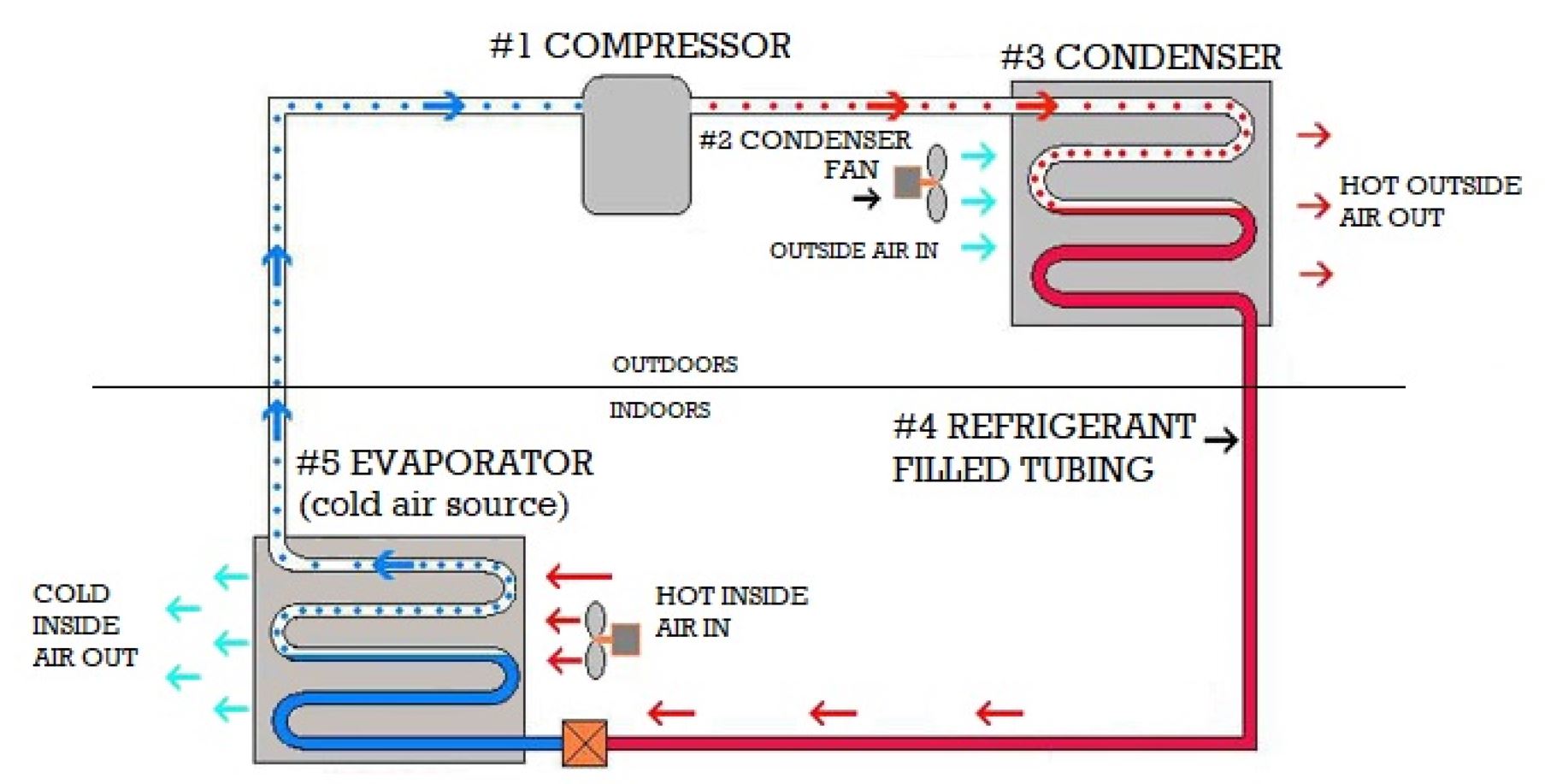
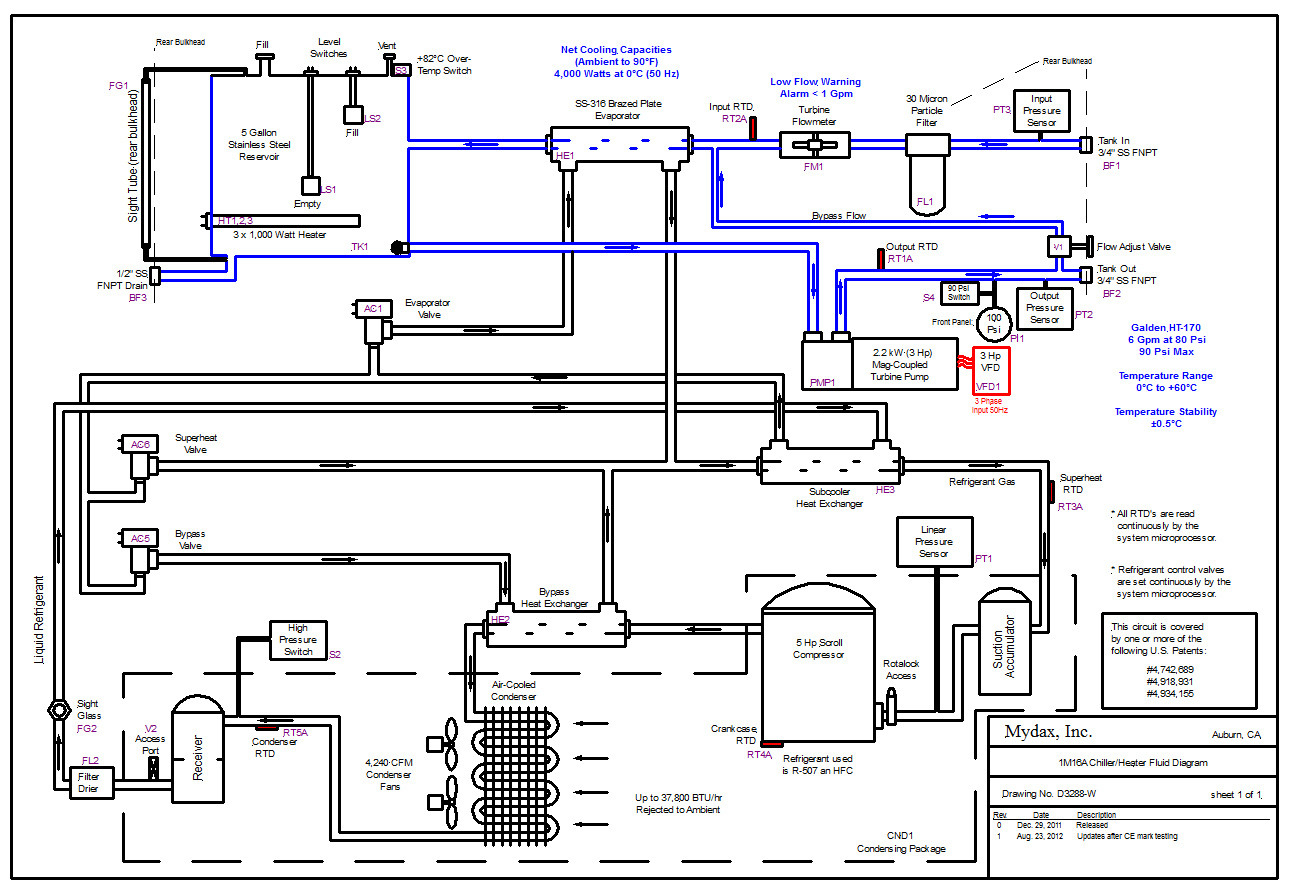
An air conditioning circuit is an electrical system designed to provide dedicated power, protection, and control signals to an HVAC unit. It encompasses the wiring, circuit breakers, disconnect switches, and internal control boards necessary to safely operate the compressor, blower motor, and outdoor fan while protecting the home's electrical panel from overcurrent conditions.
The Anatomy of an Air Conditioning Electrical System
To understand how an air conditioning circuit functions, one must distinguish between the high-voltage power circuit and the low-voltage control circuit. These two systems work in tandem to ensure that cooling is requested, initiated, and sustained safely.
The high-voltage circuit—typically 240 volts in residential systems—is the workhorse of the air conditioner. It carries the substantial current required to drive the compressor and the fan motors. This circuit originates at your home’s main service panel, where it is governed by a dedicated double-pole circuit breaker. From the panel, heavy-gauge wire (the sizing of which is determined by the National Electrical Code based on the unit’s specific amperage requirements) runs to a disconnect box located near the outdoor condenser unit. This disconnect allows technicians to kill power to the unit locally for repairs or seasonal maintenance.
The low-voltage control circuit, often operating at 24 volts, serves as the "brain" of the operation. This circuit links your thermostat to the air handler and the outdoor condenser. When the thermostat detects that the room temperature has risen above your set point, it completes this low-voltage circuit. This sends a signal to a contactor—a specialized electromagnetic switch—inside the outdoor unit. When the contactor receives the 24-volt signal, it pulls in, closing the high-voltage contacts and allowing electricity to flow to the compressor and fan.
Understanding Circuit Requirements and Safety Standards
The electrical demands of an air conditioning circuit are governed by strict safety standards, primarily the National Electrical Code (NEC). Because air conditioners are high-draw appliances with inductive loads—meaning they experience a significant "inrush" of current when starting—the electrical circuit must be designed to accommodate these spikes without tripping the breaker.
Circuit Sizing and Protection
The nameplate located on your outdoor condenser is the single most important document for determining your circuit’s requirements. It lists the "Minimum Circuit Ampacity" (MCA) and the "Maximum Overcurrent Protection" (MOP) or "Maximum Fuse Size."
- MCA: This figure tells the electrician the minimum wire gauge required to safely handle the continuous load of the machine. Using wire that is too thin will cause resistance, resulting in heat buildup and a potential fire hazard.
- MOP: This represents the largest circuit breaker size allowed to protect the unit. If you install a breaker larger than the MOP, the wiring might melt or catch fire before the breaker ever trips during a short circuit.
The Importance of Dedicated Circuits
An air conditioning circuit must be a "dedicated circuit." This means it cannot share power with lights, outlets, or other appliances. Sharing a circuit risks voltage drops that can cause the air conditioner’s motor to overheat or fail prematurely. Furthermore, if the air conditioner shares a circuit with another appliance, the combined load could easily exceed the capacity of the wiring, leading to frequent nuisance tripping of your circuit breaker.
Comparing Components in the AC Circuit
Modern residential AC systems rely on several key electrical components to ensure efficient operation. Understanding these parts helps when diagnosing potential failures.
| Component | Function | Failure Symptom |
|---|---|---|
| Circuit Breaker | Provides overcurrent protection at the panel. | Trips immediately upon startup. |
| Disconnect Box | Allows physical isolation of power for safety. | Burnt smell or visible corrosion/arcing. |
| Contactor | Electromagnetic switch controlled by the thermostat. | Humming sound but unit will not start. |
| Run Capacitor | Stores energy to give the motor a boost. | Fan hums but won't spin or won't start. |
| Thermostat Wire | Carries the 24V control signal. | No response to temperature changes. |
Diagnostic Steps for Common Circuit Issues
If your air conditioning unit fails to start, the issue is often related to the electrical circuit. Before calling a professional, ensure you have verified the basics, though you should avoid touching high-voltage connections unless you have appropriate electrical training and safety gear.
1. Checking the Breaker
If the unit is silent, walk to your main electrical panel. Look for a double-pole breaker (two switches tied together) that has moved to the "middle" or "off" position. If it is in the middle, it has tripped. Switch it all the way to the "off" position and then back to "on." If it trips again immediately, do not force it; this indicates a hard short in the system, and you must call a technician.
2. Inspecting the Disconnect
Check the local disconnect box near the outdoor unit. In some systems, this box contains a pull-out fuse block. If your unit uses fuses, these can burn out over time. If the fuses are old or you suspect a surge occurred, a technician can test them for continuity. Never replace a fuse with one of a higher amperage than specified on the label.
3. Listening for the Contactor
If you hear a distinct "click" when the thermostat calls for cool air, but the outdoor unit does not hum or start, the contactor may be engaged, but the high-voltage side may not be passing power. Conversely, if you hear a low humming sound from the compressor but the fan does not spin, the start or run capacitor may have failed.
Seasonal Maintenance and Protection
Preventative maintenance is the best way to ensure your air conditioning circuit remains reliable. By 2026, many smart thermostats and HVAC monitoring systems allow homeowners to track power usage patterns, which can act as an early warning system for electrical degradation.
- Tighten Connections: Over time, the vibration of the compressor causes terminal screws to loosen. Loose connections create resistance, which generates heat, causing further loosening and eventually melting the insulation. An annual inspection by a professional should include tightening every electrical connection in the disconnect box and the unit’s internal control cabinet.
- Keep the Unit Clear: Ensure the area around your outdoor condenser is free of debris, high grass, and foliage. Restricting airflow causes the compressor to work harder, drawing more current and putting unnecessary strain on the circuit.
- Surge Protection: Because modern air conditioners are filled with sensitive control boards and microprocessors, they are susceptible to voltage spikes from lightning or grid instability. Installing a whole-home surge protector or a unit-specific surge suppressor can significantly extend the lifespan of your system's electronics.
Limitations and Professional Advice
While understanding the basics of your air conditioning circuit is helpful for troubleshooting, it is critical to recognize the limitations of DIY intervention. Working with 240-volt systems poses a severe risk of electric shock and fire. In many jurisdictions, any modification to the branch circuit wiring requires a permit and must be performed by a licensed electrician.
If you suspect an issue with the wiring—such as flickering lights when the AC turns on, a burning smell near the unit, or frequent breaker trips—contact a licensed HVAC technician or electrician immediately. Do not attempt to bypass safety features like breakers or fuses, as these are in place to prevent catastrophic electrical fires.
Frequently Asked Questions
Why does my air conditioning circuit breaker trip during the hottest part of the day? When the temperature rises, your AC works harder to reach the thermostat set point. If the unit is dirty or the refrigerant charge is low, the compressor draws more "locked-rotor" or running amps than normal, potentially causing the circuit breaker to heat up and trip.
Can I upgrade my AC unit without changing the electrical circuit? Not always. Newer, high-efficiency models often have different amperage requirements than older units. Always compare the "Minimum Circuit Ampacity" of the new unit against your existing wire gauge and breaker size with a qualified electrician before installation.
What is the "humming" sound coming from my outdoor unit? This is often caused by a failed capacitor or a failing motor. The electrical circuit is providing power, but the component required to initiate or sustain motion is not functioning. This should be addressed quickly to prevent the motor from burning out entirely.
Is it safe to reset a circuit breaker that tripped? You can attempt to reset it once. However, if the breaker trips again immediately, there is an electrical fault that requires professional diagnosis. Repeatedly resetting a tripping breaker can cause permanent damage to the breaker panel or lead to an electrical fire.
Does a 24V thermostat wire affect the main power circuit? The 24V wire acts as the signal that tells the high-voltage system to turn on. While it does not carry enough power to cause an electrical fire, a short in the low-voltage wiring can prevent the contactor from engaging, effectively shutting down your cooling system.
Next Steps for Homeowners
To ensure your AC circuit is in top condition for the 2026 cooling season, verify your unit’s age and the condition of the outdoor disconnect box. If the disconnect box shows signs of rust or the internal wires appear brittle, schedule a maintenance visit with a certified HVAC professional. If you are planning an upgrade, ensure your electrical contractor reviews the system’s MCA and MOP ratings against your home’s existing panel capacity to avoid costly surprises mid-installation.