AIG variable life insurance functions as a permanent life insurance policy that combines a death benefit with an investment component, allowing policyholders to allocate cash value into sub-accounts similar to mutual funds. Unlike traditional whole life insurance, the cash value and death benefit may fluctuate based on the performance of the underlying market-linked investments.
The Fundamental Structure of Variable Life Insurance
At its core, a variable life insurance policy offered by companies like AIG is a hybrid product. It provides two distinct layers: the insurance protection layer, which guarantees a death benefit provided the premiums are paid and the policy remains in force, and the investment layer, which allows the policyholder to participate in market growth.
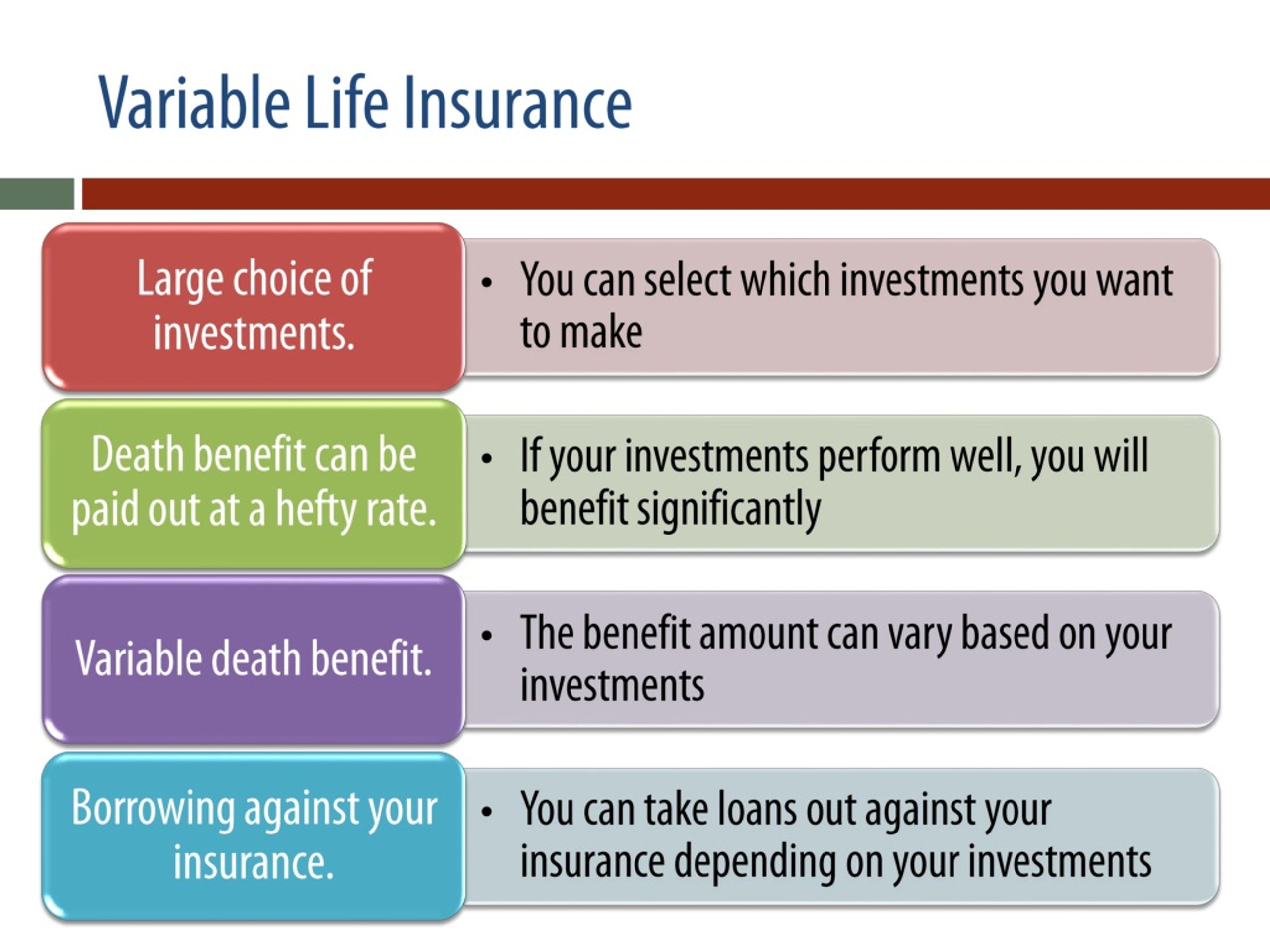
When you pay your premiums into a variable life insurance policy, a portion of that money—after the deduction of administrative fees, premium taxes, and the cost of insurance—is directed into the policy’s cash value account. In a variable product, this account is not fixed. Instead, the policyholder chooses from a menu of "sub-accounts." These sub-accounts are essentially portfolios invested in various asset classes, such as equities, bonds, and money market instruments.
The defining characteristic of this structure is the transfer of investment risk. In a fixed universal life policy, the insurance carrier bears the risk of interest rate fluctuations. In a variable life policy, you, the policyholder, bear the investment risk. If the sub-accounts perform well, your cash value can grow significantly, potentially increasing your death benefit. If the sub-accounts perform poorly, the cash value can decrease, and in extreme cases, the policy may require additional premium payments to maintain the death benefit.
How AIG Variable Life Insurance Differs from Other Policies
To understand how these policies fit into a financial plan, it is necessary to distinguish them from other permanent life insurance products.
- Whole Life Insurance: These policies provide a guaranteed, fixed death benefit and a cash value that grows at a predetermined, conservative interest rate set by the insurer. They offer stability but generally lack the growth potential of a variable product.
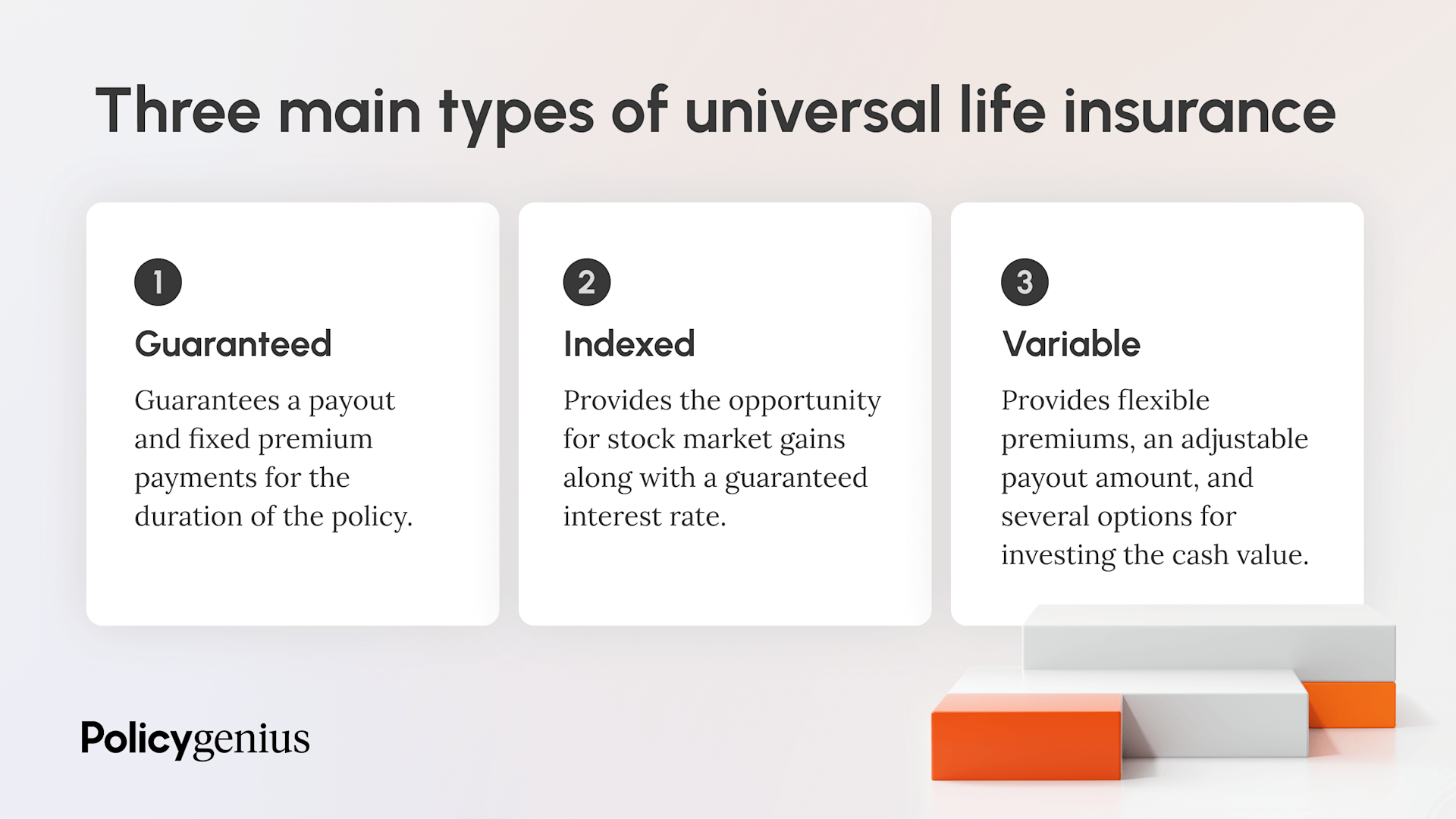
- Universal Life (UL) Insurance: UL policies provide flexible premiums and adjustable death benefits. The cash value growth is typically tied to a declared interest rate by the insurer, often with a minimum guaranteed floor.
- Variable Life Insurance: As noted, this allows for market-linked growth. It is fundamentally an equity-based product disguised as an insurance contract. Because it involves securities, these products are regulated by both state insurance departments and federal securities regulators, such as the Securities and Exchange Commission (SEC).
The Role of Sub-Accounts and Investment Allocation
The "variable" aspect refers entirely to the sub-accounts. When you purchase a policy, you receive a prospectus that details the available sub-accounts. These function much like the investment options in a 401(k) or 403(b) plan. You can allocate your premiums across different funds, which may cover aggressive growth, domestic and international stocks, sector-specific indices, or fixed-income portfolios.
It is your responsibility, often in consultation with a licensed financial advisor, to monitor these sub-accounts. You have the right to rebalance your holdings or shift funds between sub-accounts as your risk tolerance or economic outlook changes. Because this constitutes an investment activity, it is common for these policies to incur internal expenses, such as investment management fees, which are deducted from the assets within the sub-accounts.
Risks and Considerations for Policyholders
Variable life insurance is not a "set it and forget it" product. The primary risk is market volatility. If the stock market experiences a sustained downturn, the cash value in your sub-accounts could drop. If the cash value drops too low, the policy may become underfunded.
When a policy is underfunded, the internal costs of insurance—which increase as you age—are no longer covered by the cash value. This creates a "lapse risk." If you do not inject additional capital into the policy when the cash value is insufficient to cover the cost of insurance, the policy can lapse. If a policy lapses, you lose the death benefit and potentially trigger tax liabilities on any gains that had accrued within the policy.
Tax Implications and Benefits
One of the primary reasons individuals utilize variable life insurance is the tax-advantaged environment it provides. Within the policy, your investment gains are tax-deferred. You do not pay capital gains tax on the appreciation of assets within your sub-accounts, nor do you pay taxes on dividends or interest earned as long as that money remains inside the policy.
Furthermore, if the policy is held until death, the death benefit is generally paid to your beneficiaries income-tax-free. If you need liquidity during your lifetime, you can typically access your cash value through policy loans or withdrawals. However, it is vital to work with a tax professional, as excessive withdrawals or failing to manage loans correctly can result in a "taxable event," essentially undoing the tax benefits of the product.
Comparative Analysis of Permanent Life Insurance
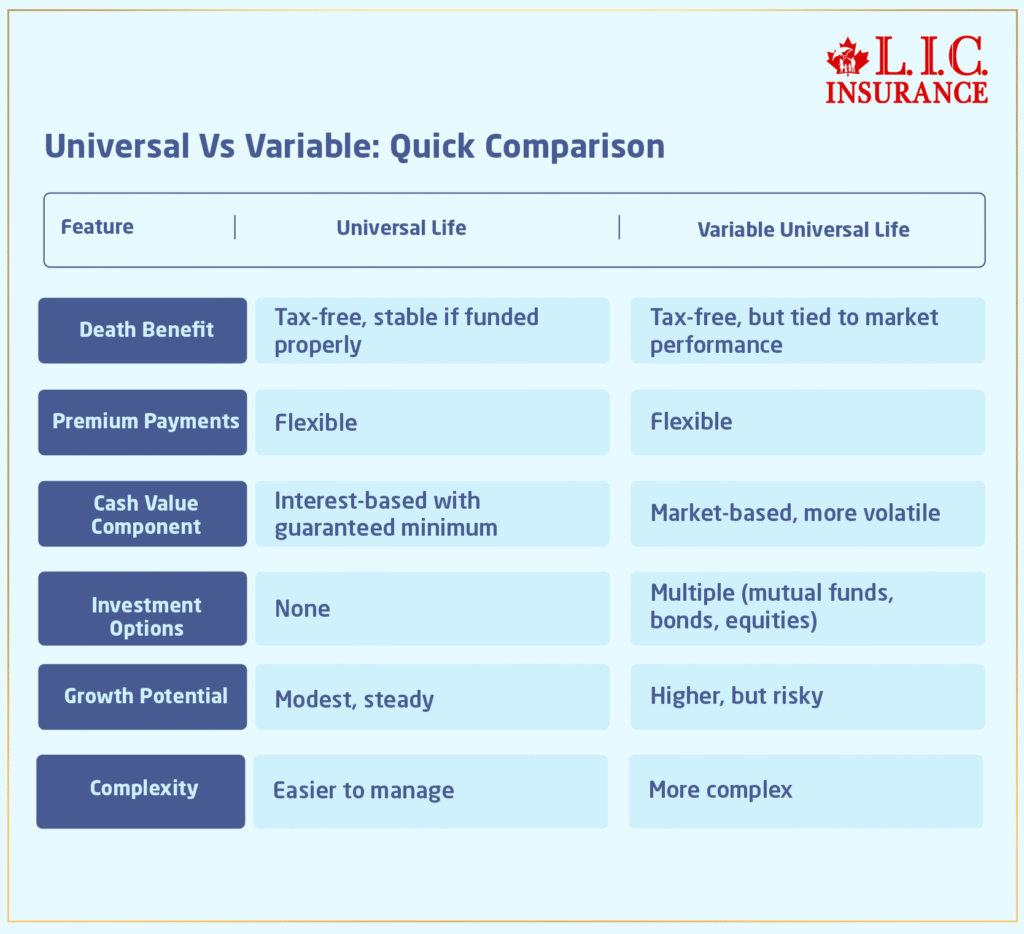
The following table outlines the key differences between variable life insurance and other common permanent insurance types.
| Feature | Whole Life | Universal Life | Variable Life |
|---|---|---|---|
| Investment Risk | Insurer | Insurer | Policyholder |
| Growth Potential | Fixed/Conservative | Tied to Index/Rates | Market-Linked |
| Premium Flexibility | Low/Fixed | High | Moderate/High |
| Regulatory Oversight | State Insurance | State Insurance | State & Federal (SEC) |
| Primary Goal | Guaranteed Protection | Flexible Coverage | Wealth Accumulation |
The Cost of Insurance and Fees
Because variable life insurance involves active management and security-based components, the cost structure is often more complex than other policies. You should review your annual statement for three types of deductions:
- Cost of Insurance (COI): This is the mortality charge, which increases as you get older.
- Administrative Fees: These are ongoing costs for managing the account, processing paperwork, and providing customer service.
- Investment Management Fees: These represent the cost of the underlying mutual fund-like sub-accounts within your policy.
Understanding these costs is essential. Because they are deducted from your cash value, a high-fee environment combined with poor market performance can erode the value of your policy rapidly.
Determining if Variable Life Insurance is Appropriate
Variable life insurance is typically considered by high-net-worth individuals or those who have already maximized contributions to qualified retirement accounts (like IRAs or 401(k)s) and are seeking an additional vehicle for tax-deferred growth. It is generally not suited for individuals looking for a low-risk, guaranteed safety net.
Before committing to a variable life policy, verify that:
- You have a long-term time horizon (15+ years).
- You have a moderate-to-high risk tolerance.
- You are prepared to actively monitor your sub-account performance.
- You have sufficient disposable income to cover potential premium increases during down markets.
Frequently Asked Questions
Can I lose money with AIG variable life insurance? Yes. Because your cash value is invested in sub-accounts tied to market performance, your cash value will fluctuate. If the sub-accounts perform poorly, the value of your policy can decline, which may require you to pay higher premiums to keep the policy active.
Is the death benefit in a variable policy guaranteed? Typically, no. While a minimum death benefit is often provided, maintaining it is contingent upon paying sufficient premiums and maintaining adequate cash value. If the market declines significantly and the cash value is insufficient to cover the monthly cost of insurance, the policy may lapse.
How do I manage my sub-accounts? Policyholders are provided with access to an online portal or a dedicated financial representative. Through these channels, you can review fund prospectuses, check historical performance, and perform reallocations between available sub-accounts to align with your personal risk profile.
Are there tax penalties if I take money out? If you withdraw more than the "basis" of your policy (the total premiums paid), the gains may be subject to income tax. Additionally, if the policy is classified as a Modified Endowment Contract (MEC) due to over-funding, withdrawals may be subject to income tax and potential IRS penalties.
Does a variable life insurance policy provide the same protection as whole life? While both provide a death benefit, they are different tools. Whole life is designed for certainty and conservative growth. Variable life is designed for flexibility and potential capital appreciation, requiring the owner to accept market volatility.
Next Steps for Policyholders
If you are evaluating an existing or prospective AIG variable life insurance policy, start by requesting a current in-force illustration. This document provides a projection of how your policy is likely to perform based on current assumptions. Pay close attention to the "guaranteed" versus "non-guaranteed" columns to understand the range of potential outcomes.
Consult with a licensed financial advisor who is dually licensed to discuss both the insurance and the investment aspects of the policy. Ensure that your asset allocation within the sub-accounts matches your overall investment strategy and that you have a plan to monitor the policy's health annually.