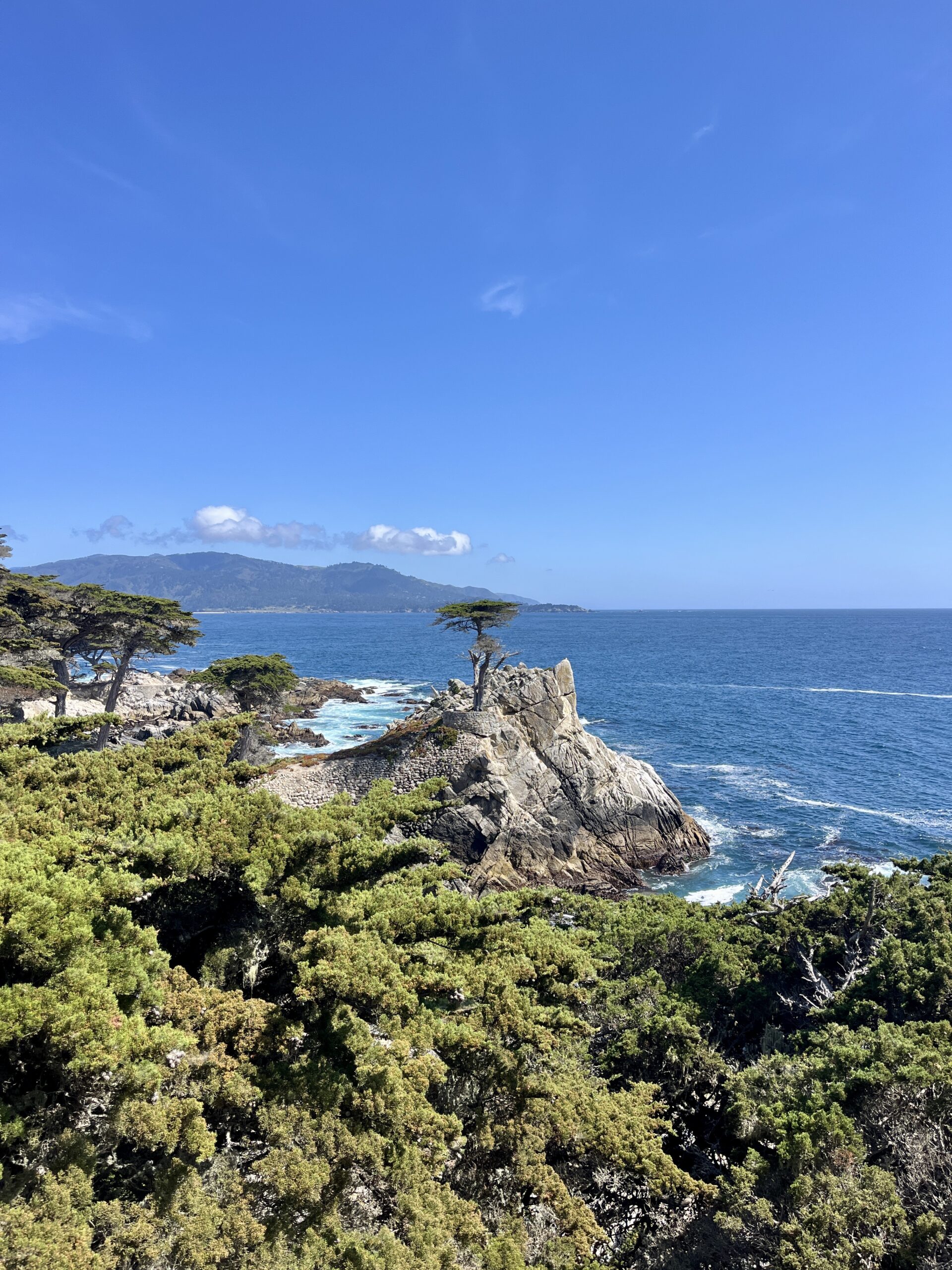
Adventures by the sea in Monterey encompass a wide array of coastal activities, from kayaking through the kelp forests of Monterey Bay and bicycling along the Monterey Bay Coastal Recreation Trail to whale watching, tide pooling, and exploring historic Cannery Row.
Introduction to the Monterey Coastline
The Monterey Peninsula offers some of the most dramatic and accessible marine environments on the Pacific coast of North America. Framed by the deep underwater canyon of Monterey Bay, the local waters teem with rich marine life, ranging from playful sea otters and harbor seals to migrating humpback whales and massive pods of Pacific white-sided dolphins. For visitors and outdoor enthusiasts, experiencing these waters requires navigating a unique landscape where rugged cliffs, protected marine sanctuaries, and historic seaside towns intersect.
Planning a coastal excursion in Monterey requires understanding local geography, seasonal weather patterns, environmental regulations, and safety protocols. Whether you are renting a kayak to paddle out from San Carlos Beach, booking a charter boat out of Old Fisherman's Wharf, or walking the paved coastal paths that stretch from Pacific Grove to Castroville, preparation ensures both personal safety and the preservation of this delicate coastal ecosystem. This guide details the essential activities, logistical requirements, safety considerations, and planning strategies needed to make the most of your seaside adventures in Monterey.
Major Coastal Activities and Excursions
The primary draw of Monterey's shoreline is its active marine environment. Choosing the right activity depends on your physical comfort level, time constraints, and specific wildlife-viewing goals.
Kayaking and Stand-Up Paddleboarding (SUP)
Paddling on Monterey Bay provides an intimate perspective of the marine sanctuary. The calm morning waters near Cannery Row and the Breakwater are ideal for beginners and intermediate paddlers.
- Wildlife Encounters: Paddlers frequently encounter southern sea otters resting in the kelp canopy, harbor seals surfacing nearby, and California sea lions hauled out on navigational buoys.
- Rental Infrastructure: Several local outfitters provide wetsuits, life jackets, and safety orientations. Note that launching from certain beaches requires carrying equipment across sand or navigating rocky entry points.
- Wind and Weather: Afternoon winds and swells frequently pick up in Monterey Bay, often creating challenging paddling conditions. Most rental shops require paddlers to stay within designated protected zones and return by early afternoon.
Whale Watching and Pelagic Boat Tours
Monterey Bay is renowned as a premier whale-watching destination globally, owing to the submarine canyon that brings deep-water nutrients close to the surface.
- Year-Round Sightings: Gray whales migrate along the coast from December through April, while humpback whales, blue whales, and various dolphin species feed in the bay during the spring, summer, and autumn months.
- Departure Points: Most commercial whale-watching vessels depart from Old Fisherman's Wharf in downtown Monterey. Tours typically last between three and four hours.
- What to Expect: Naturalists accompany most commercial trips to provide educational context. Passengers should dress in heavy layers, windbreakers, and non-slip footwear, as marine conditions can be cold and turbulent even on clear days.
Bicycling and Walking the Coastal Trail
For those who prefer dry land, the Monterey Bay Coastal Recreation Trail spans approximately 18 miles, following an old railroad right-of-way from Pacific Grove up to Castroville.
- Route Highlights: The paved trail offers uninterrupted ocean views, passing directly through Cannery Row, the Monterey Bay Aquarium, and running adjacent to coastal state beaches.
- Equipment Rentals: Numerous rental shops along Cannery Row and downtown Monterey offer standard bicycles, electric bikes (e-bikes), surreys, and walking gear.
- Trail Etiquette: The path is shared by pedestrians, joggers, skaters, and cyclists. Understanding local right-of-way rules and managing speed is essential, particularly near high-traffic tourist areas.
Comparison of Monterey Coastal Activities
| Activity Type | Physical Demand | Best Season | Primary Gear Needed | Key Safety Consideration |
|---|---|---|---|---|
| Kayaking | Moderate to High | Year-round (Mornings) | Wetsuit, PFD, paddle, kayak | Afternoon wind shifts and cold water shock |
| Whale Watching | Low | Year-round | Warm layers, binoculars, motion sickness medication | Open ocean motion and changing weather |
| Bicycling | Low to Moderate | Year-round | Helmet, rented bicycle or e-bike | Shared trail congestion and pedestrian right-of-way |
| Tide Pooling | Low | Winter Low Tides | Sturdy footwear, tide table chart | Slipper rocks and sneaker waves |
Environmental Regulations and Wildlife Protection
Because much of the Monterey coastline falls within the Monterey Bay National Marine Sanctuary and various state marine protected areas (MPAs), human activity is strictly regulated to protect marine habitats.
Federal and State Protections
The Marine Mammal Protection Act (MMPA) makes it illegal to harass, feed, capture, or kill any marine mammal. This includes maintaining a legal distance from sea otters, seals, sea lions, and whales.
- Viewing Distances: Federal guidelines generally require staying at least 100 yards (the length of three football fields) away from whales and maintaining a respectful distance from resting seals and otters on shore.
- Protected Areas: Certain zones, such as the Asilomar State Marine Reserve, prohibit the taking of any marine life, including fish, invertebrates, and kelp. Visitors exploring tide pools must practice "look, don't touch" ethics where permitted, or avoid sensitive flora and fauna entirely.
Leave No Trace Principles
The high volume of annual visitors to Monterey puts significant stress on coastal dunes and marine habitats.
- Trash and Plastics: Single-use plastics pose a severe hazard to marine birds and mammals. Visitors must pack out all trash and utilize recycling receptacles.
- Dune Restoration: Walking off-path on coastal dunes damages fragile native plants like beach abutilon and iceplant eradication zones. Always stay on designated boardwalks and paths.
Practical Planning: Logistics, Costs, and Seasonal Timing
A successful coastal trip to Monterey requires careful logistical planning regarding parking, weather variability, and financial budgeting.
Understanding Monterey Weather Patterns
Monterey features a Mediterranean climate, but the coastal microclimate is heavily influenced by the cold California Current.
- The "June Gloom" Phenomenon: Late spring and early summer often bring dense morning fog and overcast skies that may burn off by midday or persist all day.
- Layering Strategy: Temperatures rarely spike into uncomfortable heatwaves along the immediate coast, but brisk ocean breezes make windproof jackets and hats mandatory gear year-round.
Financial Considerations and Pricing
Costs for adventures by the sea vary widely depending on the chosen activity and season.
- Rentals: Kayak and paddleboard rentals generally range from $40 to $80 for a single or double vessel for a two-hour block. Bicycle rentals typically range from $20 to $45 per hour or $75+ for a full-day e-bike rental.
- Excursions: Commercial whale-watching tours average between $60 and $100 per adult ticket, with discounted rates for children. Advance booking is strongly recommended during peak summer months and major holiday weekends.
- Parking: Municipal parking lots and garages near Cannery Row and Fisherman's Wharf charge hourly rates, typically ranging from $1.50 to $2.50 per hour, with daily maximums. Free street parking can be found further uphill in residential zones, though spaces are limited.
Frequently Asked Questions
Do I need prior kayaking experience to paddle in Monterey Bay?
No prior experience is required to rent a kayak and paddle in the protected areas of Monterey Bay, such as the Breakwater cove. Outfitters provide a mandatory safety briefing, instruction on basic paddling strokes, and proper fitting for life jackets and wetsuits before you launch.
What is the best time of year to see whales in Monterey?
While gray whales migrate past the coast from December through April, humpback whales and various dolphin species are commonly sighted from spring through autumn. Whale watching is viable year-round, but specific wildlife peaks depend on seasonal feeding patterns and water temperatures.
Are wetsuits required for water activities in Monterey?
Yes. The water temperature in Monterey Bay remains cold year-round, typically ranging between 50°F and 58°F (10°C to 14°C). Anyone participating in water-based activities like kayaking, paddleboarding, or surfing should wear a wetsuit to prevent hypothermia in the event of a capsize.
Can I fly a drone along the Monterey coastline?
Drone usage is heavily restricted or outright prohibited across many parts of the Monterey coastline, including state parks, beaches, and within the Monterey Bay National Marine Sanctuary where low-flying aircraft can disturb marine mammals and nesting seabirds. Always verify local municipal ordinances and FAA regulations before launching a drone.
Where is the best place to park for accessing Cannery Row and the coastal trail?
Several paid public parking structures are located directly off Cannery Row and near Old Fisherman's Wharf. Arriving early in the morning is the most effective way to secure a spot close to the waterfront during peak weekend and summer travel periods.
Final Recommendations for Your Visit
To ensure a memorable and safe adventure by the sea in Monterey, prioritize morning excursions when wind conditions are calmest and wildlife activity is often at its peak. Always check local marine forecasts and tide tables before heading out onto the water or exploring coastal tide pools. Respect wildlife viewing boundaries, support local conservation efforts by practicing Leave No Trace principles, and dress in versatile layers to comfortably adapt to the shifting microclimates of the Central Coast.