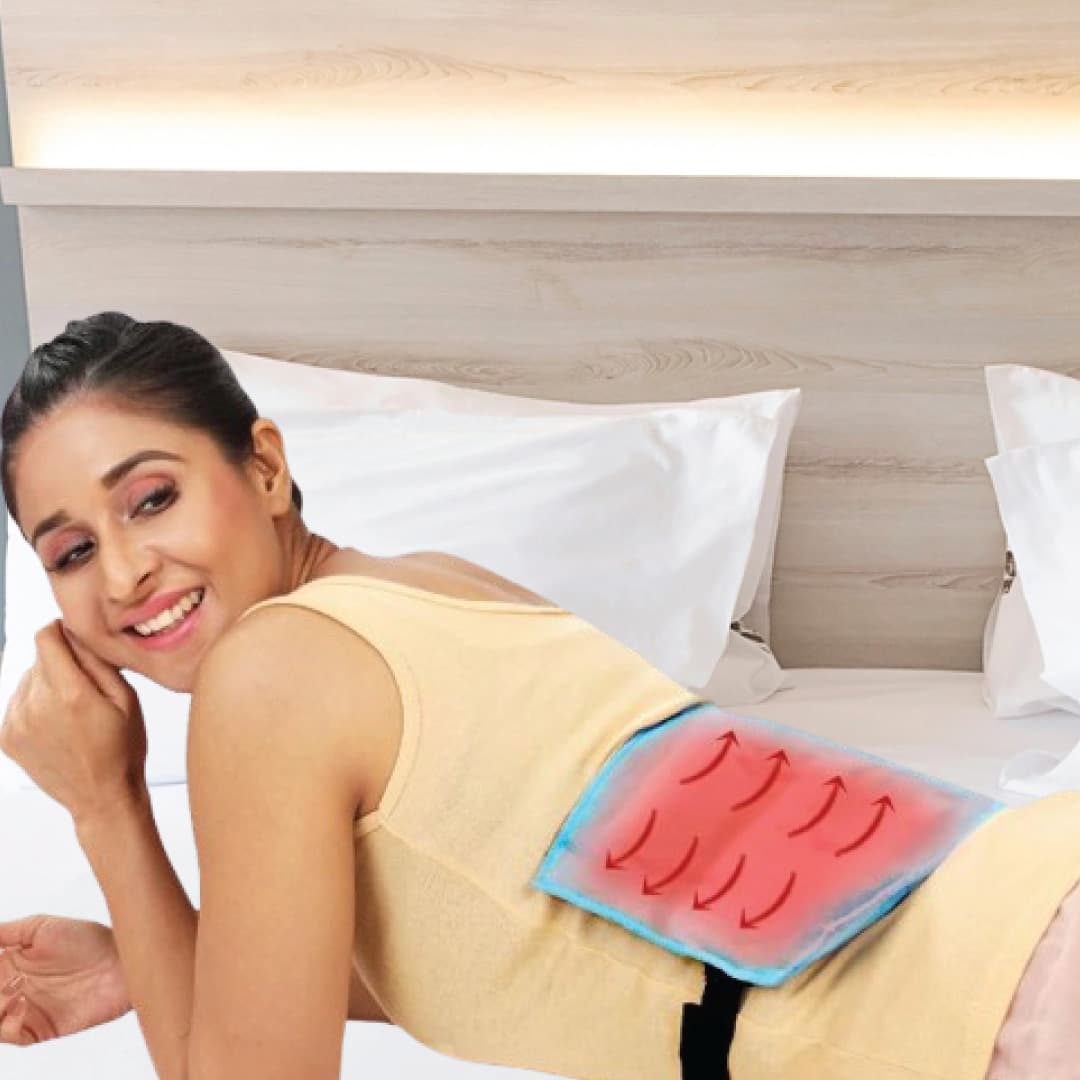
Feeling "addicted" to a heating pad often describes a psychological or physical reliance on the soothing, localized warmth provided by the device to manage chronic pain, muscle stiffness, or sensory comfort. While not a clinical addiction in the pharmacological sense, this behavioral pattern can lead to skin damage, sleep disruptions, and an avoidance of addressing the underlying causes of persistent discomfort.
Defining the Reliance on Heat Therapy
For many individuals, a heating pad serves as a primary tool for self-managing musculoskeletal discomfort. When you find yourself reaching for the device multiple times a day or unable to sleep without it, you have moved from intermittent use to a state of habitual reliance. This is frequently driven by the Gate Control Theory of pain, which suggests that the heat-induced sensations of warmth help "close the gate" on pain signals before they reach the brain.
However, when this reliance becomes a daily requirement, it may mask progressive conditions that require professional medical intervention. Understanding why you feel the need for constant heat is the first step toward regaining control over your pain management routine.
The Mechanism of Thermal Comfort and Psychological Conditioning
The sensation of heat provides immediate physiological relief by increasing blood flow to the affected area, which helps relax tightened muscles and reduces the buildup of metabolic waste products. Beyond the physical, the warmth provides a soothing sensory experience that triggers the release of endorphins. Over time, the brain begins to associate the specific tactile sensation of the heating pad with relief and safety.
This conditioning is difficult to break because the relief is both fast and predictable. If you have been using a heating pad for months or years, the habit becomes a part of your autonomic routine—much like a ritual. Breaking this cycle requires more than just willpower; it involves replacing the mechanism of relief with alternative physical therapy techniques or addressing the structural issues causing the pain.
Risks Associated with Prolonged Heating Pad Use
While generally considered a safe, non-invasive therapeutic tool, the chronic use of heating pads carries specific risks that users often overlook. These risks are cumulative and can result in permanent physiological changes if not managed properly.
Erythema Ab Igne (Toasted Skin Syndrome)
One of the most documented risks of chronic heating pad use is erythema ab igne. This condition is a localized, net-like pigmentation of the skin caused by chronic exposure to moderate heat that is not hot enough to cause an acute burn but persistent enough to damage the skin’s structural integrity. Over time, the area may become hyperpigmented, leather-like, or even undergo skin atrophy. In rare instances, chronic lesions have been associated with a risk of squamous cell carcinoma, necessitating long-term dermatological monitoring.
Sensory Desensitization
Persistent exposure to external heat sources can desensitize your skin to thermal stimuli. When your skin becomes accustomed to high temperatures, you may unknowingly increase the settings on your device to achieve the same sensation of relief. This creates a dangerous feedback loop where the risk of actual thermal burns increases significantly because your ability to detect when the device is "too hot" has been compromised.
Sleep Disruptions and Thermoregulation
Using a heating pad while sleeping can interfere with the body's natural circadian rhythm. Optimal sleep requires a slight drop in core body temperature. When you introduce a constant heat source to your core or extremities, your body may struggle to regulate its internal temperature, leading to fragmented sleep or night sweats. Many modern heating pads feature auto-shutoff timers, but if you rely on the pad to fall asleep, you may wake up in discomfort the moment the device turns off, creating a cycle of restless sleep.
Comparing Methods of Pain Management
| Method | Mechanism | Risk Level | Primary Benefit |
|---|---|---|---|
| Electric Heating Pad | Conductive heat | Moderate (burns, skin damage) | Ease of access, consistent heat |
| Physical Therapy | Mechanical correction | Low | Long-term structural resolution |
| Topical Analgesics | Chemical stimulation | Low (dermatitis risk) | Targeted relief without heat |
| Hot Water Bottle | Conductive water heat | Low (leaks/scalds) | No electromagnetic field exposure |
| TENS Units | Electrical nerve stim | Low | Disrupts pain signaling paths |
Transitioning Away from Reliance
If you are concerned about your level of dependence, consider a systematic approach to weaning off the device. This process should be gradual and, if possible, supervised by a physical therapist or primary care physician.
1. Audit Your Usage
Document how often, for how long, and at what temperature you use your heating pad. Keeping a log for one week provides objective data that can help you identify triggers. Are you using it because of genuine pain, or is it a reflexive action during periods of stress?
2. Introduce Alternating Therapies
Attempt to replace one heating pad session per day with an alternative method. For muscle stiffness, cold therapy (ice packs) can reduce inflammation, which is often the true cause of the pain that the heat is temporarily masking. Alternatively, light stretching or gentle yoga can address the muscle tightness at the source rather than just soothing the symptoms.
3. Optimize Ergonomics
Often, the need for a heating pad is secondary to poor posture at work or home. Review your workspace ergonomics. If you suffer from chronic lower back pain, ensure your chair provides adequate lumbar support. If the reliance is neck-based, consider the position of your monitors and devices to reduce "text neck" and repetitive strain.
4. Consult a Professional
If you have used a heating pad daily for an extended period, it is advisable to see a doctor to rule out underlying issues like osteoarthritis, nerve entrapment, or inflammatory conditions. Mention your "addiction" to the provider; they can offer targeted exercises, prescription anti-inflammatories, or physical therapy referrals that offer more permanent solutions than a heating pad.
Common Questions About Heating Pad Use
Can I become medically addicted to a heating pad? No, you cannot be physiologically addicted to a heating pad as you would be to a substance. The "addiction" is a behavioral habit reinforced by the positive feedback of immediate pain relief.
Is it safe to sleep with a heating pad on? It is generally discouraged. Sleeping with a heating pad increases the risk of low-temperature burns. If you must use one to fall asleep, use a device with a reliable, certified auto-shutoff function set to 30 minutes or less.
How can I tell if my skin is damaged? Look for persistent, lacy, red-to-brown discoloration in the areas where you apply the heat. If you notice texture changes or the area feels numb, stop using the heating pad immediately and consult a dermatologist.
What is the best alternative to a heating pad? The "best" alternative depends on the cause of your pain. Physical therapy remains the gold standard, as it addresses the mechanical imbalance. However, topical menthol-based creams or TENS (Transcutaneous Electrical Nerve Stimulation) units provide sensory alternatives that do not carry the risk of thermal skin damage.
Why does my pain return as soon as I stop using the pad? This indicates that the heating pad is acting as a "band-aid." The heat provides temporary relief, but it does not fix the underlying structural or inflammatory issue. When the heat is removed, the muscles return to their previously stressed state, and the pain signaling resumes.
Next Steps for Sustainable Relief
If you find that you cannot comfortably function without a heating pad, your next logical step is to schedule a consultation with a musculoskeletal specialist or a physical therapist. Do not attempt to "quit cold turkey" if the pain is severe; instead, focus on incremental reduction. Start by reducing the heat intensity by one setting or decreasing the duration of each session by five minutes. Simultaneously, integrate gentle strengthening exercises into your daily routine. By shifting your reliance from an external, passive device to your own improved movement patterns, you can effectively move past the cycle of dependency and address the root cause of your discomfort.