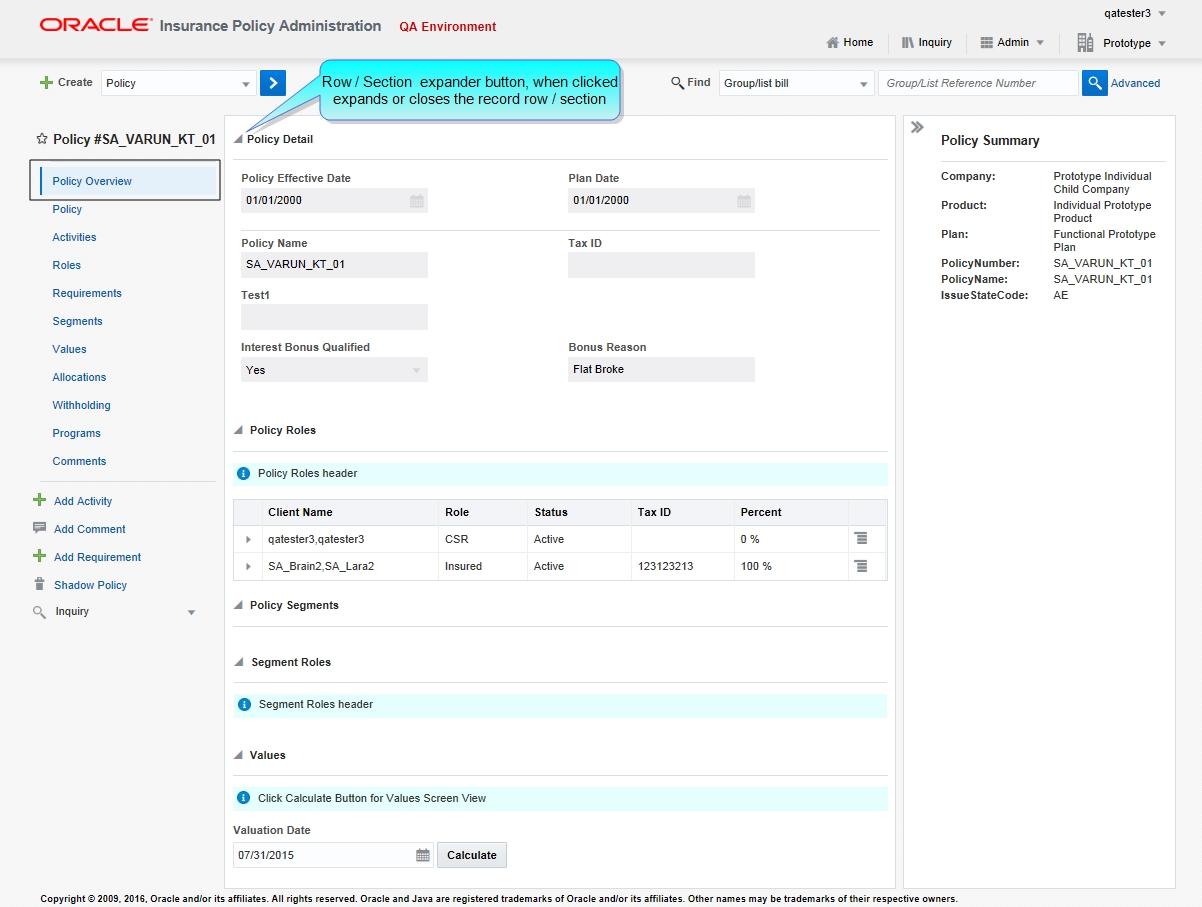
An Accidental Death and Dismemberment (AD&D) policy is a specialized insurance contract that pays a lump-sum benefit if the insured individual dies or suffers specific severe physical injuries—such as the loss of a limb, sight, speech, or hearing—strictly due to a covered accident. It serves as a low-cost supplement to, but not a replacement for, standard life insurance.
Navigating AD&D Insurance Policies
Accidental Death and Dismemberment (AD&D) insurance operates as a highly specific financial safety net designed to protect individuals and their families against sudden, catastrophic bodily injury or tragic fatality caused solely by accidental means. While many working adults encounter AD&D coverage during workplace open enrollment periods, the precise mechanics, limitations, and claim rules of these policies are frequently misunderstood.
Unlike comprehensive life insurance, which pays out upon death from almost any cause, an AD&D policy triggers benefits only under strict, contractually defined circumstances involving physical trauma. Understanding how these policies are structured, what events they cover, and where their boundaries lie is essential for building a resilient financial plan.
Disclaimer: This guide is provided for educational purposes only and does not constitute formal legal, tax, or financial advice. Policy provisions, state regulations, and policy terms vary by insurance carrier and jurisdiction. Consult a licensed insurance professional or legal advisor to address specific individual circumstances.
What Is an AD&D Insurance Policy?
An AD&D policy is an insurance agreement in which an insurer agrees to pay a predefined financial sum—known as the principal sum—if an insured person suffers accidental death or a qualifying traumatic injury. AD&D coverage exists in three primary formats:
- Employer-Sponsored Group AD&D: Often offered by employers as part of a fringe benefit package. Employers may provide a basic level of coverage at no cost to the employee, with the option for employees to purchase supplemental voluntary AD&D coverage through payroll deduction.
- Life Insurance Riders: AD&D protection can be attached as a supplemental clause (rider) to a standard term or permanent life insurance policy. When added as a rider, it often provides double indemnity—doubling the policy’s face value payout if death results from an accident.
- Standalone Individual Policies: Purchased directly by individuals from commercial insurance carriers, mutual companies, or financial institutions, often to supplement existing coverage or protect individuals in higher-risk personal environments.
The Principal Sum and Schedule of Losses
The foundation of any AD&D policy is its principal sum, which represents the maximum payout available under the policy. If the insured dies in a covered accident, the beneficiary receives 100% of the principal sum.
If the insured survives an accident but sustains severe, permanent injuries, the policy pays a fraction or the entirety of the principal sum according to a mandatory document called the Schedule of Losses (or Schedule of Benefits).
What AD&D Insurance Covers
To qualify for a payout, an injury or death must be the direct result of a sudden, external, violent, and accidental event that occurs independently of all other causes. Insurance contracts explicitly separate covered losses into death benefits and dismemberment or loss-of-function benefits.
- Accidental Event Occurs
- Accidental Death
- 100% Principal Sum Payout to Beneficiary
- Covered Injury / Loss
- Percentage Payout (Based on Benefit Schedule)
- Accidental Death
Covered Accidental Death Events
Accidental death benefits apply when an insured person dies from physical injuries caused by an unexpected crash or incident. Common examples of covered fatal events include:
- Motor vehicle collisions, pedestrian strikes, and public transit accidents.
- Severe falls from heights, equipment collapses, or structural failures.
- Accidental drowning or suffocation.
- Exposure to severe elements due to unexpected travel incidents.
- Heavy machinery or industrial workplace accidents.
Most policies stipulate that death must occur within a specified timeframe following the accident—typically 90 to 365 days—to ensure a direct causal relationship between the physical event and the fatality.
Covered Dismemberment and Loss of Function
When an accident leads to severe physical impairment rather than death, AD&D policies disburse partial or full principal sums based on the loss tier. Covered losses generally include:
- Loss of Limbs: Physical severance at or above the wrist or ankle joints.
- Loss of Sight: Total, permanent, and uncorrectable loss of vision in one or both eyes.
- Loss of Speech or Hearing: Complete and irreversible loss of the ability to speak or hear in both ears.
- Paralysis: Permanent total loss of voluntary muscle control, such as quadriplegia, paraplegia, or hemiplegia.
Typical AD&D Benefit Schedule
Payout percentages are standardized within policy contracts, though specific percentages can vary by carrier. Below is a representative schedule outlining typical benefit tiers:
| Covered Loss Event | Percentage of Principal Sum Paid |
|---|---|
| Accidental Loss of Life | 100% |
| Loss of Two Limbs (hands or feet) | 100% |
| Loss of Sight in Both Eyes | 100% |
| Quadriplegia (complete paralysis of four limbs) | 100% |
| Loss of Speech AND Hearing in Both Ears | 100% |
| Loss of One Limb AND Sight in One Eye | 100% |
| Loss of One Limb (hand or foot) | 50% |
| Loss of Sight in One Eye | 50% |
| Loss of Speech OR Hearing in Both Ears | 50% |
| Paraplegia (paralysis of lower body) | 50% |
| Loss of Thumb and Index Finger (same hand) | 25% |
Key Exclusions: What AD&D Policies Do Not Cover
The most critical aspect of an AD&D policy overview is understanding its exclusions. AD&D policies are narrow financial products designed exclusively for unexpected external physical trauma; they do not function as comprehensive health, disability, or life insurance.
1. Illness and Natural Causes
AD&D insurance will not pay out if a loss is caused directly or indirectly by medical conditions, age, or physical illness. Non-covered causes include:
- Heart attacks, strokes, or cardiac arrest (even if experienced while driving a vehicle).
- Cancer, organ failure, or systemic infections.
- Physical or mental illness, degenerative bone diseases, or surgical complications.
- Death or injury resulting from natural biological aging processes.
2. High-Risk Activities and Hazardous Occupations
Policies frequently exclude injuries sustained while participating in activities deemed extra-hazardous unless an explicit rider is added. Standard exclusions include:
- Skydiving, paragliding, bungee jumping, scuba diving, or auto racing.
- Flying in non-commercial aircraft (such as private piloting or experimental aviation).
- Active military service, acts of war, insurrection, or riot participation.
- Hazardous occupational tasks operating outside standard group policy declarations.
3. Intoxication, Substance Use, and Illegal Acts
Insurers conduct thorough investigations prior to disbursing payouts. Benefits are routinely denied under the following circumstances:
- The insured was driving while under the influence of alcohol or non-prescribed controlled substances above legal limits.
- The loss resulted from self-inflicted injuries, attempted suicide, or intentional self-harm.
- The injury occurred during the commission of, or attempt to commit, a felony or criminal act.
AD&D Insurance vs. Standard Term Life Insurance
Many individuals confuse AD&D insurance with standard term life insurance. While both provide financial protection to beneficiaries upon an individual's death, their scope and eligibility criteria differ substantially.
- Total Death Claim Causes
- Illness / Disease (Cancer, Heart)
- Covered by Term Life Insurance
- Natural Causes (Old Age)
- Covered by Term Life Insurance
- Accidents / Traumatic (Crash, Fall, Drowning)
- Covered by Term Life Insurance
- Covered by AD&D Policy
- Illness / Disease (Cancer, Heart)
Scope of Coverage
A standard term life insurance policy covers death from almost any cause—including illness, natural aging, medical complications, and accidents—after the initial contestability period (typically two years). In contrast, an AD&D policy covers only accidental death and severe dismemberment events, leaving natural causes and illnesses completely unmanaged.
Medical Underwriting and Cost
- Term Life Insurance: Requires medical underwriting, which may include health questionnaires, medical record reviews, or blood samples. Rates depend heavily on age, health history, and smoking status.
- AD&D Insurance: Typically requires no medical underwriting. Approval is often guaranteed for eligible group members, and premiums are remarkably low because the probability of qualifying for an accidental payout is mathematically much lower than overall mortality risk.
Policy Comparison Overview
| Feature / Dimension | AD&D Insurance Policy | Standard Term Life Insurance |
|---|---|---|
| Primary Purpose | Catastrophic accident payout | Family income replacement upon death |
| Death from Natural Causes | Not Covered | Covered |
| Death from Cancer/Illness | Not Covered | Covered |
| Dismemberment / Loss of Sight | Covered (Percentage of Principal Sum) | Not Covered (Unless separate disability rider added) |
| Medical Underwriting Required | No (Guaranteed issue common) | Yes (Medical exam or health questions) |
| Relative Cost / Premiums | Very Low ($5 – $20 / month for $100k) | Moderate to High (Varies by age/health) |
| Primary Beneficiary Target | Family or Insured (for living dismemberment) | Nominated Beneficiary / Heirs |
How Benefit Payouts Work: Claims and Verification
Executing an AD&D claim requires adherence to strict contractual timelines and documentary standards. Because AD&D policies contain specific exclusions regarding pre-existing health conditions, claims undergo intense scrutiny by carrier adjusters.
- Incident Occurs
- Gather Documentation (Death Certificate, Autopsy, Police Report, Medical Logs)
- Claim Submission (Submit within 20–90 days of loss)
- Carrier Evaluation (Verify trauma vs. underlying medical causes)
- Approved Payout (Lump-Sum Check)
- Claim Denial (Right to Appeal)
Filing an AD&D Claim: Step-by-Step Requirements
- Immediate Notification: Report the loss to the insurance carrier within the required timeframe (typically within 20 to 90 days following the accident).
- Official Documentation: Submit official documentation establishing the accidental cause of loss. Required documents include:
- Certified copy of the official Death Certificate (noting cause and manner of death).
- Complete autopsy reports and toxicology screens (if applicable).
- Official police, emergency response (EMS), or workplace accident reports.
- Comprehensive attending physician statements detailing physical dismemberment or vision/hearing loss.
- Review and Investigation: The insurer verifies that pre-existing medical conditions did not contribute directly to the event. For instance, if an individual suffers a severe stroke while driving and subsequently crashes, the insurer may investigate whether the medical event (stroke) was the primary cause of death rather than the physical impact.
- Disbursement: Once approved, benefits are paid out as a tax-free lump sum directly to the designated beneficiary (in the case of death) or to the insured individual (in the case of dismemberment or loss of function).
Evaluating Cost and Value: Is an AD&D Policy Worth It?
Because AD&D insurance provides limited scope, it should be evaluated as a supplemental safety net rather than a primary foundation for financial planning.
When AD&D Makes Sense
- High-Risk Occupations: Individuals working in heavy construction, logistics, manufacturing, or field operations where accidental injury risks are elevated.
- Young Adults with Limited Budgets: Individuals who cannot currently afford full term life insurance premiums but desire a basic level of financial protection for accidental catastrophes.
- Supplemental Workplace Benefit: Maximizing free or low-cost employer-provided group coverage during open enrollment.
- Complement to Term Life: Adding an inexpensive AD&D rider to an existing term policy to boost total payout limits during active working years.
Limitations to Keep in Mind
Relying solely on an AD&D policy leaves significant gaps in personal protection. According to public health data from the Centers for Disease Control and Prevention (CDC) and insurance industry statistics, the vast majority of annual deaths result from heart disease, cancer, respiratory illnesses, and stroke—none of which are covered by AD&D policies.
Relying on AD&D as a substitute for standard life insurance leaves family members vulnerable if death occurs due to an illness.
Common Mistakes to Avoid
When incorporating an AD&D policy into a broader risk-management strategy, policyholders frequently make several critical mistakes:
- Treating AD&D as Full Life Insurance: Assuming that an AD&D policy will cover all forms of death, leaving dependents un-benefited if death occurs from natural causes or disease.
- Failing to Update Beneficiaries: Neglecting to review beneficiary designations after major life events such as marriage, divorce, or the birth of a child.
- Ignoring Policy Timelines: Missing mandatory policy windows for filing claims or failing to note that death must occur within a specific window (e.g., 90 or 180 days) post-accident.
- Overlooking Alcohol and Drug Exclusions: Assuming coverage applies in motor vehicle accidents where toxicology reports show legal impairment or non-prescribed substance use.
Frequently Asked Questions
Is an AD&D payout taxable to the beneficiary?
In general, lump-sum death benefit payouts from an AD&D policy are tax-exempt for federal income tax purposes under Internal Revenue Code Section 101(a). However, any interest accrued on the death benefit between the date of death and the date of final payout is taxable as ordinary income. Consult a tax professional regarding state-specific tax implications.
Can I have multiple AD&D policies at the same time?
Yes. You can hold multiple AD&D policies—such as a group plan through an employer, an individual commercial policy, and an AD&D rider on a life insurance policy. If a covered accident occurs, each policy will pay out its full valid benefit independently, as AD&D benefits are not reduced by secondary policy presence.
What happens to my employer-sponsored AD&D policy if I change jobs?
Most group AD&D policies are non-portable, meaning coverage terminates automatically when your employment ends. However, some employer group plans offer a conversion option that allows departing employees to convert their group coverage into an individual policy within 31 days of separation, typically without undergoing medical underwriting.
Does AD&D pay if an accident results in temporary disability?
No. Standard AD&D policies pay only for permanent loss—such as complete loss of a limb, permanent total blindness, or permanent paralysis. Temporary injuries, broken bones, or short-term medical leaves are covered under short-term disability (STD) or health insurance, not AD&D insurance.
Strategic Next Steps for Policyholders
To maximize the protection provided by an AD&D policy and ensure seamless integration with your overall financial plan, consider taking the following actions:
- Audit Existing Workplace Benefits: Review your current employer benefit portal to see if basic AD&D is already provided at no cost, and assess whether purchasing voluntary supplemental tiers fits your risk profile.
- Review Policy Exclusions and Schedules: Carefully examine the certificate of coverage for specific exclusions, timeline limits (such as the 90-day post-accident death clause), and the dismemberment payout percentage table.
- Pair AD&D with Core Life and Disability Coverage: Ensure your primary financial security relies on traditional term life insurance and disability income insurance, treating AD&D strictly as a low-cost secondary booster.
- Confirm Beneficiary Designations: Ensure primary and contingent beneficiaries are correctly named with updated contact details on file with the insurance carrier.