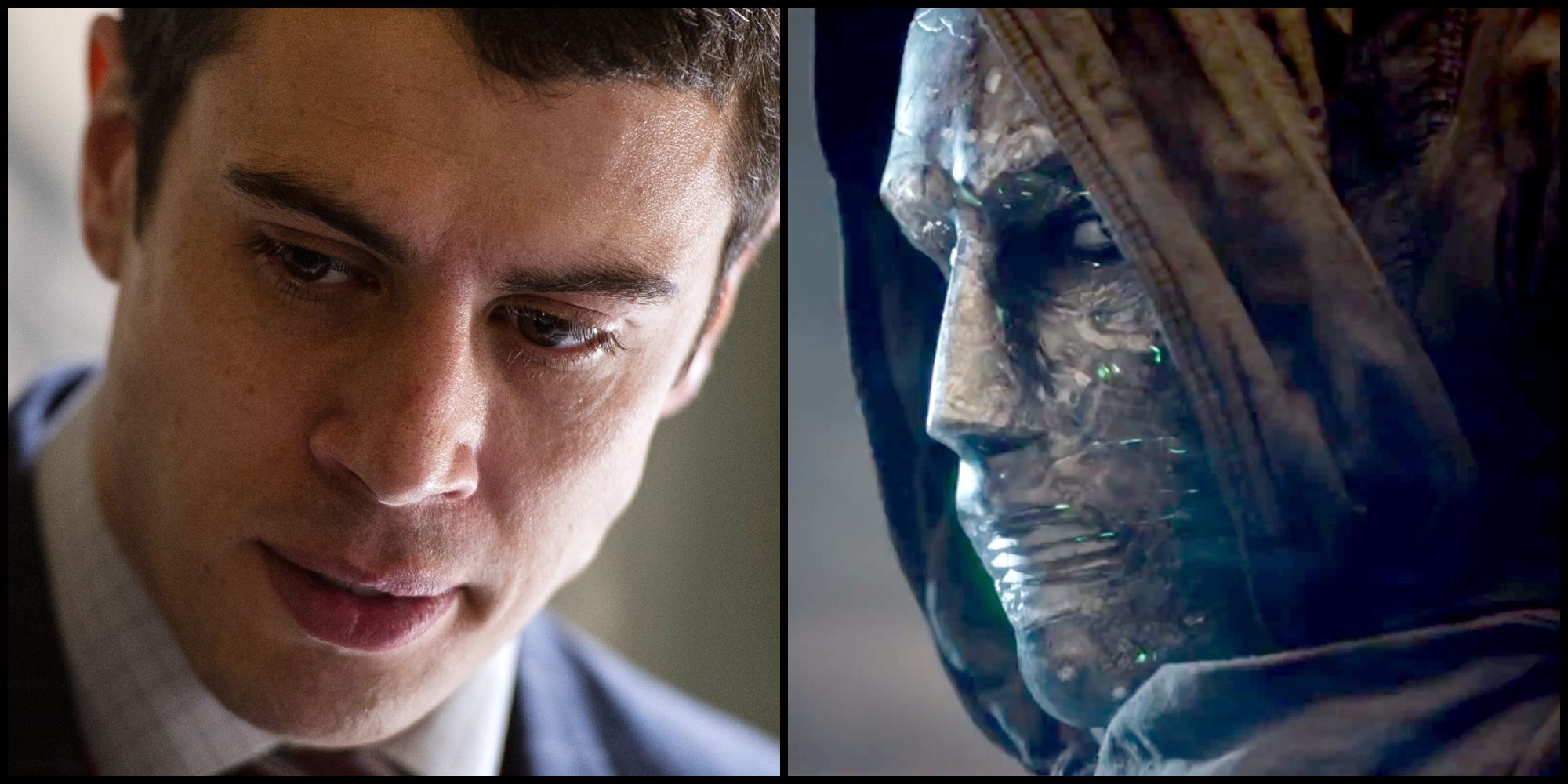
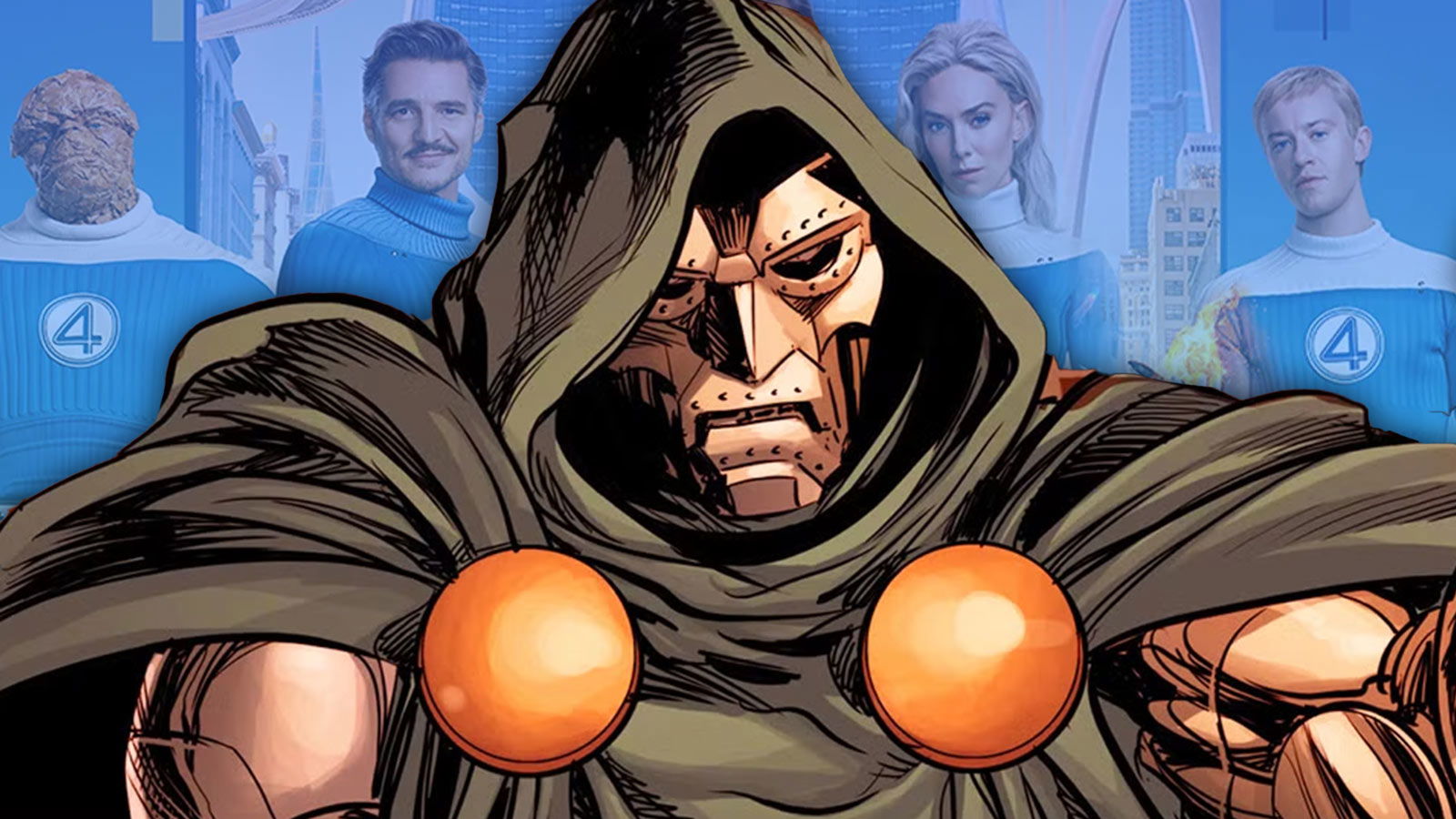
Multiple actors have brought the iconic Marvel Comics villain Doctor Doom to life across various cinematic adaptations of the Fantastic Four, most notably Julian McMahon in the 2005 and 2007 films and Toby Kebbell in the 2015 reboot, each offering a distinct interpretation of the character's origin and motivations.
Introduction to the Cinematic History of Doctor Doom
Doctor Doom, universally recognized as Victor von Doom, stands as one of the most complex, formidable, and enduring antagonists in the Marvel Comics universe. Since his creation by Stan Lee and Jack Kirby in 1962, the monarch of Latveria has transitioned from panel pages to the silver screen multiple times alongside Marvel's First Family, the Fantastic Four.
Understanding who played Doctor Doom requires examining the various film iterations produced over the decades. As intellectual property rights shifted and Hollywood production philosophies evolved, studios cast different performers to anchor the character. While some portrayals leaned into the theatrical megalomania of the comic books, others attempted grounded, contemporary technological reinterpretations. This guide explores every major cinematic actor who portrayed Doctor Doom, the context of their performances, the production backgrounds of their respective films, and how each adaptation shaped the legacy of the infamous comic book villain.
Julian McMahon: The 2005 and 2007 20th Century Fox Era
The most commercially prominent live-action portrayal of Doctor Doom in a released feature film belongs to Australian actor Julian McMahon. McMahon took on the mantle of Victor von Doom in 2005's Fantastic Four and reprised the role in the 2007 sequel, Fantastic Four: Rise of the Silver Surfer, both directed by Tim Story for 20th Century Fox.
Casting Background and Character Conception
At the time of his casting, Julian McMahon was widely known for his television work on acclaimed series such as Nip/Tuck and Charmed. The creative team behind the 2005 film sought an actor who could project aristocratic arrogance, suave charm, and underlying menace without relying entirely on traditional villainous tropes.
In this continuity, Victor von Doom is not initially a foreign monarch ruling an Eastern European nation from the shadows. Instead, he is introduced as a wealthy, arrogant corporate CEO and physicist who funds the unauthorized space mission that grants the Fantastic Four their powers. Exposure to cosmic energy alters his cellular structure, transforming his living tissue into organic metal and inspiring his descent into villainy.
Performance and Reception in the Franchise
McMahon's portrayal emphasized a slick, corporate-boardroom malice that gradually devolved into outright megalomania once his physical transformation took hold. In the first film, his version of Doctor Doom secures his signature metal mask and green cloak during the third act, setting up a physical confrontation with Reed Richards, Sue Storm, Johnny Storm, and Ben Grimm.
In Fantastic Four: Rise of the Silver Surfer, McMahon returned even after his character's apparent death in the first installment. The narrative resurrected Victor von Doom after the Silver Surfer's cosmic wake passes through his resting place in Latveria. While both films received mixed reviews from professional critics, McMahon's performance remains a distinct touchstone for 2000s comic book cinema, balancing campy superhero action with early-2000s action-thriller aesthetics.
Toby Kebbell: The 2015 Reboot
A decade after the launch of the 2005 franchise, 20th Century Fox opted for a gritty, contemporary reboot of the property directed by Josh Trank. For this iteration, English actor Toby Kebbell was cast as Victor Domashev, a modified version of Victor von Doom.
A Modernized, Gritty Interpretation
The 2015 Fantastic Four film significantly overhauled the character's backstory to match a more science-fiction-heavy, atmospheric tone. In this version, Victor is introduced not as a billionaire CEO, but as a brilliant, anti-social computer programmer and cynical researcher working alongside Reed Richards at the Baxter Building.
Rather than gaining powers simply from a space storm, Victor becomes stranded on "Planet Zero," an alternate dimension. The harsh environment corrupts his spacesuit and fuses his body with the alien terrain, transforming him into an exceptionally powerful, telekinetic, and visually grotesque entity upon his return to Earth.
Production Troubles and Critical Fallout
The production of the 2015 film was famously troubled, marked by extensive studio interference, last-minute reshoots, and a heavily altered third act. Consequently, Toby Kebbell's screen time as the fully realized Doctor Doom was limited, and the character's motivations shifted dramatically during post-production.
While Kebbell expressed enthusiasm for the role and defended the darker ambitions of the project, the film was a critical and commercial failure. Fans and critics alike criticized the departure from the classic comic book persona, particularly the change to his civilian surname and his isolationist hacker persona. Despite the film's poor reception, Kebbell's performance remains a notable example of an ambitious studio attempt to subvert traditional comic book villain archetypes.
Early Unreleased Adaptations: The 1994 Roger Corman Film
Before Doctor Doom reached mainstream cinematic audiences with multi-million dollar budgets, an earlier adaptation was produced in secret by independent producer Roger Corman in 1994, directed by Oley Sassone.
Joseph Culp as Doctor Doom
In this low-budget production, American actor Joseph Culp portrayed Victor von Doom. The film closely adhered to classic comic book lore regarding his origins, featuring a flashback to a university experiment gone wrong in Latveria that leaves Victor scarred, leading to the creation of his iconic metallic mask.
The Mystery of the 1994 Film
The 1994 Fantastic Four film was never officially released in theaters or on home video. Constantin Film, the German production company that held the rights, commissioned the project primarily to retain ownership of the intellectual property rather than to launch a commercial franchise. Although prints of the movie leaked into underground trading circles and documentary filmmakers later explored its creation in Doomed! The Untold Story of Roger Corman's The Fantastic Four, Joseph Culp's performance as Doctor Doom remains a cult curiosity known only to dedicated comic book historians.
Comparative Overview of Cinematic Doctor Doom Portrayals
To understand the evolution of the character on screen, it is helpful to compare the primary live-action interpretations across production eras, civilian names, and origin stories.
| Actor | Film Title | Release Year | Civilian Name | Origin Adaptation |
|---|---|---|---|---|
| Joseph Culp | Fantastic Four (Unreleased) | 1994 | Victor von Doom | Traditional university lab accident resulting in facial scarring. |
| Julian McMahon | Fantastic Four | 2005 | Victor von Doom | Corporate physicist altered by cosmic rays in space. |
| Julian McMahon | Fantastic Four: Rise of the Silver Surfer | 2007 | Victor von Doom | Resurrected by cosmic energy wake in Latveria. |
| Toby Kebbell | Fantastic Four | 2015 | Victor Domashev (Doom) | Alien planetary environment corruption on Planet Zero. |
Future Cinematic Prospects in the Marvel Cinematic Universe
As the cinematic rights to the Fantastic Four returned to Marvel Studios following The Walt Disney Company's acquisition of 21st Century Fox, fans and industry analysts have closely monitored developments regarding future iterations of the character within the interconnected Marvel Cinematic Universe (MCU).
Marvel Studios announced grand plans for the property, signaling that Doctor Doom will play a central role in upcoming crossover event films. Major casting announcements and character introductions continue to shape how the legendary villain will be integrated into the established continuity alongside Earth's mightiest heroes.
Frequently Asked Questions
Who was the first actor to play Doctor Doom in a feature film?
The first actor to portray Doctor Doom in a feature film production was Joseph Culp in the unreleased 1994 Fantastic Four movie produced by Roger Corman. However, because that film never received an official theatrical or commercial release, Julian McMahon is widely recognized by mainstream audiences as the first actor to bring the role to commercial cinemas in 2005.
Did Julian McMahon wear a real metal mask during filming?
For the 2005 and 2007 films, Julian McMahon wore a combination of physical prop masks and computer-generated imagery. The practical masks were crafted from lightweight materials to allow for comfortable stunt work and dialogue delivery, while post-production visual effects added the metallic sheen and organic fusing textures required for the character's transformation.
Why was Victor von Doom's name changed in the 2015 reboot?
In the 2015 Fantastic Four film, the character's civilian surname was altered from von Doom to Domashev, and he was introduced as an anti-social blogger and coder. The creative team attempted to modernize the character to reflect contemporary anxieties regarding the internet, hacking, and isolated digital subcultures, though this decision received significant backlash from traditional fans.
Will Doctor Doom appear in future Marvel Cinematic Universe films?
Yes, Marvel Studios has formally incorporated the Fantastic Four and Doctor Doom into the broader MCU narrative roadmap, setting up major theatrical appearances for the character in upcoming crossover projects helmed by Marvel Studios leadership.
Conclusion and Next Actions
Tracing the cinematic lineage of Doctor Doom reveals a fascinating evolution from low-budget independent obscurity to big-budget studio tentpoles, with actors like Joseph Culp, Julian McMahon, and Toby Kebbell each defining an era of the character's history. For viewers interested in exploring these performances further, watching the 2005 adaptation provides the standard mainstream baseline, while examining documentary features on the 1994 unreleased film offers a unique look at independent comic book filmmaking history.