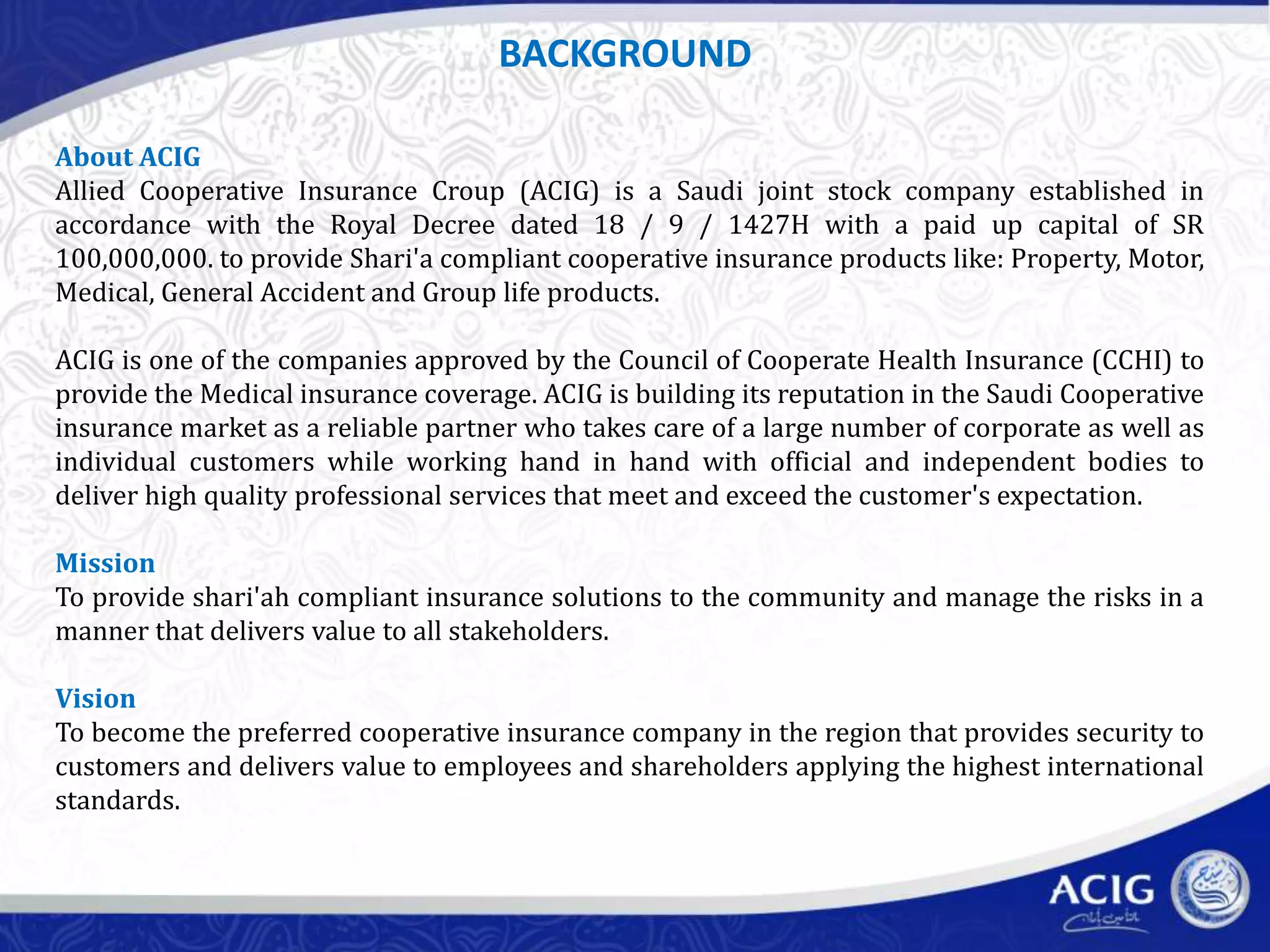
Associated General Contractors Insurance Group (ACIG) functions as a specialized insurance provider and risk management resource, primarily catering to the construction industry. The organization operates on a member-owned model, focusing on high-hazard risk assessment, captive insurance structures, and sophisticated loss prevention strategies designed to reduce the total cost of risk for large-scale construction contractors.
The Foundation and Structure of ACIG
ACIG was established with a singular focus: addressing the unique and often volatile insurance needs of the construction sector. Unlike traditional commercial insurance carriers that operate on a profit-centric model for external shareholders, ACIG utilizes an alternative risk transfer mechanism. By operating as a member-owned entity, it allows contractors to retain more control over their insurance programs, align their coverage with their actual risk profiles, and benefit from long-term loss performance.
The organization serves as more than a mere provider of policies; it functions as a risk management consulting partner. Its members—often large, high-performing construction firms—participate in a collaborative environment where industry best practices are shared to drive down the overall frequency and severity of claims. This structure is intended to stabilize premiums over time, protecting members from the cyclical volatility typically associated with the standard commercial insurance market.
Core Services and Risk Management Framework
The primary value proposition of ACIG lies in its ability to offer tailor-made coverage solutions that standard market carriers may deem too complex or risky. Their service architecture is built on three central pillars: proactive safety, claims management, and financial alignment.
Proactive Loss Prevention
Safety in construction is not a static requirement but a dynamic process. ACIG provides its members with comprehensive resources to assess site-specific hazards. This includes rigorous job-site audits, training modules for high-risk activities (such as crane operations, heavy equipment usage, and working at heights), and the implementation of standardized safety protocols. By identifying potential failure points before they result in a loss, the firm helps its members prevent accidents that would otherwise lead to massive payouts and increased premiums.
Strategic Claims Management
When a loss does occur, the management of the claim is critical. ACIG employs specialized claims handling procedures that prioritize the containment of costs while ensuring fair treatment of all parties. This involves sophisticated data tracking that helps members identify patterns in their incidents, allowing management to make informed decisions about site supervision and equipment safety.
Captive Insurance and Alternative Risk Transfer
For many large contractors, the standard insurance market represents a "one-size-fits-all" approach that fails to reward superior safety performance. ACIG utilizes captive insurance programs, which allow contractors to "self-insure" a portion of their risk. By keeping the underwriting profit and investment income within the group, members can manage their insurance as a profit center rather than just a mandatory operational expense.
Operational Comparison: ACIG vs. Traditional Market
To understand why a contractor might choose a specialized group like ACIG over a standard insurance carrier, one must look at how the financial and operational mechanics differ.
| Feature | ACIG (Member-Owned) | Traditional Insurance Market |
|---|---|---|
| Ownership | Member-owned (Contractors) | Publicly traded or private investors |
| Primary Incentive | Long-term cost reduction/safety | Short-term profit margins |
| Risk Profile | Highly specialized (Construction) | Broad market (General/Variable) |
| Profit Distribution | Retained by members/dividends | Retained by shareholders |
| Premium Stability | Focused on loss history control | Subject to market cycles/inflation |
Eligibility and Member Participation
Participation in ACIG is not universal; it is generally restricted to contractors who meet stringent financial and safety benchmarks. Because the group relies on the risk performance of its collective members, there is a strong incentive to maintain a "safety-first" culture.
Prospective members are usually required to undergo an exhaustive vetting process. This assessment examines:
- Historical Loss Records: A high frequency of claims or poor incident history often precludes membership.
- Financial Solvency: Firms must demonstrate the financial stability to support their obligations within a captive structure.
- Safety Culture: Evidence of institutionalized safety programs and dedicated safety personnel is typically mandatory.
- Project Scope: The company must have an operational focus that aligns with the expertise of existing members.
Navigating Coverage Limitations and Legal Considerations
While ACIG provides robust protection, it is essential to recognize that as an alternative risk program, its operations are subject to specific regulatory oversight and contractual limitations. These are not standard consumer policies; they are complex financial contracts.
Potential members and current policyholders should note that:
- Liability Boundaries: Coverage is limited to the specific terms defined in the membership agreement and captive bylaws. It is not an unlimited indemnity.
- Jurisdictional Compliance: Because insurance is heavily regulated at the state level, ACIG must ensure that all its programs comply with the specific statutes of the jurisdictions in which their members operate.
- Professional Advice Requirement: Due to the complexity of captive insurance and alternative risk transfers, it is strongly recommended that organizations consult with independent legal counsel and risk management accountants before finalizing any membership commitment. This article is for informational purposes only and does not constitute financial, legal, or professional insurance advice.
Common Challenges for Members
Even with a sophisticated safety framework, members face operational challenges. One of the most common is the burden of administrative participation. Unlike a standard policy where a business pays a premium and handles little else, ACIG members are expected to contribute to the group’s safety knowledge pool. This requires time, personnel, and a high level of transparency.
Additionally, if the construction industry experiences a downturn, the financial alignment of the group can be tested. Members must be prepared for the financial responsibilities that accompany ownership in a risk-sharing group, including the potential for assessment if loss ratios exceed projections.
Frequently Asked Questions
1. Is ACIG a traditional insurance company? No. ACIG operates as a member-owned organization focused on alternative risk transfer and captive insurance. It is designed specifically for the construction industry, focusing on pooling risks among high-performing contractors rather than traditional underwriting for the general public.
2. What type of contractor benefits most from ACIG? Large-scale contractors who possess a mature safety culture and a high degree of control over their job-site risks benefit most. Firms that are dissatisfied with standard market pricing—which may be penalized by the general industry’s loss trends—often find better value in the specialized model.
3. Does ACIG offer property insurance? ACIG’s primary focus is on liability and workers' compensation risks inherent in construction. While they manage a range of exposures for their members, their expertise is heavily weighted toward high-hazard casualty and professional liability risks.
4. How does joining ACIG affect my premium costs? Instead of paying a fixed market premium that may include high administrative fees and profit margins for a commercial carrier, members pay for their expected losses and the costs of the program. Over the long term, if a member maintains a superior safety record, they often see lower overall costs compared to traditional insurance.
5. Are there specific safety certifications required for membership? While there may not be one single certificate required, ACIG conducts thorough audits of safety protocols. Candidates should be prepared to provide documentation on OSHA compliance, internal training records, and incident investigation methodologies.
Next Steps for Interested Contractors
If your organization is considering exploring alternative risk solutions through an organization like ACIG, the first step is to conduct an internal risk audit. Evaluate your company's historical loss runs—specifically, look at the frequency and severity of claims over the last five years. Determine whether your organization is prepared for the transparency and collaborative safety requirements that come with a member-owned model.
Consult with your internal financial team to understand the implications of captive structures on your balance sheet. Finally, engage with industry peers or professional risk management consultants to discuss how your specific project portfolio aligns with the requirements of specialized construction insurance groups.