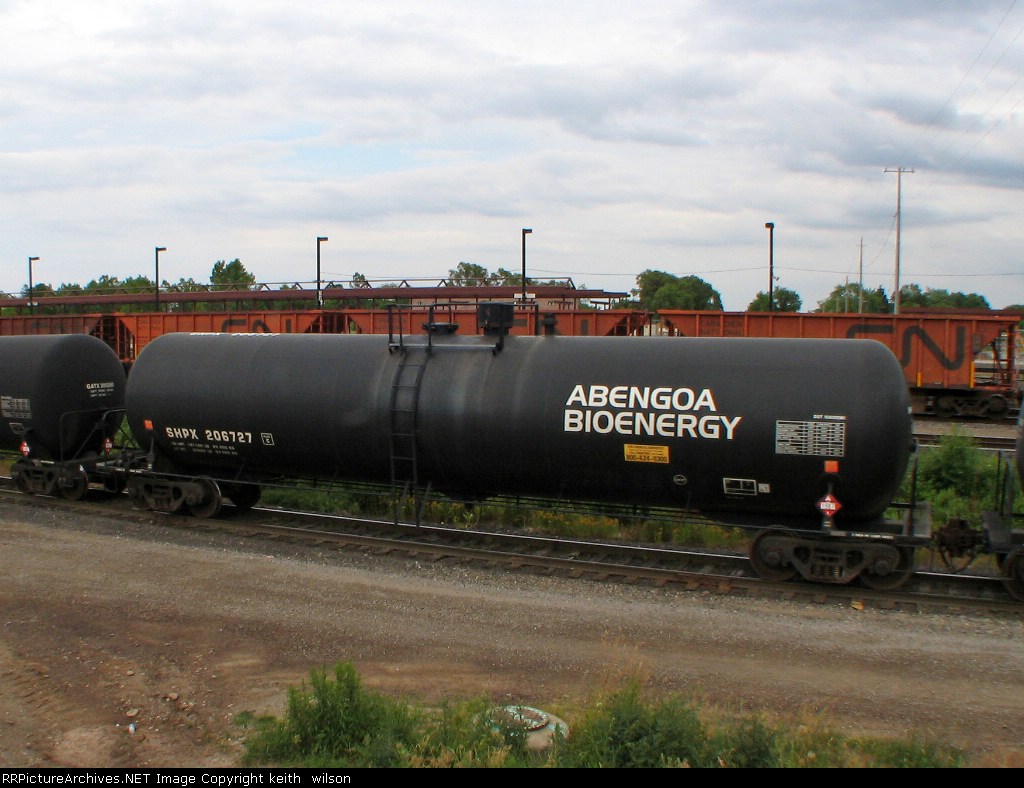
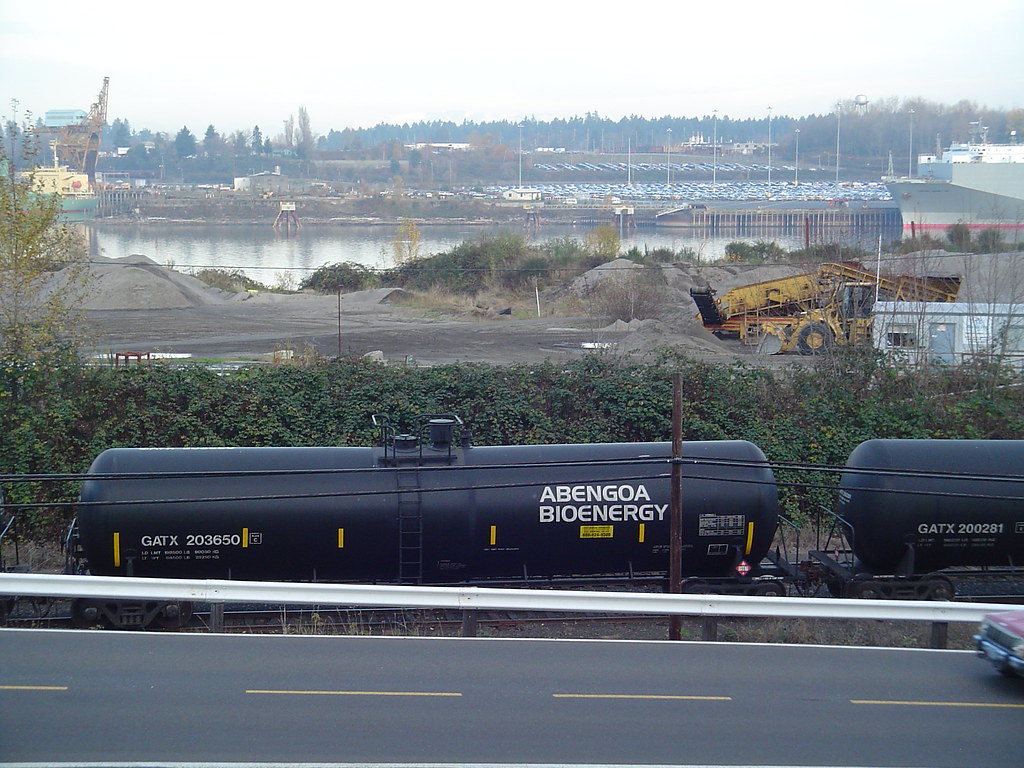
The unveiling of Abengoa Bioenergy’s commercial-scale cellulosic ethanol facility in 2014 was a defining milestone for the global renewable energy sector, signaling the transition from food-based fuels to advanced biomass conversion. Although the original corporate entity underwent massive restructuring, the technology and assets unveiled during its peak remain foundational to the 2026 sustainable aviation fuel (SAF) and advanced biofuel markets.
The Hugoton Milestone: A Historical Paradigm Shift
In October 2014, the renewable energy world focused on Hugoton, Kansas. This was the moment Abengoa Bioenergy unveiled its flagship second-generation (2G) ethanol plant. At the time, it was one of the first facilities in the world capable of producing cellulosic ethanol at a commercial scale. The "unveiling" was more than just a ribbon-cutting; it was a proof of concept for an industry that had struggled for decades to move beyond corn-starch ethanol.
The Hugoton plant was designed to produce up to 25 million gallons of cellulosic ethanol annually. Unlike traditional refineries, this facility utilized agricultural waste—specifically corn stover, wheat straw, and switchgrass—as its primary feedstock. By using non-edible plant material, Abengoa addressed the "food vs. fuel" debate that had plagued the first generation of biofuels. The unveiling represented a $500 million investment and a significant partnership with the U.S. Department of Energy (DOE), which provided substantial loan guarantees to foster domestic energy independence.
Technical Depth: How Abengoa Unveiled 2G Ethanol
To understand the significance of the technology Abengoa unveiled, one must look at the biochemical complexity of enzymatic hydrolysis. Traditional 1G ethanol is produced by fermenting the sugars found in corn kernels or sugarcane. 2G ethanol, however, requires breaking down the tough, fibrous parts of the plant: cellulose and hemicellulose.
The Conversion Process
The process unveiled at Hugoton involved three primary stages:
- Pre-treatment: The biomass was subjected to high temperatures and pressures to break the lignin seal, making the cellulose accessible.
- Enzymatic Hydrolysis: Abengoa utilized a proprietary cocktail of enzymes to "cut" the long chains of cellulose into simple fermentable sugars (glucose and xylose).
- Fermentation and Distillation: These sugars were then fermented using specialized yeast strains and distilled into high-purity ethanol.
A critical component of the unveiling was the integrated biomass cogeneration plant. This allowed the facility to generate its own electricity and steam by burning the residual lignin—the "glue" that holds plants together—making the entire process nearly carbon-neutral. In 2026, this "circular" approach to energy production is considered the gold standard for industrial sustainability.
Global Footprint and Strategic Asset Distribution
While the Hugoton unveiling was the most publicized event, Abengoa Bioenergy’s reach extended across the globe. The company operated a diverse portfolio of assets that showcased its dominance in both 1G and 2G technologies before the parent company’s financial crisis led to their divestment.
Key Facilities and Their Original Roles
- Rotterdam, Netherlands: One of Europe's largest ethanol plants, focusing on 1G production but serving as a logistical hub for the transition to advanced biofuels.
- Lacq, France: A facility specializing in the conversion of corn into ethanol and high-protein animal feed (DDGS), highlighting the co-product value stream.
- York, Nebraska: A primary 1G site in the United States that served as a testing ground for integrated technologies.
- Salamanca, Spain: A research and development powerhouse where much of the enzymatic technology unveiled in the U.S. was originally piloted.
By 2026, many of these assets have been absorbed by other energy giants or restructured into independent entities. For example, the Rotterdam assets were acquired by companies like Bio-MCN, while North American assets saw interest from players like ZeaChem and Seaboard Energy. The "unveiling" of these plants under new management has often involved retrofitting them for Sustainable Aviation Fuel (SAF) production, which has higher profit margins in the current regulatory environment.
The Financial Collapse and Restructuring Path
The story of Abengoa Bioenergy is inseparable from the financial turmoil of its parent company, Abengoa S.A. Despite the technical success of the Hugoton unveiling, the company was burdened by massive debt—exceeding $10 billion globally. The capital-intensive nature of building 2G refineries, combined with a period of low oil prices in the mid-2010s, created a "perfect storm" that led to a filing for creditor protection.
The restructuring process was one of the most complex in Spanish corporate history. For the bioenergy division, this meant a strategic sell-off. The Hugoton plant, once the crown jewel of the unveiling, was eventually sold in a bankruptcy auction. However, the intellectual property (IP) regarding the enzymes and the conversion process remains a highly valued asset in the 2026 market, as companies seek to meet the Renewable Fuel Standard (RFS) and the EU’s RED III mandates.
Where the "Unveiled" Assets Stand in 2026
As of 2026, the legacy of Abengoa Bioenergy has transitioned from a single-company vision to a distributed technological foundation. The original Hugoton site has undergone several iterations of ownership, reflecting the broader trends in the energy sector.
The Shift to Sustainable Aviation Fuel (SAF)
In the current year, the most significant update to the former Abengoa assets is the shift toward Alcohol-to-Jet (ATJ) technology. The cellulosic ethanol once "unveiled" as a road fuel is now viewed as a critical feedstock for the aviation industry. Airlines are under intense pressure to decarbonize, and the 2G ethanol process pioneered by Abengoa provides the necessary low-carbon pathway.
| Feature | Abengoa Original Vision (2014) | 2026 Industry Reality |
|---|---|---|
| Primary Feedstock | Corn Stover / Wheat Straw | Multi-feedstock (Waste/Wood/MSW) |
| End Product | Road-grade Ethanol | SAF / Green Chemicals / Hydrogen |
| Carbon Intensity | Moderate (approx. 50% reduction) | Ultra-low / Negative (with CCS) |
| Economic Driver | Government Subsidies | Carbon Credits and SAF Mandates |
| Facility Scale | Single large-scale hubs | Modular and distributed units |
Operational Challenges and Lessons Learned
The history following the Abengoa Bioenergy unveiling offers vital lessons for modern renewable energy developers. The primary challenge was not the science, but the logistics and economics of scale.
- Feedstock Logistics: Moving thousands of tons of bulky corn stover to a central plant proved more expensive than anticipated. In 2026, successful plants have solved this by using local "pre-processing" hubs that densify biomass before transport.
- Enzyme Costs: At the time of the unveiling, the enzymes required for hydrolysis were prohibitively expensive. Subsequent advancements in synthetic biology have reduced these costs by over 70% in the last decade.
- Market Volatility: Relying on ethanol as a sole product left the company vulnerable. Modern biorefineries "unveiled" today are designed as multi-product facilities, producing fuel, electricity, animal feed, and biochemicals simultaneously.
The Future of Cellulosic Biofuels
The "unveiled" technology of Abengoa has paved the way for the 2026 era of Biorefining 3.0. We are now seeing the integration of Carbon Capture and Storage (CCS) with 2G ethanol plants. By capturing the CO2 emitted during fermentation and sequestering it underground, these facilities can achieve a negative carbon footprint.
Furthermore, the research originally conducted in Abengoa’s Spanish labs has contributed to the development of lignin-based products. Lignin, once just a fuel for the boilers, is now being converted into high-value resins, carbon fiber, and bioplastics. This diversification is what makes the remnants of the Abengoa Bioenergy portfolio viable in today's economy.
FAQs: Understanding the Abengoa Legacy
What was the main innovation Abengoa Bioenergy unveiled?
The primary innovation was the commercialization of enzymatic hydrolysis on a massive scale. While many companies had achieved this in labs, Abengoa was among the first to "unveil" a facility that could process 1,000 tons of biomass per day, converting agricultural waste into fuel-grade ethanol.
Does Abengoa Bioenergy still exist in 2026?
As an independent, global powerhouse, Abengoa Bioenergy no longer exists in its pre-2015 form. Most of its assets were sold during the parent company’s restructuring. However, the facilities and the proprietary technologies are still in operation under various new owners, often rebranded as part of larger energy conglomerates.
Why did the Hugoton plant close after such a major unveiling?
The Hugoton plant faced a combination of technical "start-up" hurdles and a catastrophic financial crisis at the corporate level. The parent company, Abengoa S.A., could no longer provide the liquidity needed to reach full operational capacity, leading to the asset being sold through the bankruptcy courts.
How has the technology evolved since the 2014 unveiling?
Since the unveiling, the focus has shifted from producing ethanol for cars to producing feedstock for Sustainable Aviation Fuel (SAF). Additionally, the efficiency of enzymes has improved, and the industry has moved toward "zero-waste" biorefining where every part of the biomass is converted into a value-added product.
What happened to the employees and experts from Abengoa Bioenergy?
The "unveiling" of Abengoa Bioenergy created a generation of experts in cellulosic chemistry. After the company’s restructuring, these professionals dispersed throughout the renewable energy sector, leading many of the startups and SAF projects that are currently dominating the 2026 green energy market.
Practical Recommendation for Stakeholders
For investors and developers in 2026, the history of Abengoa Bioenergy serves as a blueprint for due diligence. When a new technology is "unveiled," it is essential to look beyond the chemical feasibility and scrutinize the feedstock supply chain and the capital structure. To succeed in the current market, projects should follow the "Abengoa model" of technical innovation but pair it with a diversified product output (SAF, chemicals, and energy) and a conservative debt-to-equity ratio to withstand market fluctuations.