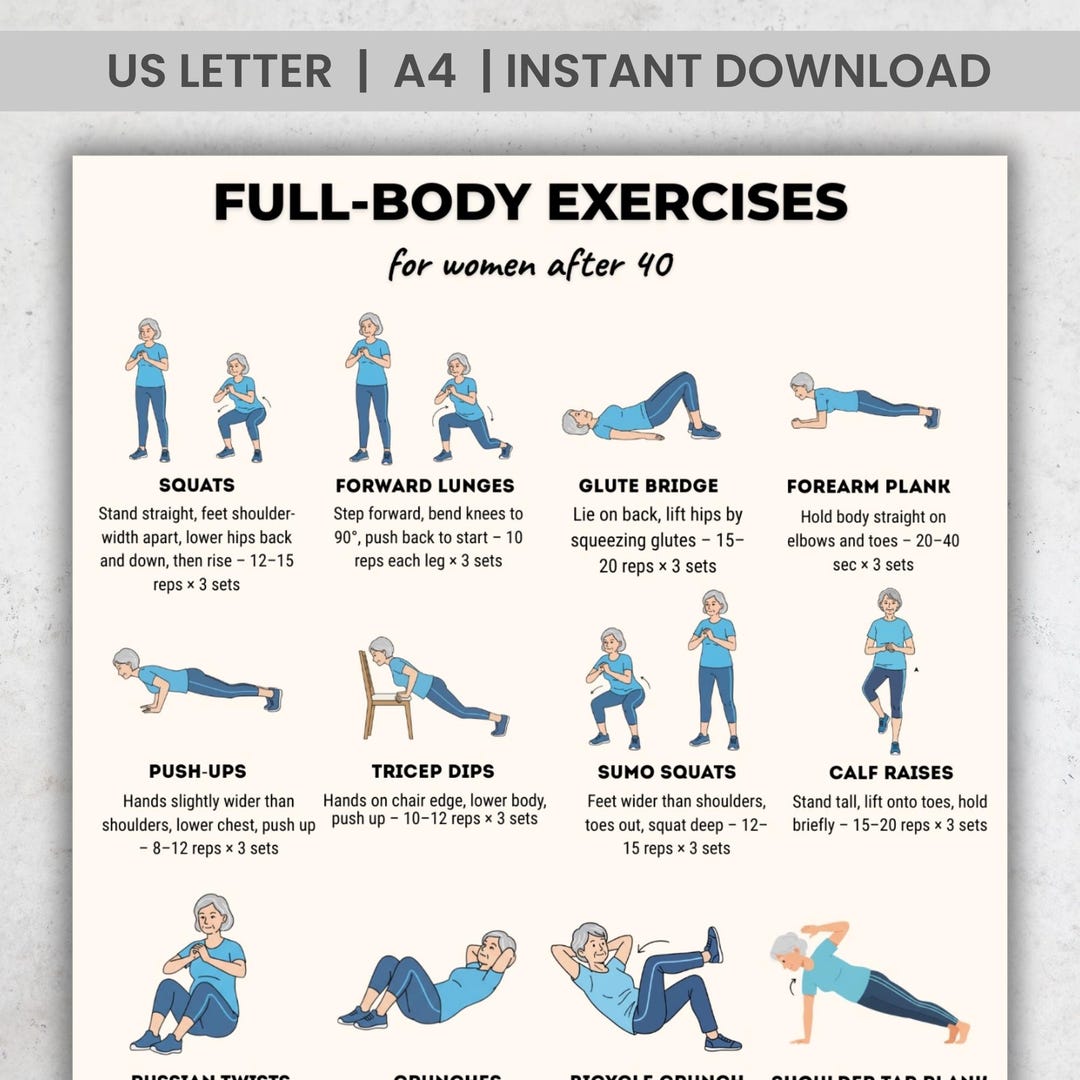
For women entering their 40s, abdominal training shifts from a pursuit of superficial aesthetics to a critical component of functional health, hormonal balance, and long-term mobility. While industry marketing often promotes high-intensity crunches and "spot reduction" as the path to a flat stomach, physiological evidence suggests that training for core integrity, postural alignment, and pelvic floor health is significantly more effective and sustainable at this stage of life.
Understanding the Physiological Changes After 40
The human body undergoes distinct metabolic and musculoskeletal shifts in the fifth decade of life. During this period, the decline in estrogen levels—perimenopause and menopause—can influence body composition, specifically increasing the tendency to store adipose tissue in the visceral, or abdominal, area. This change is not merely cosmetic; visceral fat is metabolically active and can impact inflammatory markers.
Simultaneously, women in this age group often experience a reduction in muscle mass, known as sarcopenia, if resistance training is not prioritized. For the abdominal wall, this can manifest as decreased tension in the rectus abdominis and the deep-seated transversus abdominis. Furthermore, connective tissues lose some elasticity, and the pelvic floor—the base of the core—often weakens due to historical stressors like childbirth or years of high-impact activity. Consequently, "ab exercises" for women over 40 must move away from repetitive flexion-based movements, which may exacerbate postural imbalances or pelvic floor dysfunction, toward comprehensive core stabilization.
Myth 1: Spot Reduction is Possible Through Targeted Ab Work
The most pervasive myth in fitness is the idea that performing hundreds of crunches will burn fat directly from the abdominal area. Physiology dictates that systemic fat loss occurs through a caloric deficit, and the body determines where fat is mobilized based on genetics and hormonal signaling.
Performing isolated abdominal exercises strengthens the underlying musculature but does not "burn" the layer of fat sitting on top of it. Relying on this myth leads to frustration and potential injury from overtraining the abdominal muscles without addressing the energy balance required to see those muscles. For women over 40, the goal should be to build metabolic muscle—which aids in managing insulin sensitivity—while simultaneously following a nutrition plan that supports muscle protein synthesis.
Myth 2: Crunches and Sit-ups are the Gold Standard for Core Strength
For decades, the crunch was promoted as the primary move for abdominal development. However, research in movement science suggests that repetitive spinal flexion can place undue stress on the lumbar discs. By age 40, many individuals have accumulated years of sedentary sitting or repetitive postural habits. Forcing the spine into flexion via sit-ups can aggravate lower back pain and pull the pelvis into an anterior tilt, which ironically makes the lower belly appear more prominent.
Instead, the core should be trained to perform its primary evolutionary function: protecting the spine and transferring force. The transversus abdominis (the body’s natural corset) and the multifidus (deep spinal stabilizers) are best engaged through anti-rotation and anti-extension movements. These exercises maintain a neutral spine, which is crucial for preventing the back pain that often emerges as a common complaint in midlife.
Myth 3: You Need High-Intensity Daily Ab Work
There is a persistent belief that because the abdominals are "stamina" muscles, they require daily, high-repetition work to be effective. In reality, the abdominal muscles are skeletal muscles like any other; they require intensity (load), proper form, and recovery time to hypertrophy or increase in strength.
Daily high-rep training often leads to form fatigue. Once form breaks down, the hip flexors take over the movement, further reinforcing tight hip muscles that contribute to low back issues. Women over 40 benefit more from 2–3 sessions per week of focused, resistance-based core training than from daily, low-intensity sessions. This approach allows for the hormonal recovery necessary to prevent cortisol spikes, which can interfere with body composition goals.
The Role of the Pelvic Floor in Core Training
The pelvic floor is the "floor" of the core canister. If this area is dysfunctional, traditional ab exercises can increase intra-abdominal pressure in a way that pushes down on the pelvic organs. This can lead to issues like urinary incontinence or a feeling of "heaviness."
Before embarking on an aggressive core routine, it is essential to ensure that the pelvic floor is functioning correctly. This does not mean simply performing Kegels; it means integrating diaphragmatic breathing into movement. When you exhale during the exertion phase of an exercise, you facilitate a natural, reflexive engagement of both the transversus abdominis and the pelvic floor. This synergy is the foundation of a truly "strong" core for women over 40.
Comparing Traditional vs. Functional Core Strategies
| Feature | Traditional Crunches | Functional Core Training |
|---|---|---|
| Primary Movement | Spinal Flexion | Anti-Flexion / Anti-Rotation |
| Spine Impact | High risk of lumbar strain | Maintains neutral spinal alignment |
| Muscular Focus | Primarily Rectus Abdominis | Full Core (Transversus, Obliques, Back) |
| Pelvic Floor Impact | Increases downward pressure | Encourages integrated stabilization |
| Recommended Frequency | Daily (often ineffective) | 2–3 times per week |
Recommended Exercises for Longevity and Strength
Transitioning your routine requires prioritizing exercises that challenge stability. These movements are scalable, meaning you can adjust the difficulty as you get stronger.
- Dead Bugs: This is the ultimate exercise for learning to keep the spine neutral while the limbs move. By pressing your lower back into the floor and slowly extending opposite arm and leg, you force the deep abdominals to engage without straining the neck or back.
- Bird-Dogs: By stabilizing on all fours, you challenge the cross-body connection of the core. This is excellent for spine health and helps correct postural imbalances developed from daily desk work.
- Plank Variations: While the standard plank is a classic, the side plank is superior for women over 40. It targets the obliques and quadratus lumborum, which are vital for lateral stability and protecting the spine during everyday twisting motions.
- Pallof Press: Using a resistance band or cable machine, this anti-rotation movement teaches the core to resist force, which is the most effective way to build functional, injury-resilient strength.
Common Mistakes to Avoid
- Breath-Holding: Many women unknowingly hold their breath during core exercises. This increases blood pressure and prevents the diaphragm from aiding in stabilization. Always exhale on the effort.
- Ignoring the Hip Flexors: Tight hips are often the culprit behind a "weak" core. If your hip flexors are chronically tight, they will pull your pelvis forward. Spend time stretching the hip flexors as part of your core routine.
- Overlooking Nutrition: No amount of core work will counteract a diet that is insufficient in protein. Protein is essential for maintaining muscle mass in the 40s and beyond.
Incorporating Ab Training into a Busy Schedule
You do not need an extra hour in the gym. Integrating core stabilization into your existing strength training is more efficient. For example, by keeping your core engaged during squats, overhead presses, or lunges, you are effectively performing "ab exercises" in a functional context. This is known as "bracing," and it turns every movement into an opportunity to build a stronger midsection.
If you are a beginner, start by dedicating 10 minutes, three times a week, to the fundamental movements listed above. Focus on the quality of the contraction rather than the number of repetitions. In the realm of fitness for women over 40, consistency and structural integrity far outweigh the intensity of a single workout.
Frequently Asked Questions
1. Is it safe to do planks if I have back pain? Generally, yes, provided your form is perfect. If a full plank causes pain, regress to a "knee plank" or an incline plank (hands on a bench). If pain persists, consult a physical therapist, as back pain can indicate underlying structural issues that require clinical assessment.
2. Why does my stomach seem "poochier" even when I exercise? A distended abdomen after 40 can be caused by several factors, including bloating, postural habits like anterior pelvic tilt, or diastasis recti (the separation of the abdominal muscles). It is often more related to alignment and digestive health than a lack of exercise.
3. Do I need to stop doing sit-ups forever? You do not necessarily need to "ban" any exercise, but if you have a history of back issues, sit-ups are rarely the best choice for the reward they provide. Consider the risk-to-reward ratio and prioritize movements that keep your spine in a stable, neutral position.
4. How does menopause affect my ability to get a flat stomach? Menopause triggers a shift in fat distribution toward the midsection due to hormonal changes. While you can certainly strengthen your core and improve body composition, understand that your body may store fat differently than it did in your 20s. Aim for a healthy body composition rather than a specific aesthetic standard.
5. How long does it take to see results? If you are combining resistance training with a balanced diet, you may notice improvements in posture and core strength within 4 to 6 weeks. Visible changes in body composition are highly individual and depend on the consistency of your nutritional and activity habits over several months.
Next Steps for Your Fitness Journey
To achieve a stronger, more resilient core, stop chasing the "six-pack" through repetitive crunching. Begin by integrating 10 minutes of anti-rotation and stability work—such as the Pallof Press and Dead Bugs—into your routine three times a week. Focus on your breathing, maintain a neutral spine, and prioritize protein intake to support muscle maintenance. If you experience persistent pelvic floor issues or chronic pain, seek a consultation with a pelvic floor physical therapist; this is a standard and highly effective medical intervention for women in midlife to ensure they can exercise safely and effectively.