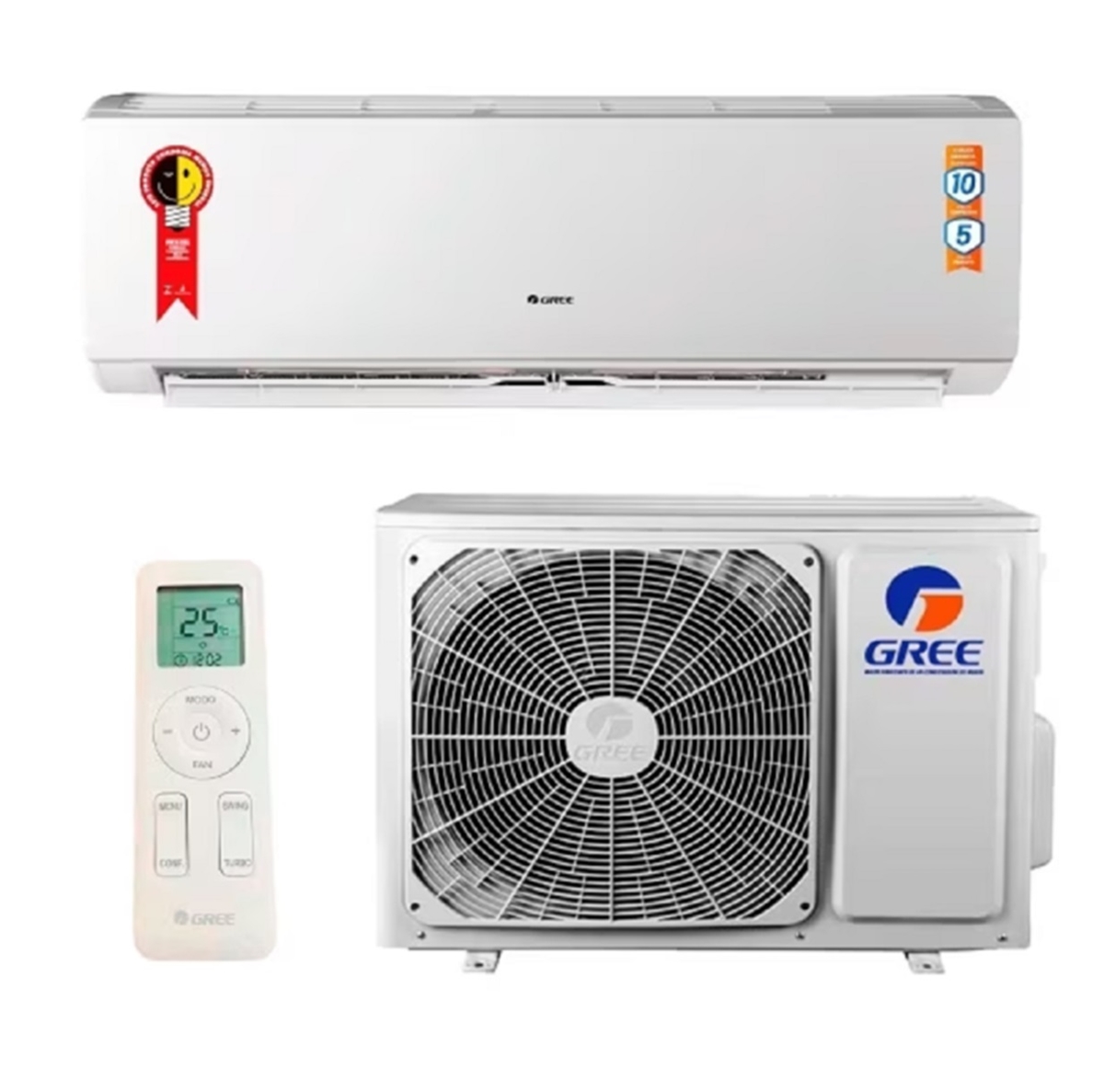
9,000 BTUs (British Thermal Units) represents the cooling capacity of an air conditioner, specifically its ability to remove 9,000 units of heat from a room within one hour. In 2026, this rating remains the industry standard for cooling small to medium-sized spaces, typically ranging from 150 to 350 square feet.
What Does "9,000 BTUs" Actually Mean?
To understand a 9,000 BTU rating, one must first understand the British Thermal Unit (BTU) itself. Historically and technically, a single BTU is defined as the amount of heat energy required to raise the temperature of one pound of liquid water by one degree Fahrenheit at sea level. In the context of HVAC (Heating, Ventilation, and Air Conditioning), BTUs describe the rate of heat transfer.
When an air conditioner is rated at 9,000 BTUs, it is technically a measurement of 9,000 BTUs per hour (BTU/h). This means the unit has the mechanical and thermal capacity to extract 9,000 units of heat from the indoor air and exhaust them outside every hour. For perspective, a single BTU is roughly equivalent to the heat produced by burning one conventional wooden match. Therefore, a 9,000 BTU unit is moving the thermal equivalent of 9,000 matches out of your room every sixty minutes.
In 2026, modern engineering has refined how these units reach this capacity. Unlike older "on-off" compressors that ran at 100% capacity until the thermostat was satisfied, current inverter technology allows a 9,000 BTU unit to modulate its output. A unit may start at 9,000 BTUs to cool a warm room quickly, then throttle down to 2,000 or 3,000 BTUs to maintain a steady temperature, significantly reducing energy consumption and mechanical wear.
Determining if 9,000 BTUs is Right for Your Space
Selecting an air conditioner is not a "bigger is better" scenario. Sizing a unit correctly for your square footage is the most critical step in ensuring comfort and equipment longevity. A 9,000 BTU unit is widely considered the "sweet spot" for several specific residential and commercial applications.
The Standard Square Footage Rule
The general rule of thumb used by the U.S. Department of Energy suggests that an air conditioner needs approximately 20 BTUs for every square foot of living space. By this math, a 9,000 BTU unit is mathematically perfect for a 450-square-foot room. However, real-world variables usually compress this range to between 150 and 350 square feet to account for heat gain factors.
Factors That Alter Capacity Needs
While square footage is the baseline, several environmental factors can necessitate more or fewer BTUs:
- Ceiling Height: Standard calculations assume 8-foot ceilings. If your room has 10-foot or vaulted ceilings, the total volume of air increases, often requiring you to step up from a 9,000 BTU unit to a 12,000 BTU model.
- Sunlight Exposure: A room with large, south-facing windows in a climate like Arizona or Florida will absorb significantly more radiant heat. In these cases, you should increase the capacity by 10%.
- Occupancy: Every person in a room adds about 600 BTUs of heat. If a 250-square-foot room is a home gym or a small office frequently holding three people, a 9,000 BTU unit might struggle.
- Kitchen Location: If the unit is installed in a kitchen, the heat from ovens, stoves, and refrigerators adds a massive thermal load. It is recommended to add an extra 4,000 BTUs to the base requirement for any kitchen installation.
Technical Performance and Electrical Requirements
A 9,000 BTU unit is unique because it sits at the threshold between standard residential power and heavy-duty electrical requirements. The type of unit—whether it is a window AC, a portable unit, or a ductless mini-split—will dictate the electrical needs.
Voltage and Amperage
Most 9,000 BTU window and portable air conditioners are designed to run on a standard 115-volt household circuit. This makes them highly accessible for renters or homeowners who do not want to hire an electrician for a dedicated line. However, ductless mini-split units of the same capacity often require a 230-volt connection.
The amperage draw for a 9,000 BTU unit in 2026 is remarkably low due to high-efficiency components. On average, these units draw between 7 and 10 amps. This low draw is a major benefit for older homes with 100-amp electrical panels, as it allows for climate control without risking frequent circuit breaker trips.
Cooling vs. Heating (The Heat Pump Factor)
In 2026, most 9,000 BTU units are no longer "cooling only." They are frequently sold as heat pumps. It is important to note that a unit rated for 9,000 BTUs of cooling may have a different rating for heating. Often, these units can provide 10,000 or even 11,000 BTUs of heating. This is because heat pumps are generally more efficient at moving heat than traditional resistive electric heaters.
9,000 BTU Capacity Comparison Table
The following table compares a 9,000 BTU unit against other common sizes to help visualize where this capacity fits in the market.
| Capacity (BTUs) | Approx. Coverage (Sq. Ft.) | Common Voltage | Ideal Use Case |
|---|---|---|---|
| 5,000 | 100 – 150 | 115V | Small bedrooms, walk-in closets |
| 9,000 | 150 – 350 | 115V / 230V | Master bedrooms, home offices, nurseries |
| 12,000 | 400 – 550 | 115V / 230V | Living rooms, studio apartments |
| 18,000 | 700 – 1,000 | 230V | Large open-concept areas, small shops |
| 24,000 | 1,200 – 1,500 | 230V | Whole-floor cooling, commercial spaces |
Energy Efficiency and SEER2 Ratings in 2026
Efficiency is no longer just a "green" preference; it is a regulatory requirement. As of 2026, the HVAC industry has fully transitioned to the SEER2 (Seasonal Energy Efficiency Ratio 2) metric. SEER2 provides a more accurate reflection of real-world performance by testing units under higher external static pressure.
Understanding SEER2
For a 9,000 BTU unit, a SEER2 rating of 16 to 18 is considered standard, while "ultra-high efficiency" units can reach SEER2 ratings of 25 or higher. A higher SEER2 rating means that for every watt of electricity consumed, the unit provides more cooling.
For a consumer, a high-efficiency 9,000 BTU unit might cost 20-30% more upfront but can reduce monthly cooling bills by 40% compared to a non-inverter unit from a decade ago. In many jurisdictions in 2026, local utility companies offer significant rebates for installing 9,000 BTU mini-splits that meet specific Energy Star Tier 3 requirements.
The Role of Refrigerants
By 2026, the industry has largely moved away from R-410A due to global warming potential (GWP) regulations. Most new 9,000 BTU units now utilize R-32 or R-454B. These refrigerants are more efficient at heat transfer, meaning a 9,000 BTU unit today uses a smaller volume of refrigerant and less electricity to achieve the same cooling effect as a unit produced in 2015.
Installation Methods for 9,000 BTU Units
The "delivery method" of those 9,000 BTUs significantly impacts how well the unit performs and how much it costs to install.
Ductless Mini-Splits
The 9,000 BTU mini-split is perhaps the most popular configuration for high-end home comfort. It consists of an outdoor compressor and an indoor air handler connected by a refrigerant line.
- Pros: Extremely quiet (often below 20 decibels), very high SEER2 ratings, and no window blockage.
- Cons: Requires professional installation and a higher initial investment.
Window Air Conditioners
These are the traditional units that sit in a window frame. In 2026, "U-shaped" window units have revolutionized this category by allowing the window to close almost completely, isolating the noisy compressor outside.
- Pros: Affordable, DIY installation, and highly portable.
- Cons: Obstructs a window and is generally less efficient than a mini-split.
Portable Air Conditioners
A portable 9,000 BTU unit stands on the floor and exhausts hot air through a flexible hose. It is important to distinguish between ASHRAE BTUs and SACC (Seasonally Adjusted Cooling Capacity) BTUs. A portable unit labeled "9,000 BTU ASHRAE" may only have a "5,000 BTU SACC" rating because the hose itself radiates heat back into the room. Always check the SACC rating for portable units to avoid disappointment.
Common Mistakes When Choosing 9,000 BTUs
Even with a clear understanding of the numbers, many users fail to achieve the desired comfort levels due to common pitfalls in the selection and installation process.
The "Short-Cycling" Trap
If you install a 9,000 BTU unit in a room that only requires 5,000 BTUs (like a very small pantry or a small walk-in nursery), the unit will "short-cycle." This means it cools the air so rapidly that the thermostat shuts the compressor off before it has a chance to remove humidity. You end up with a room that is cold but "clammy" or damp. Furthermore, frequent starting and stopping is the primary cause of compressor failure.
Neglecting Airflow Obstructions
9,000 BTUs of cooling is useless if the air cannot circulate. Placing a unit behind curtains, tall furniture, or in a corner with poor "throw" results in hot spots. Modern units often feature 3D Airflow or "I Feel" remote sensing technology, which uses a sensor in the remote control to ensure the 9,000 BTUs are being directed to where the person actually sits, rather than just cooling the area around the unit.
Forgetting Maintenance
A 9,000 BTU unit with a clogged filter may only perform at a 6,000 BTU level while consuming the electricity of a 12,000 BTU unit. In 2026, many units include "Clean Filter" alerts and self-cleaning evaporator coils to prevent the buildup of mold and dust, which can restrict heat exchange.
FAQs About 9,000 BTU Units
Is a 9,000 BTU unit enough for a master bedroom? Yes, in most cases. A standard master bedroom is between 200 and 300 square feet. A 9,000 BTU unit is ideally suited for this size, providing enough power to cool the room quickly while remaining quiet enough for sleep. However, if the bedroom has an en-suite bathroom with high humidity or large unshaded windows, you should ensure the unit is a high-efficiency inverter model.
What is the difference between 9,000 BTUs and 0.75 tons of refrigeration? In HVAC terms, "tons" is another way to measure cooling capacity. One ton is equal to 12,000 BTUs. Therefore, a 9,000 BTU unit is equivalent to a 0.75-ton unit. This terminology is more common in professional HVAC circles and when discussing central air conditioning or larger multi-split systems.
Can I run a 9,000 BTU air conditioner on a generator? Yes, but you must account for the "starting watts" or "surge watts." While a 9,000 BTU inverter unit might only use 800-900 running watts, a traditional non-inverter unit might require 2,500 watts for a split second to start the compressor. Most modern 2,000-watt portable generators can easily handle a 9,000 BTU inverter unit.
How much does it cost to run a 9,000 BTU AC per month? In 2026, assuming an average electricity rate of $0.18 per kWh and 8 hours of use per day, a high-efficiency (SEER2 20+) 9,000 BTU unit costs approximately $15–$25 per month to operate. Costs will be higher in extreme heatwaves or if the unit is poorly maintained.
Do 9,000 BTU units require a dedicated circuit? For window and portable units, it is not strictly required by most building codes, but it is highly recommended. For ductless mini-splits, a dedicated circuit is almost always a requirement for both safety and code compliance. Plugging a 9,000 BTU unit into a circuit shared with a vacuum cleaner or a microwave will likely trip the breaker.
Practical Recommendation
If you are looking to cool a room between 200 and 300 square feet, a 9,000 BTU unit is your best choice for balancing comfort, energy efficiency, and initial cost. For long-term residential use, prioritize a ductless mini-split with inverter technology and a SEER2 rating of at least 18. This setup provides the quietest operation and the lowest utility impact. If you are a renter or need a temporary solution, look for a U-shaped window unit to maximize efficiency while preserving the use of your window. Always measure your room and account for ceiling height before purchasing to ensure you stay within the optimal performance envelope of the 9,000 BTU rating.