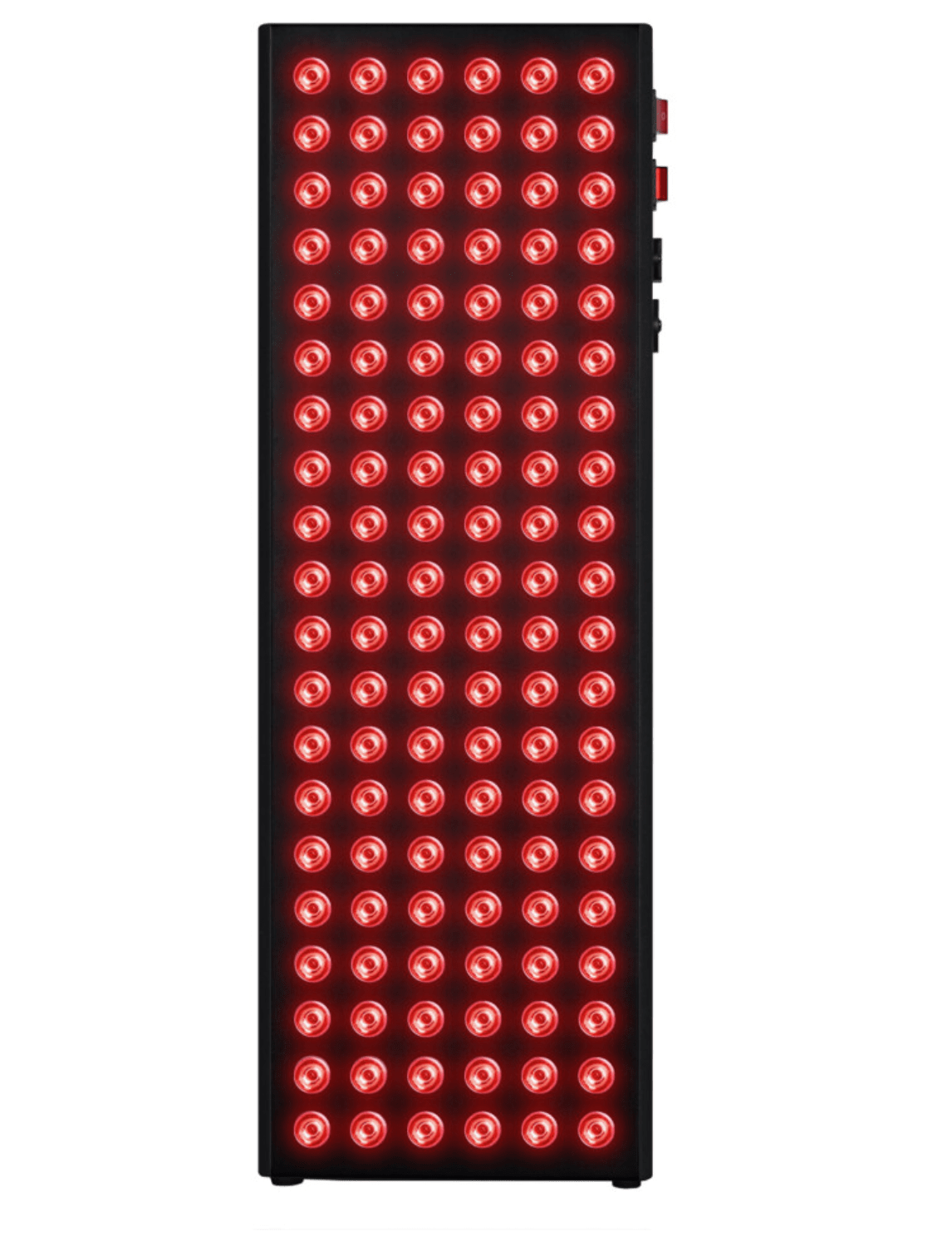
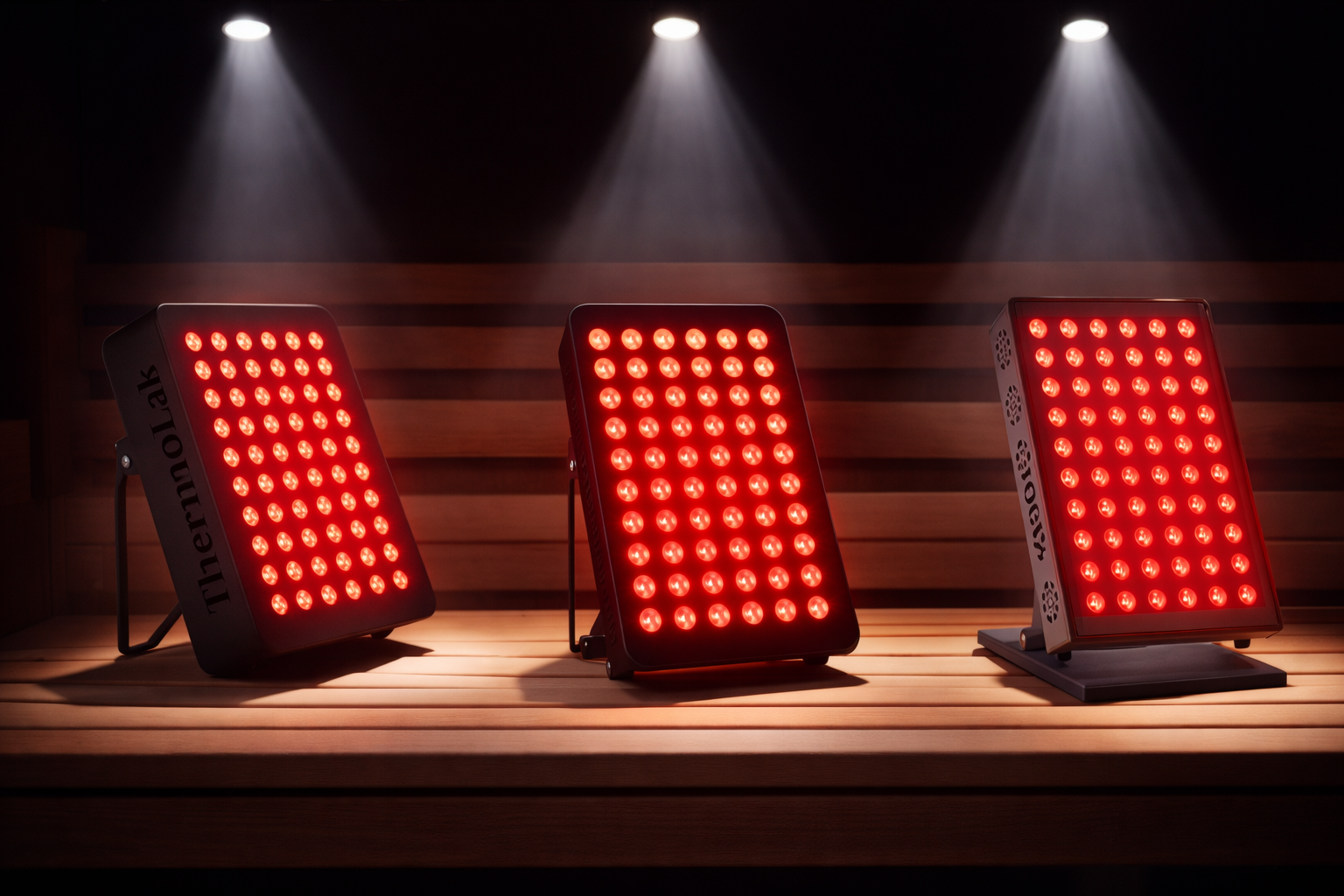
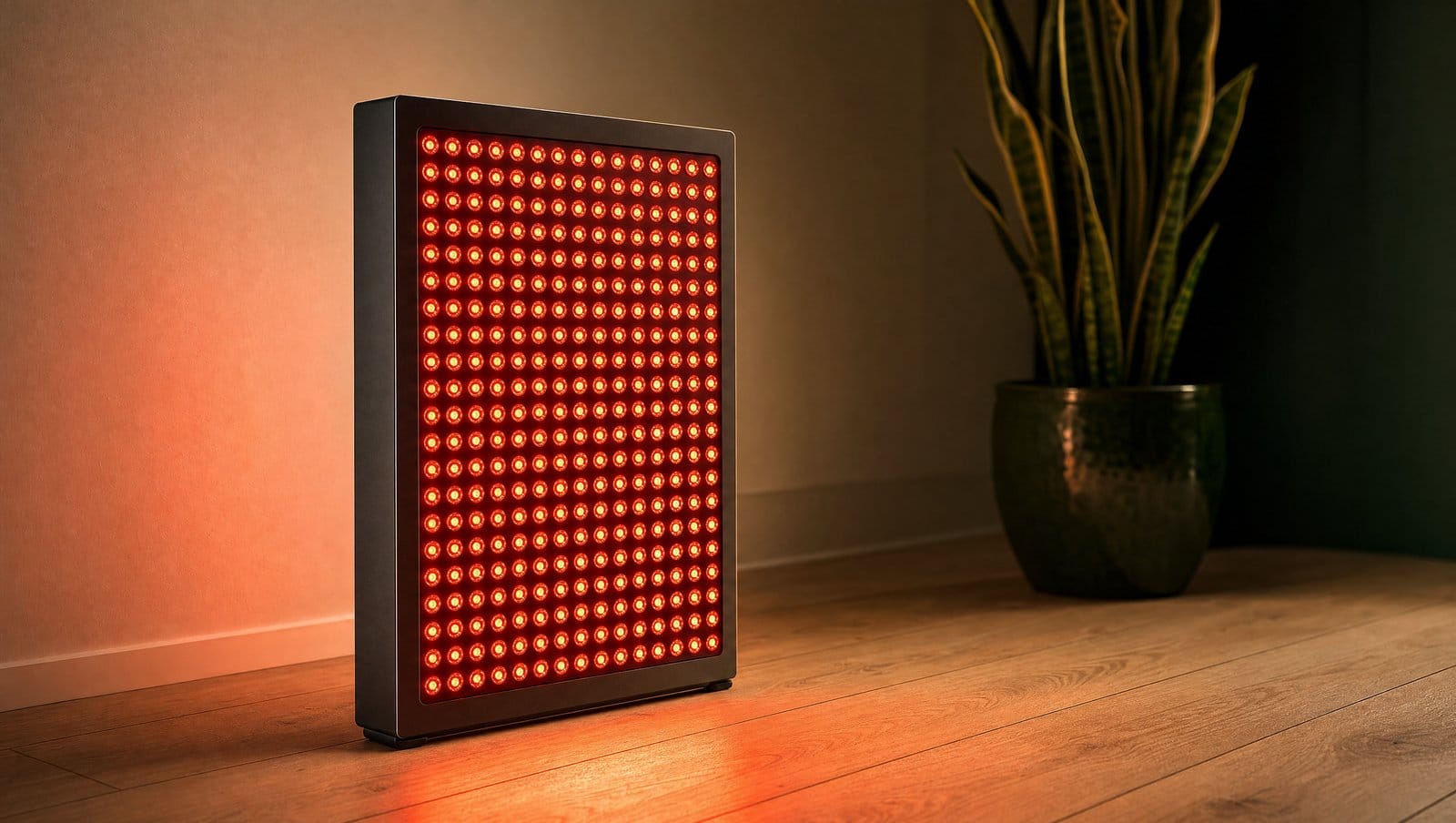
Choosing the right red light therapy panel requires evaluating irradiance, wavelength precision, treatment area coverage, and build quality to match specific recovery or skin goals. The top-performing panels combine optimal deep red (660nm) and near-infrared (850nm) wavelengths with high power output and low electromagnetic field (EMF) emissions to deliver safe, effective at-home sessions.
Photobiomodulation, commonly known as red light therapy (RLT), has transitioned from specialized clinical environments into mainstream wellness routines. Whether the goal is accelerating muscle recovery after athletic training, mitigating joint stiffness, or promoting collagen production for skin rejuvenation, selecting a high-grade device is essential. Evaluating market options requires looking past marketing claims to examine core technical specifications, such as irradiance levels, LED chip configurations, operational safety certifications, and overall value.
Understanding Red Light Therapy Panels: Core Technology and Specifications
Before evaluating specific devices, understanding the underlying technology helps clarify why certain panels command higher prices or deliver superior results. Red light therapy panels use light-emitting diodes (LEDs) to deliver specific wavelengths of light into human tissue, typically focusing on the optical window between 600 nanometers (nm) and 1100 nm.
Wavelengths: Red vs. Near-Infrared
Most therapeutic panels utilize a dual-chip configuration featuring two primary wavelengths:
- 660nm (Red Light): This wavelength is absorbed primarily by the superficial layers of the skin. It is widely utilized for dermatological applications, including stimulating fibroblast production, reducing fine lines, improving skin tone, and accelerating wound healing.
- 850nm (Near-Infrared Light): Near-infrared (NIR) light is invisible to the human eye and penetrates deeper into the body, reaching muscles, tendons, ligaments, and joints. It is typically favored for deep tissue recovery, reducing inflammation, and alleviating chronic joint discomfort.
Irradiance and Power Density
Irradiance refers to the intensity of light delivered to a target area, measured in milliwatts per square centimeter ($mW/cm^2$). High irradiance is necessary to ensure that photons reach deep tissue without requiring the user to stand fractions of an inch away from the glass. However, high irradiance must be paired with low electromagnetic field (EMF) output to ensure safety during prolonged use.
The 7 Best Red Light Panels
The market features an array of sizes, ranging from targeted mini panels suitable for localized facial treatments to massive, full-body towers designed for comprehensive coverage. Below is an examination of the seven best red light panels, chosen for their power output, wavelength accuracy, structural durability, and user-friendly features.
1. Platinum Therapy Lights BioMax Series
The Platinum Therapy Lights BioMax series stands out for its multi-wavelength approach. Unlike traditional panels that only feature two wavelengths, the BioMax incorporates a proprietary blend of five distinct wavelengths: 630nm, 660nm, 810nm, 830nm, and 850nm.
- Key Specifications: High irradiance exceeding $160 mW/cm^2$ at 6 inches; zero-EMF output at standard operating distances; modular design allowing multiple units to be linked together.
- Performance and Value: The inclusion of 810nm and 830nm wavelengths targets cellular mitochondria more comprehensively, as these specific bands have been shown in photobiomodulation research to have high affinity for cytochrome c oxidase. While priced at the higher end of the consumer market, its commercial-grade construction and advanced spectral output make it a top choice for serious biohackers and athletes.
2. Joovv Solo 3.0
Joovv established itself as an industry pioneer, and the Solo 3.0 represents a refined evolution of modular home therapy systems. Known for sleek aesthetics and robust software integration, the Solo 3.0 offers targeted treatment with the option to expand into a full-body setup.
- Key Specifications: Dual-chip LEDs featuring 660nm and 850nm wavelengths; ambient mode for circadian rhythm support; Bluetooth and smartphone application integration.
- Performance and Value: The Joovv Solo 3.0 features high build quality and intuitive digital controls. The inclusion of recovery-mode pulsing and ambient lighting settings provides added versatility. Although accessories like motorized stands and door mounts increase the total investment, the device maintains strong resale value and reliability.
3. Mito Red Light MitoPRO Series
Mito Red Light has built a loyal following by offering high-irradiance, cost-effective panels that rival more expensive legacy brands. The MitoPRO series utilizes a unique dual-chip LED design that emits 660nm and 850nm light simultaneously from every single diode, preventing the "checkerboard" intensity variations found in older panel layouts.
- Key Specifications: Broad beam angle of 60 degrees; very high irradiance; flicker-free drivers minimizing eye strain; digital touch screen controls.
- Performance and Value: The MitoPRO series offers an exceptional performance-to-price ratio. By ensuring that every LED emits both red and near-infrared light, users receive a uniform therapeutic dose across the entire treatment zone without needing to adjust their positioning.
4. Hooga HGPRO Series
For buyers seeking heavy-duty performance without paying a luxury markup, the Hooga HGPRO series is a formidable contender. Hooga focuses on utilitarian durability, high power output, and straightforward controls.
- Key Specifications: 30W high-output dual chips; selectable wavelength controls (red only, NIR only, or both); daisy-chain capability.
- Performance and Value: The HGPRO panels are exceptionally bright and provide deep tissue penetration. The ability to toggle off the near-infrared spectrum is particularly useful for users who want to focus exclusively on surface-level skin treatments without the thermal sensation associated with NIR light.
5. Rouge Pro
Rouge offers mid-to-large-scale panels designed with heavy-duty aluminum housings and quiet cooling fans. The Rouge Pro balances power output with thermal management, ensuring the LEDs maintain efficiency over long operational lifespans.
- Key Specifications: 60-degree lens optics; low EMF emissions; built-in timer and pulse frequency options.
- Performance and Value: Rouge panels are favored by physical therapy clinics and home users alike due to their rugged build. The inclusion of multi-frequency pulsing allows users to experiment with different biological response pathways, though standard continuous-wave therapy remains the primary use case.
6. EMR-Tek FireWave
EMR-Tek focuses heavily on mitigating electromagnetic fields and optical flicker, making the FireWave series popular among users with chemical sensitivities or electro-hypersensitivity concerns.
- Key Specifications: Extremely low EMF readings at zero distance; high-pulsing capability; lightweight, portable form factor.
- Performance and Value: The FireWave is engineered to deliver clean, flicker-free light. While some models are smaller, focusing on localized treatment, their targeted output and pristine electrical engineering make them reliable daily drivers.
7. Biomax Mini / Target Panels (Compact Alternative)
For users who travel frequently or require targeted treatment for specific joints or facial skin care, a compact panel offers a practical solution. While full-body towers dominate discussions, smaller units provide similar irradiance metrics in a portable package.
- Key Specifications: Single-module footprint; mounting brackets included; portable handle design.
- Performance and Value: Compact panels deliver targeted power to specific regions—such as the knees, lower back, or face—at a fraction of the cost and weight of full-body panels.
Comparative Specifications of Top Panels
| Panel Model | Primary Wavelengths | Irradiance ($mW/cm^2$) | Notable Feature | Price Tier |
|---|---|---|---|---|
| Platinum BioMax | 630, 660, 810, 830, 850nm | >160 | 5-wavelength spectrum | Premium |
| Joovv Solo 3.0 | 660, 850nm | High | App integration & ambient mode | Premium |
| Mito Red MitoPRO | 660, 850nm | Very High | Uniform dual-chip diodes | Mid-to-High |
| Hooga HGPRO | 660, 850nm | High | Switchable red/NIR spectra | Budget-Friendly |
| Rouge Pro | 660, 850nm | High | Heavy-duty thermal management | Mid-Range |
| EMR-Tek FireWave | 660, 850nm | Moderate-High | Ultra-low EMF & flicker-free | Mid-Range |
Practical Application and Safety Guidelines
Maximizing the benefits of a red light panel requires adhering to consistent usage protocols and safety standards. Improper distance or excessive exposure times can diminish results or cause mild thermal fatigue.
Treatment Distance and Duration
- Distance: Most manufacturers recommend positioning the body between 6 and 18 inches away from the panel surface. Closer distances yield higher irradiance but reduce the overall coverage area.
- Duration: Standard treatment times range from 10 to 20 minutes per targeted area, administered 3 to 5 times per week. Exceeding these durations does not typically improve outcomes; photobiomodulation operates on a biphasic dose response, meaning excessive light exposure can blunt the cellular response.
- Eye Safety: While red and near-infrared light are generally considered safe, looking directly into high-output LEDs at close range can cause temporary retinal dazzle or eye strain. Utilizing protective eyewear supplied with the device is recommended during facial treatments.
Common Mistakes to Avoid
When incorporating a red light panel into a wellness routine, users often encounter avoidable pitfalls:
- Wearing Clothing Over Treatment Areas: Fabrics block or reflect a significant percentage of red and near-infrared wavelengths. Skin should be bare and clean, free of heavy lotions or sunscreens that might act as physical barriers.
- Expecting Overnight Results: Cellular regeneration and mitochondrial ATP production occur cumulatively. Noticeable changes in skin texture or joint recovery typically require consistent application over 4 to 12 weeks.
- Ignoring EMF and Flicker Metrics: Cheap, unbranded panels sourced from discount marketplaces often suffer from high electromagnetic field leakage and poor electrical drivers that cause invisible optical flickering, which can trigger headaches.
Frequently Asked Questions
Can red light therapy panels replace sunlight?
No. Red light therapy panels emit very specific, narrow bands of light (predominantly red and near-infrared) and do not produce ultraviolet (UV) rays or broad-spectrum visible light. They do not stimulate Vitamin D synthesis in the skin the way natural sunlight does; rather, their primary mechanism is cellular bioenergetic stimulation.
How close do I need to stand to the panel?
Most manufacturers recommend standing or sitting between 6 to 12 inches away from the glass. At this distance, the skin and underlying tissues receive the optimal irradiance advertised by the manufacturer without losing photon density to atmospheric dispersion.
Is red light therapy safe for daily use?
While safe, daily use is usually unnecessary for most individuals. Allowing 24 to 48 hours between intense sessions gives cells time to process the photobiomodulation signaling cascade. Consistency over several weeks yields better results than overusing the device daily.
Do I need to wear protective goggles?
It depends on the treatment location. If treating your back, legs, or lower body, eye protection is unnecessary. If treating the face or neck, closing your eyes is standard, but wearing the provided blackout goggles is strongly recommended to prevent eye strain from high-intensity diodes.
What is the difference between cheap Amazon panels and premium brands?
Premium brands invest in independent third-party laboratory testing to verify irradiance levels, ensure low EMF emissions, utilize high-grade flicker-free drivers, and incorporate multi-wavelength technology. Budget panels often exaggerate power output specifications and may use inferior LED chips that degrade prematurely.
Final Recommendation and Next Actions
Selecting the ideal red light panel depends primarily on your primary wellness goals and available budget. If you want maximum spectral versatility and commercial-grade power, modular systems like the Platinum Therapy Lights BioMax or Joovv Solo 3.0 represent top-tier investments. If you are looking for exceptional power and uniformity without paying luxury branding premiums, the Mito Red Light MitoPRO or Hooga HGPRO series offer outstanding value.
Before purchasing, measure your intended treatment space, determine whether you need a targeted local panel or a full-body setup, and verify that the manufacturer provides clear third-party testing data regarding EMF safety and irradiance.